Fitness, Nutrition, Health and Sports Blog In the HSNstore Blog you will find tips about Fitness, sport in general, nutrition, and health – HSNstore.com

In this article, we are going to analyse the types of whey protein we can find so that you know which one is best for you.
Key differences between whey protein types
There are mainly 2 types of whey proteins: Concentrated and Isolated. There are also hydrolysates, which can be obtained from any of the above types.


*The references are Whey Protein Concentrate, 100% Whey Protein Isolate by RawSeries and Hydrolysed Whey Protein Isolate.
Whey protein concentrate
- Whey protein concentrate would be the ideal choice for the vast majority of people looking for a high-quality protein supplement to enrich their diet and help meet their daily protein requirements.
- The texture is creamy, so you always feel like having a shake!
- Its use could be described as ‘standard’ and, unless you have a food intolerance (milk) or lactose allergy, or are on a strict vegan diet, anyone can benefit from its properties.
- It can be used for muscle mass gain, fat loss or maintenance.

100% Whey Protein Concentrate by RawSeries
Protein Isolate or Whey Isolate Characteristics
- Protein isolate is particularly recommended for those looking to lose fat while maintaining muscle mass.
- Compared to concentrates, it provides fewer calories.
- It has a slightly less intense flavour and is much lighter.
- It has a very low lactose content, so if you have a mild lactose intolerance, it is safe to take.
- If you keep track of what you eat by counting ‘macros’, this is definitely your best option.
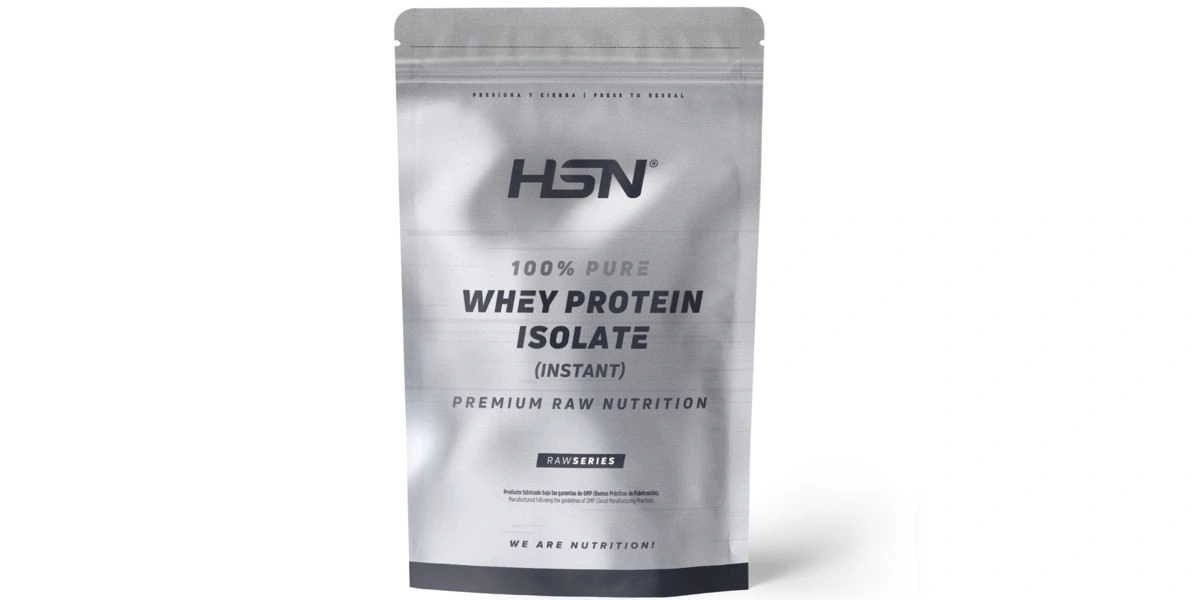
100% Whey Protein Isolate by RawSeries
Hydrolysed Whey Protein Characteristics
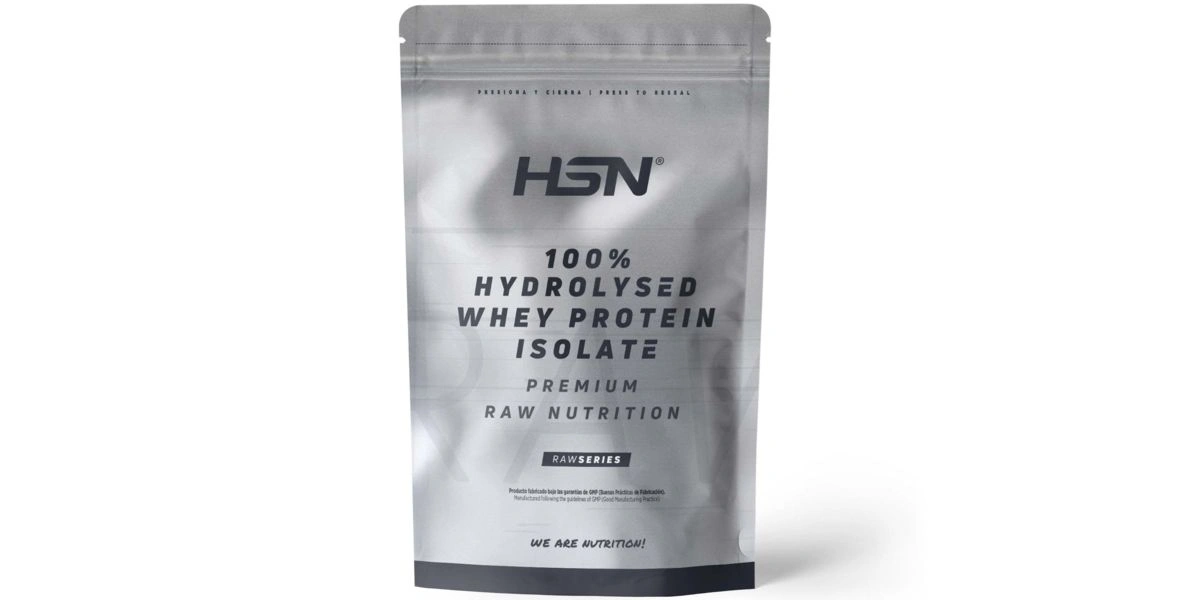
Hydrolysed Whey Protein Isolate
- It has the fastest absorption rate of any whey protein.
- Hydrolysed protein would be particularly suitable for people with lactose intolerance.
- It is also low in calories.
- Very mild flavour and light texture.
How to choose the best whey protein for your goals?
When buying whey protein, the following should be considered to optimise your purchase:
When should I choose Whey Protein Concentrate?
- If our goal is to provide protein to supplement protein needs and we do not track calories and macronutrients to the millimetre.
When should I choose Whey Protein Isolate?
- When our goal is to achieve maximum definition.
When should I choose Whey Protein Hydrolysed?
- If we are lactose intolerant.
- If we are looking for the best protein to take before and/or after physical exercise.
Is it suitable for all athletes?
Whey protein is a food that offers several interesting benefits and properties for athletes:
- It helps to meet nutritional requirements.
- They speed up muscle recovery.
- They stimulate muscle growth.
- It is very easy to add to the regular diet.
- Suitable for vegetarians.
Related Entries
- Keys to choosing the best Whey protein supplement
- Protein or creatine. Which should you take?
- The incredible benefits of combining protein and creatine
- The whey protein recipes you can't miss