Fitness, Nutrition, Health and Sports Blog In the HSNstore Blog you will find tips about Fitness, sport in general, nutrition, and health – HSNstore.com

If you want to squeeze the most out of your sports performance with ergogenic aids, then stick around to discover the supplements that will give you the biggest edge. In this article, I’d like to dive deeper into supplementation related to timing, which, in my opinion, is the most important aspect, especially the time surrounding your training.
What Is Peri-Workout Supplementation?
It’s a nutritional strategy based on taking different sports supplements before, during, and/or after physical exercise. We’re talking about roughly 30-45 min before training starts; during the session itself, meaning during rest periods between weight sets or while trail running with our hydration pack (camelback) in the bike bottle; and right after finishing the physical activity completely.

Each sport can use one type or another of supplements to benefit the athlete or sportsperson
What’s the Goal of Peri-Workout Supplementation?
It mainly aims for two things: performance and recovery. We use peri-workout supplementation, which as the word says, is to make up for what food can’t provide, or better said, at the moment when food isn’t the best option – exercising and digesting at the same time –, to supply us with the energy and nutrients needed right then.

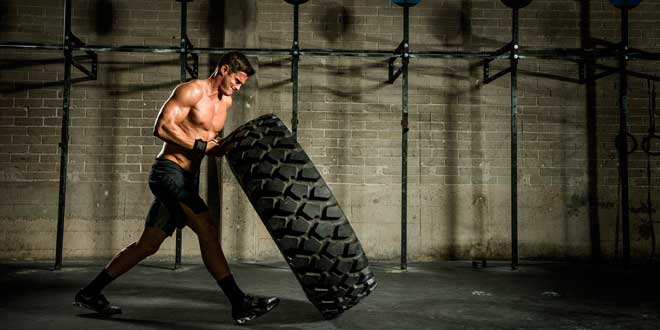
High-Intensity Training or HIIT are examples of why peri-workout supplementation can boost performance
Is Peri-Workout Supplementation Necessary?
To answer this, we should know our training purpose and what we’re after: are we training to lose fat? Do we want to stay fit all year round? Or do we have more serious goals, like a competition. The higher the level of demand, the more every action counts, and nutrition is no exception.

If you’re meticulous, aiming for perfection, and mentally committed, then you can get a lot of advantage from this supplementation
When to Take Peri-Workout Supplements?
Just like we don’t leave our training routine to chance, setting a nutritional timing that fits the time slot when we do physical activity is key in our whole plan. Training in the morning with a meal isn’t the same as before dinner. Also, training right after eating isn’t the best idea either. On the other hand, a hydrolyzed protein supplement can be absorbed very fast, easing digestion and avoiding any discomfort.

In my opinion, there’s a pretty efficient moment to use this supplementation strategy: Training Right After Waking Up
Benefits of Peri-Workout Supplementation
One of the top benefits is better training assimilation, since through the right nutrient supply you can achieve:
- A better hormonal environment (more anabolic)
- Mitigating muscle tissue breakdown
- Starting protein synthesis
- Promoting optimal muscle recovery
- Refilling energy and ATP stores

Sports that mix several capacities like power, strength, endurance… can get the most out of these nutritional strategies. Of course, training with weights and lifting will always welcome these methods
Which Supplements Are for Peri-Workout?
Proteins
The proteins used in this period should be very fast-digesting and preferably partially hydrolyzed (pre-digested), maintaining a high concentration of peptides. These molecules are chains of amino acids (which make up proteins) and correspond to the form in which we absorb this nutrient in the intestine.
We include fast-absorbing carbohydrates with low osmolarity, meaning they pass through the stomach as quickly as possible and enter the bloodstream rapidly. We want insulin release to be gradual, avoiding “spikes” that could cause hypoglycemia.
Depending on the sport, it might be interesting to add another carb source that produces a much more sustained response, maintaining a constant energy supply. This is the case with Palatinose (Isomaltulose), where glucose release into the bloodstream happens very gradually.
So, how about adding some free-form amino acids to the formula, meaning they don’t need digestion (remember, digestion and exercise don’t mix, and digestion in this case is less suitable for our context).
Peri-Workout Drink
Pre- and Intra-Workout
In a way, you can start peri-workout supplementation by overlapping pre- and intra-workout, since nutrient-wise, they’re basically the same. So, you can start sipping it before physical activity, including warm-up.
Pre-Workout Meal
However, this scenario works best if you’re training in the morning without eating beforehand. Otherwise, leave about 2 hours so digestion doesn’t interfere with blood flow redistribution to muscles and to avoid any digestion-related discomfort.
My recommendation is to go straight for the intra-workout:
- 750ml water
- 10-20g Hydrolyzed Protein
- 3-5g Leucine Peptides / 10g BCAAs
- 15g Cyclodextrins
- 15g Palatinose
There are plenty of options to add, with the goal of each athlete being the guiding pillar to supply extra elements based on the intensity and duration of their physical activity, and of course, to check firsthand the results of one supplement or another
Supplements to Boost Performance Before Training (Pre-Workout)
So far, the supplements listed contribute on the energy and nutritional side (carbs and proteins). Here are the most optimal products that produce an instant response so you can benefit during exercise.
Caffeine
This substance is a nervous system stimulant that produces several positive effects to boost performance: reducing fatigue and tiredness perception, increasing concentration and alertness (activation), and raising fat oxidation rate for energy supply. Doses from 200mg already offer benefits.
There are also other caffeine sources, like Green Tea, whose benefits especially for fat loss are proven. This is mainly thanks to one of its active compounds, EGCG (epigallocatechin). Guarana is another well-known source with a more sustained stimulant effect and later onset than caffeine, so combining both could be a great “combo.”
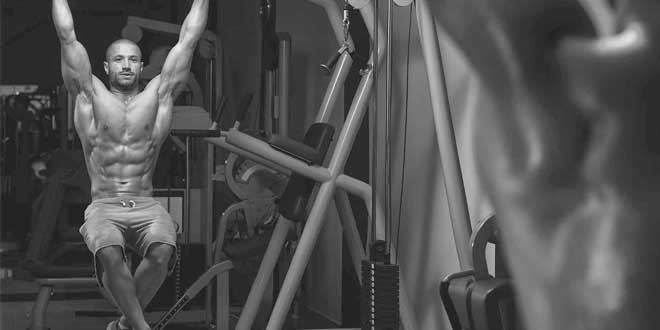
Another effect many appreciate is the vascularity produced by nitric oxide supplements
Boosting Concentration (Nootropics)
These supplements aim to increase our focus and maintain concentration, strengthening the mind-muscle connection. They enhance the synthesis and release of certain neurotransmitters to promote neuromuscular connection. Plus, they elevate mood, help manage stress (adaptogens), and have other features that athletes seeking superior performance should consider.
- ALCAR (Acetyl L-Carnitine)
- Rhodiola Rosea
- Alpha-GPC
- Ginseng
Post-Workout
To wrap up, here’s the post-workout phase. This is the phase most gym-goers know, where the protein shake fits in. The big recurring question: do I have to take the shake right after training? My answer: it depends.
Completing Daily Protein Intake
One main reason protein shakes are recommended is because they help us reach the daily protein amount each person needs (obviously, athletes need more than sedentary people). So, if we’ve already nailed a good pre- and/or intra-workout nutrition plan, the reason to take protein now depends on the person’s needs.
What’s the Best Protein for After Training?
If I’m taking protein after training, I prefer a sequential blend of two types: hydrolyzed and isolate protein. Some studies recommend mixing a slow protein (casein) and a fast one (isolate), with good results.
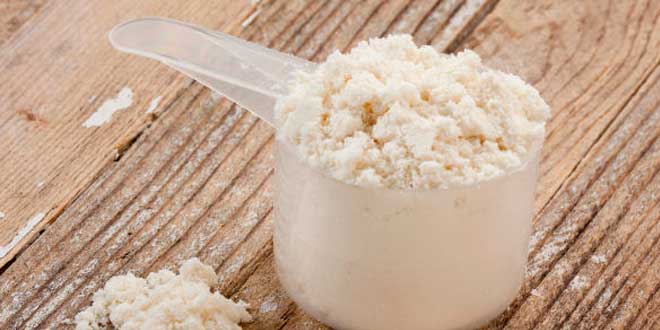
For me, if I have to eat several meals after, I’d go for the first option
Creatine
For any athlete whose sport demands high intensity, creatine, in my view, is the star supplement. Some people don’t respond to it, but if you do, it can help a lot with recovery and muscle gain. Regarding timing, since this supplement works by cellular saturation, it can be taken any time of day, but some recommendations suggest it’s better after exercise.

Creatine and Beta-Alanine are combined to boost performance
Beta-AlanineI didn’t include this supplement earlier because it also requires a “loading” phase. Its purpose is to increase muscle carnosine levels, which helps boost work capacity especially in high-intensity efforts lasting at least 45 seconds.
- Loading: 3 weeks of 6g daily
- Maintenance: 3 weeks of 3g daily
- Rest: 3 weeks before starting the cycle again.