Fitness, Nutrition, Health and Sports Blog In the HSNstore Blog you will find tips about Fitness, sport in general, nutrition, and health – HSNstore.com

Among the different types of sports drinks carbohydrates, Palatinose™ or Palatinose is an option with interesting properties, especially regarding how it provides energy, along with other uses
What is Palatinose and where does it come from?
Palatinose™ is a type of carbohydrate known as Palatinose, or Isomaltulose (generic name). It’s a pure carbohydrate, white in color and sweet in taste.
Palatinose Structure
Palatinose originates from an enzymatic rearrangement of the alpha 1,2 bond between glucose and fructose into an alpha 1,6 bond, meaning isomaltulose is an isomer of sucrose. It has the same chemical composition but a different structure. Its chemical name is 6-0-α-D-glucopyranosyl-D-fructose + H2O.
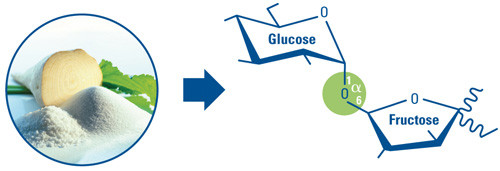
The result of this rearrangement is an extremely slow sugar that, combined with other sugars present, improves the diffusion of energy supply throughout our body. This helps maintain sports performance
Carbohydrates and Athletes
As we know, the main fuel for athletes and sportspeople doing high-intensity activities is carbohydrates (with glucose as the basic carbohydrate unit). That’s why their diets should include them in an individualized but significant percentage. Not all carbohydrates behave the same way.
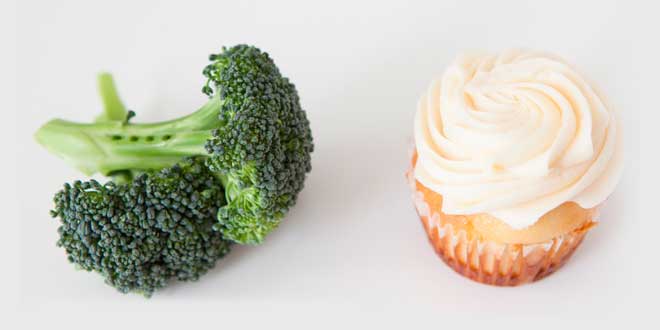
In this sense, there are differences in the response they provide depending on how our body processes them. So, eating a simple sugar like table sugar isn’t the same as a complex one like starch from potatoes.
Difference between Palatinose and other Carbohydrates
Slow Digestion
Isomaltulose provides the body with the same amount of energy (glucose) as sucrose. But the key is in the glucose-fructose bond, which releases glucose gradually, not all at once. This release happens in the small intestine.
As a result, blood glucose levels stay low to moderate.
Fat Usage
Carbohydrates from food or sports drinks are used as primary energy sources for muscles, “saving” the body from tapping into energy stores. So, the glucose ratio from these sources determines how much our own reserves are mobilized and used.
If we talk about a fast-acting carbohydrate (high glycemic index and consumed alone), the body tends to use it immediately instead of stored glycogen.
Benefits of Palatinose
Palatinose is a unique carbohydrate with great potential for an active lifestyle. It’s an ideal alternative to sucrose, glucose, and maltodextrin because it provides glucose in a more balanced way, supporting energy supply over a longer period. That’s why it can be used before exercise to provide a steady glucose release into the bloodstream.
Properties of Palatinose
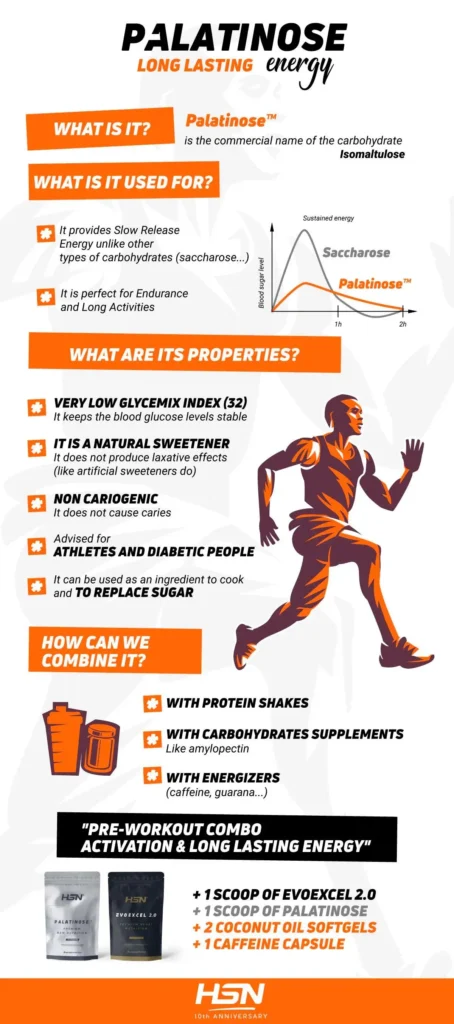
Steady Energy
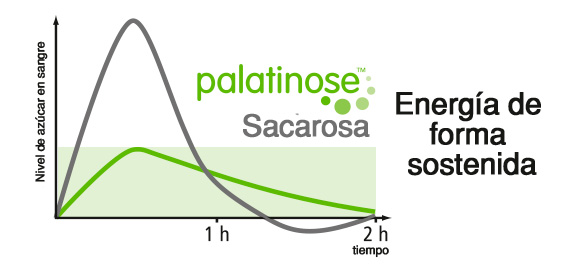
Provides glucose in a more balanced way, favoring energy supply over a longer period
Glycemic Index
A low glycemic index sugar like Palatinose keeps blood glucose levels steady, avoiding sharp spikes and ensuring continuous energy supply. Palatinose’s GI is 32 (Max. GI: +70; Min. GI: -40)

There are carbohydrate gels formulated with different glucose sources ranging from higher to lower GI
Organoleptic Properties
The physicochemical properties of isomaltulose make it a good substitute for sucrose in many sweet foods, although it has a 30% solubility at room temperature. Also, unlike some artificial sweeteners, it does not cause laxative effects.
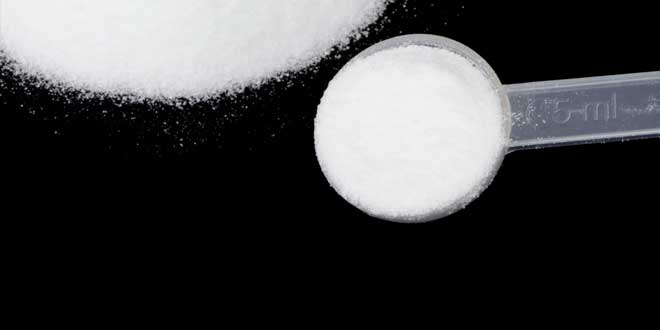
Its low hygroscopicity prevents the powder from clumping. Its taste and mouthfeel closely resemble the popular sweetness profile of sucrose (similar to sugar). It has no artificial flavors like some sweeteners.
Non-Cariogenic
Meaning it does not cause cavities. It’s a carbohydrate that doesn’t ferment as easily as sucrose or other sugars, so it’s not used as a substrate by the microorganisms responsible for dental caries.

Using Palatinose in Sports
In sports, choosing low glycemic index carbohydrates is highly recommended to get long-lasting energy without quickly depleting glycogen stores in the liver and helping prevent weight gain.
When to take Palatinose?
Before exercise
It can be included in the pre-activity meal for endurance and long-duration activities to help provide sustained energy. Along with this carbohydrate source, you can add a protein source like Whey Protein and a source of fast-acting fatty acids, such as Coconut Oil.
During exercise
Also, if you plan to do high-intensity training, Palatinose fits in well. In fact, you can mix it with a faster-absorbing carbohydrate source like cyclodextrins.
Between meals
This is one of the ideal ways to use it to add carbohydrates and meet nutritional needs without causing big blood sugar spikes. Also, for a gradual energy response before a later workout, it can even be combined with rice flour.
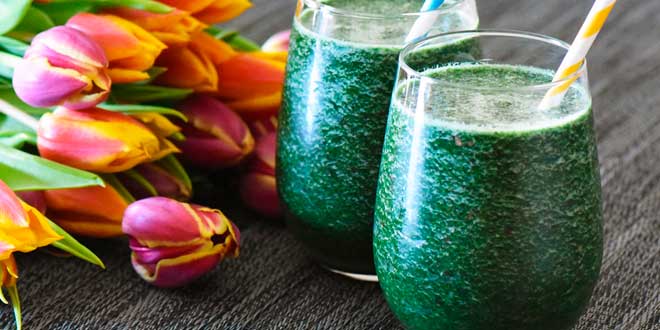
Another great idea is to combine Palatinose + Spirulina to provide a nutrient cocktail
Palatinose Post-Workout
It’s not the best option if your goal is to quickly refill glycogen stores (especially if you train more than once a day). Still, as a carbohydrate source, it’s totally feasible. In this case, it can be mixed with maltodextrin, dextrose, or amylopectin.
Related Posts
- Sports Supplements for Runners
- Nutrition and Supplementation for Beginner Cyclists
- Carbohydrates Before, During and After Exercise
- Everything You Need to Know About Cyclodextrins