 Fitness, Nutrition, Health and Sports Blog In the HSNstore Blog you will find tips about Fitness, sport in general, nutrition, and health – HSNstore.com

Nettle extract is a product you’re going to see a lot more of in 2020. It has, without a doubt, gained great importance thanks to its use alongside other interesting herbal extracts.
What is Nettle Root?
Nettle root extract is a product obtained by concentrating the roots of plants of the Urtica family, of which the dioica L. species is the most studied.
Urtica dioica L. is the most effective plant in the family for the development of a food supplement based on its extract.
This species is indigenous to Africa and West Asia, but is now found in almost every region of the world.
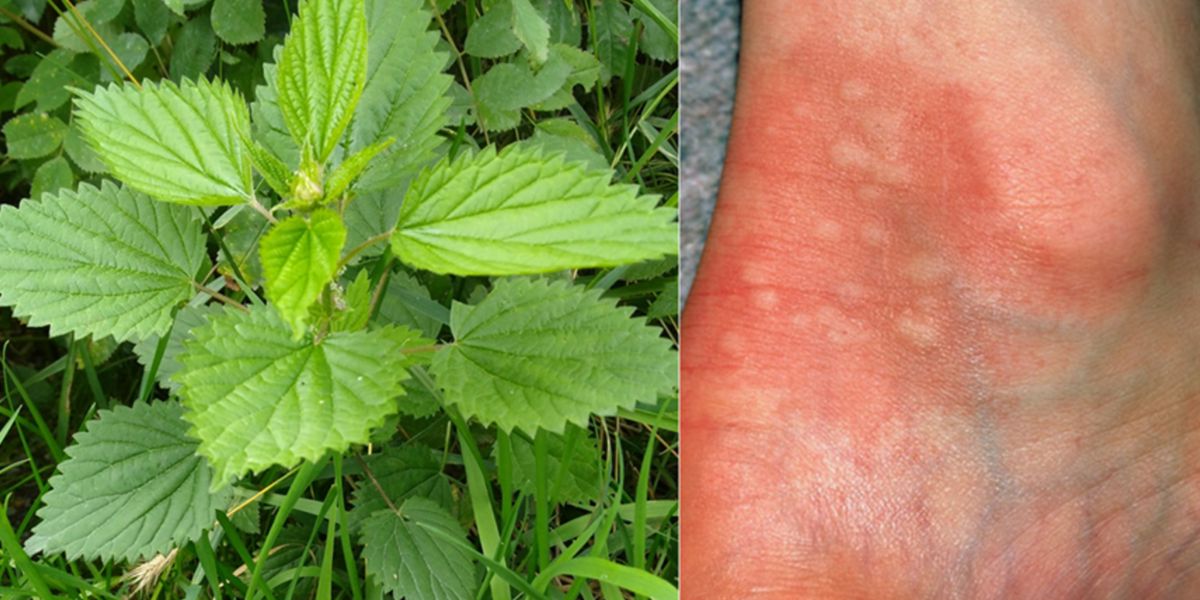
Ortiga (Urtica) on the left, contact skin rash on the right.
It’s a plant characterised by the dermal effects produced by contact with its leaves, which have microfilaments full of irritant substances such as histamine or hydroxytryptamine.
This is why the roots are the most commonly used plant structures for food supplementation: they lack these chemical compounds, and their irritant effect.
What is nettle root extract used for?
Nettle extract has traditionally been used for the treatment of asthma, hair growth, diabetes among other conditions.
Food supplements are not intended for the treatment of conditions that require medical attention; and such effects have not been scientifically validated.
Currently, the medicinal uses that are supported by clinical data, according to the World Health Organization monograph on medicinal plants, are:
“Symptomatic treatment of lower urinary tract disorders (nocturia, polyuria, urinary retention) resulting from stage 1 and 2 Benign Prostatic Hyperplasia (BPH) based on Alken, when the diagnosis of prostate cancer is negative” (2002)
What benefits does Nettle Root have?
Nettle root extract has been associated with positive effects on HBP due to its Beta-sitosterol content, a plant sterol typically found in the roots of the plant:
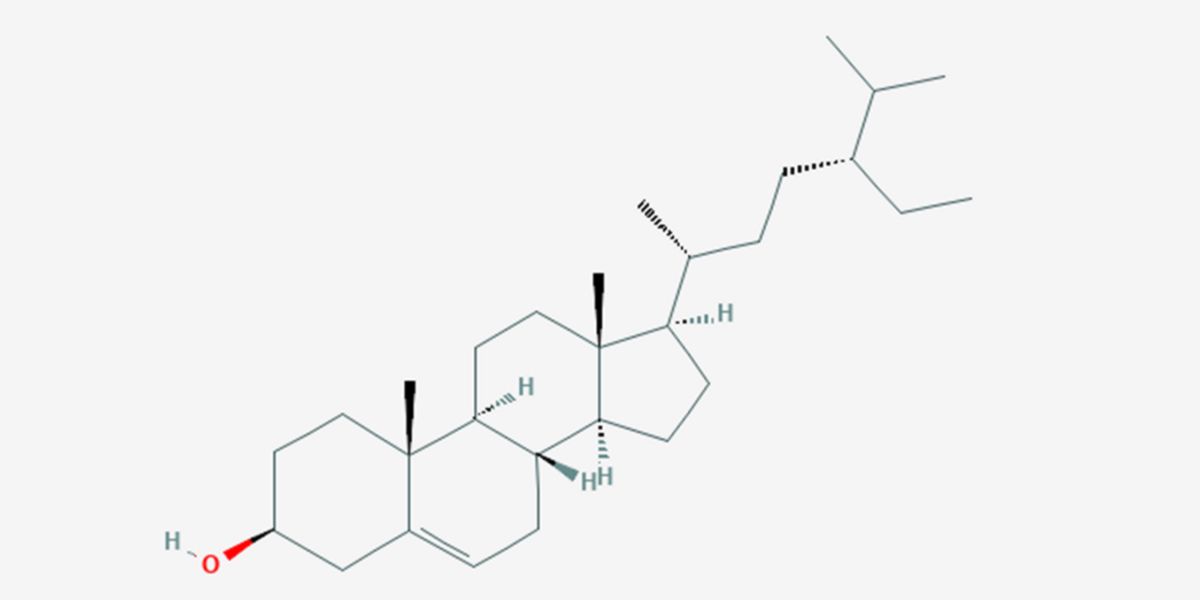
Chemical structure of beta-sitosterol.
In a trial conducted by Safarinejad (2005) on 620 patients aged 55-72 years with BPH, over 6 months, showed that nettle extract:
- Decreases the values of the international prostate symptom questionnaire.
- Increases peak urine flow.
- Decreases postmicturition residual urine volume.
Significantly different compared to placebo.
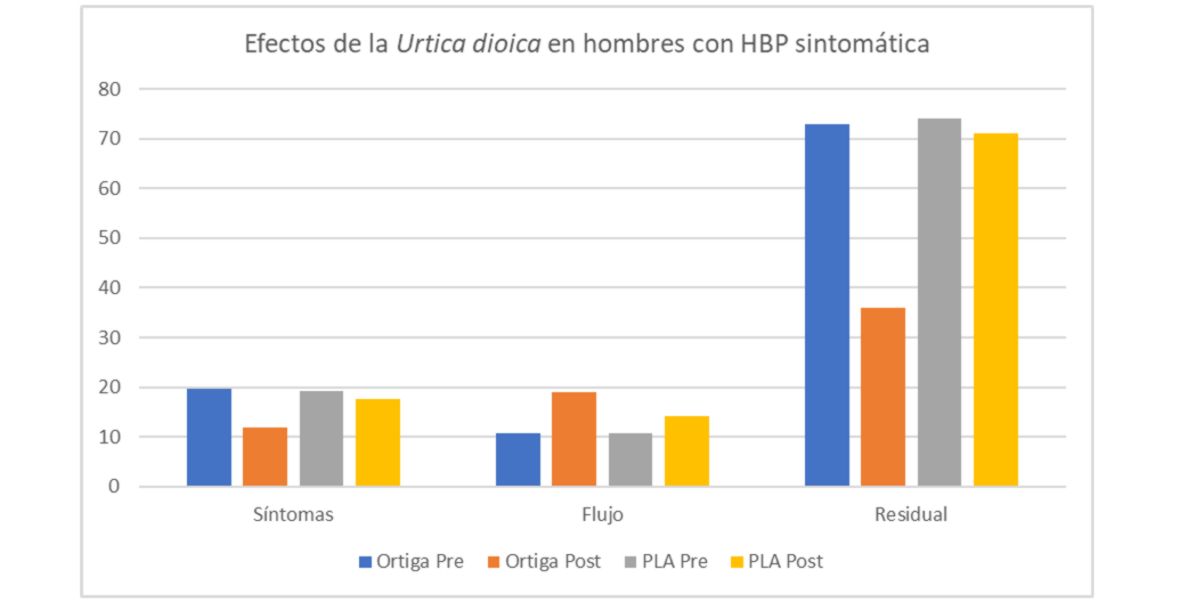
Graph of pre- (blue and grey) and post- (orange and yellow) 6-month changes in 3 variables (symptoms, peak urine flow, residual urine volume) of the nettle-treated group and the placebo group.
Beta-sitosterol: the star compound
Beta-sitosterol, also known as sitosterol, is a type of plant sterol (phytosterol), with a steroid structure, which is notable for its antilipidemic mechanisms of action.
Like other plant sterols, it’s capable of reducing blood cholesterol levels through daily consumption for at least two weeks, at doses of at least 2.5g.
Plant sterols, such as beta-sitosterol, decrease lipid absorption in the intestine, reducing the integration of these fatty acids into the micelles that pass into the blood. Sterols that are absorbed are pumped back into the intestine by ABCG-5/8 transporter proteins, and are eliminated in the faeces as unabsorbed cholesterol.
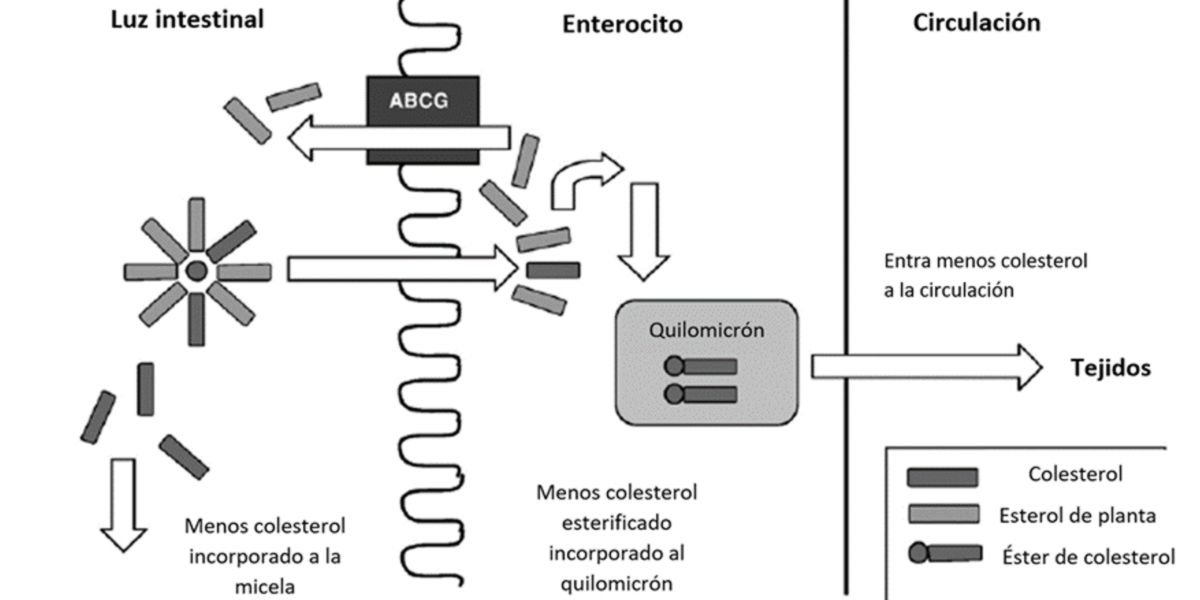
Mechanism of action by which phytosterols decrease cholesterol absorption (Marinageli et al., 2006).
Nettle extract and testosterone
Around 90% of testosterone is produced by the testes and the rest is produced by the adrenal glands.
Testosterone functions as an aphrodisiac hormone in brain cells and as an anabolic hormone in the development of bone and skeletal muscle.
When testosterone is bound, it’s still found in the body, however in conjunction with ‘SHBG’ it’s unable to produce any benefit.
This bound testosterone is useless.
As men age past the age of 45, the ability to bind testosterone with SHBG increases almost dramatically by almost 40% on average and coincides with loss of muscle mass and a decrease in libido among other symptoms.
This explains why some older men on testosterone replacement therapy do not report the desired effects.

This is because the testosterone administered rapidly binds with ‘SHBG.’
What role does nettle play?
Some of the active compounds within nettle include plant sterols, oleanol acids, acetylcholine, histamine, flavonol glycosides and a total of six different isolectins.
The six isolectins found in nettle are shown to inhibit the binding of testosterone to sex hormone binding globulin, or SHBG and may influence the blood level of free hormones, i.e. steroid hormones are displaced from their binding site with SHBG.
Contraindications
Nettle root has not been associated with significant adverse effects, except when topical contact (through the skin) is made with the leaves or fresh stems, due to its irritant properties. You can see that its use is contraindicated in cases of known allergy to plants of the Urticaceae family.
HSN Nettle Root Extract
HSN’s Nettle Root Extract has been developed from the root of the Urtica dioica L. plant, the most studied and commonly used species in clinical trials.
The extraction ratio of the EssentialSeries supplement is 5:1, which means that every 5 units of fresh nettle root are equivalent to 1 unit of dry extract of the product, or in other words, it’s 5 times more concentrated than in its native state.
The extract has been developed using a raw material standardised to 1% Beta-sitosterol, a type of plant sterol naturally present in the roots of the plant, and to which at least part of the effects traditionally attributed to the plant are associated.
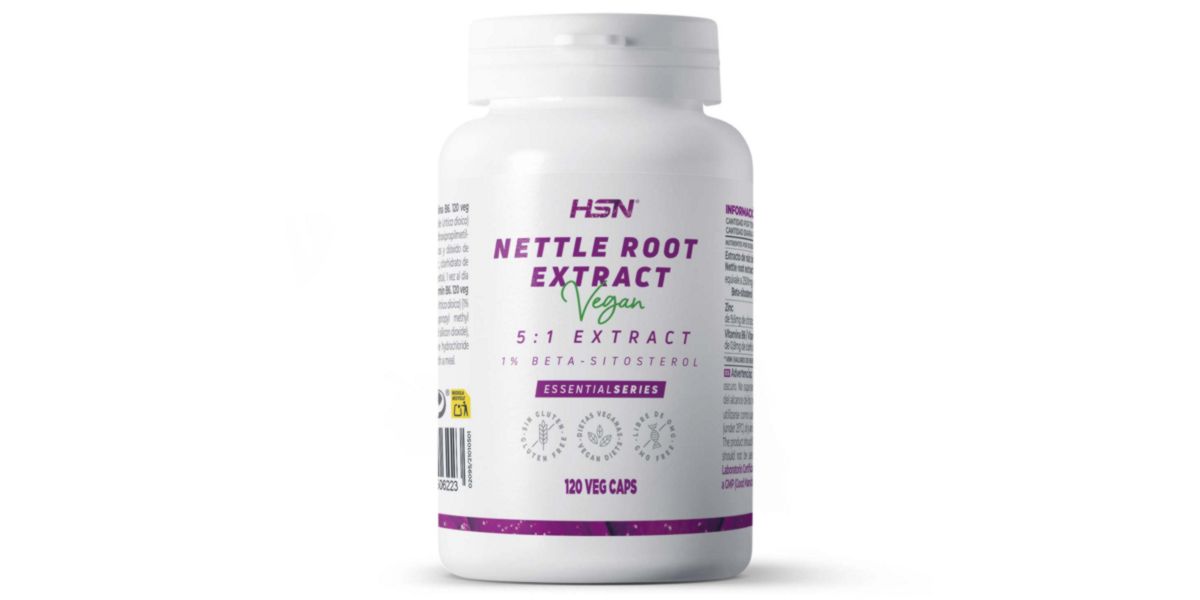
Each capsule of EssentialSeries Nettle Extract provides 5mg Beta-sitosterol.
In addition, it also contains a high concentration of Vitamin B6 and Zinc (in the form of Zinc citrate).
- This is because vitamin B6 contributes to the reduction of tiredness and fatigue, which makes it a vitamin of great nutritional importance for health.
- Zinc is a very important mineral, especially in men, as it contributes to the maintenance of normal levels of testosterone in the blood.
Also, this mineral is nutritionally indispensable in both sexes, and consuming foods that provide a source of it is essential for health.
Bibliographical references
- Safarinejad, M. R. (2006). Urtica dioica for treatment of benign prostatic hyperplasia a prospective, randomized, double-blind, placebo-controlled, crossover study. Journal of Herbal Pharmacotherapy, 5(4), 1–11.
- Urtica dioica; Urtica urens (nettle). Monograph. (2007). Alternative Medicine Review : A Journal of Clinical Therapeutic, 12(3), 280–284.
- World Health Organization. (2002). Who Monographs on Selected Medicinal Plants: 02 (Illustrated ed.). Ginebra, Suiza: World Health Organization.
- ELIXIR Core Data Resources. (2017). sitosterol (CHEBI:27693).
- Marinangeli, C. P. F., Varady, K. A., & Jones, P. J. H. (2006). Plant sterols combined with exercise for the treatment of hypercholesterolemia: Overview of independent and synergistic mechanisms of action. Journal of Nutritional Biochemistry, 17(4), 217–224.
Related Entries
- Do you know how to interpret a Plant Extract supplement label? We tell you here.
- Beta-ecdysterone and its anabolic role…. Dig deeper in this post.