 Fitness, Nutrition, Health and Sports Blog In the HSNstore Blog you will find tips about Fitness, sport in general, nutrition, and health – HSNstore.com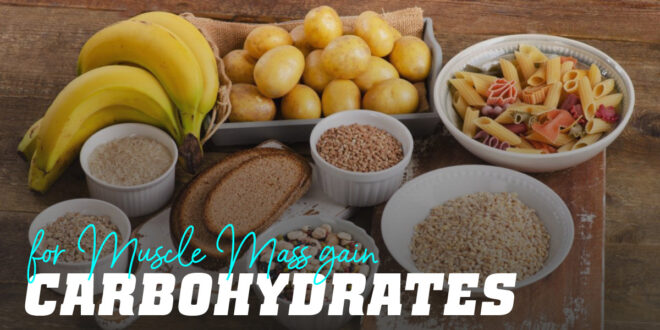

What’s the role of carbohydrates in gaining muscle mass and how should I include them in my diet?
Carbohydrates are a hugely important macronutrient in the diet of athletes, and many researchers have associated a low consumption of carbs with worse results in terms of gaining muscle mass.
Why are carbohydrates important for muscle mass?
Carbohydrates have an important indirect relation with muscle mass, as they are not a plastic nutrient, that’s to say, they’re not intended for the creation of new contractive muscle tissue, but they do have an effect on it.
They are different from proteins and fat, and affect body weight differently.

We accumulate glycogen in the muscles, which are nothing more than large branched polymers of thousands of units of bound glucose.
This glycogen acts as an energy store, and our muscles are releasing and using glucose from the branches to contract which training, which is important for performance.
The mechanism thought to underlie the proposal that very low-carb diets may adversely affect the body’s ability to produce force is thought to be mediated by altered calcium metabolism during muscle contraction, reducing nerve excitability. (Ørtenblad et al., 2011).

A decrease in strength conditions the weight we can lift in the gym and will make it harder for us to improve.
It’s important to consume at least a small amount of carbohydrates to maintain glycogen concentrations above the cut-off threshold from which this effect occurs.
Which carbohydrates help gain muscle mass?
All carbohydrates are good options for contributing to this positive effect on muscle tissue.
Even so, it is preferable that the vast majority of the carbohydrates we consume are based on glucose, such as cereal starches, as fructose is a sugar capable of filling the glycogen deposits of the liver more efficiently than glucose (Blom et al., 1987).
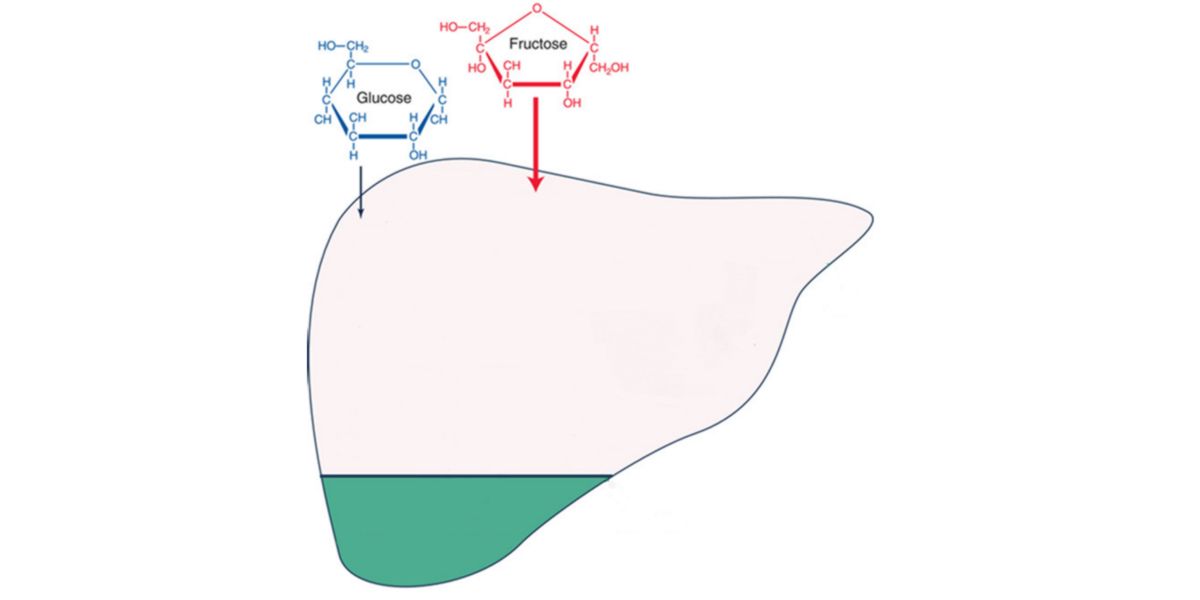
And vice versa, glucose more efficiently replenishes muscle glycogen (Conlee et al., 1987).
Foods with carbohydrates
As mentioned above, there are many foods rich in carbohydrates that can be useful for athletes.
Except in cases of high energy demand, such as:
- Ultra-endurance athletes.
- CrossFit® athletes with a high level of sports performance.
- Bodybuilders who perform double sessions, or similar.
It’s best to avoid the use of foods rich in simple carbohydrates or sugars, such as honey, sugary cereals and other ultra-processed foods as its easy to ingest an excess of calories using these products: by its palatability and its low ability to induce satiety.
The most recommended carbohydrates for athletes are:
- Pasta.
- Rice.
- Quinoa.
- Corn.
- Oats.
- Potatoes.
- Lentils.
- Beans.
- Maltodextin.
- Amylopectin.
- Cyclodextrin.
- Bread.
- Fruit.
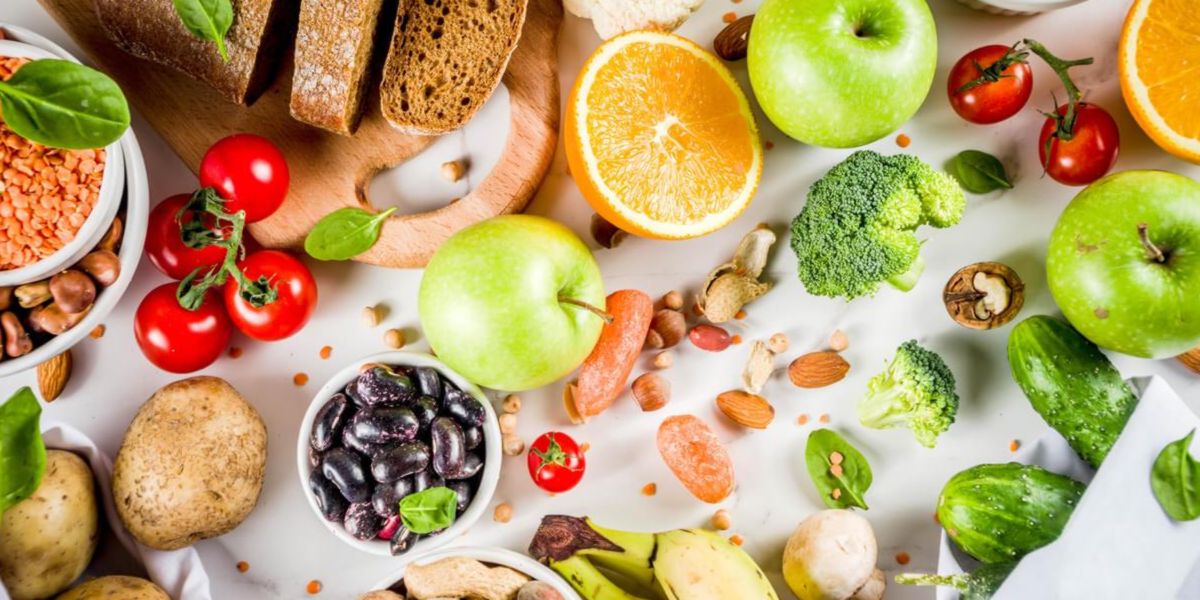
Sources of carbohydrates.
Proteins or carbohydrates for gaining muscle mass?
Protein is the nutrient most directly related to the development of the body’s muscle tissue, more than fat and carbohydrates.
About a fifth of our muscle fibres are made up of protein, and increasing your intake, along with a proper workout and rest, contributes to an increase in muscle mass:
According to data from the review by Morton et al. (2018), the amount of protein you should consume through the diet to optimise the body’s muscle mass gain is:
1.6 to 2.2 grams of protein per kilogram of body weight.
Conditions for building muscle
The main exogenous factors that determine muscle mass gain, without excessive accumulation of fat are:
- Training with loads.
- A high-protein diet.
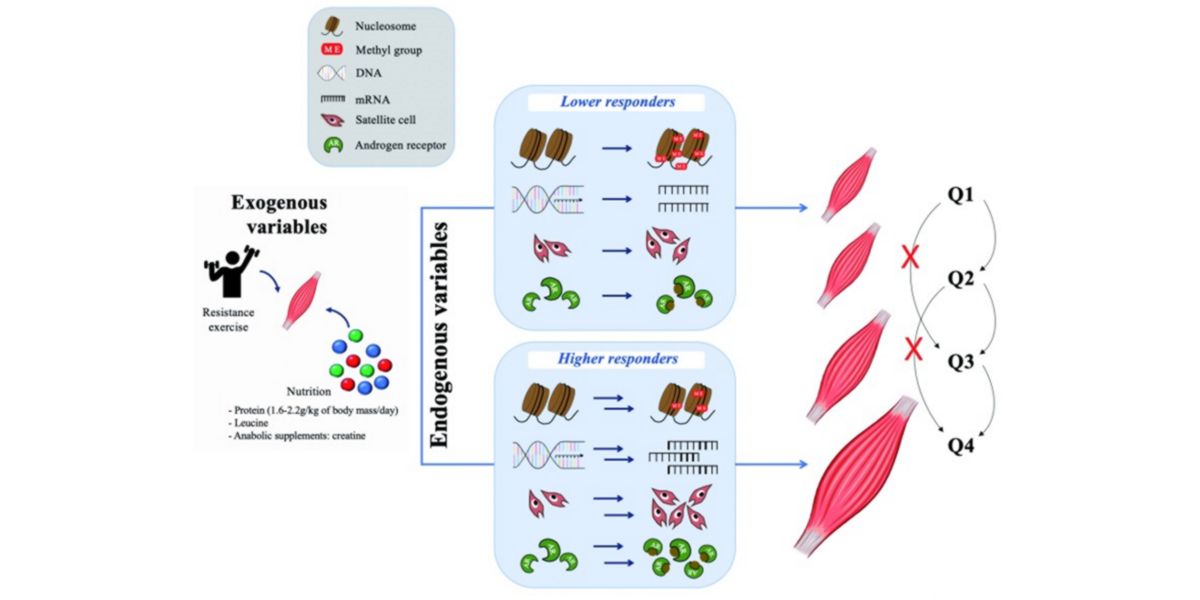
Tips for gaining muscle mass.
Bibliographic references
- Blom, P. C. S., Høstmark, A. T., Vaage, O., Kardel, K. R., & Mæhlum, S. (1987). Effect of different post-exercise sugar diets on the rate of muscle glycogen synthesis. Medicine and Science in Sports and Exercise, 19(5), 491–496.
- Conlee, R. K., Lawler, R. M., & Ross, P. E. (1987). Effects of glucose or fructose feeding on glycogen repletion in muscle and liver after exercise or fasting. Annals of Nutrition and Metabolism, 31(2), 126–132.
- Hengist, A., Koumanov, F., & Gonzalez, J. T. (2019). Fructose and metabolic health: governed by hepatic glycogen status? Journal of Physiology, 597(14), 3573–3585.
- Iraki, J., Fitschen, P., Espinar, S., & Helms, E. (2019). Nutrition Recommendations for Bodybuilders in the Off-Season: A Narrative Review. Sports, 7(7), 154.
- Joanisse, S., Lim, C., McKendry, J., Mcleod, J. C., Stokes, T., & Phillips, S. M. (2020). Recent advances in understanding resistance exercise training-induced skeletal muscle hypertrophy in humans. F1000Research, 9.
- Morton, R. W., Murphy, K. T., McKellar, S. R., Schoenfeld, B. J., Henselmans, M., Helms, E., … Phillips, S. M. (2018). A systematic review, meta-analysis and meta-regression of the effect of protein supplementation on resistance training-induced gains in muscle mass and strength in healthy adults. British Journal of Sports Medicine, 52(6), 376–384.
- ørtenblad, N., Nielsen, J., Saltin, B., & Holmberg, H. C. (2011). Role of glycogen availability in sarcoplasmic reticulum Ca2+ kinetics in human skeletal muscle. Journal of Physiology, 589(3), 711–725.
Related Entries
- Why should you consume Carbohydrates if you’re doing CrossFit? We tell you here.
- Carbohydrates before, during and after exercise… continue reading.