Fitness, Nutrition, Health and Sports Blog In the HSNstore Blog you will find tips about Fitness, sport in general, nutrition, and health – HSNstore.com

A few weeks ago on one of my social networks I read an article, no less than in the newspaper “El País”, claiming that bread was necessary for a healthy and balanced diet, something that has no basis at all and that I’m going to try to clear up in this post
Bread and the Daily Deception
Information?
It’s a bit surprising that a media outlet reaching so many people, like this newspaper, isn’t somehow supervised to prevent such blatant attempts to mislead people. It’s clear that there must be a special interest in treating this processed food so well and constantly lying to us across so many media outlets, shouting from the rooftops that you have to eat bread no matter what.
Surely more than one has seen the typical news saying that bread doesn’t make you gain weight, that bread is super healthy, that what makes you gain weight is what you put on the bread or spread on it, and these news stories are very common in news programs or “pseudo-health” segments on both public and private TV.
They sell you what you want to hear
Supposed health experts, and I say supposed because they have their degree nicely framed as they emphasize when introduced on the show, sell us the benefits of this food, and most people are thrilled to hear it because they are, or rather we are, so used to the “need” to eat bread at every meal that it’s a relief to hear it’s a “superfood” that helps us stay healthy and strong, which is far from the truth.

Bread Recommended by “Dietitians”
Sadly, bread is the food that fits almost every moment of the day, a nutritionally poor food, without which most people in this country wouldn’t know what to eat at many times, wouldn’t know how to make a proper snack or lunch without relying on this food. In fact, if someone has gone to a dietitian-nutritionist, they will have prescribed bread in the diet, a food that could have been avoided to make the diet more balanced and real foods more abundant over processed ones, because yes, bread is a processed food.
My Diet by a Doctor
Moreover, most diets I’ve seen from specialists in the field don’t even usually differentiate between whole wheat and white bread (mind you, I’m generalizing, I’m sure there are great nutritionists who don’t follow these guidelines). Although the bread sold as whole wheat really isn’t, since the base is refined flour, with some whole wheat, rye, or bran flour.
Nutritional Density of Bread
As we said before, bread is a poor food, and although defenders of this superfood will jump at me saying only white bread is poor, whole wheat isn’t better than any real food like fruit, vegetables, animal protein, or greens.
How to Know the Nutrient Density of a Food
When we say bread is a poor food, we base it on its nutritional density, which gives us an idea of the nutrient contribution per calorie of food, and we’ll always choose foods with more nutrients in fewer calories.
ANDI System (Aggregate Nutrient Density Index)
We should prioritize those in the lower right area of the charts: lots of nutrients and few calories. Dr. Fuhrman developed the ANDI system (Aggregate Nutrient Density Index – Aggregate Nutrient Density Index) which highlights foods that are highly nutritious by their nutrient density.
Less Calories + More Fullness + More Nutrients
If we choose foods with higher nutrient density, you’ll automatically maximize nutrient intake while minimizing calorie intake, increasing fullness while eating less and thus minimizing calories while prioritizing nutrients (macro and micros).
Most Nutritious Foods
In summary, to know how to choose foods with higher nutrient density, it’s important to know that non-starchy vegetables (all those that can be eaten raw) are at the top of the list, such as kale, spinach, arugula, lettuces, carrots, broccoli, cauliflower, asparagus, mushrooms, tomatoes, etc. To make it clearer, we can see a small thermometer with some foods shown on the Nutritional Engineering website.
Body Weight and Bread Intake Relationship
Overweight
Another important aspect is the issue of overweight due to bread intake, since you’ve probably heard hundreds of times on some “health” program or news that bread doesn’t make you gain weight, and anyone with common sense knows this makes little sense, but let’s see what studies say about this claim.
4-Year Study
We’ll focus on a study including both observational and intervention data over 4 years in our country called “changes in bread consumption and 4-year changes in adiposity in Spanish subjects at high cardiovascular risk” (3), which repeatedly evaluated eating habits each year using multivariate models calculating long-term weight changes and waist circumference in relation to white and whole grain bread consumption adjusted for energy.
Study Results
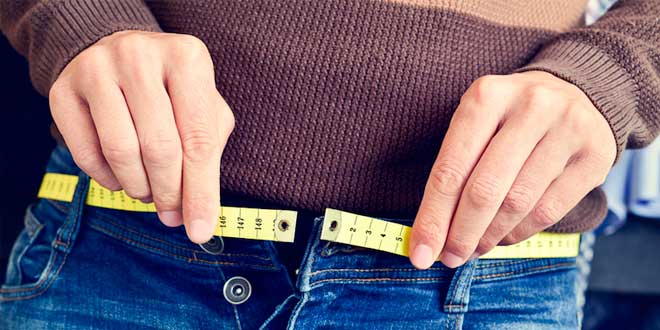
The results showed that over 4 years those who ate the most bread gained more weight and increased waist circumference more than those who ate less bread. Also, those who reduced bread consumption from the high white bread consumption group had a 33% reduction in weight (> 2 kg) and a 36% reduction in waist circumference (> 2 cm).
Low-Carb Diets
For many years low-carb diets have been demonized, and even now they’re not well regarded by most nutrition professionals, although some more updated ones see that not all that glitters is gold in high-carb diets (>50% carbs) and don’t object to diets controlling carbs and reducing bread intake.

The big problem is society still bases its nutrition on “what it sees on TV”, what it reads in newspapers or hears on the radio, and in these media the battle against LowCarb diets is still going strong, following the almost unanimous advice that you have to eat bread because it’s “our savior” (note the irony).
Better Health Status
If we review some meta-analyses and clinical trials published (7,8,9 and 10) on low-carb diets, both for weight loss and improving cholesterol and cardiovascular risk, they rank among the best scientific evidence available. We can sum them all up in this phrase:
“According to scientific studies based on clinical trials, low-carb diets don’t increase cardiovascular risk or worsen lipid profiles but could actually improve that risk”
Conclusion
We could close this post with a simple phrase like “Don’t be fooled, bread isn’t necessary” which surely sounds familiar, mainly because it’s the title of this entry, but if you’ve made it this far, I don’t think you need much more to know that you don’t have to eat bread, you can live without that addiction imposed for years in our society, and if you do eat it, you should opt for whole wheat breads (mind you, truly whole wheat) without overdoing it.
But you… can you live without bread?
Sources
- Ruiz E, Ávila JM, Castillo A, Valero T, del Pozo S, Rodriguez P, Aranceta-Bartrina J, Gil A, GonzálezGross M, Ortega RM, Serra-Majem Ll, Varela-Moreiras G. Energy Intake, Profile, and Dietary Sources in the Spanish Population: Findings of the ANIBES Study. Nutrients, 2015;7:4739-4762; doi:10.3390/nu7064739
- Example of nutritional density from the dietapaleo.org website
- Changes in bread consumption and 4-year changes in adiposity in Spanish subjects at high cardiovascular risk. Bautista-Castaño I1, Sánchez-Villegas A, Estruch R, Martínez-González MA, Corella D, Salas-Salvadó J, Covas MI, Schroder H, Alvarez-Pérez J, Quilez J, Lamuela-Raventós RM, Ros E, Arós F, Fiol M, Lapetra J, Muñoz MA, Gómez-Gracia E, Tur J, Pintó X, Ruiz-Gutierrez V, Portillo-Baquedano MP, Serra-Majem L; PREDIMED Study Investigators. Br J Nutr. 2013 Jul 28;110(2):337-46. doi: 10.1017/S000711451200476X. Epub 2012 Dec 3.
- The effects of equal-energy portions of different breads on blood glucose levels, feelings of fullness and subsequent food intake. Holt SH1, Brand-Miller JC, Stitt PA. J Am Diet Assoc. 2001 Jul;101(7):767-73.
- A new insight into food addiction in childhood obesity. Keser A1, Yüksel A, Yeşiltepe-Mutlu G, Bayhan A, Özsu E, Hatun Ş. Turk J Pediatr. 2015 May-Jun;57(3):219-24.
- The acute impact of ingestion of sourdough and whole-grain breads on blood glucose, insulin, and incretins in overweight and obese men. Mofidi A1, Ferraro ZM, Stewart KA, Tulk HM, Robinson LE, Duncan AM, Graham TE. J Nutr Metab. 2012;2012:184710. doi: 10.1155/2012/184710. Epub 2012 Feb 28.
- Very-low-carbohydrate ketogenic diet v. low-fat diet for long-term weight loss: a meta-analysis of randomised controlled trials. Bueno NB1, de Melo IS, de Oliveira SL, da Rocha Ataide T. Br J Nutr. 2013 Oct;110(7):1178-87. doi: 10.1017/S0007114513000548. Epub 2013 May 7.
- Effects of a low-carbohydrate diet on weight loss and cardiometabolic profile in Chinese women: a randomised controlled feeding trial. Liu X1, Zhang G, Ye X, Li H, Chen X, Tang L, Feng Y, Shai I, Stampfer MJ, Hu FB, Lin X. Br J Nutr. 2013 Oct;110(8):1444-53. doi: 10.1017/S0007114513000640. Epub 2013 Mar 25.
- Effects of low-carbohydrate diets versus low-fat diets on metabolic risk factors: a meta-analysis of randomized controlled clinical trials. Hu T1, Mills KT, Yao L, Demanelis K, Eloustaz M, Yancy WS Jr, Kelly TN, He J, Bazzano LA. Am J Epidemiol. 2012 Oct 1;176 Suppl 7:S44-54. doi: 10.1093/aje/kws264.
- Systematic review and meta-analysis of clinical trials of the effects of low carbohydrate diets on cardiovascular risk factors. Santos FL1, Esteves SS, da Costa Pereira A, Yancy WS Jr, Nunes JP. Obes Rev. 2012 Nov;13(11):1048-66. doi: 10.1111/j.1467-789X.2012.01021.x. Epub 2012 Aug 21.
Related Posts
- Boost your immune system to the max with the Autoimmune Protocol
- Diabetes: The Disease of the 21st Century