Fitness, Nutrition, Health and Sports Blog In the HSNstore Blog you will find tips about Fitness, sport in general, nutrition, and health – HSNstore.com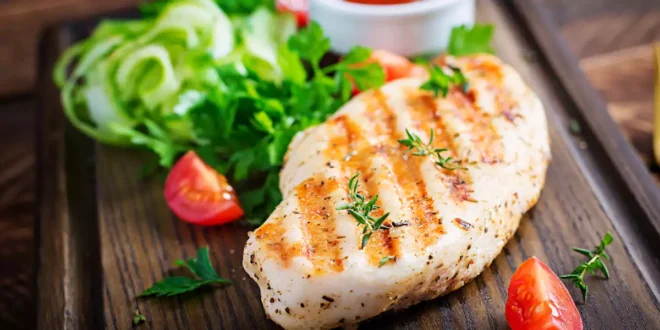

Every 100 grams of raw chicken breast contain approximately 23 grams of protein.
✔️ Complete protein.
✔️ Low in fat.
✔️ Ideal for fat loss or muscle gain.
This makes chicken one of the foods with the best protein-to-calorie ratio.
Chicken protein by serving size
| Chicken Amount | Protein (approx.) |
|---|---|
| 100 g | 23 g |
| 150 g | 34 g |
| 200 g | 46 g |
| 250 g | 57 g |
? Perfect for calculating your daily macros easily.
Chicken nutritional value per 100g of breast
| Nutrient | Amount |
|---|---|
| Calories | 110 kcal |
| Protein | 23 g |
| Fat | 1 g |
| Carbohydrates | 0 g |
? Conclusion: high-protein and very low-fat food.
Chicken vs other protein sources
| Food | Protein per 100 g |
|---|---|
| Beef | 20–22 g |
| Egg | 13 g |
| Salmon | 20 g |
| Lentils | 9 g |
Chicken stands out for being:
✔️ Leaner.
✔️ Easier to digest.
✔️ More versatile.
Amino acids provided by chicken
| Amino Acids | Per 100 g |
|---|---|
| BCAAs (branched-chain amino acids) | ~4 g |
| EAAs (essential amino acids) | ~9 g |
| Glutamine | ~3.5 g |
Chicken provides all essential amino acids, meaning your body can use this protein efficiently, so:
✔️ Supports muscle recovery
✔️ Helps maintain muscle mass
✔️ Ideal for athletes
Why is chicken a high-quality protein?
Chicken provides all essential amino acids, meaning your body can use this protein efficiently.
Chicken is a source of white meat, such as poultry (e.g., chicken or rabbit). It is very low in fat, making it a lean protein source.
The difference compared to red meat lies, as the name suggests, in the color: red meat has a higher myoglobin content, which are cells responsible for transporting oxygen to tissues through the bloodstream.
Another point to highlight is the lower cholesterol content of these meats compared to red meat, and in addition to being lower in calories, this is why they are widely used in weight-control diets.
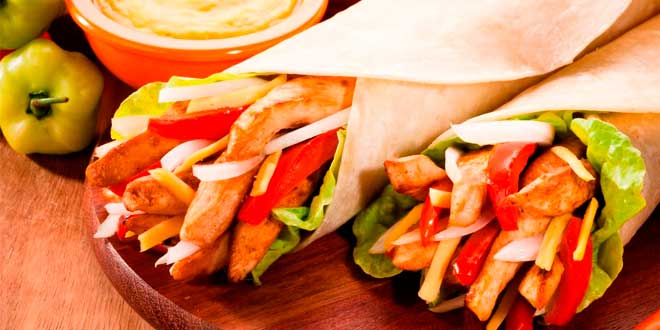
How to cook chicken without getting bored (key to sticking to your diet)
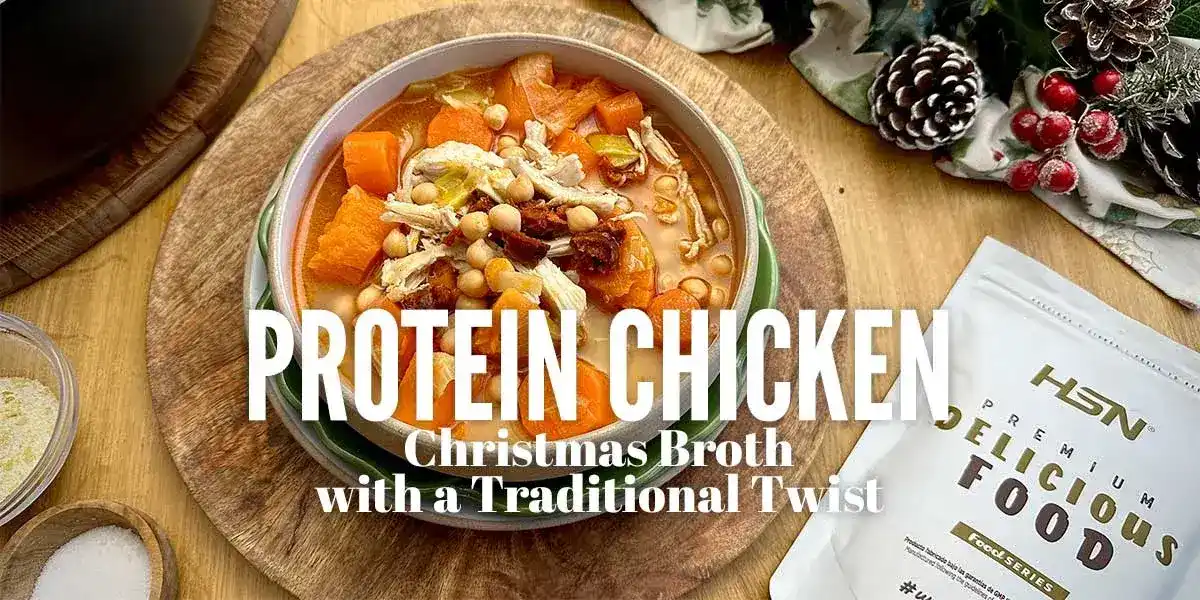
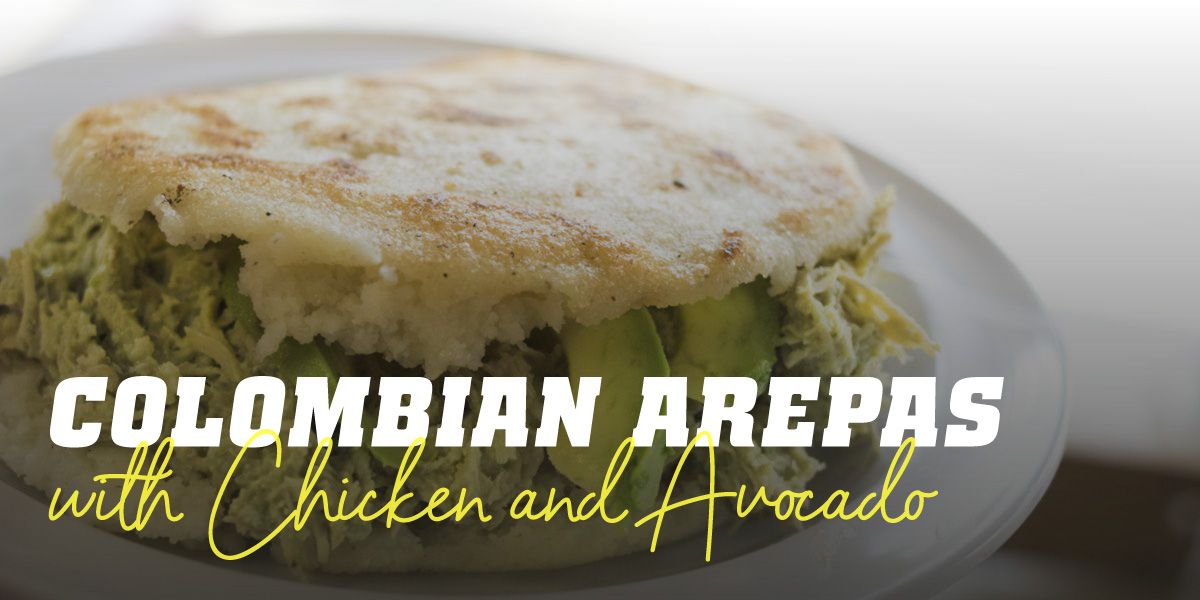
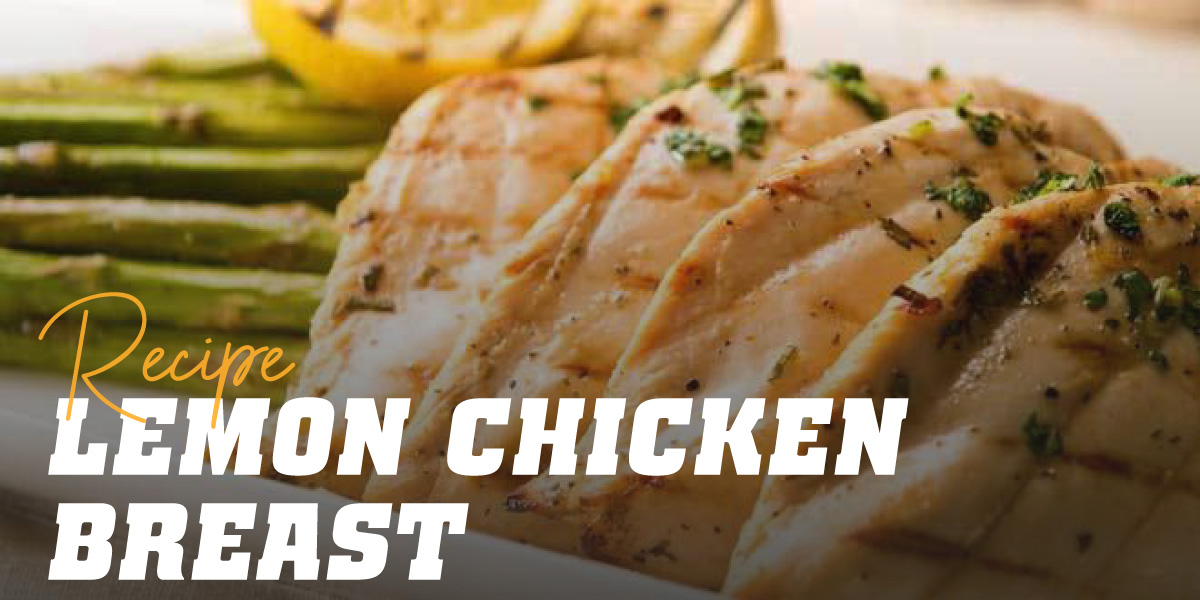
One of the biggest mistakes is always eating it the same way. Here are healthy alternatives to enjoy it in your daily diet:




Chicken protein FAQ
How much protein is in 150 g of chicken?
Approximately 34–35 g of protein.
Is chicken a complete protein?
Yes, it contains all essential amino acids.
Which part of chicken has the most protein?
The breast is highest in protein and lowest in fat.
Does chicken lose protein when cooked?
Protein is not lost, but water is, which is why the weight changes.
Is chicken better than red meat?
It depends, but chicken is usually lower in fat and easier to digest.
Does chicken make you gain weight or help you lose weight?
Chicken itself does NOT cause weight gain. It depends on:
- How you cook it.
- Quantity.
- Overall diet.
✔️ Grilled → great for fat loss
❌ Fried → increases caloriesIs chicken better than protein supplements?
It depends on the context:
Chicken:
✔️ Natural food
✔️ Filling
✔️ Complete nutritionProtein powder:
✔️ Fast absorption
✔️ Convenient
✔️ Ideal post-workout? The ideal approach is to combine both.
Related Posts
- Don’t miss Benefits of eating chicken meat
- 5 Tasty Chicken Recipes
- Chicken Satay, make this delicious recipe at home
- Delicious stuffed mushrooms with chicken recipe
- How much protein does fish have?
- How much protein does meat have?