Fitness, Nutrition, Health and Sports Blog In the HSNstore Blog you will find tips about Fitness, sport in general, nutrition, and health – HSNstore.com

Adopting healthy habits for brain health is essential to keep a sharp mind and prevent cognitive decline. Benefits include better memory, increased concentration, reduced risk of neurodegenerative diseases like Alzheimer’s, and improved mood.
Activities such as a balanced diet, regular exercise, adequate sleep, mental stimulation, and stress management not only optimize brain performance but also promote a longer and healthier life.
Taking care of the brain is essential for optimal quality of life and overall well-being!
- Maintain a balanced diet
- Exercise regularly
- Sleep 8 hours daily
- Stimulate your mind
- Manage stress
- Stay adequately hydrated
- Maintain positive social relationships
- Avoid harmful substances
- Reduce screen time
- Get controlled sun exposure
- Develop hobbies and pastimes
1. Maintain a balanced diet
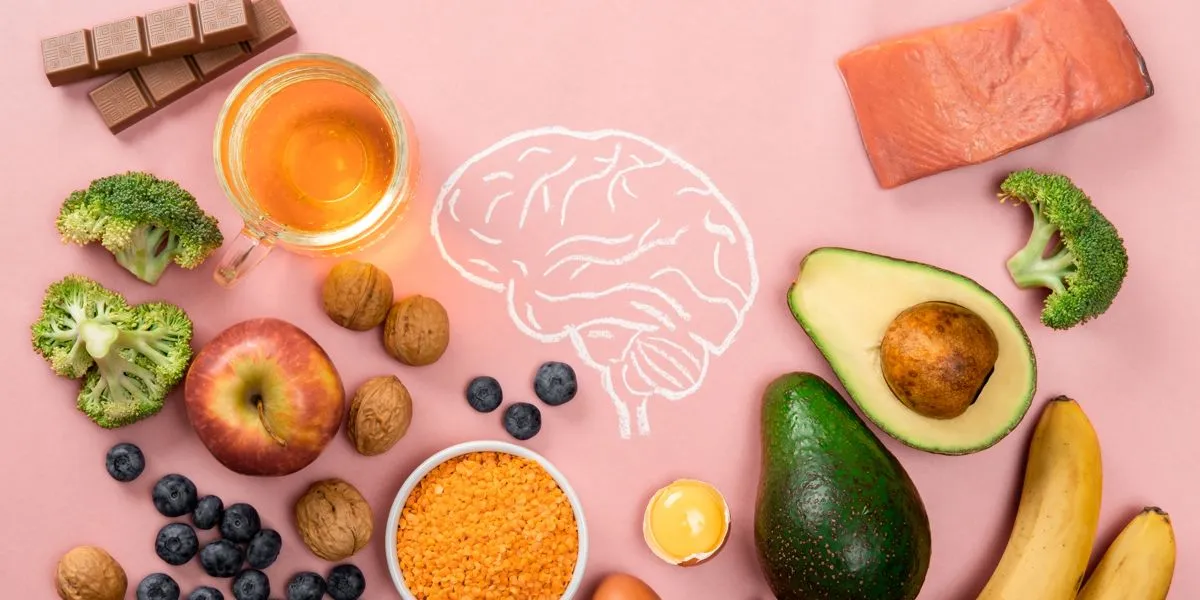
A balanced diet is crucial for brain health, as it provides the necessary nutrients for optimal brain function and the prevention of neurodegenerative diseases. Below are the benefits of some key foods for cognitive health:
Omega-3 Fatty Acids
Found in fatty fish like salmon, mackerel, and sardines, as well as in walnuts and chia seeds, they are essential for the structure and function of brain cells. Omega-3s:
- Improve communication between neurons.
- Reduce brain inflammation.
- Help protect against cognitive decline.
Antioxidants in Fruits and Vegetables
They combat oxidative damage in the brain. Benefits include:
- Berries (strawberries, blueberries, raspberries): Contain flavonoids that improve memory and delay cognitive aging.
- Leafy green vegetables (spinach, kale): Rich in vitamin K, lutein, and folic acid, they help maintain brain health and can improve memory and concentration.
Other Cognitive Health-Promoting Foods
- Walnuts and seeds: Rich in vitamin E and healthy fats that protect brain cell membranes.
- Turmeric: Contains curcumin, which has anti-inflammatory and antioxidant properties that can help improve memory and stimulate the production of new brain cells.
- Dark chocolate: Contains flavonoids, caffeine, and antioxidants that improve memory and concentration.
- Avocado: An excellent source of monounsaturated fats, which promote brain health by improving blood flow.
2. Exercise regularly
Regular physical exercise offers numerous benefits for brain health, contributing to improved cognitive function and the prevention of neurodegenerative diseases. Below are the specific benefits of aerobic exercise and strength and balance exercises:
| Benefits of Aerobic Exercise |
|
| Benefits of Strength Exercises |
|
| Benefits of Balance Exercises |
|
3. Sleep 8 hours daily
Quality sleep is essential for optimal brain function, as many vital processes for brain health and overall well-being occur during sleep.
Why is sleep important for brain health?
- Memory consolidation: During sleep, the brain processes and consolidates information acquired during the day, turning experiences into lasting memories.
- Toxin elimination: The brain’s lymphatic system activates during deep sleep, removing toxins and waste that accumulate during wakefulness, helping to prevent neurodegenerative diseases.
- Mood regulation: Adequate sleep regulates neurotransmitter and stress hormone levels, improving mood and reducing anxiety and depression.
- Restoration and repair: During sleep, the body and brain repair and regenerate, promoting cellular health and cognitive function.
What happens if I don’t get enough sleep?
- Cognitive impairment: Lack of sleep negatively affects attention, decision-making, memory, and reaction time.
- Risk of neurodegenerative diseases: Chronic sleep deprivation is associated with an increased risk of developing diseases like Alzheimer’s and other forms of dementia.
- Mental health issues: Lack of sleep increases the risk of mood disorders such as depression and anxiety.
- Reduced performance: Academic, work, and athletic performance are affected due to reduced cognitive and physical capacity.
Tips for improving sleep quality
- Establish a sleep routine: Going to bed and waking up at the same time every day helps regulate the biological clock.
- Create a sleep-friendly environment: Keep the bedroom dark, quiet, and at a comfortable temperature. Use comfortable mattresses and pillows.
- Limit screen exposure: Avoid using electronic devices at least an hour before bedtime, as blue light can interfere with melatonin production.
- Avoid stimulants: Reduce caffeine, nicotine, and alcohol consumption, especially in the hours before bedtime.
- Practice relaxation techniques: Meditation, deep breathing, and yoga can help relax the body and mind before sleep.
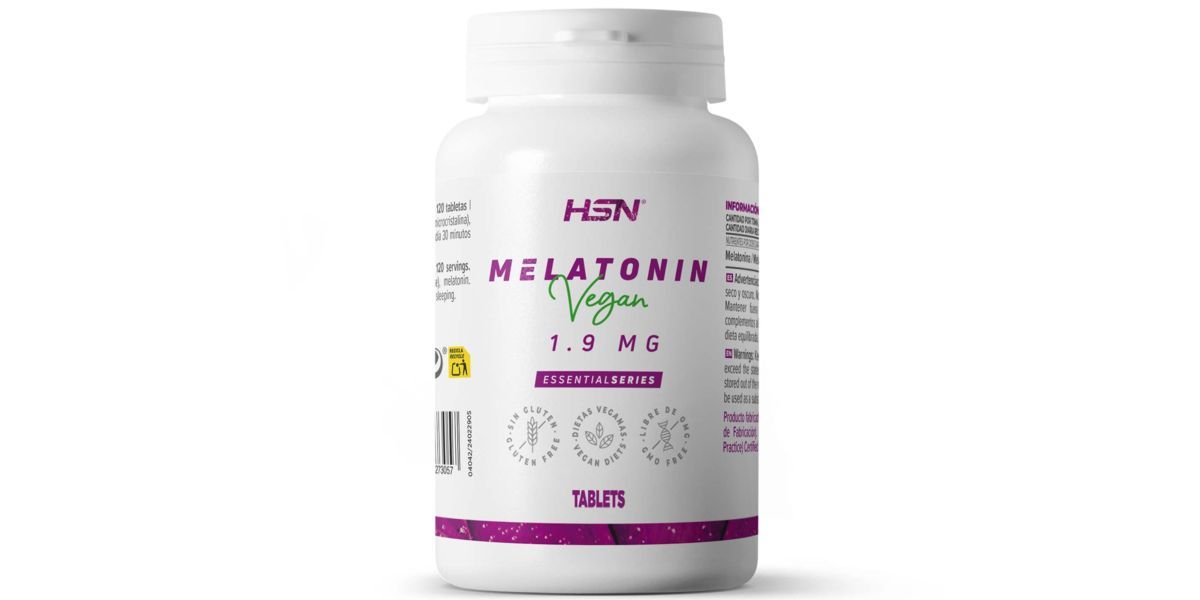
- Take melatonin supplements: Consider using melatonin to regulate the sleep cycle, especially in cases of insomnia or jet lag.
4. Stimulate your mind
Keeping the mind active and healthy is crucial for cognitive well-being and preventing mental decline throughout life. Here are some effective strategies and activities to stimulate the mind:
- Read regularly: Reading improves concentration, memory, and general knowledge. Reading books, articles, and magazines keeps the brain active and fosters imagination and critical thinking.
- Solve puzzles and mental games: Activities like crosswords, Sudoku, puzzles, and board games stimulate the mind, improve problem-solving skills, and foster memory and logic.
- Learn new skills: Learning something new, such as playing a musical instrument, learning a new language, or cooking a different recipe, creates new neural connections and improves brain plasticity.

5. Manage stress
Managing and reducing stress is essential to maintaining mental and emotional balance and preventing long-term health problems, including these benefits:
- Improves mental health: Reduces anxiety and depression.
- Increases resilience: Improves the ability to handle difficult situations.
- Promotes physical well-being: Reduces blood pressure, improves sleep quality, and strengthens the immune system.
- Improves relationships: Reduces irritability and improves communication skills.
We recommend the following techniques:
Deep Breathing
Deep breathing is a simple yet powerful technique that can calm the mind and reduce stress in minutes. It reduces heart rate, lowers blood pressure, and promotes a sense of calm.
How to do it: Inhale deeply through the nose, allowing the abdomen to expand. Exhale slowly through the mouth. Repeat this process for a few minutes.
Aromatherapy
Aromatherapy uses essential oils derived from plants to improve emotional and physical well-being. It relieves anxiety, improves sleep, and promotes relaxation.
How to do it: Use a diffuser to disperse essential oils like lavender, peppermint, or eucalyptus in the environment. You can also apply diluted oils to the skin or add them to bathwater.
Mindfulness and Meditation
Mindfulness is the practice of being fully present in the moment, while meditation involves focusing and calming the mind. It improves attention, reduces stress and anxiety, and increases emotional resilience.
How to do it: Find a quiet place, sit comfortably, and close your eyes. Focus on your breathing or a mantra. Practice for 5-10 minutes a day.
We suggest incorporating a dietary supplement with Stress Care which contains adaptogenic ingredients like Ashwagandha that modulate daily stress, promoting a better mood:

Stress Care by EssentialSeries
6. Stay adequately hydrated
Hydration is crucial for brain health, as the brain is mostly composed of water and depends on adequate hydration to function optimally. Here’s why staying hydrated benefits you:
- Cognitive function: Staying hydrated helps improve attention, reaction time, and problem-solving skills.
- Brain temperature regulation: Adequate hydration ensures the brain maintains an optimal temperature for its functioning.
- Toxin elimination: Proper hydration promotes brain cleansing and prevents the buildup of toxins that can affect brain function and increase the risk of neurodegenerative diseases.
- Neurotransmitter and hormone production: Adequate hydration helps maintain the brain’s chemical balance, improving mood and reducing stress and anxiety.
Here are some simple tips to carry out this beneficial action for your health:
- Drink water regularly: At least 8 glasses of water a day, adjusting according to your individual needs and level of physical activity. Use tracking apps or set alarms to remind you to drink water throughout the day.
- Consume healthy beverages: Besides water, consider consuming other healthy beverages such as herbal infusions, lemon water, coconut water, and caffeine-free teas. These beverages not only hydrate but also provide additional nutrients.
- Eat water-rich foods: Such as fruits (watermelon, strawberries, melon) and vegetables (cucumber, lettuce, celery). These foods help maintain hydration and provide essential vitamins and minerals.
- Avoid dehydrating beverages: Reduce the consumption of beverages that can cause dehydration, such as alcohol and caffeinated drinks (coffee, strong tea, sodas).
- Hydrate before and after exercise: Drink water before, during, and after exercise to compensate for fluid loss through sweat. You can add mineral salts to compensate for sweat losses:

Social interactions play a crucial role in mental health and brain well-being. Social relationships not only offer emotional support but also provide cognitive stimuli essential for brain health. Below are some of the benefits of social relationships and examples of group activities that promote brain health.
- Benefits of social relationships for the brain: Social interactions involve communication, problem-solving, and empathy, which are complex cognitive activities that can strengthen neural connections.
- Stress reduction: Social relationships can act as a buffer against stress. Emotional support from friends and family helps reduce cortisol levels, the stress hormone.
- Improved mood: Participating in social activities can increase the production of neurotransmitters like serotonin and dopamine, which are essential for good mood and cognitive function.
To improve this aspect, here are some examples of group activities:
- Educational classes and workshops: Participating in language classes, art courses, or writing workshops not only promotes continuous learning but also fosters social interaction. Example: Taking a ceramics class at a local community center.
- Book clubs: Joining a book club involves discussing books, which can improve cognitive skills and foster new friendships. Example: A monthly book club at the local library.
- Group exercise: Group physical activities, such as yoga classes, Pilates, or organized walks, offer physical benefits and the opportunity to socialize. Example: Participating in a weekly walking group in the park.
- Volunteering: Volunteering offers purpose and the opportunity to connect with others, which can improve emotional and cognitive well-being. Example: Helping at a community kitchen or a non-profit organization.
- Clubs and societies: Joining clubs that share common interests, such as gardening, chess, or photography clubs, fosters camaraderie and collaborative learning. Example: Being part of a chessclub at a university or cultural center.
8. Avoid harmful substances
Alcohol and tobacco use has significant consequences for brain health, both short and long term:
| Alcohol | Tobacco | |
| Short-term consequences |
|
|
| Long-term consequences |
|
|
As you can see, consuming these substances brings no good. Instead, we propose establishing good habits, such as regular exercise, maintaining a healthy diet with plenty of fruits and vegetables, as well as employing certain stress-relief techniques or maintaining active social relationships.
9. Reduce screen time
Although we live in the technological age, excessive use of electronic devices, such as mobile phones, tablets, and computers, can have several negative effects on brain health:
- Sleep problems: Prolonged exposure to blue light from screens can interfere with melatonin production, a hormone that regulates sleep, causing insomnia and poor sleep quality.
- Reduced attention and concentration: Constant use of devices can lead to lower attention span and concentration problems. Digital multitasking can impair the ability to focus on a single task for extended periods.
- Stress and anxiety: Excessive use of social media and constant digital availability can increase stress and anxiety levels due to overstimulation and the pressure of being always connected.
- Impact on mental health: Overexposure to negative or stressful content online can contribute to feelings of depression and anxiety. Constant comparison with others on social media can also affect self-esteem and mental well-being.
To mitigate the consequences of excessive use of these devices, follow these recommendations:
- Set time limits.
- Create tech-free zones.
- Engage in alternative activities.
- Disable notifications.
- Establish healthy digital routines.
- Practice mindfulness techniques.
- Encourage face-to-face social interactions.

10. Get controlled sun exposure
Vitamin D, primarily known for its role in bone health, also has important benefits for brain health:
- Improves cognitive function: It participates in the regulation of gene expression in the brain, influencing synaptic plasticity and neuroprotection. Studies have shown that adequate vitamin D levels are associated with better cognitive performance and a reduced risk of cognitive decline and dementia.
- Reduces the risk of neurodegenerative diseases: Vitamin D deficiency has been linked to a higher risk of developing neurodegenerative diseases such as Alzheimer’s and Parkinson’s. Vitamin D may have neuroprotective and anti-inflammatory effects that help prevent these disorders.
- Regulates mood: Vitamin D influences the production of serotonin, a neurotransmitter that regulates mood. Low vitamin D levels have been associated with an increased risk of depression and mood disorders.
To achieve optimal vitamin D levels through safe sun exposure: Exposing yourself to the sun for 10-30 minutes, several times a week, may be sufficient for most people. Latitude, season, and skin type can affect vitamin D production, so it is more advisable to get sun exposure in the late morning hours. Darker-skinned people need more exposure time to produce the same amount of vitamin D as lighter-skinned people.
Vitamin D-rich foods: Consume foods like fatty fish (salmon, mackerel, tuna), beef liver, cheese, egg yolks, and fortified foods (milk, cereals, juices).
Vitamin D supplements: They can be an effective option, especially for those at risk of deficiency or with little sun exposure. The recommended dose varies but generally suggests 2000-4000 IU per day for adults, with possible adjustments based on individual needs.

Vitamin D3 2000 IU by EssentialSeries
11. Develop hobbies and pastimes
Engaging in activities that challenge the brain can improve synaptic plasticity, facilitating the formation of new neural connections. This helps maintain and improve cognitive functions. Hobbies act as an escape from daily stress, promoting relaxation and reducing levels of cortisol, the stress hormone.
Pleasurable and creative activities can increase the production of neurotransmitters such as dopamine and serotonin, improving mood and combating depression and anxiety.
Engaging in hobbies that involve social interaction can strengthen communication skills and foster new friendships, which also benefits mental health.
Examples of beneficial hobbies:
- Reading.
- Physical exercise.
- Gardening.
- Playing an instrument.
- Crafts and art.
- Board games and puzzles.
Lion’s Mane Extract (15:1) 300mg
HSN Supplements for brain care
Products designed to improve cognitive function, memory, creativity, motivation, and overall brain health. These supplements usually contain a combination of vitamins, minerals, antioxidants, amino acids, and other natural substances that support brain health.
While a balanced diet rich in fruits, vegetables, lean proteins, and healthy fats is essential, supplements can fill any nutritional gaps and ensure the brain receives all the necessary nutrients to function optimally.
Within the HSN catalog, we suggest using Brain Care, formulated with a range of ingredients, such as:
- Natural nootropic.
- Cholinergic functionality to stimulate neurotransmitter synthesis.
- Optimization of synaptic plasticity.
- Delays cognitive decline with age.
- Improves alertness and attention.
- Enhances neuromuscular transmission, allowing skeletal muscle contraction.

Related Posts
- Best Vitamins To Boost Concentration and Memory
- Mental Training for Athletes
- How to Train the Mind for Competition?
- The Relationship between Exercise and Mental Health