Fitness, Nutrition, Health and Sports Blog In the HSNstore Blog you will find tips about Fitness, sport in general, nutrition, and health – HSNstore.com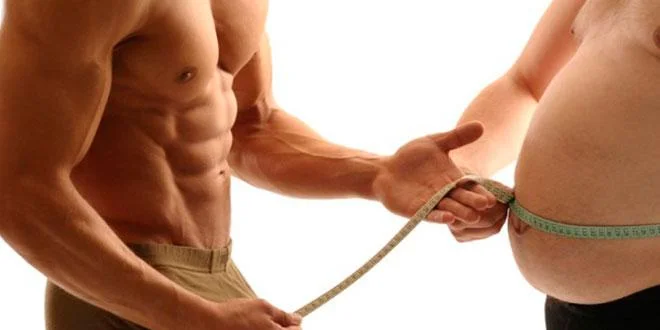

Body fat and muscle are two completely different tissues. They have different structures and functions, respond to training in different ways, and, in a nutshell, one can’t turn into the other.
Composition and functions
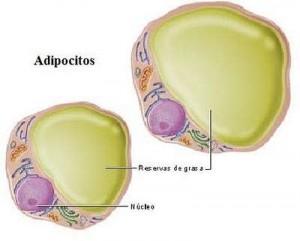 Adipose tissue is a specialized connective tissue dominated by connective cells called adipocytes.
Adipocytes store energy in the form of triglycerides. Due to the low density of these molecules and their high caloric value, adipose tissue is very efficient at energy storage.
It also serves to insulate the body and protect organs, as well as to produce hormones important in regulating appetite.
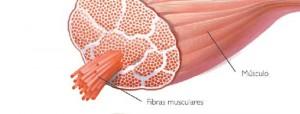 Muscle tissue is made up of muscle fibers or myocytes.
It makes up roughly 40% to 45% of human body mass and is specialized in contraction, which allows living beings to move. It’s also responsible for stabilizing posture, and serves as a source of energy and heat.
Loss/Gain
Losing or gaining body fat is totally linked to calories, and how much you have is directly influenced by calories consumed versus calories burned. Calories consumed obviously come from the food we eat.
It’s important to realize that when we eat any type of food in excess, whether carbs, protein, or fat, it turns into body fat. You can’t lose fat from just one spot. Fat loss happens all over the body at once.
Your body stores fat to use as fuel, and when you start a weight loss program, your body burns fat from all areas so one part doesn’t get depleted. That’s because fat also acts as insulation, and your body doesn’t want to leave any area without thermal insulation.
Although muscle mass gains or losses are also closely tied to calorie intake and expenditure, changes within muscles are also influenced by the normal stresses placed on each one individually.
These stresses can come from work related to activity, daily tasks, aerobic activity or strength training. The key factor is that muscle will only respond if the stress placed on it exceeds the daily stress it’s used to. Unlike fat, each muscle can grow specifically, so you can choose the exact area you want to improve.
Density
 You’ve probably heard that fat weighs less than muscle, but technically that’s not right. A kilo is a kilo—whether it’s a kilo of fat, muscle, or feathers.
It’s more accurate to say fat is less dense than muscle, which means:
A kilo of fat takes up more space in the body than a kilo of muscle.
Two people can be the same height and weight, but the one with a higher body fat percentage will wear a bigger clothing size.
Since muscle is denser than fat, muscle weighs more than fat if you compare two portions of the same size. On average, fat density is 0.9 g/ml. Muscle density is 1.1 g/ml. 1 liter of muscle weighs 1.06 kg, or 2.3 pounds, while 1 liter of fat weighs 0.9 kg, or 1.98 pounds.
Metabolic Rate
Muscles are metabolically more active than fat. A pound of muscle (453 g) burns about 6.5 calories per hour. Muscles burn 5.5 times more calories than fat. A pound of fat burns about 1.2 calories per hour.