 Fitness, Nutrition, Health and Sports Blog In the HSNstore Blog you will find tips about Fitness, sport in general, nutrition, and health – HSNstore.com

There are tons of studies showing a positive link between playing sports and physical and mental health benefits. The perks of physical exercise on psychological well-being show up as better subjective health, improved mood, and reduced depression, anxiety, or stress, plus a boost in self-esteem…
Sports and Happiness
Doing sports not only improves physical condition and endurance. Besides helping you lose weight, exercise enables a healthier life mentally and greater confidence. It also boosts your immune system, protecting you against viruses and bacteria.

Why enjoy it alone? Better together!
Psychological Benefits of Sports
Endorphins are a group of peptide hormones produced in the brain’s pituitary gland, with effects similar to opiate drugs, offering pain relief and pleasure. In other words, when released, they raise your body’s pain threshold and make you feel emotionally better.

The psychological benefits of sports mainly come from a chemical process triggered by this activity. When we put our muscles under effort, the nervous system releases endorphins
There are several things you can do to release endorphins and boost your mood, like any type of physical activity, whether high or low intensity, because it creates an immediate feeling of well-being and relaxation.
They also block nerve fibers that transmit pain, generating analgesia and sedation.
How Does Sports Affect Mood?
According to the U.S. Department of Health and Human Services (1996), the amount of physical-sport activity influences health states more than the intensity of the activity.

In fact, it seems you don’t need vigorous physical activity to improve health effects, but the duration matters.
For example, the American College of Sports Medicine (ACSM) (1999) recommends exercising with a “frequency” of 3-5 days per week to achieve significant improvements in anxiety disorders, with a “duration” of 20-60 minutes per session, or enough to burn between 200 and 300 kilocalories. The “intensity” should match each person’s fitness level, though healthy exercise is usually between 50% and 85% of maximum oxygen consumption.

Research shows that participating in physical-sport activities increases fitness, and this well-being state positively impacts people’s mood.
Physical Exercise to Fight Depression
Depression is one of the disorders most affecting the global population. Causes are endless, and symptoms include sadness, insomnia, chronic fatigue, poor eating habits, and distress.

Team sports seem to have a positive effect on mental health because they trigger endorphin release, reducing anxiety, depression, and stress
Sports are an excellent option to tackle these issues, not only because of their impact on hormone and neurotransmitter production but also due to the chance to practice with others, outdoors, and in countless ways.
Sports and Neurotransmitter Release
Physical-sport activity also triggers the release of neurotransmitters like serotonin, dopamine, and noradrenaline. These molecules are known to be involved in emotions:
- Dopamine is linked to rewarding emotions like joy, confidence, enthusiasm, optimism, satisfaction, calmness, and vitality.
- Serotonin is closely related to controlling emotional expression, regulating anxiety, anger, joy, guilt, frustration, sadness, enthusiasm, optimism, patience, courage, fear, etc.
- Noradrenaline creates a favorable environment for attention, learning, sociability, sensitivity to emotional cues, and sexual desire.

So, you can reach a state of euphoria thanks to these “natural painkillers” or “happiness hormones”
Various studies have shown the influence of exercise on these brain neurotransmitters:
- High serotonin levels produce calmness, patience, self-control, sociability, adaptability, and stable mood.
- High dopamine levels relate to good mood, initiative, motivation, and sexual desire.
- High noradrenaline levels improve emotional memory, alertness, and sexual desire. Also, increased body temperature can lead to relaxation and better mood.
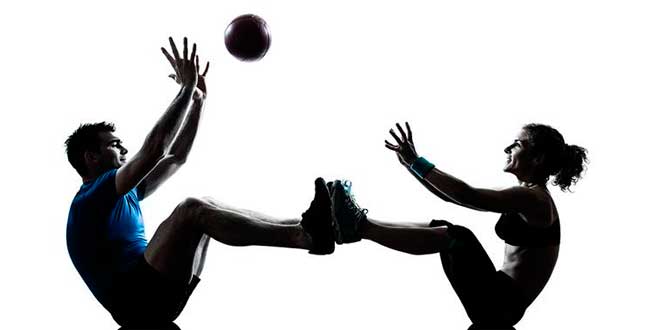
No doubt, sports are directly linked to keeping a good mood
- Men do more physical-sport activity than women and consequently report feeling better emotionally.
- People aged 18 to 24 are the most active physically and show better physical and emotional states than others.
Practical Tips and Goals
- Make the decision and sign up: The first step is the most important. Don’t hesitate or make excuses. Signing up for a gym or special classes helps keep schedules and socialize with others.
- Choose the right sport: Finding an activity you enjoy and find fun helps both enjoyment and commitment to keep going.
- Set easy goals: No need for radical or huge initial changes. You can start at home with small routines, go for a run, or just walk to the supermarket or work.
- Listen to music: Music is the best companion for activities. It’s stimulating, motivating, and helps clear your mind.
- Find company: Whether it’s your partner, a family member, or a stranger, sharing sports helps commitment and allows exchanging feelings and ideas.
- Adjust your overall routine: Besides sports, it’s good to gradually change your diet and mood throughout the day. Getting motivated and eating right will complement exercise, bringing health and mood benefits.

Your body’s balance depends not only on good physical function but also on psychological stability and mental health.
Sports are a key tool to ensure those psychological benefits by stimulating endorphin function and improving the athlete’s image and confidence.
Plus, doing it with others, outdoors, or listening to music can make those benefits show up even faster.
Sources
- Arruza, J. A.; Arribas, S.; Gil De Montes, L.; Irazusta, S.; Romero, S. and Cecchini, J.A. (2008). Effects of the Duration of Physical-Sport Activity on Psychological Well-being. International Journal of Medicine and Science of Physical Activity and Sport vol. 8 (30) pp. 171-183
- http://cdeporte.rediris.es/revista/revista30/artrepercusiones83.htm