Fitness, Nutrition, Health and Sports Blog In the HSNstore Blog you will find tips about Fitness, sport in general, nutrition, and health – HSNstore.com

When we talk about mental training, we’re referring to all actions and tools that we use to improve our capacity for concentration, focus, and the management and control of emotions that help us cope with the requirements of the activity we are carrying out.
Being able to control situations and possible eventualities during a sporting event, competition or training will determine its success.
Importance to the athlete
There are countless authors and coaches who point out the great difference between those athletes who are able to control certain emotions during a sporting event (anger, excitement, exaltation, etc.) and those who are not able to control certain situations, losing focus on the game or competition.
The development and improvement of mental processes, mental and psychological qualities becomes a cornerstone for professional sportsmen and women in order to develop their full potential.
Maintaining optimal levels of motivation allows us to continue our training programmes without ups and downs and to be able to perform at our best during training sessions and/or competitions.
Advantages
Establishing certain daily habits to improve our mentality, control emotions and external or internal factors, as well as cognitive skills that cause discomfort or anxiety, will allow us to cope better with certain situations and relativise many others, minimising the negative effects of poor emotional control.
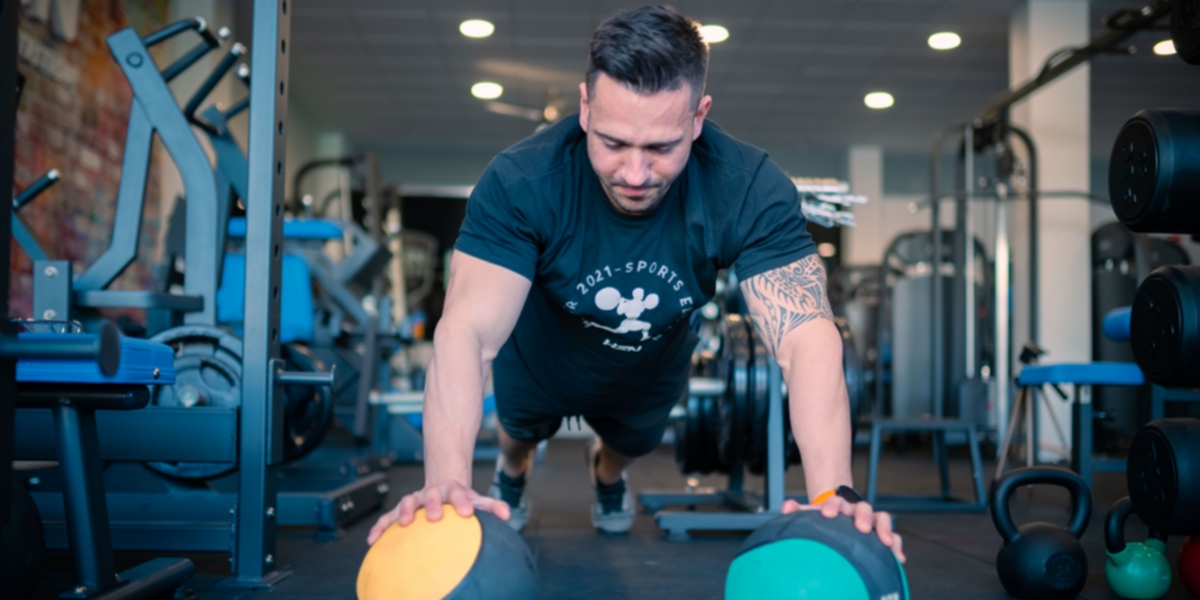
To be able to improve attention and focus during training.
It allows a better development of the same and, therefore, a direct improvement in the connections at neuronal level with a positive effect on the development of our motor skills and strength gains, for example.
How to do mental training?
Here are 3 practical exercises for mental training, the purpose of which is to work synergistically between our body and mind.
Remember, our Body-Mind are a whole.
With my athletes, for example, we try to include specific sessions to improve concentration, attention, and relaxation prior to training. This helps us create the perfect environment for optimal training performance.
Subvocal training
This practice is essentially based on mentally going over the movements, exercise sequences, the task we’re going to perform. It’s a way of repeating internally what and how the task is carried out, from start to finish.
We create our own “Jiminy Cricket”.
Perception training
In this practical exercise, we will be “looking at ourselves from the outside”, i.e. as if we were the spectator of ourselves.
In these cases, recall is important.
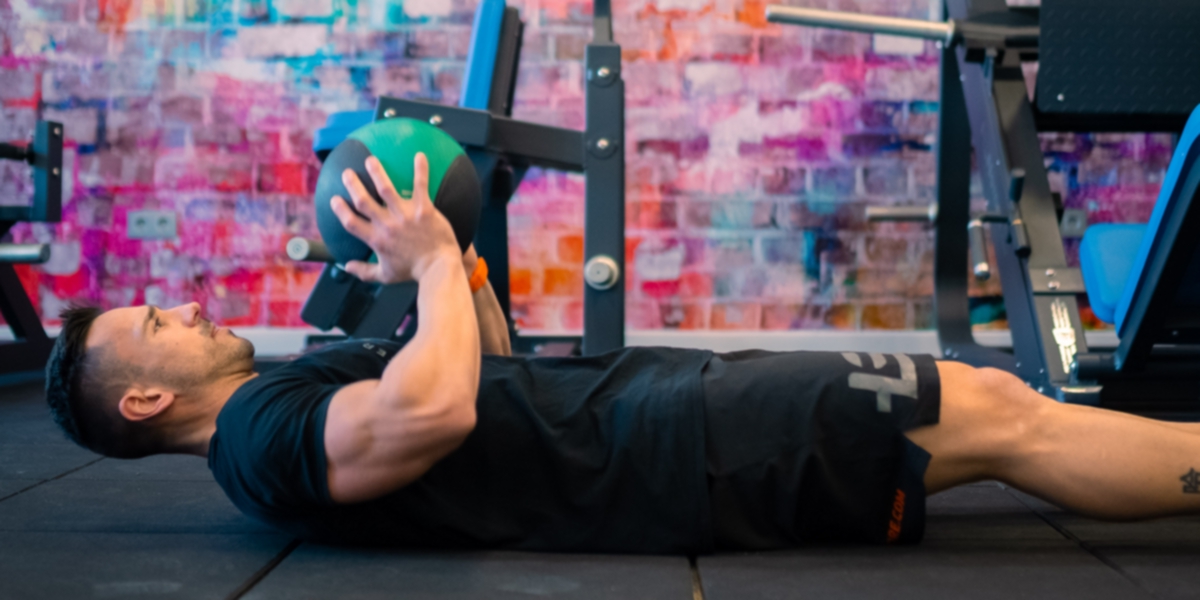
This practice allows us to observe how we do it more objectively and to make corrections and adjustments in each case, taking into account environmental conditions.
Ideomotor training
Without a doubt, this practice is the one I use the most with my athletes and I find it vital to improve the skills and technical execution of each exercise. It is about feeling the movement to its fullest extent.
It works from an internal perspective.
Other aspects of mental training
Like any other exercise in your training programme in any of the sport disciplines, you should include these new habits progressively and evaluate what works best for you. Pay attention to the following mental exercises:
- Don’t forget to create your space in time and environment to be able to work better on these new mental skills.
- These new habits will not only improve your athletic performance, but also your quality of life.
Related Entries
- In a previous article, we shared other mental training techniques that can help you create a full programme of exercises to train your mind and improve your performance.