Fitness, Nutrition, Health and Sports Blog In the HSNstore Blog you will find tips about Fitness, sport in general, nutrition, and health – HSNstore.com

Did you know that when you go to the market, you are surrounded by foods rich in beta-carotene? Yes, this substance is the star component of many food products likely in your shopping basket.
We can broadly divide natural sources of beta-carotene into 3 groups:
- Fruits with yellow or orange tones, like peaches, oranges, persimmons, or apricots
- Green leafy vegetables, like Swiss chard, spinach, watercress, lettuce, or broccoli
- Vegetables, like carrots, red peppers, pumpkins, or tomatoes
Which Foods Have the Highest Beta-Carotene Content?
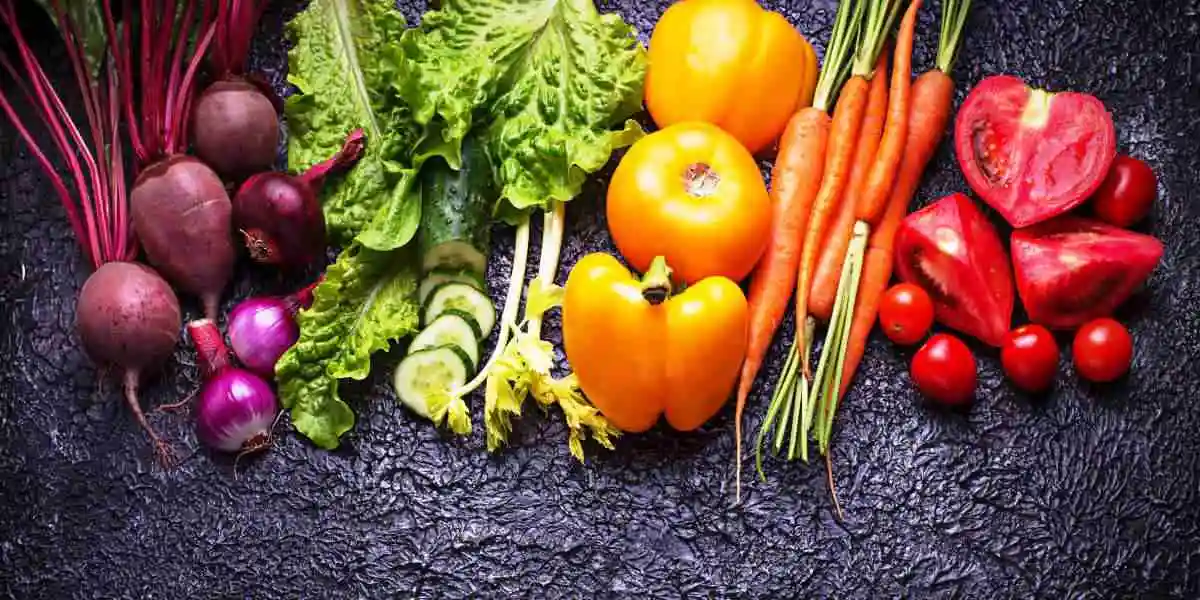
Not to be ‘numerus clausus’, as the list of foods containing ß–carotene would be too long to include here. However, we have compiled a list of those that provide the highest amount of this carotenoid.
| Food | Beta-Carotene Content (ppm or micrograms/g) |
| Carrot | 673 |
| Watercress | 560 |
| Beetroot | 468 |
| Pepper | 460 |
| Peanut | 360 |
| Kale | 345 |
| Parsley | 267 |
| Persimmon | 253 |
| Green bean | 245 |
| Fennel | 241 |
| Endive | 240 |
| Coriander | 228 |
| Radish | 214 |
| Cantaloupe | 200 |
| Lettuce | 190 |
| Bearberry (uva ursi) | 172 |
| Celery | 144 |
Chloroplasts in green vegetables facilitate photosynthesis, with carotenoids varying in fruits depending on the species. Although they provide less vitamin A than retinol, their presence in plants and some animal foods is crucial for health. The ß-carotene, in particular, has anti-ageing and anti-cancer benefits, notably in preventing prostate cancer.
Can Beta-Carotene Be Taken?
Major health authorities recommend prioritising food beta-carotene over supplements, although the latter are useful when a balanced diet is not achieved, especially in certain pathological conditions.
Five pieces of fruit and one serving of vegetables (mainly green) daily provide between 6 and 10 g of this carotenoid, positively impacting health.
Beta-carotene food supplements available are classified into water-based and oil-based, with the latter being more efficient in terms of oral absorption.
| Group | Recommended Dose |
| Adults (general) | 25,000 IU daily (15 mg/day) |
| Intake with no additional benefit | Up to 100,000 IU (60 mg/day) |
| Dermatological conditions | Up to 180 mg/day |
| Children 4-8 years | 1,300 IU |
It is crucial to consider that the absorption capacity of beta-carotene depends on various factors, including individual metabolism and the presence of fat in the digestive system.
References
- Son SH, Yang SJ, Jeon HL, Yu HS, Lee NK, Park YS, Paik HD. Antioxidant and immunostimulatory effect of potential probiotic Lactobacillus paraplantarum SC61 isolated from Korean traditional fermented food, jangajji. Microb Pathog. 2018 Oct 17. pii: S0882-4010(18)30423-6. doi: 10.1016/j.micpath.2018.10.018.
- Prasad M, Takkinen HM, Uusitalo L, Tapanainen H, Ovaskainen ML, Alfthan G, Erlund I, Ahonen S, Åkerlund M, Toppari J, Ilonen J, Knip M, Veijola R, Virtanen SM. Carotenoid Intake and Serum Concentration in Young Finnish Children and Their Relation with Fruit and Vegetable Consumption. Nutrients. 2018 Oct 17;10(10). pii: E1533. doi: 10.3390/nu10101533.
- Hummel M, Talsma EF, Van der Honing A, Gama AC, Van Vugt D, Brouwer ID, Spillane C. Sensory and cultural acceptability tradeoffs with nutritional content of biofortified orange-fleshed sweetpotato varieties among households with children in Malawi. PLoS One. 2018 Oct 18;13(10):e0204754. doi: 10.1371/journal.pone.0204754. eCollection 2018.
- Wu J, Ji X, Tian S, Wang S, Liu H. Ectopic expression of a Citrus kinokuni β-carotene hydroxylase gene (chyb) promotes UV and oxidative stress resistance by metabolic engineering of zeaxanthin in tobacco. 3 Biotech. 2018 Nov;8(11):450. doi: 10.1007/s13205-018-1440-7. Epub 2018 Oct 15.
Entradas Relacionadas
- Foods with the Most Vitamin C
- Foods with the Most Vitamin D
- Foods with the Most Folic Acid
- Foods with the Most Vitamin B12