Fitness, Nutrition, Health and Sports Blog In the HSNstore Blog you will find tips about Fitness, sport in general, nutrition, and health – HSNstore.com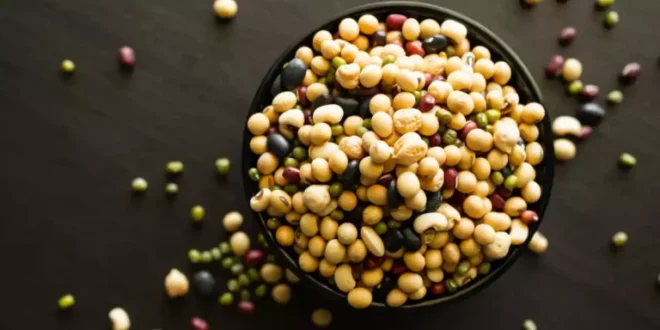

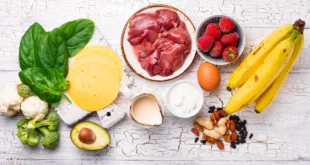
Foods rich in folic acid (vitamin B9), such as green leafy vegetables (spinach, chard), legumes (lentils, beans, chickpeas), citrus fruits, nuts (almonds, walnuts), and fortified products (cereals, pasta), provide not only folate but also fiber, minerals, and other essential micronutrients that support cell formation and energy metabolism.
Below is a table showing the foods richest in folic acid, expressed per 100 g of edible portion, to help you plan a balanced diet.
| Raw Food | Vitamin B9 Content (µg per 100 g) | Function |
|---|---|---|
| Brewer’s Yeast | >1000 | Improves nervous system function, red blood cell production, and tissue regeneration. |
| Agar Seaweed | 580 | Improves insulin metabolic management, helps eliminate cholesterol, promotes satiety. |
| Chicken Liver | 580 | Repairs epidermal tissues, increases blood clotting. |
| Lentils | 479 | Helps form red blood cells, reduces the risk of neural tube defects during pregnancy, and supports brain function. |
| Chickpeas | 400 | Contributes to cardiovascular health, supports digestion due to fiber content, and aids in weight management. |
| White Beans | 388 | Prevents anemia, energy-rich food, high in fiber. |
| Soybeans | 370 | Rich in protein, strengthens the immune system. |
| Brown Rice Flakes | 333.4 | Source of fiber and iron, helps prevent iron-deficiency anemia. |
| Wheat Germ | 330 | Improves cellular metabolism, reduces cholesterol, helps prevent certain cancers, balances pH and blood pressure. |
| Dark Green Leafy Vegetables | 140–267 | Wound healing, regulates heart rhythm, strengthens the immune system. |
| Beef Liver | 240.2 | Source of iron, vitamin A and B12, improves vision. |
| Spinach | 194 | Supports eye health, improves blood quality, and strengthens the immune system. |
| Green Asparagus | 150 | Antioxidant, improves bone health, reduces cholesterol. |
| Broccoli | 108 | Rich in vitamins K and C, helps tissue repair and the immune system, and provides anticancer properties. |
| Avocado | 81 | Rich in healthy fats, supports cardiovascular health, and benefits skin and hair. |
Are you concerned about your folic acid intake during pregnancy?
If you are expecting a baby or planning to have one, it is natural to be concerned about your folic acid intake, an essential nutrient for your child’s healthy development. Folic acid plays an important role during the early stages of pregnancy in preventing neural tube defects and supporting fetal growth. Adequate intake of this B vitamin can make a significant difference in your baby’s health.
Do you think you might have a mineral deficiency?
If you wonder whether you might have a mineral deficiency, it is important to pay attention to certain symptoms that may indicate an imbalance. Minerals, including iron, magnesium, calcium, and potassium, play vital roles in the body. A deficiency in these can manifest in various ways. For example:
- Lack of calcium can lead to bone weakness and osteoporosis.
- Iron deficiency often results in anemia and general fatigue.
- Magnesium deficiency can cause muscle cramps.
- A diet low in potassium may result in muscle weakness and heart problems.
This is not an issue exclusive to pregnant women; anyone can suffer from a mineral deficiency due to an inadequate diet, pre-existing health conditions, or increased bodily demands. If you experience symptoms such as constant fatigue, weakness, irregular heartbeat, mood changes, or muscle cramps, you should consider taking mineral supplements to counteract adverse effects.
Other sources of natural vitamins
- Foods rich in vitamin A
- Foods rich in vitamin B12
- Foods rich in biotin
- Foods rich in vitamin C
- Foods rich in vitamin D
- Foods rich in vitamin E
- Foods rich in vitamin K