Fitness, Nutrition, Health and Sports Blog In the HSNstore Blog you will find tips about Fitness, sport in general, nutrition, and health – HSNstore.com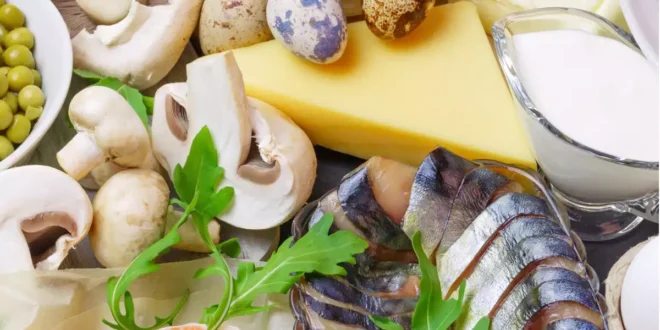

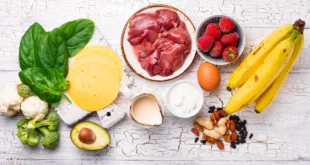
For you, we have carefully selected a variety of foods rich in vitamin D, and we are excited to share some that will undoubtedly surprise you. It’s true—you might think the main source of vitamin D is the sun and not something you can actually taste.
And although we agree, since it’s not possible to literally “bite” the sun, we want to offer you a list of food alternatives that will provide this essential nutrient and definitely deserve a prominent place in your diet. So set the table, because here is a selection of foods packed with vitamin D.
| Food | Vitamin D (µg/100g) | Additional Benefits |
|---|---|---|
| Cod liver oil | 250.0 | Rich in omega-3, beneficial for heart health |
| Smoked salmon | 17.65 | Protein and omega-3 |
| Trout | 18.97 | Source of omega-3 fatty acids |
| Salmon | 16.76 | High in protein and omega-3 fatty acids |
| Canned sardines | 13.24 | Good source of omega-3 and calcium |
| Mackerel | 10.0 | Omega-3 for cardiovascular health |
| Fortified margarine | 10.71 | Unsaturated fats |
| Oysters | 9.41 | Zinc for immune system support |
| Mushrooms | 10.0 | Source of fiber and antioxidants |
| Canned tuna | 6.71 | Rich in protein and selenium |
| Herring | 6.35 | Omega-3 and vitamin B12 |
| Shiitake | 3.9 | Fiber and protein |
| Fortified cereals | 3.33 | Fiber for digestive health |
| Eggs | 2.2 | Source of protein and choline |
| Fortified tofu | 2.5 | Plant protein and calcium |
| Fortified milk | 1.27 | Source of calcium and protein |
| Beef liver | 1.24 | Rich in iron and vitamin A |
| Fortified yogurt | 1.47 | Probiotics for digestive health |
| Fortified orange juice | 1.05 | Rich in vitamin C and antioxidants |
| Fortified soy milk | 1.05 | Plant protein and vitamin B12 |
| Fortified almond milk | 1.05 | Calcium and vitamin E |
| Ricotta | 0.51 | Protein and calcium |
| Foie gras | 0.3 | Vitamin E and magnesium |
| Spinach | 0.2 | Iron and vitamins A, C, K |
| Kale | 0.1 | Vitamin C, A, K and fiber |
This table provides a comprehensive overview of the richest sources of vitamin D, highlighting lesser-known foods alongside more familiar ones, all essential for boosting health and well-being.
How can I include these foods to meet my vitamin D needs?
The easiest way is to incorporate some of the sources described in the table and add them to your regular diet through different recipes.
- Do you like fish? Then you’re in luck. The sea provides large amounts of vitamin D through foods such as mackerel, red salmon, and sardines.
- Certain edible mushroom species, such as shiitake, white button mushrooms, or Portobello mushrooms, contain high levels of this vitamin. They provide it in the form of ergosterol, a substance that can convert into vitamin D after exposure to sunlight.
- Eggs contain it in the yolk: A single egg provides one-fifth of the recommended daily intake.
- Certain seafood such as shrimp and prawns, as well as some bivalve mollusks like oysters, are also characterized by their high concentration of this essential nutrient.
What is the recommended daily intake of Vitamin D?
The recommended daily intake of vitamin D varies depending on age, sex, and other health circumstances such as pregnancy or breastfeeding. According to the U.S. Institute of Medicine (IOM), the general recommendations are:
- Infants 0–12 months: 400 IU (10 µg) per day.
- Children, adolescents, and adults up to 70 years: 600 IU (15 µg) per day.
- Adults over 70 years: 800 IU (20 µg) per day.
- Pregnant and breastfeeding women: 600 IU (15 µg) per day.
How can I maintain my vitamin D levels if I live in places with little sunlight?
Keep in mind that vitamin D deficiency is more common than it may seem, and even with a balanced diet you might experience it. Nowadays, because most jobs are performed indoors, or involve rotating shifts that include nighttime hours, or simply during winter months, it can be difficult to get enough sun exposure.
EssentialSeries Vitamin D3 4000 IU is a softgel food supplement made with cholecalciferol in a lipid medium of flaxseed oil. Each Vitamin D3 softgel contains 4000 International Units, providing 2000 % of the nutrient reference values.
- Related Posts
- Reasons to take vitamin D3 and K2 together
- Improve your sports performance with these vitamins
- Symptoms of vitamin D3 deficiency and how to fix it
- How should vitamin D be taken?