Fitness, Nutrition, Health and Sports Blog In the HSNstore Blog you will find tips about Fitness, sport in general, nutrition, and health – HSNstore.com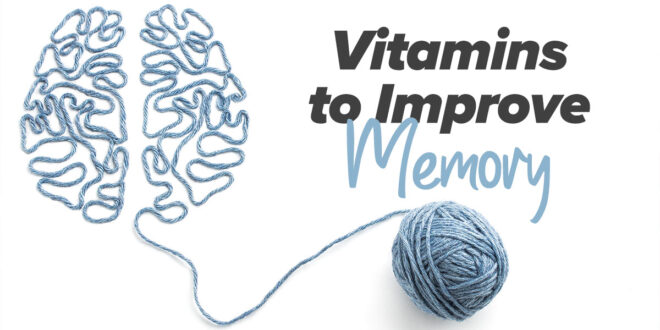

- Life quality depends to a large extent on making the right decisions and performing successfully in any context. For this reason, taking care of memory and other cognitive faculties plays a decisive role in the process of personal development.
- Maintaining a balanced diet helps to achieve this, and this involves including products in the daily diet that provide us with the necessary nutrients.
- Vitamins are micronutrients, either water-soluble or fat-soluble. Water-soluble vitamins dissolve in water and are not stored by the body, while fat-soluble vitamins dissolve in fats and can be stored by the body.
- All have health benefits, but some act directly to enhance memory and concentration.
Types of vitamins to boost memory and concentration
Memory allows us to acquire, store and replenish information that enters the nervous system via a sensory pathway. Its functioning occurs through processes that take place in brain structures.
The brain needs 20% of the total energy required by our body for its performance.

Deficient vitamin intake can lead to memory loss or difficulty concentrating, which is why Evobrain provides the ideal nutrients to maximise your ability to concentrate.
Vitamin B12
Vitamin B12 (cobalamin) is water soluble. Its main property is to protect nerve cells. It is vital for the formation of red blood cells and is involved in the production of deoxyribonucleic acid (DNA) strands.
Its main benefits include:
- It helps prevent megaloblastic anaemia.
- It strengthens the immune system.
- It regenerates muscles.
- It helps metabolise homocysteine.
- It improves cognitive functions.
B12 helps to optimise our brain through its ability to produce myelin.
This is a layer that coats certain neurons, promoting the speed of nerve impulses, keeping the brain active for longer.
It is acquired from animal food sources, especially meat such as chicken or beef liver; fish and shellfish such as mackerel and mussels; eggs and dairy products.
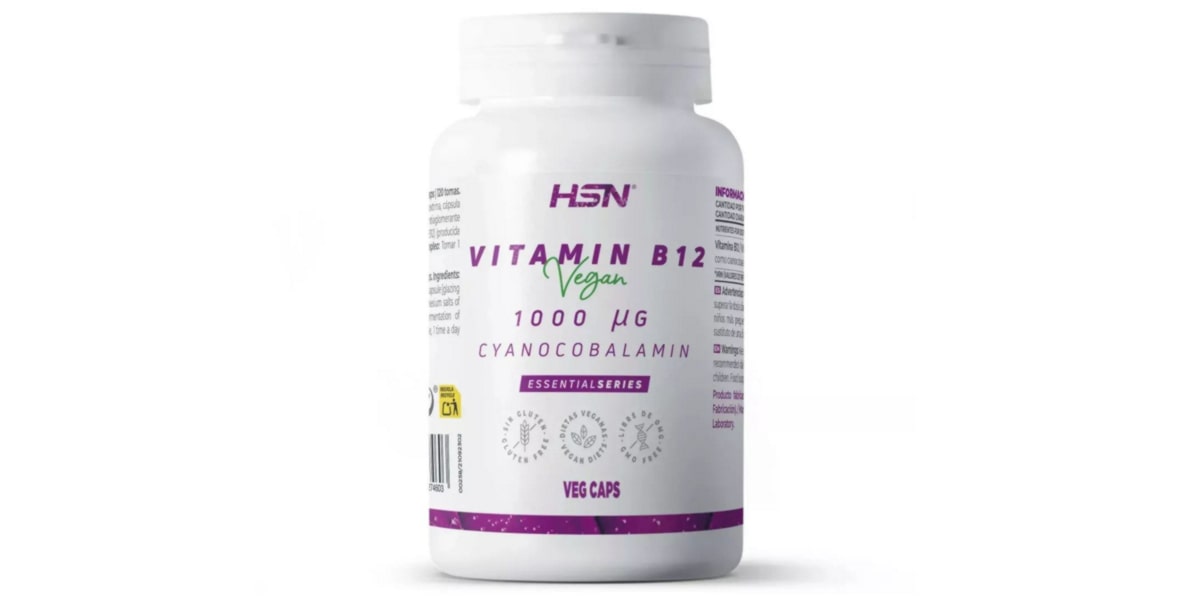
There are also vitamin B12 supplements available that provide up to 1000mcg of cyanocobalamin, ideally in vegetable capsule form.
Vitamin B6
Vitamin B6 (pyridoxine) is water-soluble. It is known for boosting the production of neurotransmitters such as dopamine, thus helping the brain to function properly.
Its main benefits are:
- It strengthens the immune system.
- It purifies the blood.
- It reduces pre-menstrual symptoms.
- It influences the brain development of the foetus.
- It maintains a healthy nervous system.
- It stimulates cognitive functions.
Some studies support that people with higher levels of vitamin B6 have better memory.
It is found in poultry, fish, chickpeas, potatoes, bananas and fortified cereals. Supplements are also recommended, usually in capsule form.

Vitamin B6 will generally be included as part of the other B vitamins, so it can be found in products such as this one.
Vitamin D
Vitamin D is the only vitamin that the body can synthesise. It has anti-inflammatory, antioxidant and neuroprotective properties.
The 2 forms of vitamin D are:
- Vitamin D2 or ergocalciferol: produced by plants.
- Vitamin D3 or cholecalciferol: produced by the body when the skin is exposed to ultraviolet radiation from the sun.
The main benefits of vitamin D are:
- It contributes to bone health.
- It helps to absorb calcium.
- It strengthens the immune system.
- It promotes cellular anti-ageing.
- It prevents Alzheimer’s disease.
Vitamin D has significant effects on the brain, with the ability to modulate synaptic plasticity.
It can be obtained by 30 minutes of exposure to the sun; eating oily fish such as salmon or sardines; eating mushrooms and egg yolks.
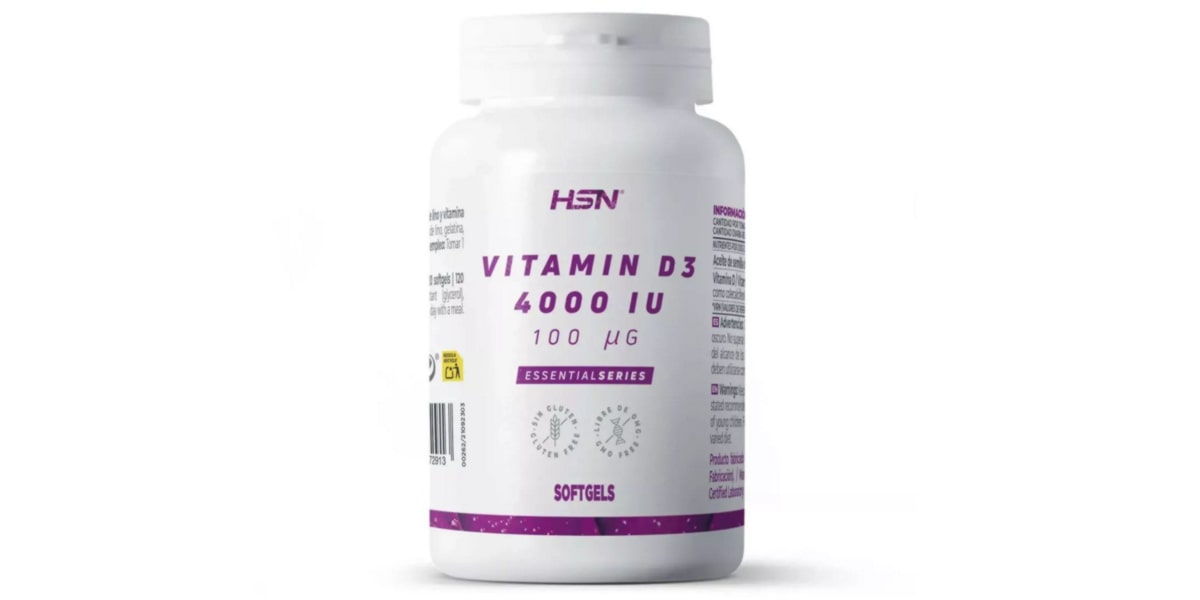
It is advisable to take supplements in the form of capsules, tablets or softgels, and the presentations can be 1000, 2000, 4000 IU or even higher.
Vitamin E
Vitamin E (tocopherol) is fat-soluble. It has antioxidant action, so it prevents free radicals from damaging cells, supporting overall health and delaying the signs of ageing.
The main benefits of vitamin E are:
- It stimulates the immune system.
- It improves skin and hair.
- It prevents liver damage.
- It improves muscle strength.
- It strengthens the cardiovascular system.
- It prevents macular dysfunction.
- It helps prevent neurological disorders.
Because vitamin E prevents cell damage that oxygen could cause to the brain, it helps to prevent cognitive decline and enhance memory.
Food sources of vitamin E are: vegetable oils, nuts and green leafy vegetables.
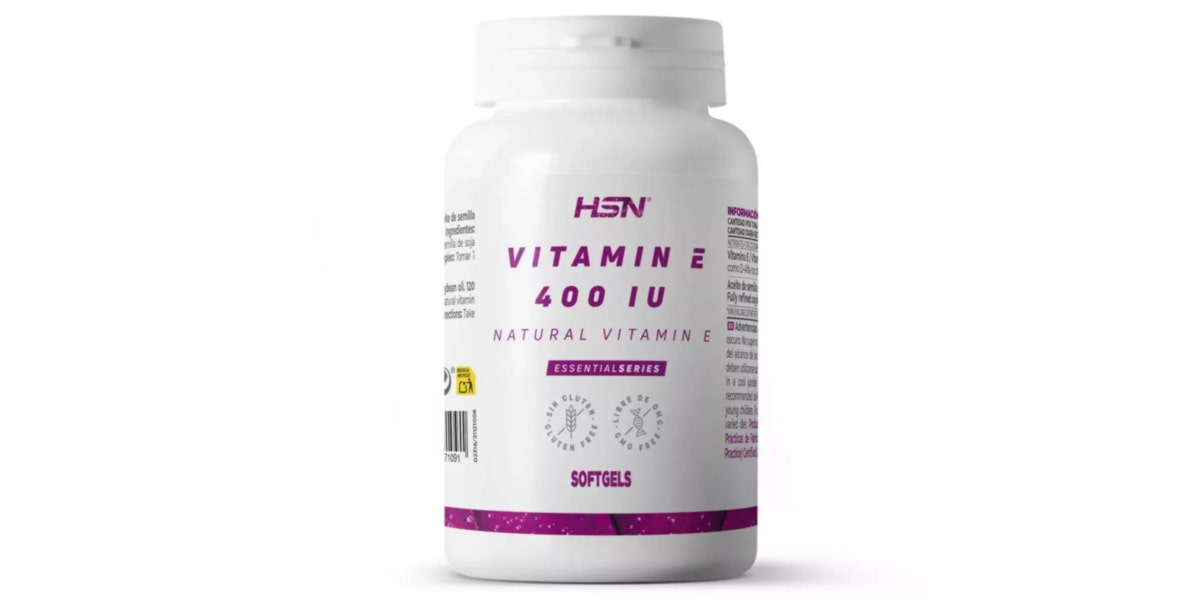
Vitamin E supplements can be taken as tablets or in a novel encapsulated form in softgels that are easy to dose and digest.
Vitamin C
Vitamin C, ascorbic acid, is water-soluble. It is involved in the activation of several physiological processes.
Particularly in the production of neurotransmitters such as serotonin and dopamine, which control the flow of information and responses from areas of the brain. It also has an antioxidant effect, slowing cellular ageing…
The benefits of vitamin C include:
- It strengthens the immune system.
- It boosts the absorption of iron.
- It promotes collagen synthesis.
- It facilitates brain function.
Thanks to its properties, vitamin C helps to improve certain cognitive processes and helps prevent Alzheimer’s, dementia or other disorders involving memory.
It can be acquired by eating citrus fruits, peppers, broccoli, soya or cinnamon.
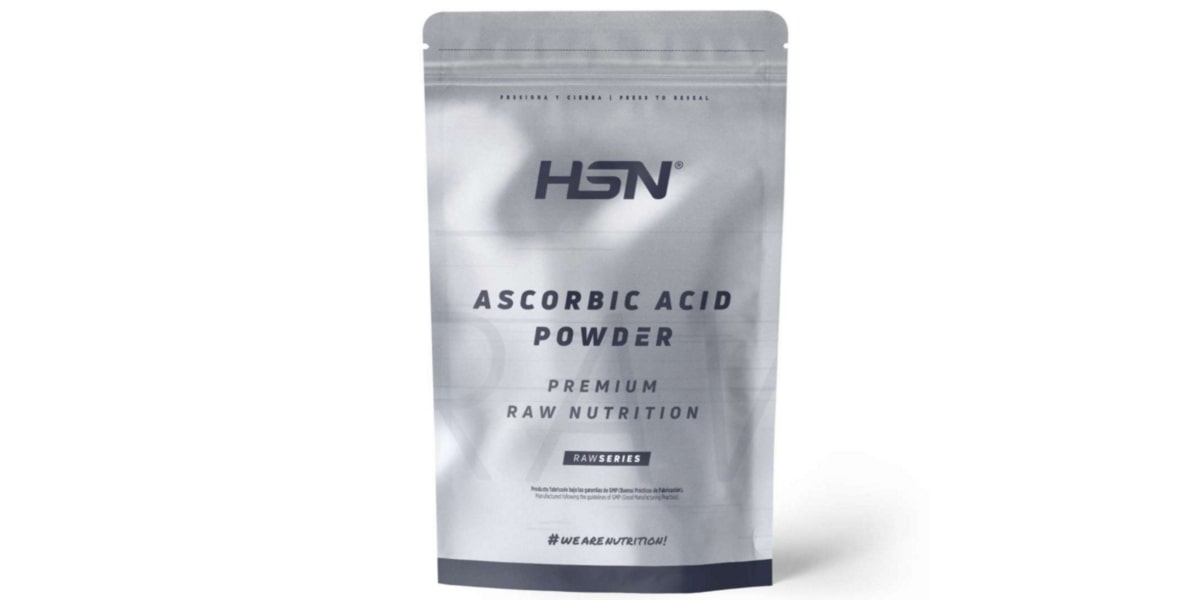
It comes in powder or capsule form.
Related Entries
- Top Brain Health Supplements: Click here.
- If you are studying for competitive examinations, this post is of interest to you.
- We have compiled a list of the best supplements for studying.