Fitness, Nutrition, Health and Sports Blog In the HSNstore Blog you will find tips about Fitness, sport in general, nutrition, and health – HSNstore.com

In a short time we will be changing seasons, and outdoor exercise and physical activity will increase. Better temperatures, more daylight hours and the benefits of exercising while breathing fresh air, as well as sun exposure to improve vitamin D levels.
In this article, we share a full-body routine for training outdoors and making the most of all the resources available in parks and urban furniture.
Before going out to exercise outdoors
As is well known, before starting our training routine, it is necessary to warm up first. In addition, in the case we are dealing with, it is particularly important to equip ourselves correctly:
- If it is winter/autumn: wear thermal garments and dress in layers, as we have already discussed in this post.
- If it is summer/spring: a cap to protect your head, sunglasses and even sun cream will be necessary.
If you are in a park or a large open area, you can walk at a light pace, go for a very gentle jog, as well as do some dynamic stretches to help prepare the joints.
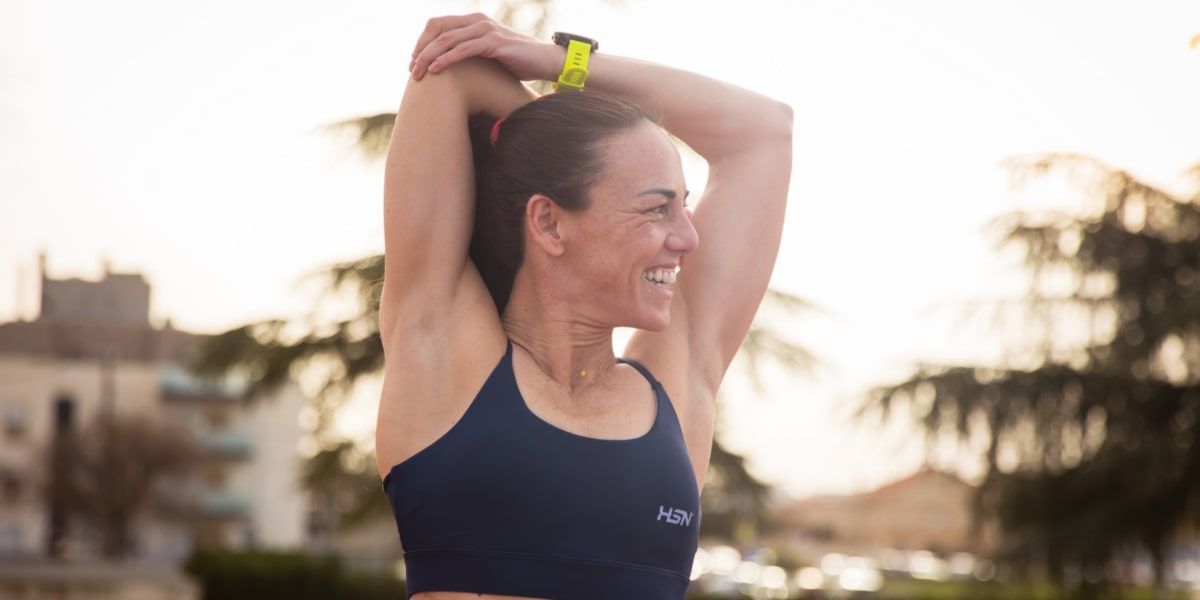
The warm-up will take no more than 10 minutes.
Outdoor exercise routine to work the whole body
We can use our own body weight for the vast majority of exercises, and we can also add some easy-to-carry equipment, such as a resistance band, for other exercises.
In any case, for a good training session, if you are just starting out, it would be ideal to perform at least 3 sets of each of the exercises we suggest.
If you already have experience and a good level of fitness, you can do between 4-5 sets.
Legs and glutes
We perform the following 4 exercises as a circuit, without rest between exercises, alternating between the anterior and posterior chains. We will perform a minimum of 3 rounds of the circuit.
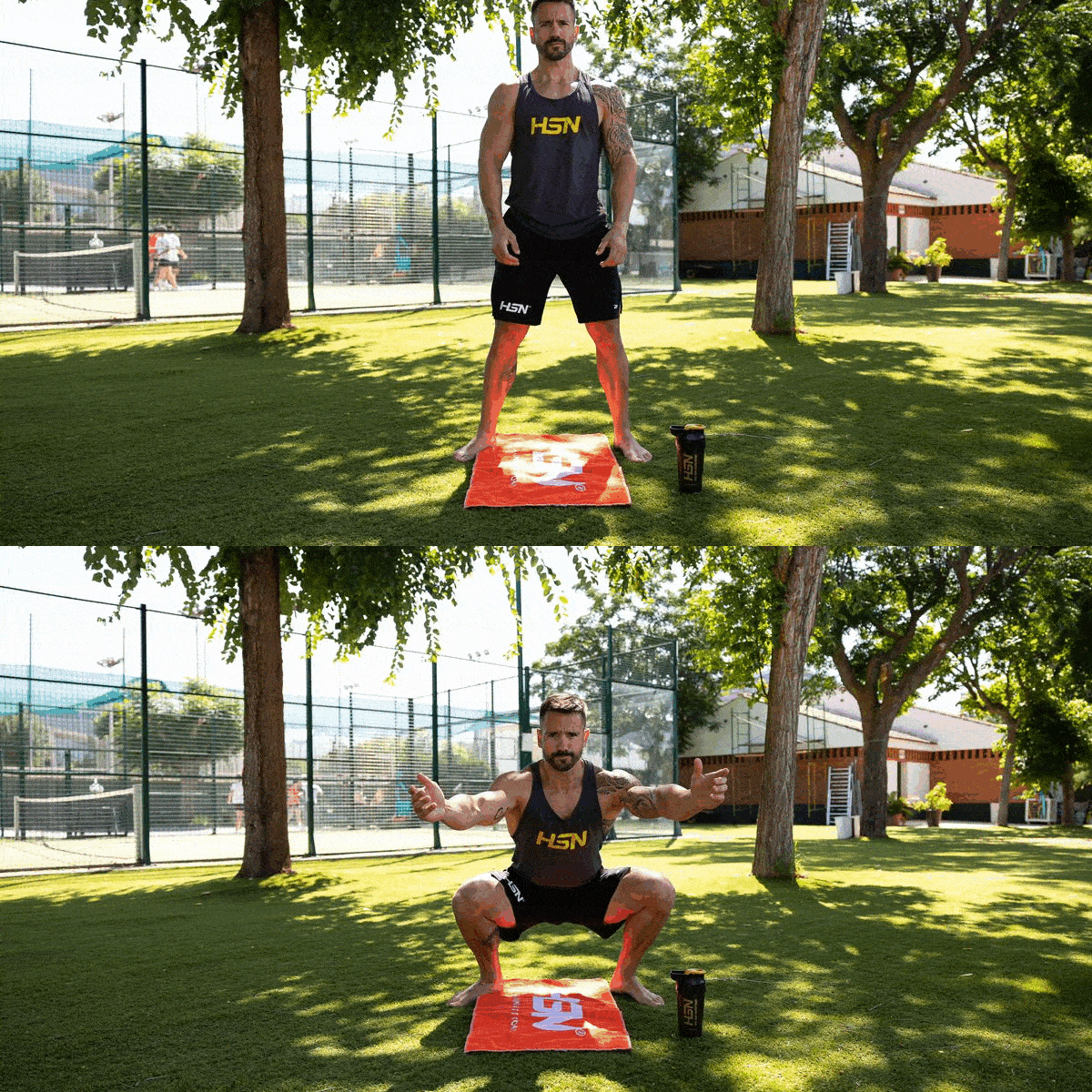
- Squats: we can perform this exercise anywhere and even add a resistance band to increase its intensity.
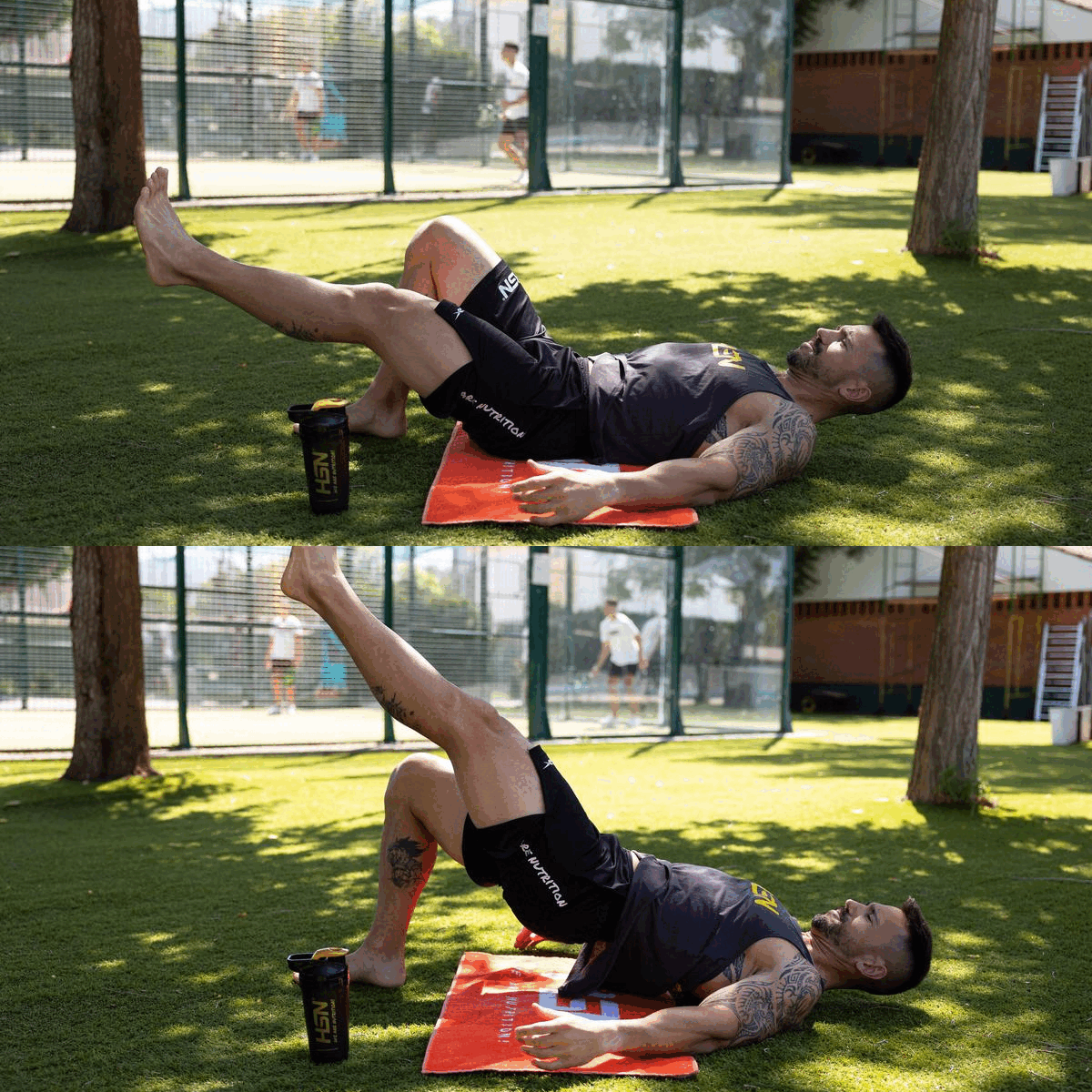
- Single-leg glute bridge: we can use a bench to perform a hip extension with both feet on the floor, or alternate using a single point of support.
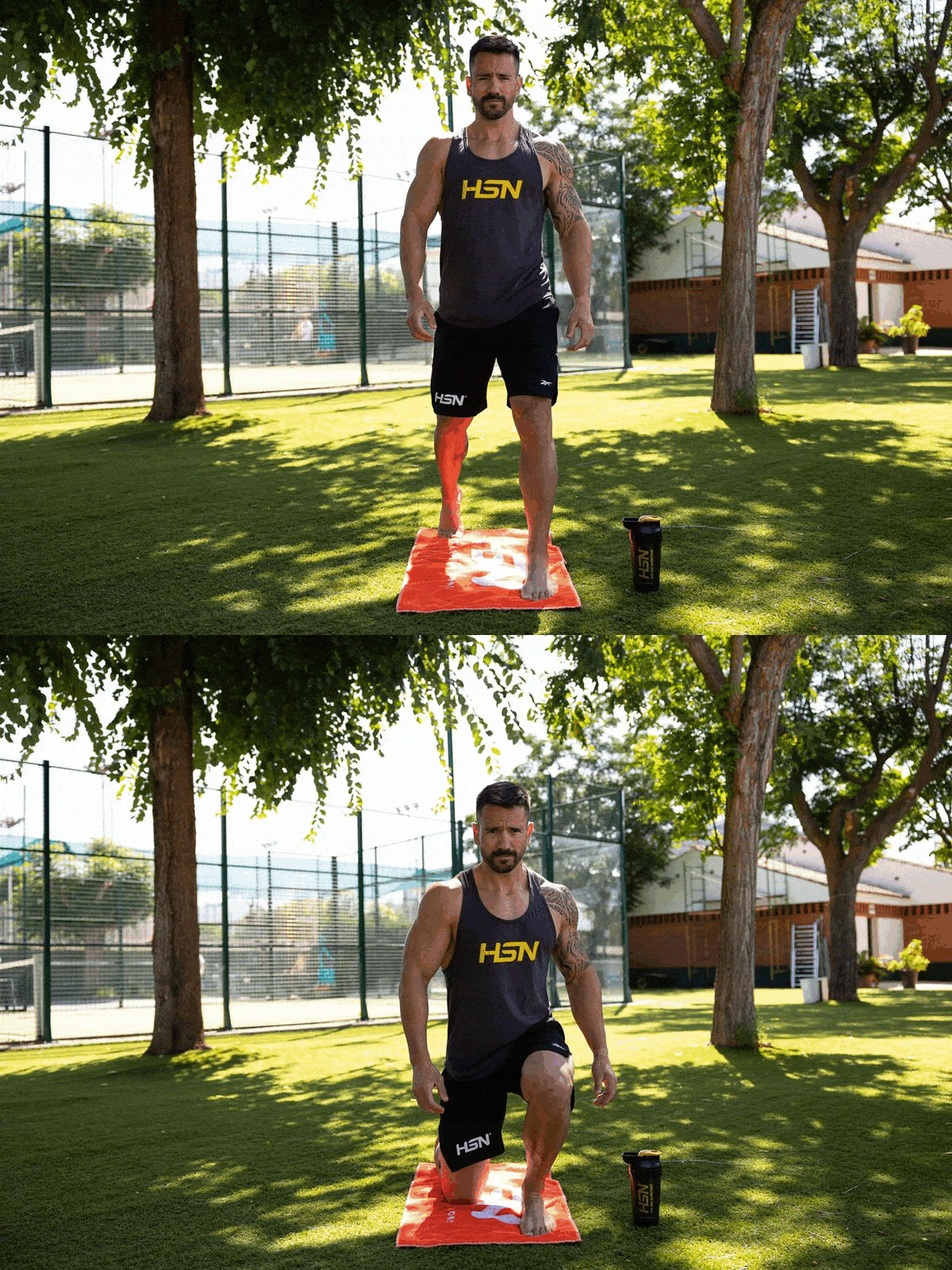
- Static Squat: step one leg forwards and bend it while keeping the torso upright.
- Single-leg deadlift: this exercise will help us work the posterior chain, core stability and the gluteus medius.

- Cossack Squat: in this squat, we move from side to side, shifting the weight onto each leg.
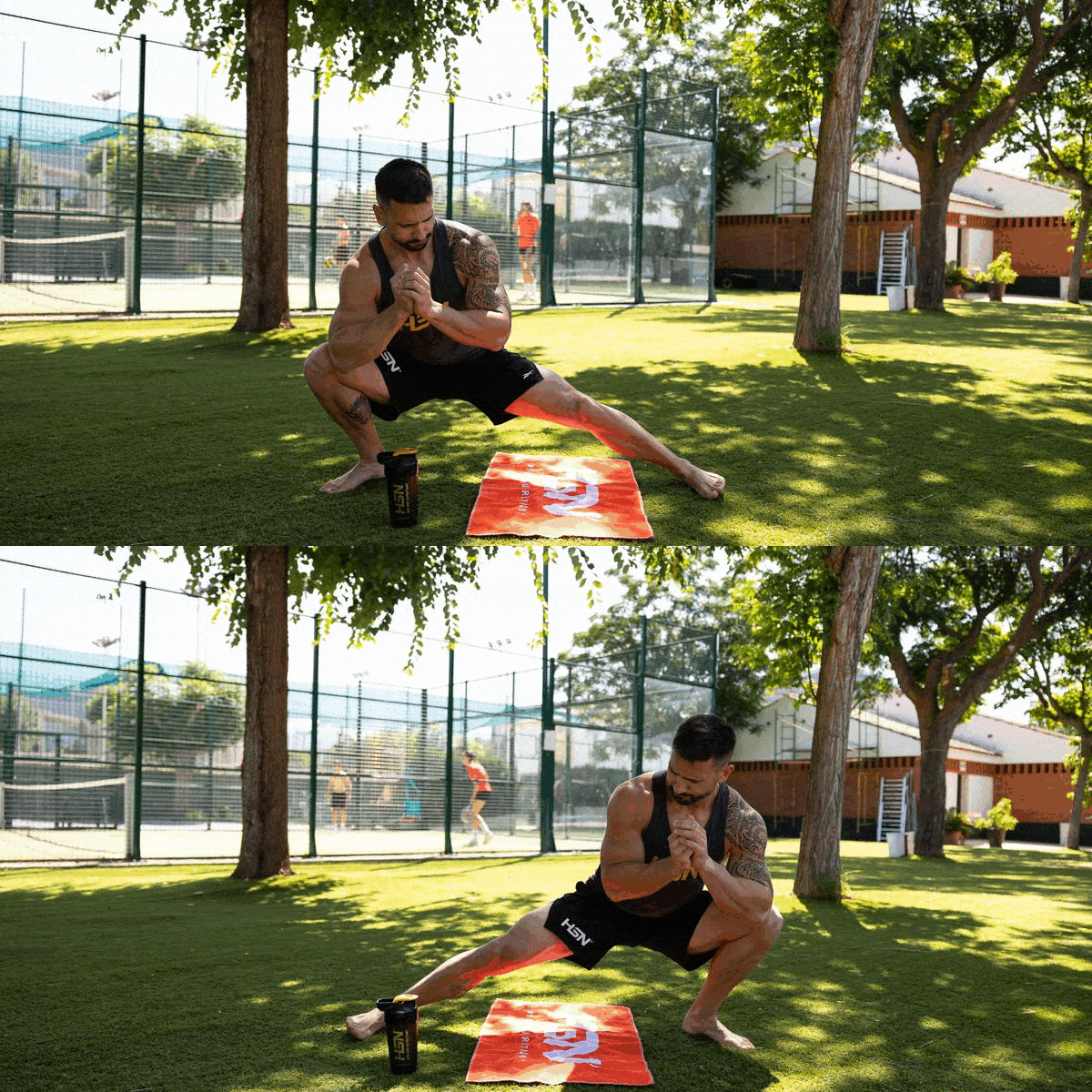
Arms and Back
In this case, we can also make use of urban features or elements such as bars that are usually found in parks to perform exercises focused on the upper body.
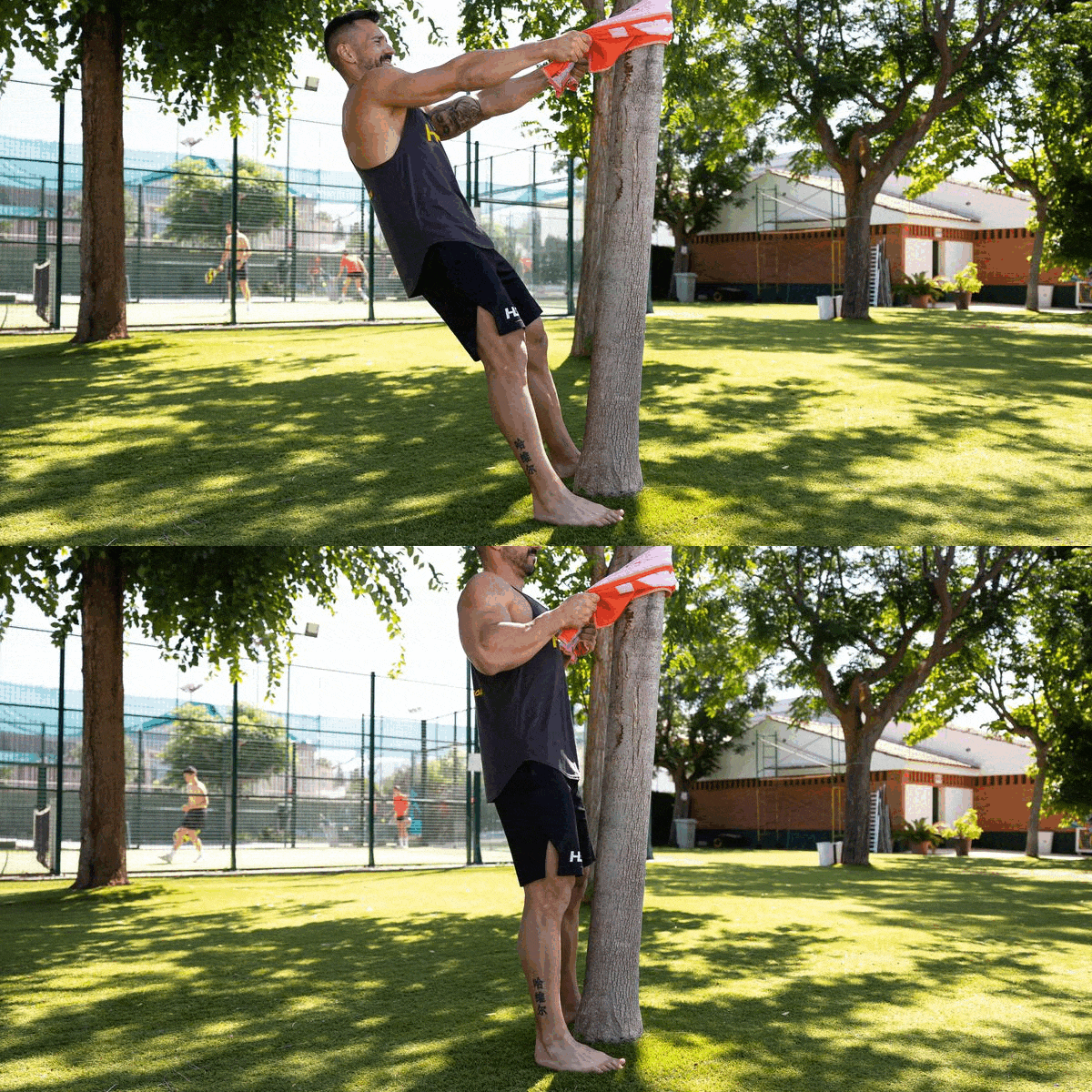
- Towel row: stand up, holding the towel at approximately shoulder width, with your legs extended or your knees bent. Pull to bring your chest closer to the tree.
- Push-ups: depending on your current fitness level and experience, we have several options for working the chest and anterior deltoid, with different variations ranging from lower to higher intensity.
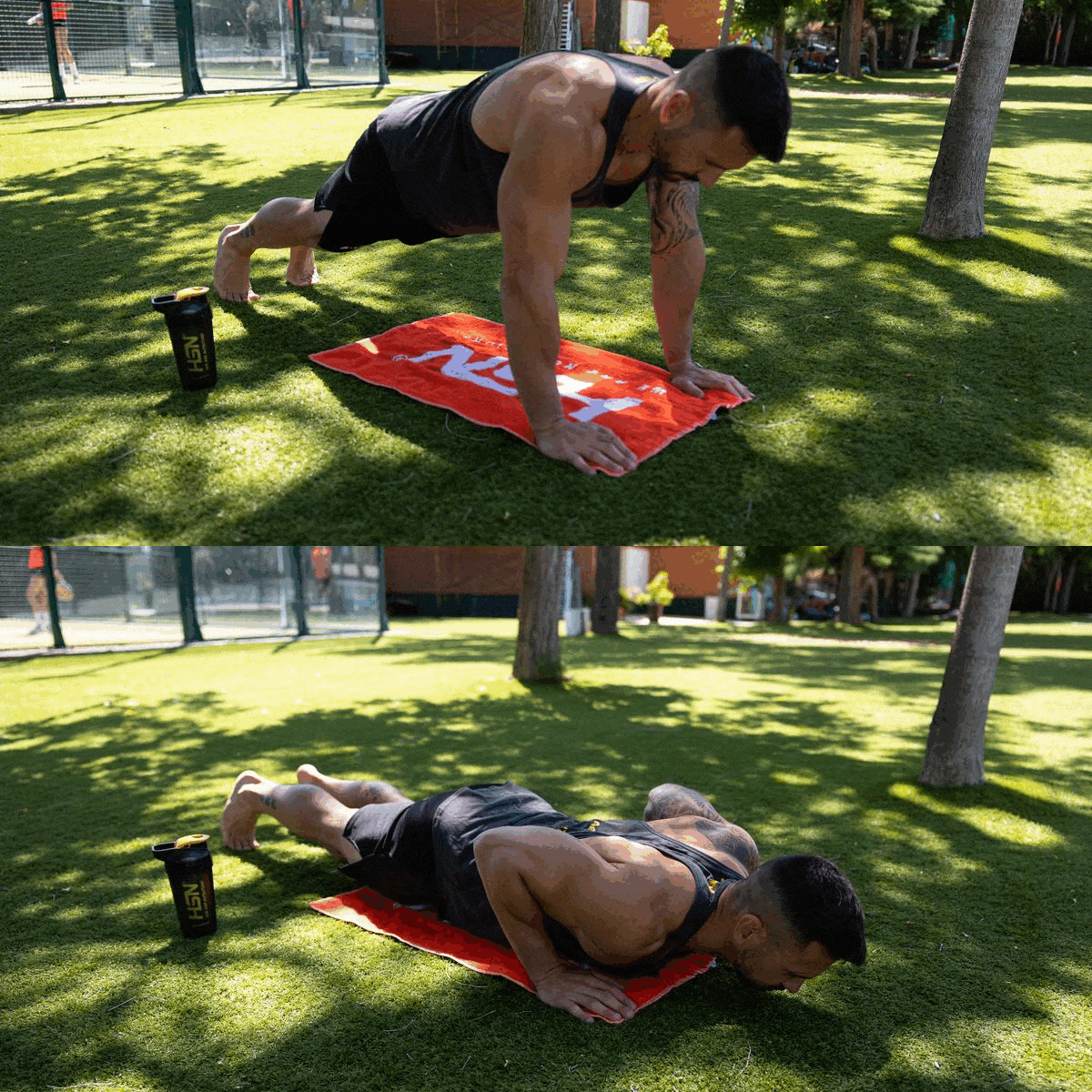
To do this, we will use the same bench as in the previous exercises and, depending on our level:
- Beginner Option: place your hands shoulder-width apart on the floor and perform the push-ups.
- Advanced Option: perform decline push-ups, placing your feet on a bench or step and your hands on the floor.
Abdominals
In the previous exercises, it is important to maintain an aligned posture and keep the core engaged in order to perform them correctly and transfer force from our centre.
In other words, we will be working our abdominals indirectly.
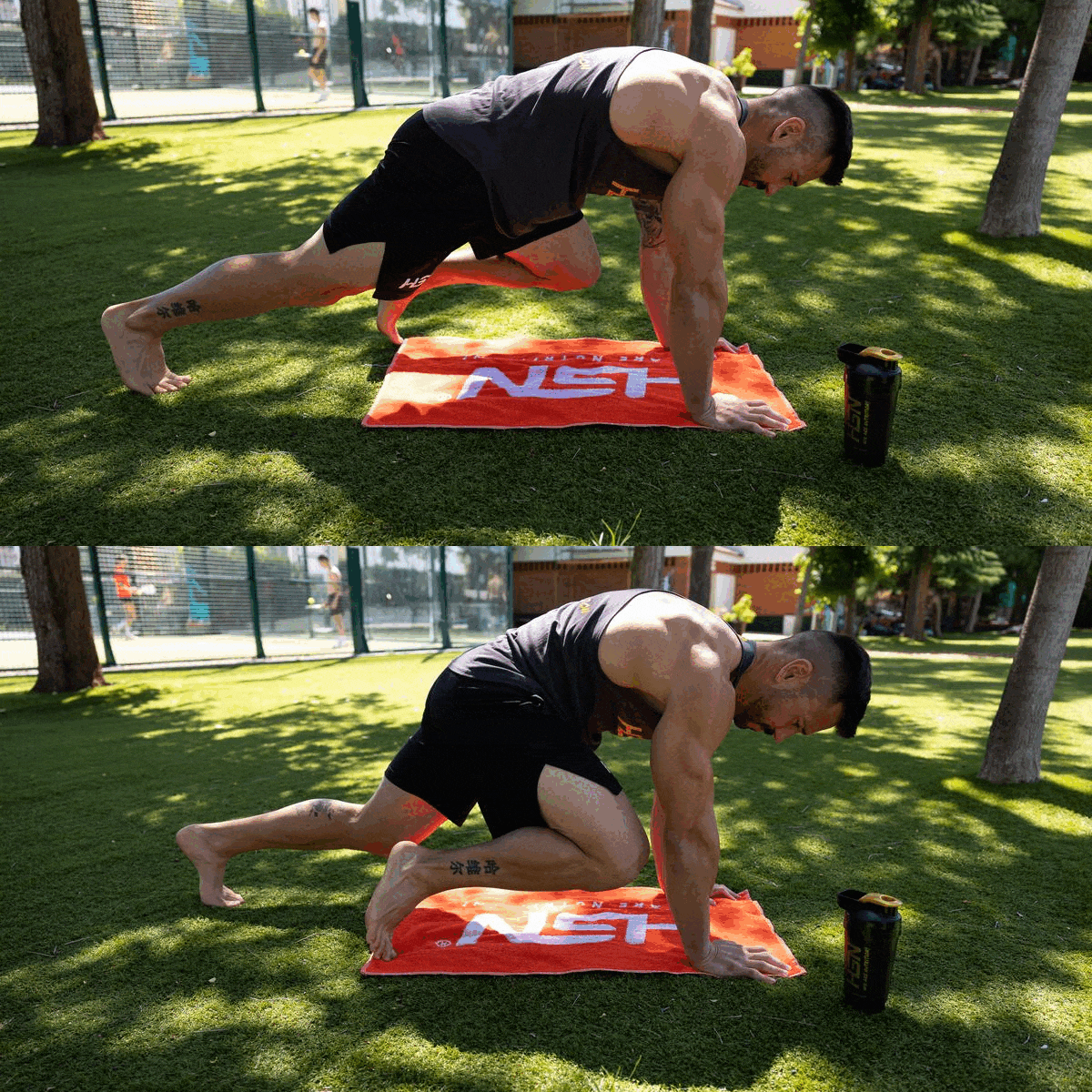
- Mountain climbers: from a plank position, bring the knees towards the chest alternately, slightly flexing the torso and aiming for an abdominal contraction. If you are just starting out, the easiest option is to place your hands on a bench instead of performing the exercise from a plank position on the floor.
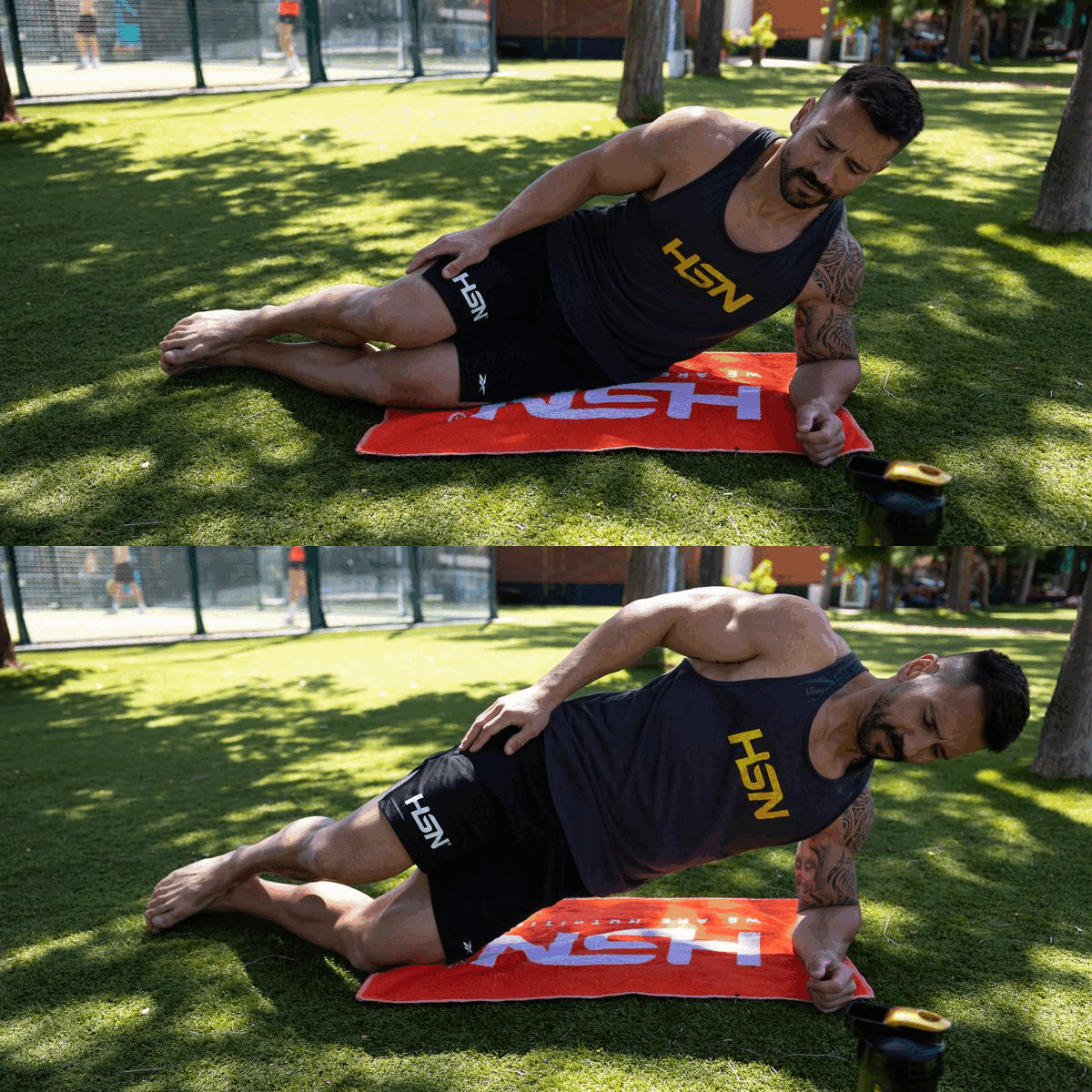
- Side plank: one variation of this exercise, to work the external oblique, is to get into a side plank position, bringing the elbow towards the knee of the leg you bend (lateral flexion of the torso).
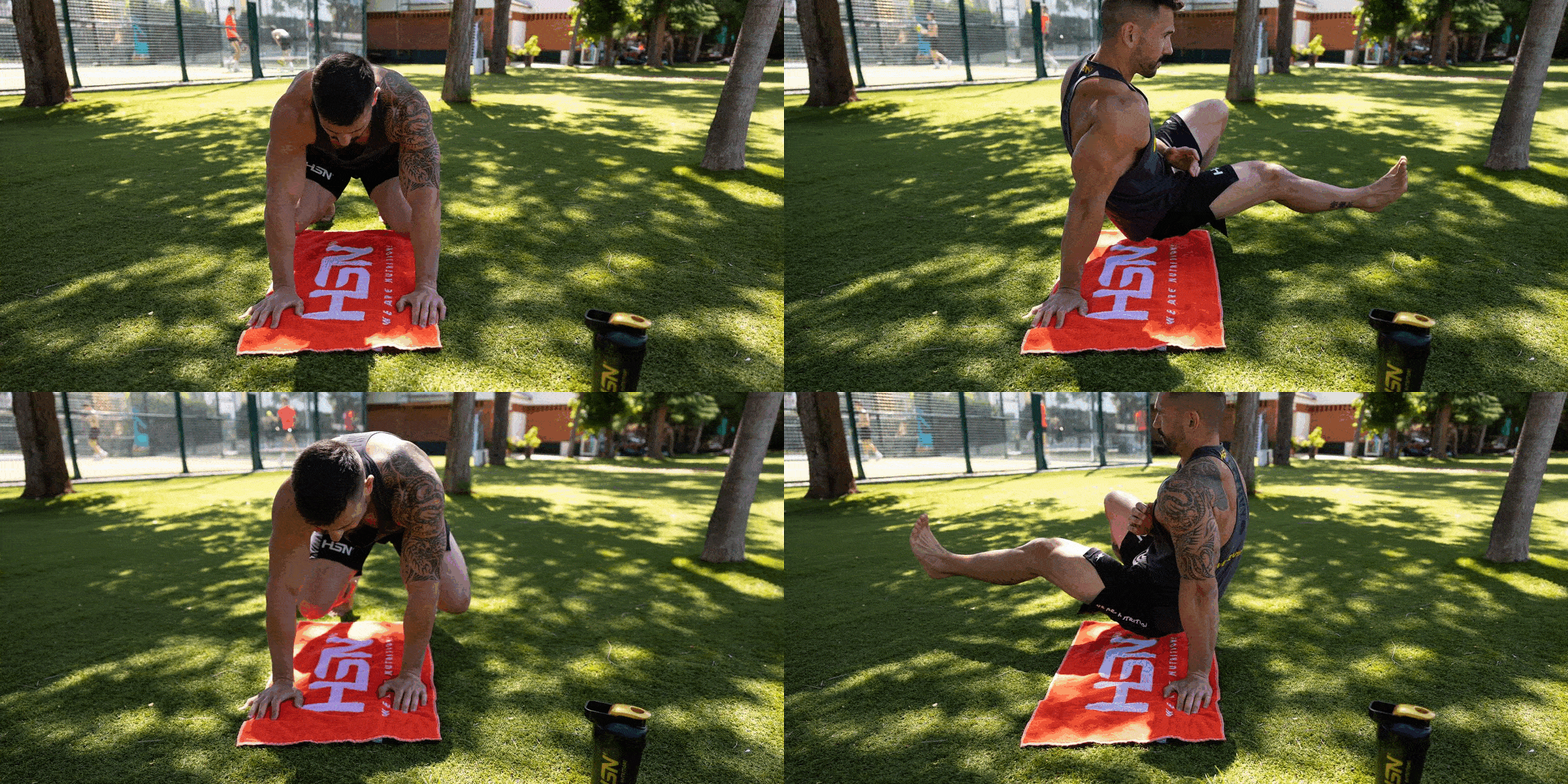
- Side kick: this is another interesting exercise for working our core. From a quadruped position with the knees lifted, support yourself with the hand on the same side as the leg you want to move sideways. Return to this position and repeat on the other side.
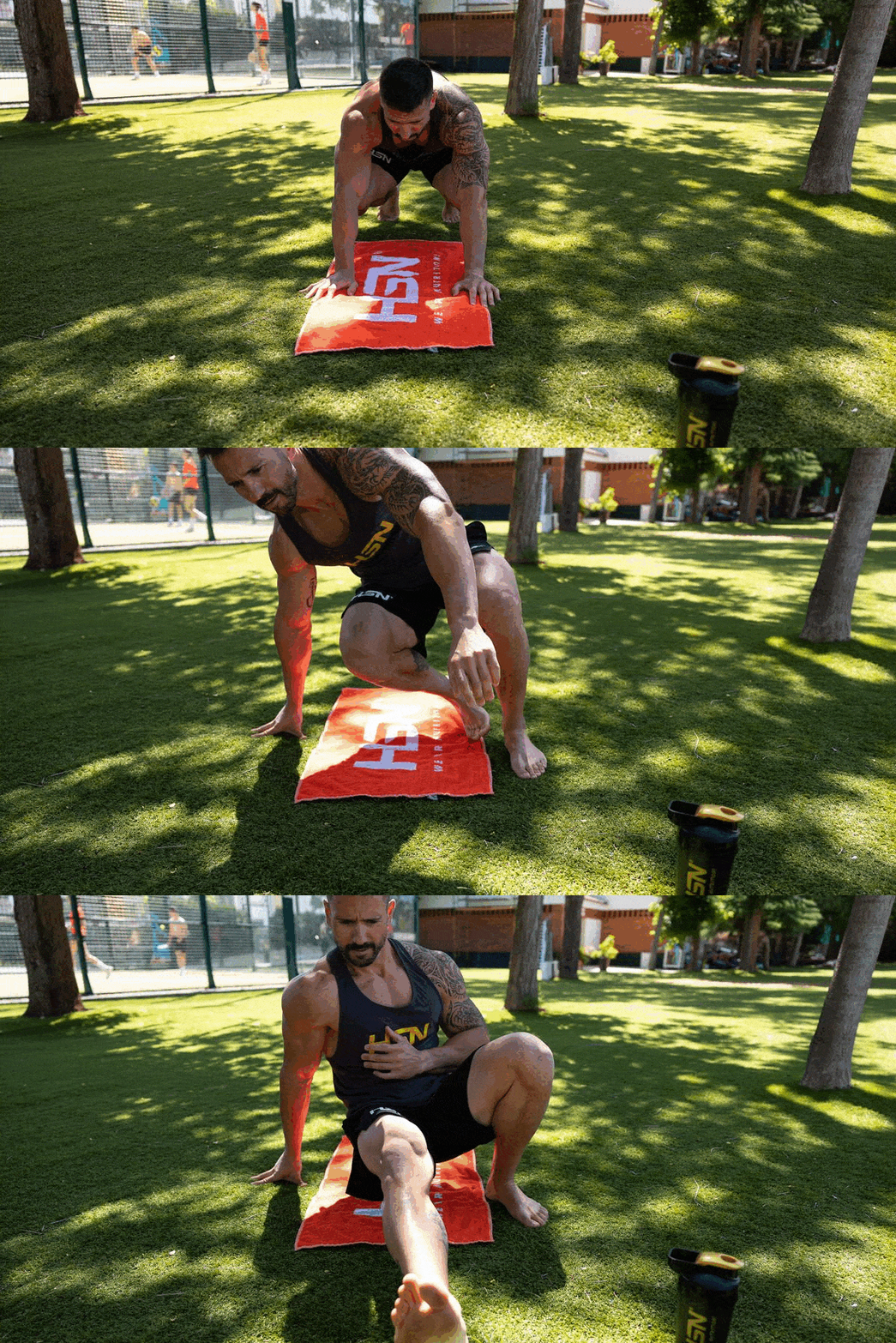
- Front kick: similar to the previous exercise, but in this case we “kick” the leg forwards. It is a more advanced version.
Tips for training outdoors
Look for an open area with drinking fountains: staying hydrated and cool (especially on days/times with higher ambient temperatures and solar radiation) will allow you to perform optimally during your training.
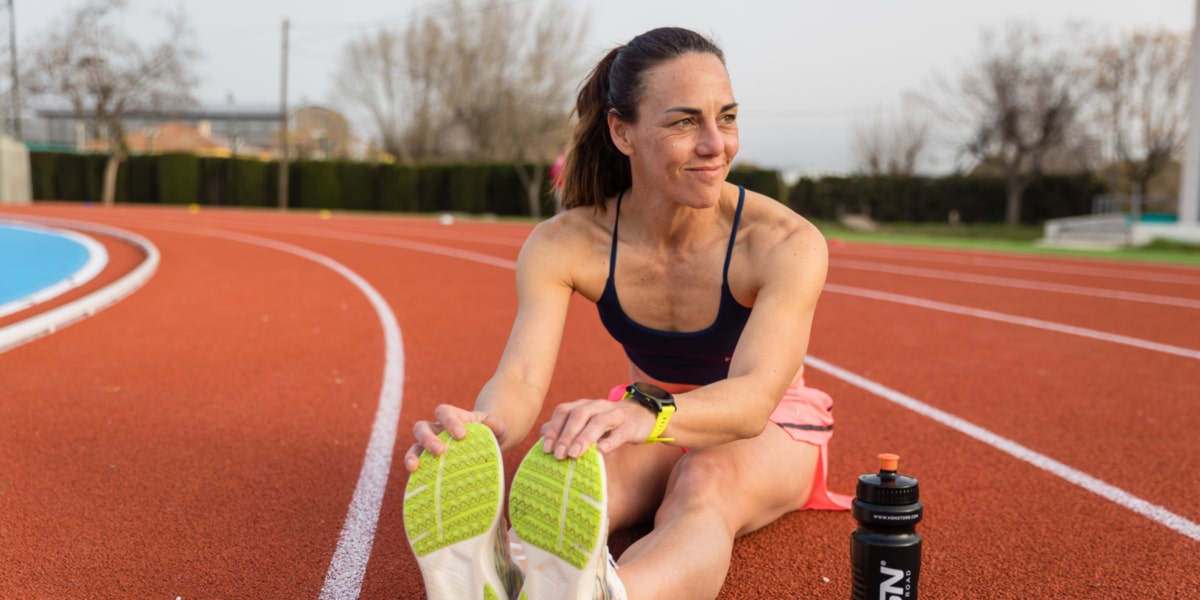
Open spaces such as natural parks and urban parks with exercise facilities are perfect for making the most of your training, getting out of your routine and away from the four walls of the gym.
- Sun Cream: whenever you exercise outdoors, do not forget to apply sun cream to protect yourself from the sun’s ultraviolet radiation, protect your skin and avoid sunburn.
- Wear breathable clothing, a cap and sunglasses and/or a visor, preferably in light colours.
- On excessively hot days, make sure you cool yourself down: wet the back of your neck and your wrists to prevent your core temperature from rising.
- If you are at the beach, you can always take advantage of the benefits of the water for training: walking on the sand, doing skipping with your legs in the water, swimming…
Related Posts
- Do you know the keys to effective training? Take note of these ideas
- We tell you everything about stair training: go to the Post
- We explain in full detail how to perform leg raises in this article