Fitness, Nutrition, Health and Sports Blog In the HSNstore Blog you will find tips about Fitness, sport in general, nutrition, and health – HSNstore.com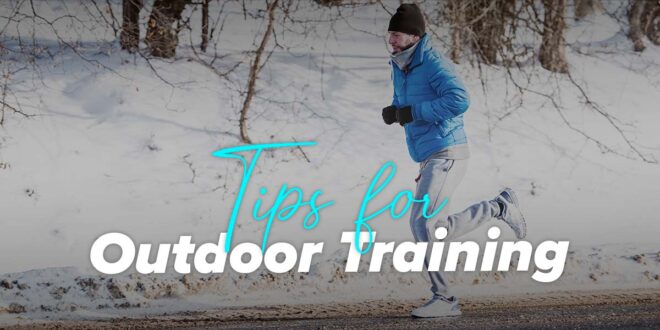

When winter arrives, athletes who train outdoors suffer from lower temperatures, fewer hours of daylight, and a higher likelihood of rain and cold.
It’s a time when, if your immune system is weak, the chances of falling ill increase dramatically.
It’s better to train during the day
Plan your workout for the morning or midday whenever possible. This is the warmest time of day and the best time to stimulate vitamin D production.
During the winter, many people suffer from vitamin D deficiency, which is important for bones and joints, as well as to lift their spirits.
Dress in layers
It’s better to remove layers than to wear a single layer that you may not need when your body has adapted to the cold:
- Thin, close-fitting layer that can expel sweat.
- Thicker layer that can pick up sweat and that you can remove once your body gets warm.
- Lightweight windbreaker layer in case of wind or rain.
As it gets dark earlier in the winter, it’s best to wear reflective clothing to be more visible to cars, bikes and other vehicles.
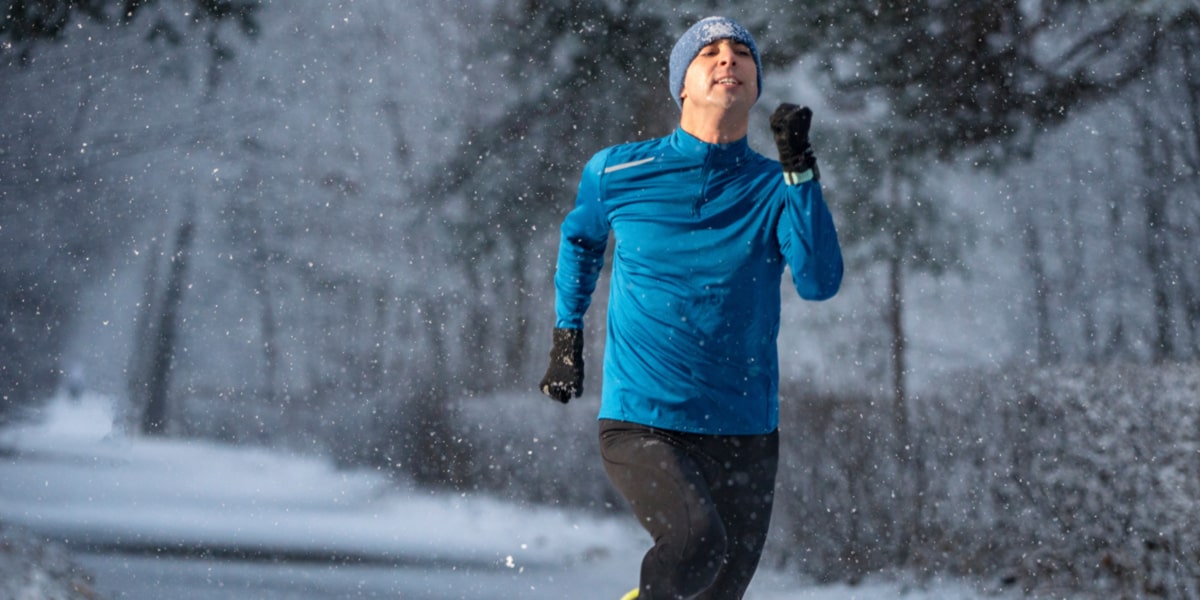
Remember, always keep your head, hands and neck protected.
Spend more time warming up
At low temperatures, the body needs a little more time to warm up and progressively increase blood supply to all muscle groups, especially the peripheral ones.
The body and limbs can be stiffer and affect movement and the nervous system, so increasing the warm-up time will help to progressively bring the body temperature to a suitable level for training.
Breathe through your nose
The nasal passages are affected by low temperatures and, due to the cold air, this vasoconstriction causes them to close a little and you may have the sensation of not breathing properly.
Start warming up with your mouth covered.

Try, progressively, to keep breathing through your nose, because this way the nostrils will warm and humidify the air that comes to your lungs.
Keep well hydrated
Although you might not feel dehydrated, the body increases sweating levels as a thermoregulatory mechanism.
Meaning we need to maintain optimal hydration levels to avoid losing too much sodium and end the workout with high levels of dehydration.
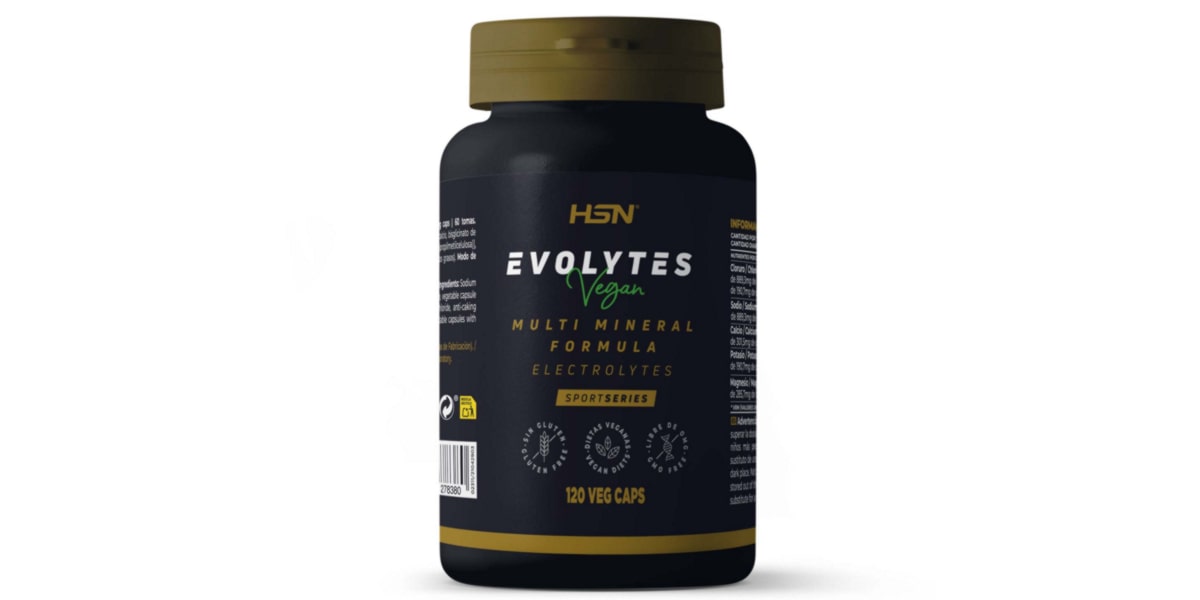
Strengthen your defences with immune system supplements
A good nutritional diet also helps the body respond better to cold exposure, as well as keeping the immune system strong to respond to any possible illness caused by poor adaptation to cold.
Related Entries
- Prepare your immune system for winter with these tips.
- Do you know everything Probiotics can do for you? We encourage you to take a look at the post we’ve prepared for you!