Fitness, Nutrition, Health and Sports Blog In the HSNstore Blog you will find tips about Fitness, sport in general, nutrition, and health – HSNstore.com

Have you ever felt that muscle soreness that appears one or two days after an intense workout? This discomfort, commonly known as muscle soreness, is more common than we might think, and although almost everyone has experienced it, do we really know why it occurs?
In this article, we will explain everything you need to know about muscle soreness: what causes it, who is more likely to experience it and, most importantly, how we can relieve and prevent it with certain supplements and strategies that may help your body recover faster, so that pain does not become an obstacle to your progress.
What exactly is muscle soreness and when does it occur?
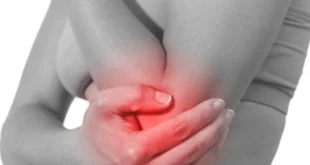
Muscle soreness, technically known as delayed onset muscle soreness (DOMS), is muscle pain that appears between 24 and 48 hours after performing physical exertion to which the body is not accustomed. It is characterised by pain, stiffness, tenderness and reduced strength in the affected muscles.
The main cause of muscle soreness is the microtears in the muscle fibres that occur when the muscles are subjected to intense or unfamiliar exercise. This triggers a natural inflammatory response in the body to repair these minor injuries, causing the characteristic pain.
The key factors that trigger its onset are:
- Unfamiliar exercise: performing a new physical activity or returning to training after a period of inactivity.
- Eccentric contractions: movements in which the muscle lengthens while under tension (for example, when lowering a weight or running downhill). This type of contraction is most commonly associated with the onset of muscle soreness.
- Increased intensity: suddenly increasing the duration or intensity of your usual exercise.
It affects:
- Beginners or people with a lower level of fitness: they are more likely to experience muscle soreness, especially when starting a routine or performing exercises that require intense muscle contractions.
- Athletes or trained individuals: even the most experienced can develop muscle soreness when increasing intensity or changing the type of exercise, due to the muscle microtears caused by overexertion.
- Anyone who performs intense training: muscle pain indicates that the muscles have been worked and that the body is adapting.
Workout prevention and preparation
Although muscle soreness is a sign that we have challenged our muscles, proper preparation and certain strategies can help minimise its intensity and duration. The key is not to avoid exertion, but to approach it intelligently. Below, we explain how you can prevent DOMS and prepare your body for training.
Preventing muscle soreness is based on consistency and following good practices before, during and after exercise.
- Gradual progression principle: this is the golden rule. The body needs time to adapt to new stimuli. Avoid going directly from inactivity to high-intensity training. Gradually increase the volume (sets/repetitions), intensity (weight) or frequency of your workouts, ideally by no more than 10% per week.
- Proper warm-up: never skip your warm-up. Cold, stiff muscles are much more likely to develop microtears. A good warm-up is your first line of defence (explained in more detail below).
- Correct technique: make sure you perform each exercise using the correct technique. Poor form not only increases the risk of injury, but also subjects the muscles to unnecessary and inefficient strain, which may worsen muscle soreness.
- Cool-down: after completing your workout, spend 5-10 minutes gradually reducing the intensity. Perform very gentle cardio activity (walking or cycling), followed by gentle static stretches for the muscles you have worked. This helps improve flexibility and reduce post-workout muscle stiffness.
- Hydration and nutrition: a well-hydrated body functions better. Drink water before, during and after exercise. You should also make sure you consume enough protein to support the repair of muscle fibres and carbohydrates to replenish energy stores.
- Active recovery and sleep: in the days following an intense workout, rest does not have to mean complete inactivity. Light activity, such as walking or gentle swimming (active recovery), can help increase blood flow and relieve pain. Restorative sleep is equally important so that the body can carry out its repair processes.
Effective HSN supplementation for muscle soreness
At HSN, we offer the best supplements to help you manage the discomfort of muscle soreness in the most natural and practical way:
1 Tart Cherry
Thanks to its high concentration of anthocyanins, powerful antioxidant and anti-inflammatory compounds, it helps combat oxidative stress and inflammation caused by intense exercise, supporting faster recovery.
Buy Tart Cherry for recovery at HSN
✅ Reduces muscle pain and post-exercise inflammation.
✅ Speeds up the recovery of muscle strength.
✅ Helps combat cellular damage caused by free radicals.
2 Omega-3 (EPA and DHA)
It acts as a powerful natural anti-inflammatory agent, helping to modulate the body’s inflammatory response following exercise-induced muscle damage, resulting in reduced pain and stiffness.
✅ Modulates the body’s inflammatory response.
✅ Helps reduce delayed-onset muscle soreness (DOMS).
✅ Supports overall joint and muscle health.
3 Creatine Monohydrate
It increases the availability of rapid energy (ATP) in the muscles, improving performance and strength. It may also help reduce cellular damage and post-workout inflammation, supporting better recovery.
✅ Increases strength and performance during high-intensity exercise.
✅ Helps reduce muscle damage and inflammation.
✅ Improves recovery between training sessions.
4 Turmeric
Its main active compound, curcumin, is a powerful anti-inflammatory and antioxidant agent that helps neutralise free radicals and reduce the systemic inflammation caused by intense exercise, thereby relieving muscle pain.
✅ Helps combat post-workout muscle inflammation.
✅ Reduces oxidative stress and cellular damage.
✅ Relieves pain associated with muscle soreness (DOMS).
5 Magnesium
An essential mineral involved in more than 300 cellular processes, and key to muscle contraction, energy production and electrolyte balance.
✅ Supports muscle contraction and relaxation.
✅ Improves energy production and oxygen utilisation.
✅ Helps prevent muscle cramps and reduces the risk of injury.
6 HMB (Beta-hydroxy-beta-methylbutyrate)
It is a metabolite of the essential amino acid leucine. Its main function is anti-catabolic, meaning that it helps reduce the breakdown of muscle proteins that occurs after intense exercise. By protecting the muscles from damage, it speeds up the repair and recovery processes.
✅ Reduces muscle protein breakdown (anti-catabolic effect).
✅ Speeds up recovery and reduces post-workout muscle damage.
✅ Supports gains in strength and muscle mass, especially in beginners.
7 Citrulline Malate
This compound increases nitric oxide levels in the body, improving blood flow to the muscles. This increased circulation facilitates the delivery of nutrients and the removal of waste products (such as ammonia), reducing fatigue and post-workout muscle pain.
Buy citrulline malate powder at HSN
✅ Significantly reduces muscle soreness.
✅ Improves blood flow and nutrient delivery to the muscles.
✅ Reduces fatigue and improves performance during exercise.
8 Caffeine
It acts as a central nervous system stimulant, reducing the perception of fatigue and pain, which can improve workout performance and intensity. It may also help speed up post-exercise muscle glycogen resynthesis.
✅ Increases performance and delays the onset of fatigue.
✅ Reduces the perception of muscle pain during exertion.
✅ Improves concentration and alertness.
Frequently asked questions
Is it advisable to train when you have muscle soreness?
There is nothing to prevent you from training with muscle soreness; the only limitation is the discomfort you may feel.
Ideally, rest on the day when the pain is most intense (usually the second day) and resume your routine with gentler exercises until you have fully recovered, which usually takes 4-5 days. Despite the discomfort, the body does not lose strength or become weaker.
Are the theories about lactic acid and muscle fibre microtears true?
The lactic acid theory, which attributed the pain to the accumulation and crystallisation of lactic acid in the muscles, has been rejected, as no crystals have been found in biopsies and crystallisation would require extremely low temperatures.
The currently accepted explanation is muscle fibre microtears: overexertion causes small tears in the muscle fibres and mild inflammation, resulting in the characteristic pain associated with muscle soreness.
Does sugar water or similar home remedies really relieve muscle soreness?
No. This is one of the most widespread popular beliefs, and it is completely false. The idea of drinking sugar water was based on the incorrect lactic acid theory, as sugar was thought to help dissolve the supposed crystals. As we now know that muscle soreness is caused by microtears, sugar water has no reparative effect on the muscle fibres.
The most effective ways to relieve discomfort are active recovery (gentle movement), good hydration, an appropriate protein-rich diet and, if the pain is very intense, applying cold or heat.
If I do not have muscle soreness the following day, does that mean I did not train properly or that the exercise was ineffective?
Not necessarily. The absence of muscle soreness is not an indicator of a poor workout. As your body adapts to a particular type of exercise and a specific workload, the inflammatory response and microtears decrease. A good workout can also be measured by improvements in strength, endurance or technique.
You can have a highly productive workout without experiencing muscle soreness if your body is already accustomed to that stimulus. Muscle soreness is more an indication of novelty or an increase in intensity than of the quality of the workout itself.
Why do I sometimes experience very intense muscle soreness and other times barely notice it, even when performing the same type of exercise?
The intensity of muscle soreness can vary due to several factors. The most common causes are:
- Introducing a new exercise: even when training the same part of the body, a small change in the angle or type of movement can activate the muscle fibres in a different and unfamiliar way.
- Emphasis on the eccentric phase: if you focused more on the muscle-lengthening phase during a particular workout (for example, lowering a weight very slowly and under control), the muscle soreness is likely to be more intense.
- Recovery status: your levels of rest, stress, hydration and nutrition before training directly influence how your body responds to exertion and recovers from it. On a day when you are more fatigued or less well nourished, muscle soreness may be more severe.
Related Posts
- How to maintain muscle mass while injured
- Effects of lactate on the body
- What are muscle cramps and how can they be prevented?
- Benefits of lymphatic drainage