Fitness, Nutrition, Health and Sports Blog In the HSNstore Blog you will find tips about Fitness, sport in general, nutrition, and health – HSNstore.com

- Sarcopenia is a disease that mainly affects older people and is characterised by a decrease in muscle mass and strength.
- Symptoms of sarcopenia include loss of muscle strength, decreased physical endurance, difficulties in performing daily activities, or increased incidence of falls and injuries.
- To combat sarcopenia, it is essential to maintain a healthy diet and exercise. In addition, you can benefit from protein supplements, leucine, vitamins, minerals, and Omega-3 fatty acids, among others.
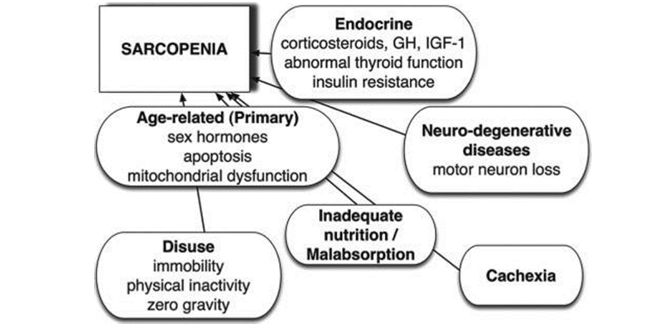
Sarcopenia, a condition prevalent in older people, involves a decrease in muscle mass and strength, which increases the risk of falls and disability.
How to detect sarcopenia?
Sarcopenia is a condition that causes weakness and loss of muscle mass, particularly in older individuals.
This condition also reduces mobility, which in turn can discourage physical activity, an essential strategy for managing sarcopenia. Typical symptoms of sarcopenia include:
- Loss of muscle strength.
- Decreased physical endurance.
- Difficulties in carrying out daily activities.
- Increased incidence of falls and injuries.
- Loss of independence in daily activities.
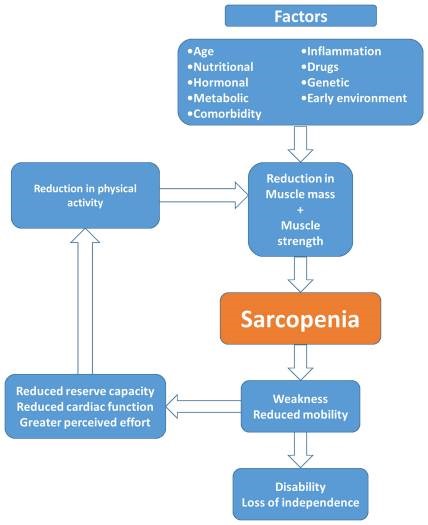
How to fight it? Sarcopenia supplements
There are several strategies to treat the progression of the disease, including exercise and strength training, as well as maintaining a balanced diet with meat and fish consumption.
| Nutrient | Recommended dose |
| Protein | 1-1.2 grams/Kg/day |
| Leucine | 2.5-2.8 grams per meal |
| HMB | 3 grams/day |
| Vitamin D | 800-1000 IU/day |
| Vitamin E | 400 IU/day |
| Vitamin C | 45-90 mg/day |
| Magnesium | 300 mg/day men; 270 mg/day women |
| Selenium | 25-75 mcg/day |
| Calcium | 1000-1200 mg/day |
| Probiotics | 400 mcg/day |
| Nitrates | 3.7 mg/day |
| Collagen | 50 ml/day |
| Polyphenols | > 500 mg |
1 Boost your diet with protein powder
The studies reviewed indicate that protein powder supplementation, particularly of animal origin, can contribute to muscle mass gain in older people, especially when combined with resistance training.
The results suggest that people who consume more than 0.96 g/kg protein per day tend to have greater muscle mass.

Evowhey Protein by SportSeries.
Optimise your muscle growth with Leucine
Amino acids, such as leucine, are essential for protein formation and muscle health.
Increased leucine may improve muscle protein synthesis, especially in older adults. However, leucine should be combined with exercise to maximise its benefits on muscle mass.

L-Leucine powder by RawSeries.
3 Essential vitamins for muscle health
The vitamin D/VDR axis plays an important role in the regulation of biological processes relevant to sarcopenia, such as proteolysis, mitochondrial function, cellular senescence and adiposity. Vitamin D deficiency can lead to increased muscle protein breakdown and impaired mitochondrial function, which can lead to sarcopenia.
Clinical studies suggest that vitamin D deficiency, common in older people due to poor intestinal absorption, reduced sun exposure and chronic renal failure, may accelerate muscle wasting.
Vitamins C and E, known for their antioxidant properties, have also been studied in relation to sarcopenia. It is thought that they may prevent oxidative damage, which has been linked to age-related muscle atrophy.
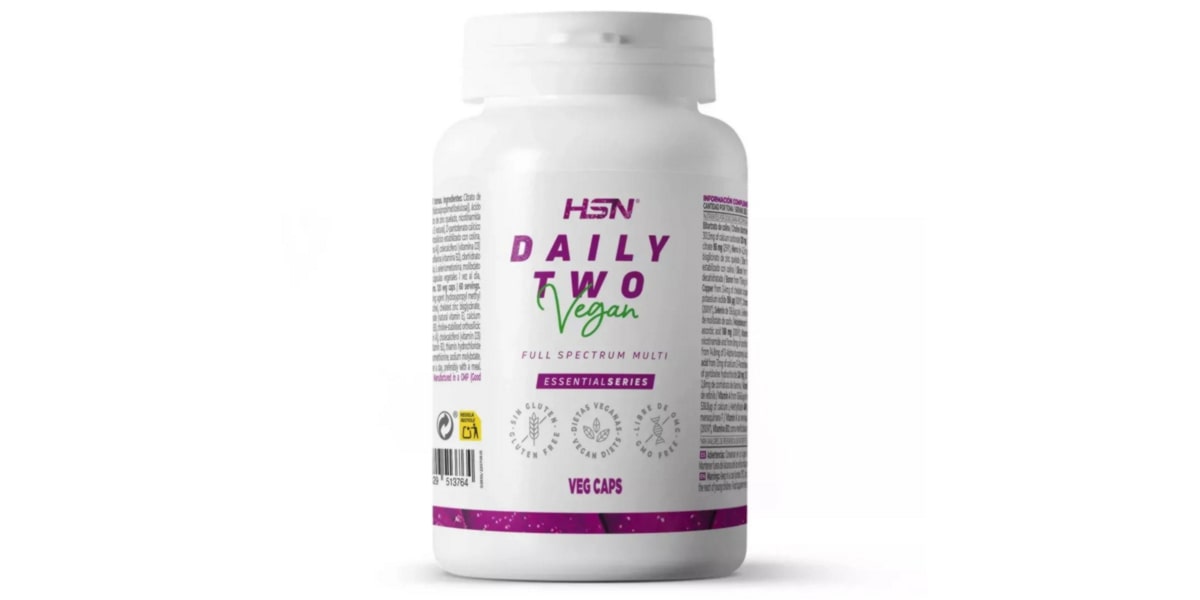
Daily Two Multivitamin by EssentialSeries.
4 Mineral supply for muscular protection
Minerals, such as calcium, magnesium, sodium and selenium, play a crucial role in muscle health. It has been found that people with sarcopenia, a disease that causes loss of muscle mass, tend to have lower intakes of these nutrients.
Magnesium is involved in several physiological processes, including the maintenance of muscle mass. Studies indicate that supplementation may promote muscle regeneration and protect muscle mass against ageing.
Although more research is needed, existing studies suggest that magnesium supplementation may slow age-related muscle loss.
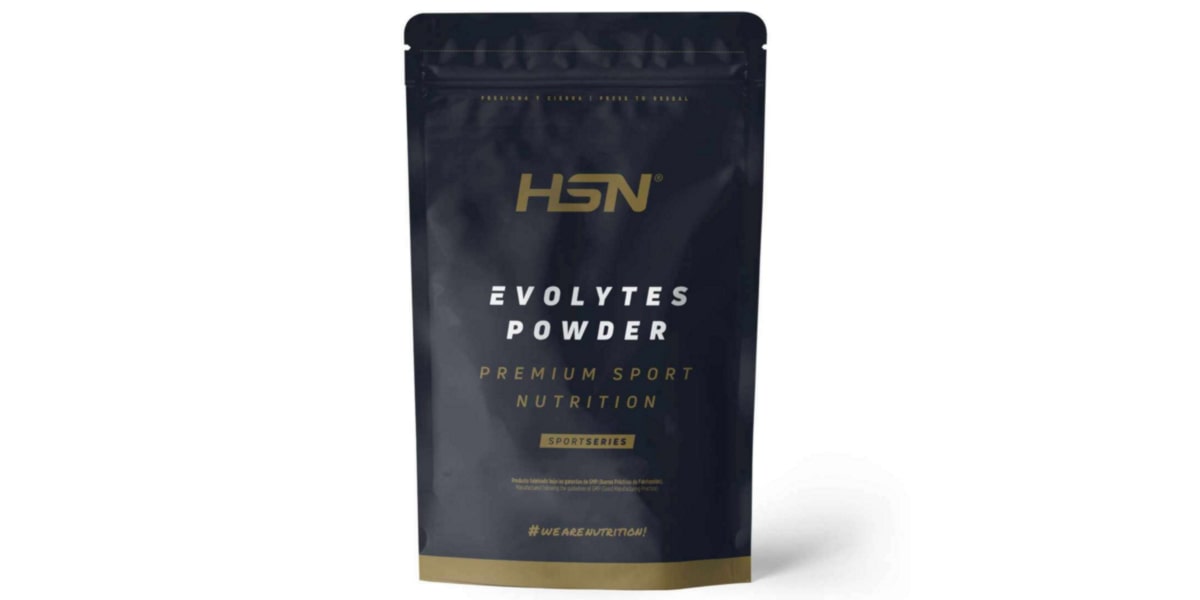
Evolytes powder by SportSeries.
5 Omega-3 Fatty Acids to prevent muscle atrophy
Omega-3 fatty acids, found in nuts, seeds, canola oil, and fish oil, can have multiple health benefits, especially for the maintenance of muscle tissue.
These acids attenuate the inflammation and cell death that leads to muscle atrophy and promote mitochondrial biogenesis and muscle fibre remodelling.
Studies have found that omega-3s may be useful in the treatment of sarcopenia by reducing the chronic inflammation associated with ageing.
Omega-3 supplementation has been shown to promote muscle mass and improve muscle strength.

Omega-3 Fish Oil 1000mg by EssentialSeries.
6 Creatine to increase energy reserves
Supplementation with creatine, a natural amino acid compound, is important for muscle function and energy production. It comes both from the diet (mainly red meat and seafood) and from endogenous production in the kidneys and liver.
Creatine can improve muscle function by providing energy reserves to meet anaerobic energy needs.
It may also protect against mitochondrial damage caused by oxidation, which may reduce inflammation and muscle damage. It is recommended that older adults supplement creatine along with endurance training.
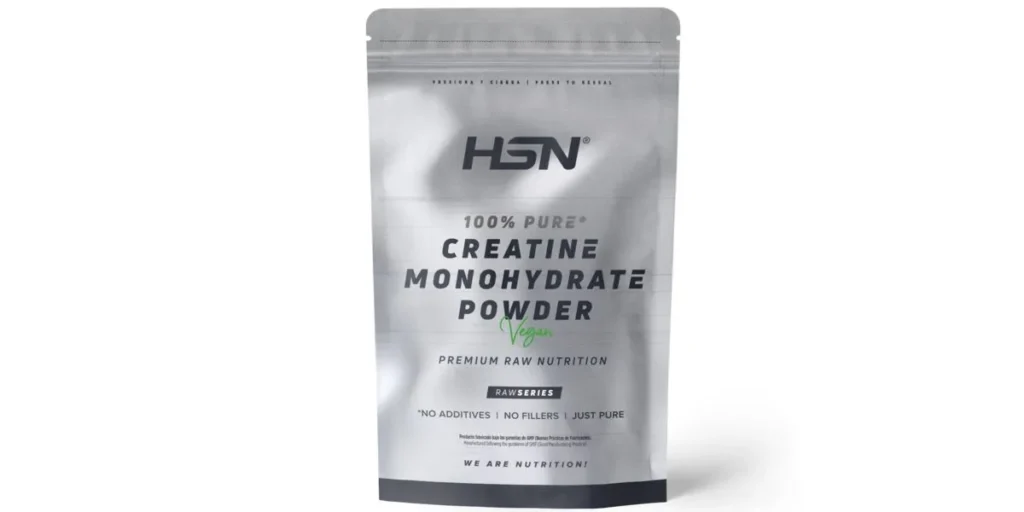
Creatine Monohydrate Powder by RawSeries.
7 Probiotics and Prebiotics to improve digestive health
Probiotics are bacteria that are beneficial to our digestive system, while prebiotics are substances that promote the growth of these bacteria. The combination of the two is called symbiotics.
Probiotics and prebiotics can influence health by affecting the composition of the gut microbiota. In people in poor health, beneficial bacteria can decrease and harmful bacteria increase, which can lead to inflammation and loss of muscle mass. Probiotics can limit this inflammation and promote the production of metabolites that improve muscle health.
Probiotic supplements have been shown to benefit patients with certain conditions, such as COPD and sarcopenia, by improving strength and walking speed.
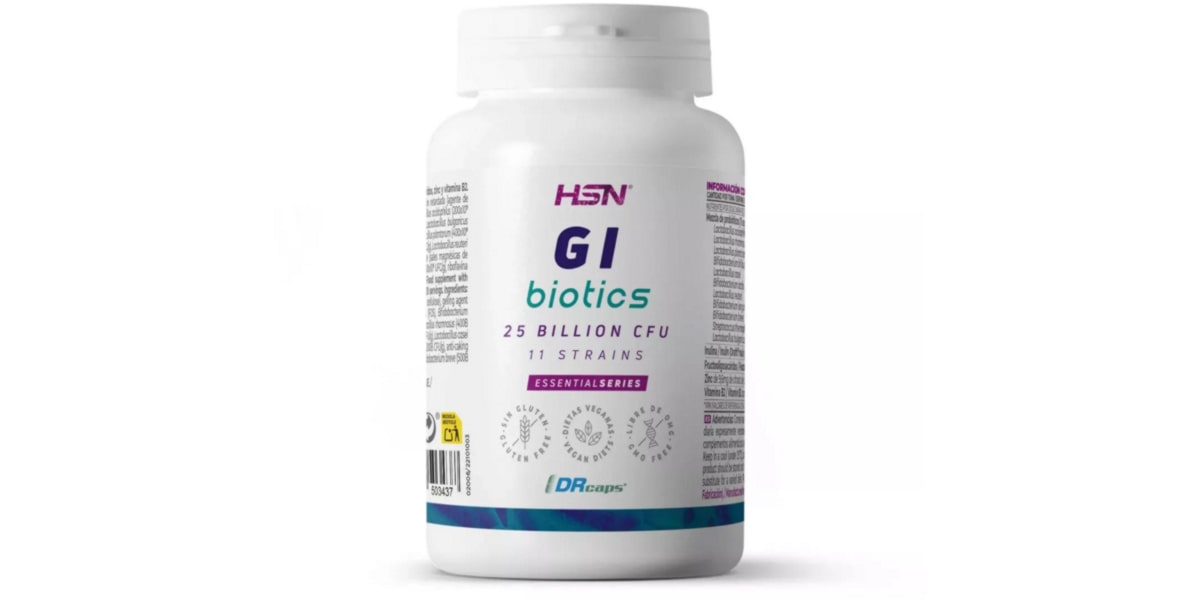
GI Biotics (Probiotics) 25B CFU from EssentialSeries.
8 Collagen as a potential muscle-building ally
Collagen, the body’s main structural protein and a crucial component of connective tissue, may be beneficial in combating sarcopenia by helping to increase muscle mass and strength.
Its consumption may be more effective than other high-quality protein sources, such as casein or whey protein, in providing the amino acid precursors needed for connective tissue.
9 Antioxidant benefits of polyphenols in food
Polyphenols are plant compounds with antioxidant and anti-inflammatory properties, abundant in fruits, vegetables, coffee, etc. Their effect on muscle atrophy is related to the inhibition of certain inflammatory processes and the promotion of protein synthesis.
Resveratrol, a type of polyphenol, has shown muscle health benefits in animal experiments and in some clinical studies.

Resveratrol 120mg by EssentialSeries.
Bibliographic sources
- Dhillon, R. J. S., & Hasni, S. (2017). Pathogenesis and Management of Sarcopenia. Clinics in Geriatric Medicine, 33(1), 17–26. https://doi.org/10.1016/j.cger.2016.08.002
- Fuggle, N., Shaw, S., Dennison, E., & Cooper, C. (2017). Sarcopenia. Best Practice & Research. Clinical Rheumatology, 31(2), 218–242. https://doi.org/10.1016/j.berh.2017.11.007.
- Kim, T. N., & Choi, K. M. (2013). Sarcopenia: definition, epidemiology, and pathophysiology. Journal of Bone Metabolism, 20(1), 1–10. https://doi.org/10.11005/jbm.2013.20.1.1.
- Moon, A., Heywood, L., Rutherford, S., Cobbold, C., A, C. M., Heywood, L., … Creatine, C. C. (2015). Creatine Supplementation in the Elderly : is Resistance Training Really Needed ?, 2(2).
- Leucine supplementation improves muscle protein synthesis in elderly men independently of hyperaminoacidaemia J Physiol August 15, 2006 575 (1) 305-315; published ahead of print June 15, 2006, doi:10.1113/jphysiol.2006.110742.
- Front. Nutr., 10 July 2023. Sec. Clinical Nutrition, Volume 10 – 2023 | https://doi.org/10.3389/fnut.2023.1189522.
Related Entries
- What prevents the formation of muscle mass?
- Formulas for slow and healthy ageing.
- How to block myostatin to maximise muscle growth?.