Fitness, Nutrition, Health and Sports Blog In the HSNstore Blog you will find tips about Fitness, sport in general, nutrition, and health – HSNstore.com

We share the 10 best carbohydrate sources for athletes
Carbohydrates, energy source for the athlete
Starting from the fact that glucose is the preferred energy source for muscles and that it is provided by carbohydrates, it’s easy to figure out that to achieve optimal muscle performance, we need to follow a carb-rich diet.
Before, during, and after training, high glycemic index carbs are the best. The rest of the time, carbs should come from low glycemic index foods that provide lasting energy and are packed with other nutrients.
Here are some of the best carbohydrate sources for athletes
1. Fruits
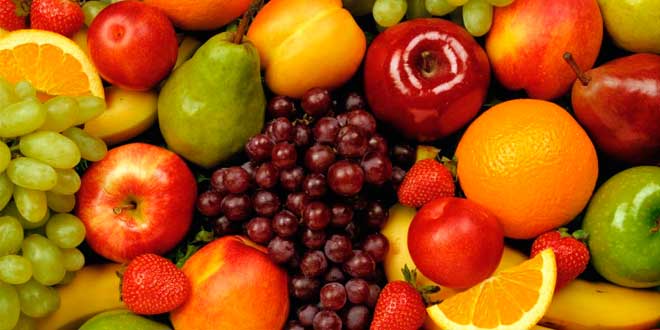
Besides being an important carb source, they also provide a significant amount of vitamins and minerals needed for athletic performance, no matter what sport you do.
Before training, choose a fruit with a low glycemic index like pear and apple, two seasonal fruits that are easy to find and also give you plenty of vitamins and pectin. Red fruits like strawberries, blackberries, blueberries, and cherries are also great options before working out, as they have low glycemic indexes and are rich in antioxidants. Grapes and grapefruit are other varieties not to forget before exercise.
After exercising, add high glycemic index carbs like ripe banana, watermelon, sweet melon, orange, which also help replenish minerals lost during exercise.
2. Energy bars

Energy bars are specifically designed for use before, during, and after exercise. They’re excellent for fueling and refueling around workouts, providing abundant, fast energy.
Before and after training, pick bars high in carbs, moderate in protein, and low in fat and fiber.
You can eat them pretty quickly, no extra utensils needed. They take up little space and fit in a bag or pocket.
3. Sports drinks

Drinks made specifically for sports provide the carbs needed to fuel muscles. Besides carbs, they contain water and are usually enriched with electrolytes for optimal hydration.
Due to their high sugar content, these products should only be used immediately before, during, and after training and races.
4. Brown rice

Cereal grains like brown rice are some of the richest carb sources. One cup of brown rice has 45 g of carbs.
Rice is very low in sodium, has a low amount of simple sugars, and contains no fat. Brown rice is considered healthier than white rice because it contains more fiber, vitamins, and minerals. It’s also absorbed more slowly (low glycemic index), providing prolonged energy. Rice is rich in phosphorus, zinc, niacin, and vitamin B6.
5. Legumes

Legumes are one of the most important foods to include in athletes’ diets because of their high plant protein content, so they don’t provide saturated fats like red meats, nor cholesterol.
While legumes are relatively rich in carbs, a substantial part of those are fiber, and their overall glycemic load is quite low. Legumes are also an excellent source of iron, protein, folic acid, and essential minerals.
Legumes provide great satiety when eaten, so they can help with weight loss without hunger, as their fiber requires chewing and delays digestion, keeping appetite in check longer.
Like rice, they’re very versatile and allow for a wide variety of meals and combinations with vegetables, meats, dairy, or cereals. Avoid eating legumes before exercise because they are gas-forming.
6. Low-fat yogurt

Low-fat dairy-based foods like yogurt are very rich carb sources. A low-fat yogurt provides 26 g of carbs. Low-fat yogurt is a great option before and immediately after training, as it has a high glycemic index, so the carbs serve as fuel for your workout.
Most yogurts, even those with fruit, include added sugars, which are unnecessary and make them less healthy. So try to find yogurts without added sugar.
7. Oat flakes

Oats are almost a must-have ingredient in shakes, breakfasts, and other meals for athletes. This is not only because of their richness in complex carbohydrates (half a cup gives you a whopping 54 g) but also because this cereal has many other nutritional benefits.
It has a good amount of fiber, making oats a low glycemic index cereal, contains significant protein, has unsaturated fats, and also provides valuable micronutrients for sports.
Plus, oats are very versatile and paired with fruits, milk, or yogurt, they’re a great option both before and after training for proper recovery.
8. Whole grain bread and pasta
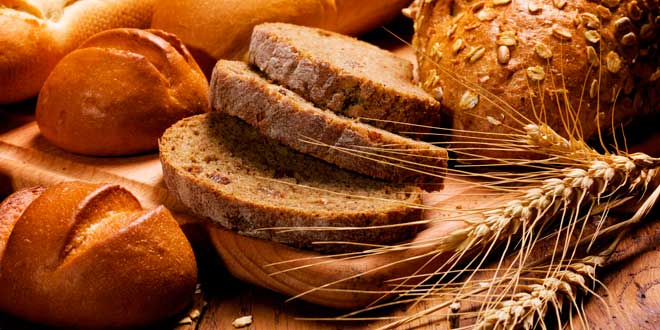
Foods made with whole grain flours, besides being richer in nutrients than refined ones, are much more filling due to their high fiber content.
They also help avoid digestive problems since the stomach processes them more easily. Whole grain foods have a lower glycemic index than refined ones, meaning they affect insulin secretion more slowly after eating.
They also contain higher amounts of vitamins and minerals than processed foods. These foods are liked by almost everyone for their taste and texture, and they pair well with almost any food.
9. Quinoa

Technically a seed, not a grain, quinoa is a good source of protein and fiber, and has a very low glycemic index.
It’s also rich in iron, has a complete amino acid profile (ideal for vegetarians), and cooks very quickly.
You can find it in specialty food stores and consume it mixed with milk, cereal drinks, yogurt… It comes as flakes, flour, or even mixed with other cereals as muesli.
10. Potatoes

Potatoes don’t have a great reputation in diets because they’re associated with oil, frying, and fat, but that doesn’t have to be the case. Boiled potatoes add no extra fat and give us plenty of useful energy.
Today, potatoes are a basic staple in diets; they’re an affordable product with excellent culinary versatility. Beyond enjoying their flavor in countless ways, these tubers have many nutritional advantages.
Potatoes are good carb sources, quite rich in vitamin C, vitamin B6, and essential minerals for athletes like potassium, plus small amounts of other minerals like magnesium and iron.
Related Posts
- What do the colors of fruits and vegetables tell us?
- Staying hydrated with water-rich fruits and vegetables
- Energy bars with rice, oats, and whey protein
- Hydration and sports drinks
- Benefits of brown rice
- Yogurt, a great immune system support
- Oats and their properties for staying fit
- Bread myths
- Benefits of Ezekiel bread
- Quinoa, food for a fitness diet
- Fitness potato omelette recipe