 Fitness, Nutrition, Health and Sports Blog In the HSNstore Blog you will find tips about Fitness, sport in general, nutrition, and health – HSNstore.com


To clear up any doubts that might come up about the relationships between Proteins, Carbohydrates, and Fats, we decided to put together this post with the most common questions you’ve asked us in the comments on our blog. Pay close attention, because we’ll try to clear up and bust some myths.
1. Can Carbohydrates form Glucose?
The answer is yes.
Carbohydrates, as their name suggests, are compounds that have carbon and water in their structure, so they follow the chemical formula (CH2O)n. The most important one is glucose, which has 6 carbons, 12 hydrogens, and 6 oxygens (n=6). Glycogen is a polymer of glucose, that is, glycogen = (glucose)n = (C6H12O6)n.
2. Can Fats form Glucose?
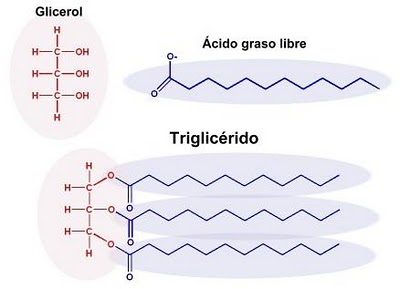
Fatty acids can’t, but glycerol can.
- Glucose = C6H12O6
- Fatty acids: CH3 – (CH2)n – COOH → As you can see, fatty acids don’t have a structure similar to glucose, so they can’t be directly converted into glucose.
- GLYCEROL = (C3H8O3) → Although it’s more complex than what I’m showing here, it’s a molecule derived from a fatty acid. This gives it a structure more like glucose, which helps it join with other molecules to form glucose.
3. Can Proteins form Glucose?
Only glucogenic amino acids.
These are the ones that can be oxidized aerobically to get energy. They are: Serine, Alanine, Glycine, Valine, Methionine, Cysteine, Proline, Aspartate, Glycine, Asparagine, Glucine, Arginine, and Histidine.
Also, there are others that, although not purely glucogenic, can be used as an energy source. They’re called “glucoketogenic” and include: Isoleucine, Phenylalanine, Threonine, Tryptophan, Hydroxyproline, and Tyrosine.
4. Can Carbohydrates form Amino Acids?
Yes, if a nitrogen group and non-essential amino acids are added to the carbon skeleton.
This doesn’t usually happen because these aren’t spontaneous chemical reactions (that naturally occur in nature). However, when there’s a positive nitrogen balance in the body and the right conditions are met, it could happen.
It’s likely to occur in athletes who want to increase muscle mass without raising fat levels. For that, both training and calorie intake need to be balanced.
5. Can Fats form Amino Acids? (form muscle?)
The answer is no.
- Fatty acids: CH3 – (CH2)n – COOH
- AMINO ACIDS: NH2 – CHRad – COOH → As you can see, amino acids contain nitrogen (N), so fatty acids, which don’t have nitrogen, can’t naturally form these compounds (although it could be done artificially, like in the previous case).
6. Can Proteins form Amino Acids?
The answer is yes.
Proteins are made up of small molecules called amino acids (aa’s) that link together through what’s called a peptide bond. The joining of these amino acids forms peptides.
- If the number of amino acids joined is less than ten, the peptide is called an oligopeptide.
- If the chain has more than 50 amino acids (which can repeat, since there are only 22 amino acids), we’re talking about proteins.
7. Can Carbohydrates form Fats?
The answer is yes.
Excess glucose beyond calorie needs is converted into fatty acids, and these into triglycerides, which get stored in adipose tissue. That’s why, generally speaking, when you want to gain muscle volume and follow a hypercaloric diet with a focus on carbs, that muscle gain usually comes with a small increase in body fat percentage.
8. Can Fats form adipose tissue?
Yes.
Quantitatively, the biggest energy storage is in the form of fat. From a nutritional point of view, the most important are triglycerides, phospholipids, and cholesterol.
When the muscle’s energy demand at rest is high (fast metabolism), a high percentage of ingested fats and adipose tissue try to cover that energy demand. However, when this doesn’t happen (slow metabolism), ingested fats accumulate as adipose tissue as an energy reserve.
9. Can Proteins form Fat?
Yes, ketogenic amino acids.
When there’s an imbalance between carbohydrate and lipid metabolism, the liver forms “ketone bodies” from fatty acid breakdown. This synthesis happens in response to low blood glucose levels and after cellular glycogen stores are depleted.
In this situation, amino acids can be used to get free fatty acids that will be immediately oxidized. Along with pure ketogenic amino acids (Lysine and Leucine), glucoketogenic ones also have this ability (Isoleucine, Phenylalanine, Threonine, Tryptophan, Hydroxyproline, and Tyrosine).
!!IMPORTANT!!
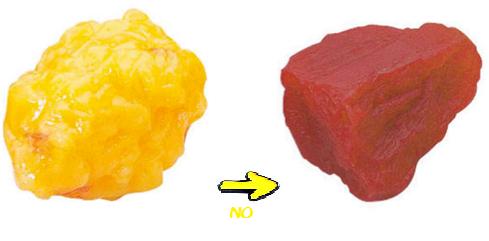
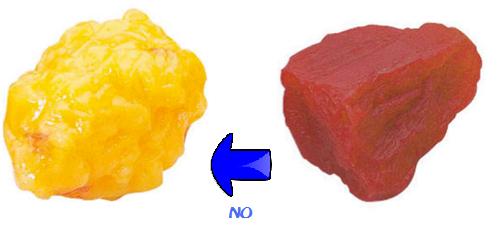
This doesn’t mean muscle turns into or is stored as adipose tissue if it’s not used (a common myth). It means proteins can be broken down to get free fatty acids in the blood to produce energy.Excess protein in the diet leads to this. When you eat more than 2-2.5 g protein/kg body weight, those extra grams are “wasted.” Instead of “building muscle,” we’re getting energy, so… why not get the same calories from carbs and use protein to last longer?
Sources
- Calderón Montero, FJ. Sports Physiology (2nd edition). Ed TÉBAR, S.L., Madrid, 2007.
- Chicharro JL, Fernandez Vaquero A. Exercise Physiology (3rd ed). Ed. Panamericana, Madrid, 2006
- Pérez-Guisado J. Ketogenic diets: additional benefits for weight loss and unfounded side effects. Alan. 2008.
- Pérez-Guisado J. Ketogenic diets: fundamentals and effectiveness for weight loss. Alan. 2008; 58:126-31.
- Wilmore, Jack H. & Costill, David L. Physiology of Effort and Sport (6th ed). Editorial Paidotribo, Barcelona. 2007.