Fitness, Nutrition, Health and Sports Blog In the HSNstore Blog you will find tips about Fitness, sport in general, nutrition, and health – HSNstore.com

- Protein supplements, containing all essential and non-essential amino acids, are key to promoting muscle growth, reducing protein breakdown and resynthesising muscle glycogen.
- Amino acid supplements support muscle recovery and protein synthesis and are a useful option for vegetarians, vegans and people with lactose intolerance.
- Therefore, you should choose one or the other depending on your sporting goals, although taking them together to boost recovery is also a good bet.
| Objectives | Proteins | Amino acids |
| Muscle gain |  | |
| Fast recovery after training | | |
| Improve endurance and performance | | |
| Weight loss | | |
| Improve digestion and reduce lactose intolerance | | |
| Improve nutrient absorption | | |
| Avoid muscle degradation | | |
Key Differences between Proteins and Amino Acids
| Proteins | Amino acids | |
| Content | It contains all the necessary amino acids, including non-essential ones, as well as bioactive peptides. | Essential amino acids (such as BCAAs) or conditionally essential amino acids (such as glutamine) are normally consumed. |
| Absorption | It is slower as the protein must be broken down into amino acids. | It is faster as it does not require a digestion process. |
| Compatibility | It may cause problems in people with lactose intolerance (if whey protein is consumed). | A more tolerable alternative for people with lactose intolerance or digestive problems. |
| Objectives | Sports performance | Muscle recovery |
| Combinations | They can be consumed with amino acids, creatine and carbohydrates. | They can be combined with other supplements such as creatine, carbohydrates or pre-workout supplements. |
What is the best supplement for your goals?
Protein and amino acid supplements can play different roles depending on what stage you are at in your training or diet.
Muscle gain phase
This phase requires extra calories and protein. Protein supplements, such as whey, are excellent for this purpose as they provide a significant amount of high quality protein.
Amino acids, especially BCAAs, can promote protein synthesis and improve muscle recovery, key aspects for muscle growth.
Fat loss phase
The goal is to lose body fat while maintaining as much muscle mass as possible. Protein intake is essential to preserve muscle mass during a low-calorie diet.

Protein supplements can be a successful way to ensure adequate protein intake without adding too many calories.
Maintenance phase
The aim is to maintain the muscle mass that has been gained. Both protein and amino acids can be beneficial for maintaining muscle mass and aiding recovery after training.
What does protein contribute to sports performance?
Protein powder is an essential nutritional supplement to meet daily protein requirements.
- It helps to retain nitrogen.
- It promotes muscle growth.
- It reduces protein degradation caused by diet and physical stress.
- It promotes muscle glycogen resynthesis after exercise.
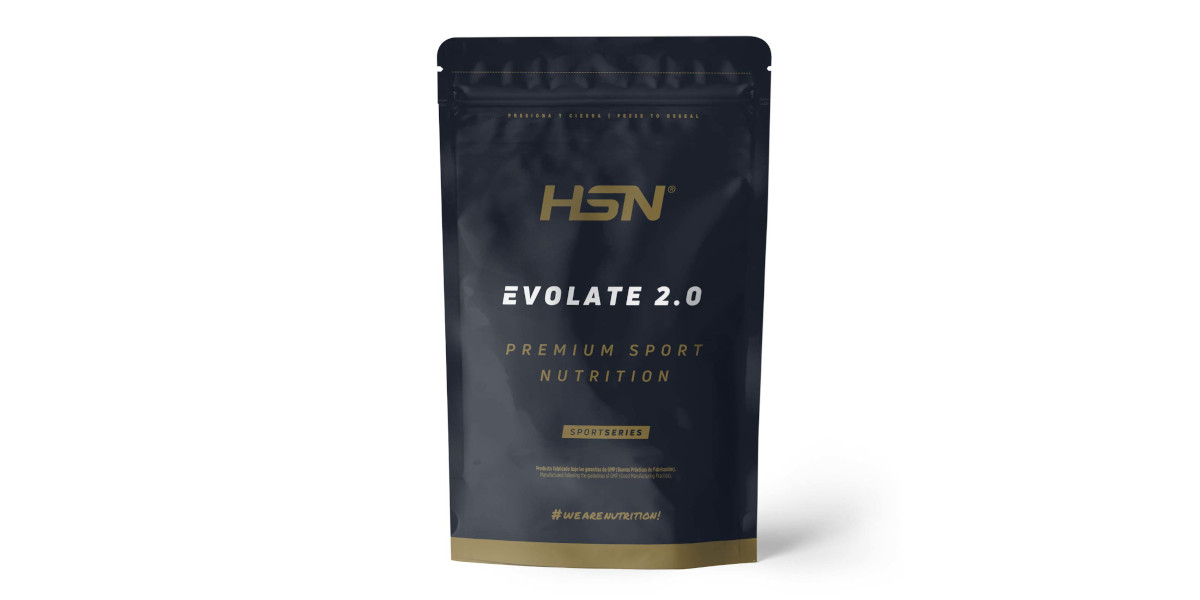
Evolate 2.0 (Whey Isolate CFM).
What do amino acids contribute to sports performance?
Natural amino acid supplements provide a direct route for obtaining these compounds, bypassing the digestion and breakdown process necessary for protein intake.
- They promote protein synthesis.
- They speed up muscle recovery.
- They improve sports performance.
- They support the immune system.
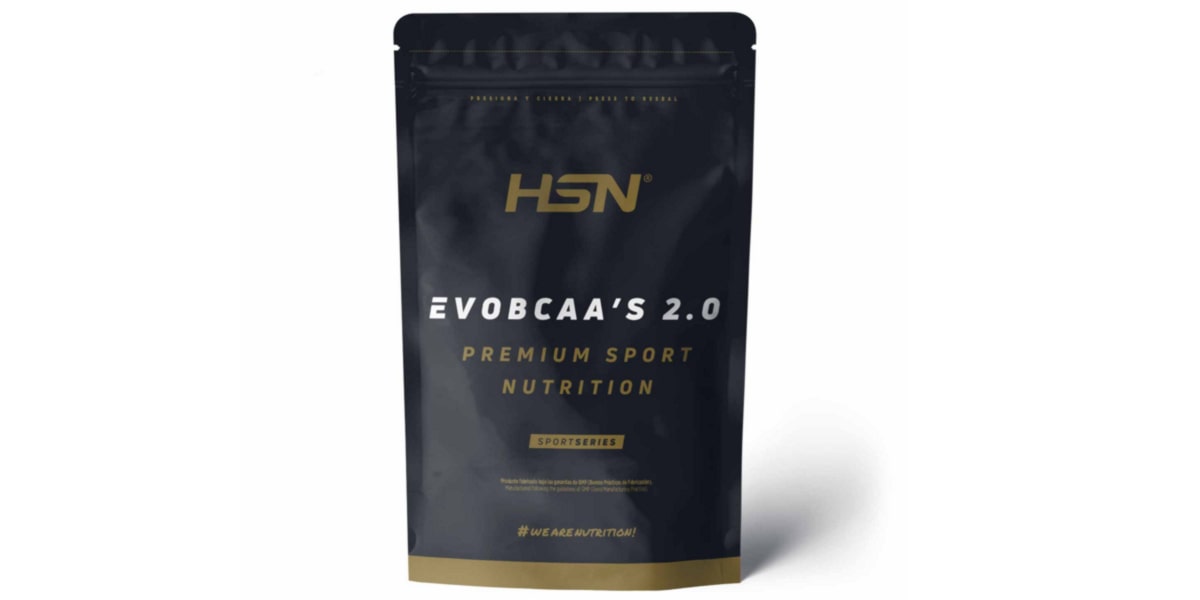
Evobcaa’s 2.0 (BCAA’s 12:1:1 + Glutamine).
Amino Acids for Vegans or Vegetarians
A special case that may be of interest to people who follow a vegan or vegetarian diet, would be to include in their diet certain types of amino acids that may be deficient, such as Lysine or Leucine.
Among the cases in which we can make use of amino acid supplementation would be among others:
- Tryptophan, used to mitigate depressive symptoms, improve mood, as well as being a precursor of serotonin.
- Aspartic acid, used as a hormone enhancer, optimises free testosterone levels.
- Arginine, used for its vasodilator properties, increasing sports performance. It is a precursor of nitric oxide. It is a precursor of nitric oxide.
Related Entries
- Find out what whey protein is and what it is used for.
- Essential Amino Acids EAAs and their incredible benefits.
- How and when to take amino acids?
- Do you know how protein can help you lose weight?