Fitness, Nutrition, Health and Sports Blog In the HSNstore Blog you will find tips about Fitness, sport in general, nutrition, and health – HSNstore.com

Protein shakes have gained popularity among those looking to lose weight. But are they really effective for this purpose?
In this post, we will explain how protein can influence weight loss and how to incorporate protein shakes effectively into your diet.
Why can protein help with weight loss?
Protein is an essential nutrient that plays multiple roles in the body:
- Prolonged satiety: Consuming protein can increase the feeling of fullness more than carbohydrates or fats, which may help reduce total calorie intake.
- Muscle mass maintenance: During weight loss, preserving muscle mass is crucial. Protein helps repair and build muscle tissue, which is essential for keeping metabolism active.
- Thermogenic effect: The body burns more energy digesting protein than other macronutrients, which can slightly increase daily calorie expenditure.

How to take protein shakes for weight loss
Incorporating protein shakes effectively into your diet can boost your weight loss efforts. Here are some recommendations on how to do it:
- Replace light meals or snacks: Use protein shakes as a substitute for high-calorie snacks or light meals. This will help you reduce total calorie intake while keeping you full.
- Choose the right type of protein: Opt for high-quality protein, such as whey or plant-based proteins if you follow a vegan or vegetarian diet. Make sure the product has low added sugars and saturated fats.
- Control portions: Follow the product’s dosage recommendations and avoid adding high-calorie ingredients like sugar, honey, or excessive fruit.
- Integrate shakes into a balanced meal plan: Do not rely solely on shakes. Combine them with a diet rich in vegetables, fruits, whole grains, and other sources of lean protein.
- Stay hydrated: Drink enough water throughout the day to support metabolism and protein digestion.
Considerations when incorporating protein shakes
While protein shakes can be beneficial, it is important to keep the following in mind:
- They are not a magic solution: On their own, they will not cause weight loss. They should be part of a balanced diet and an active lifestyle.
- Caloric content: Some commercial shakes may contain added sugars and extra calories. It is essential to read labels and opt for options with simple, natural ingredients.
- Individual needs: The amount of protein needed varies from person to person. Consulting a health professional or nutritionist can help determine the right intake.
How much protein do you need per day to lose weight?
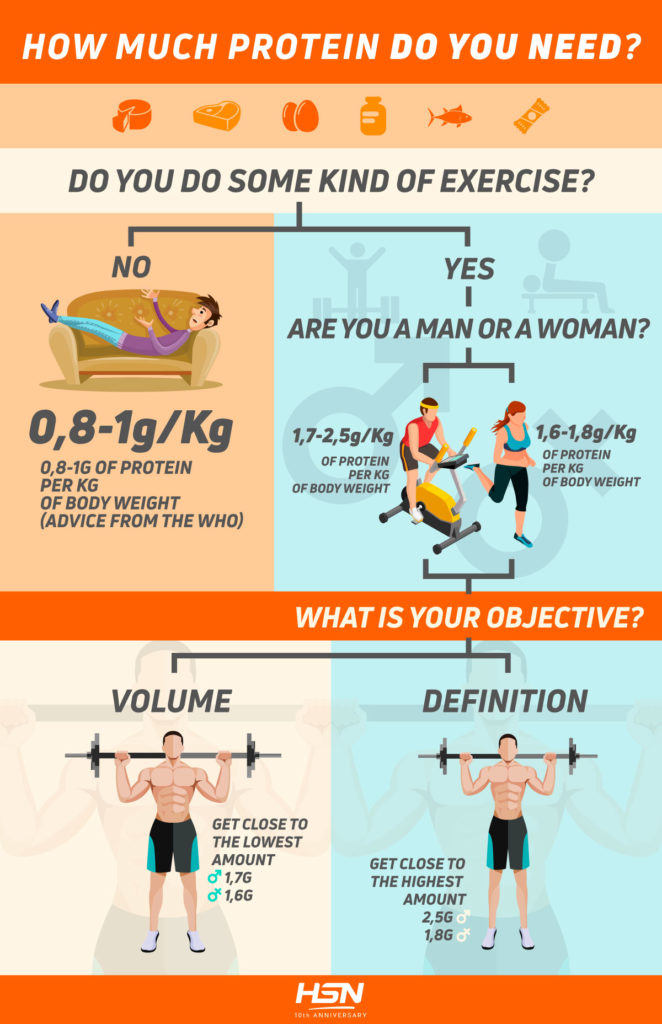
One of the most common questions is how much protein should be consumed to lose weight effectively. Not everyone has the same needs, so here is a general guide to adapt your intake according to your goals.
The optimal amount of protein you need depends on your weight, physical activity level, and goals.
- General recommendation: Consume between 1.6 and 2.2 grams of protein per kilogram of body weight to support fat loss and preserve muscle mass.
Best protein shakes at HSN for weight loss
Knowing the best protein shakes can help you make healthier choices and maximise their benefits for weight loss.
Evolate 2.0 (Whey Isolate CFM)
A high-purity whey protein isolate, low in fats and carbohydrates.
Buy Evolate 2.0 Isolate Protein HSN
- High protein content: Helps increase satiety and reduce appetite.
- Low in calories: Ideal for low-calorie diets.
- Fast absorption: Perfect post-workout to support muscle recovery.
Evowhey Protein
A whey protein concentrate that offers excellent value for money.
Buy Evowhey Protein Concentrate HSN
- Complete amino acid source: Helps maintain muscle mass.
- Versatile: Can be used at any time of day to increase protein intake.
- Variety of flavours: Makes it easier to include in your daily diet without getting bored.
Pea Protein Isolate 2.0
Plant-based protein derived from yellow peas, suitable for vegans and vegetarians.
- High in protein and low in fat: Helps control calorie intake.
- Free from common allergens: Gluten and lactose-free.
- Increases satiety: Helps reduce hunger between meals.
When to take protein shakes for weight loss?
The key times of the day when your body can benefit the most from protein consumption to enhance fat loss are:
- Breakfast: Start the day with a protein shake to keep you full throughout the morning.
- Before and after training: Consuming protein before training can improve performance, while taking it afterwards aids recovery and muscle synthesis.
- Before bed: Taking a slow-digesting protein like casein can promote muscle recovery overnight.
Can protein shakes cause weight gain?
If consumed in excess, protein shakes could contribute to weight gain. Consuming more calories than the body burns leads to a calorie surplus, which is stored as body fat, regardless of whether those calories come from protein, carbohydrates, or fats.
Therefore, it is essential to incorporate protein shakes within the context of a calorie-controlled diet.
It is also important not to rely solely on shakes as a source of nutrition. Replacing whole meals with shakes without considering nutrient balance can lead to nutritional deficiencies and negatively affect long-term health.
Sources
- Leidy HJ, Clifton PM, Astrup A, Wycherley TP, Westerterp-Plantenga MS, Luscombe-Marsh ND, Woods SC, Mattes RD. The role of protein in weight loss and maintenance. Am J Clin Nutr. 2015 Jun;101(6):1320S-1329S. Epub 2015 Apr 29.
- Long SJ, Jeffcoat AR, Millward DJ. Effect of habitual dietary-protein intake on appetite and satiety. Appetite. 2000 Aug;35(1):79-88.
- MacKenzie-Shalders KL, Byrne NM, Slater GJ, King NA. The effect of a whey protein supplement dose on satiety and food intake in resistance training athletes. Appetite. 2015 Sep;92:178-84. doi: 10.1016/j.appet.2015.05.007. Epub 2015 May 12.
- Klaas R Westerterp. Diet induced thermogenesis. Nutr Metab (Lond). 2004; 1: 5. Published online 2004 Aug 18. doi: 10.1186/1743-7075-1-5
Related Posts:
- High-Protein Foods
- Effects of a High Protein Diet
- How to Lose Fat and Keep Muscle
- Which Offers More Benefits: Protein or Amino Acids?
- Tips for Deciding Whether to Take Protein or Carbohydrates