Fitness, Nutrition, Health and Sports Blog In the HSNstore Blog you will find tips about Fitness, sport in general, nutrition, and health – HSNstore.com

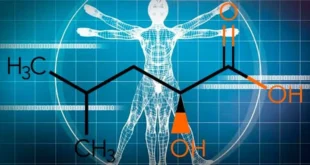
Lysine is gaining prominence as an essential ally for wellbeing. Beyond its well-known benefits for the skin, this amino acid is key for athletes and people looking to support their health.
Why is it so important? Discover how it contributes to the body’s balance, which foods contain it and why it is considered an effective natural resource against problems such as herpes.
1 Prevents osteoporosis
Among the virtues of lysine is the fact that it is able to support calcium absorption by the body, reducing the amount lost through urine.
So far, clinical studies have been carried out in animals showing that lysine food supplements increase calcium absorption in the body, offering an additional contribution against bone loss.
Calcium is an essential substance for bone formation. For this reason, the scientific community believes that this substance contributes to preventing bone loss associated with osteoporosis.
However, this effect in the treatment of osteoporosis has not yet been demonstrated in humans.
2 Treats and prevents mouth ulcers
Herpes outbreaks are extremely annoying. Many people suffer from them recurrently and know just how painful and unsightly they can become. As if that were not enough, they are also transmitted very easily.
Did you know that between 60 and 90% of the population carries herpes simplex virus type 1? That is the case, and the usual cause of cold sores is mainly an infection contracted during the first years of life.
For its part, herpes simplex type 2 is the one that usually causes genital herpes, but it can also lead to an outbreak in the mouth area.
As for lysine, it appears to be effective in addressing this type of condition, to the point that a study carried out by the Southern California University of Health Sciences demonstrated the effectiveness of this substance in 40% of participants just three days after starting treatment and in 87% after six days.
This explains why many topical creams for the treatment of genital warts include lysine, although, a priori, it is not recommended as the main treatment. That said, it is often used in combination with other medicines during remission, although its use must always be monitored by a doctor due to the possible interactions that may occur with medication.

3 Reduces anxiety and nervousness
Lysine helps reduce anxiety and nervousness by intervening in serotonin production, a key neurotransmitter for emotional wellbeing. It also regulates cortisol levels, the stress hormone, which helps reduce feelings of anxiety.
By supporting nervous system function and strengthening the immune system, lysine acts as a natural ally for managing stress and promoting a more balanced response to difficult situations.
4 Improves immune system function
The role that lysine plays in the optimal functioning of the immune system is highly relevant. Indeed, if you lack this amino acid, your immune system will probably end up being affected.
This is why you should provide it to your body as a way to protect your health. We have already indicated that it is an amino acid that you need to obtain through food or food supplements.
You may be thinking that, if you can obtain it through food, why take a supplement of this amino acid? Quite simply because, despite what you may think, you may not be eating as many lysine-rich foods as you should. It may also be the case that you are allergic to certain medicines or follow a vegan or vegetarian diet. In all these cases, we recommend taking the supplement.
5 Works in synergy with collagen
One of the many properties of lysine, and one of the most valued, is its role in promoting the growth and maintenance of connective tissues. Collagen gives cells their structure and keeps them in optimal condition.
For its part, lysine, together with proline and vitamin C, contributes to collagen formation, preventing its deterioration and blocking harmful enzymes.
Who is it recommended for?
You can take lysine to improve multiple aspects of your life, there is no doubt about that, but there are a number of circumstances in which the consumption of this supplement is especially recommended:
- For the treatment of metabolic disorders
- To help address cases of lysine deficiency
- To increase the physical performance of athletes and sportspeople
- To increase calcium levels in the body
- To reduce stress and anxiety
Natural sources of lysine
To increase lysine levels in your diet and take advantage of its benefits, you can include the following foods rich in this essential amino acid:
- Legumes: lentils, chickpeas, beans, tofu, tempeh
- Nuts, grains and seeds: cashews, quinoa, amaranth, pumpkin seeds, pistachios
- Vegetables: leeks, peppers, spinach, beetroot
- Fruits: pear, mango, avocado, apricot
- Animal-derived proteins: eggs, milk, yoghurt, fish, chicken, beef and pork
L-Lysine supplements
At HSN, we offer L-lysine in powder format from RawSeries, a vegan supplement obtained through plant fermentation, which provides this essential amino acid that the body cannot produce on its own. Ideal for vegetarians and vegans.
On the other hand, the L-Lysine food supplement is also available in capsule format, providing 500 mg of the amino acid per capsule.
Does it have side effects?
The side effects of lysine include stomach pain and diarrhoea, if the amounts consumed exceed the manufacturer’s recommendations.
Lysine is an amino acid and, as such, it should be consumed in the diet regardless of a person’s pathological condition. It is preferable to consult a doctor if you wish to use an L-lysine food supplement.
- Are you pregnant or breastfeeding? We apply the same criterion, and it is recommended that you consult the healthcare professional who is treating you beforehand.
Bibliographic sources:
- Uchiyama R, Kupkova K, Shetty SJ, Linford AS, Pray-Grant MG, Wagar LE, Davis MM, Haque R, Gaultier A, Mayo MW, Grant PA, Petri WA Jr, Bekiranov S, Auble DT. Histone H3 lysine 4 methylation signature associated with human undernutrition. Proc Natl Acad Sci U S A. 2018 Nov 12. pii: 201722125. doi: 10.1073/pnas.1722125115.
- Dong W, Zhu X, Zhou X, Yang Y, Yan X, Sun L, Shang D. Potential role of a series of lysine/leucine-rich antimicrobial peptide in inhibiting lipopolysaccharide-induced inflammation. Biochem J. 2018 Oct 29. pii: BCJ20180483. doi: 10.1042/BCJ20180483.
Related Posts
- How to take proteins with glutamine correctly?
- What are the most important functions of glycine?
- How and when to take BCAAs?