Fitness, Nutrition, Health and Sports Blog In the HSNstore Blog you will find tips about Fitness, sport in general, nutrition, and health – HSNstore.com

More and more people are going vegan, whether for ethical, health, or sustainability reasons. When done right, a vegan diet can be perfectly healthy. However, some key nutrients need special attention, and that’s where supplementation plays a crucial role.
In this guide, we explain clearly, in a friendly way and based on science, which supplements might be needed on a vegan diet, when to use them, and how to choose them properly.
Some nutrients are naturally found and highly bioavailable in animal-based foods, such as:
- Vitamin B12.
- DHA and EPA (omega 3).
- Heme iron.
- Highly absorbable calcium.
- Zinc and iodine.
Leading nutrition societies agree on certain nutrients
Vitamin B12: the must-have supplement on vegan diets
If you’re vegan or vegetarian, this is non-negotiable. B12 is of bacterial origin, and due to modern hygiene of soils and foods, we can’t reliably get it from plants. Also, vitamin B12 isn’t actively and safely present in plant foods. Algae, fermented foods, or “superfoods” aren’t reliable sources since they contain inactive analogues.
Types of B12:
- Cyanocobalamin: very stable and backed by strong scientific evidence.
- Methylcobalamin: active form, interesting in certain cases.
Both are valid if properly dosed, with the key being dose and consistency.
Recommended doses:
- Daily use: 25–100 µg/day.
- Weekly use: 1.000–2.000 µg/week.
Vegan protein: how to cover daily needs
Where do you get your protein? The million-dollar question. The truth is plants have all essential amino acids, so plant proteins can perfectly cover needs if:
- They’re consumed in sufficient amounts.
- They’re combined properly.
Some plant sources are low in certain amino acids. That’s why well-formulated vegan protein powders combine legumes, cereals, or seeds to achieve a complete profile.
Differences between vegan and animal protein:
- Lower natural leucine content.
- Slightly slower digestion.
- Great option for people with intolerances.
How much protein to take? One of the key points depends on our condition, meaning it can be split into sedentary vs active people:
- Active people: 1,2–1,6 g/kg/day.
- Athletes: up to 2 g/kg/day.
Here, vegan protein powder is a great ally.
Vegan omega 3: key for health and performance
A common mistake is thinking flax or chia seeds are enough. They provide ALA, but our body is very inefficient at converting ALA into DHA and EPA (the ones that really take care of your brain and heart).
The real source: fish have Omega 3 because they eat algae. By taking algae oil supplements, you go straight to the source, pure and free of heavy metals.
It’s essential to reduce inflammation after exercise and maintain optimal cognitive function.
Iron in vegan diets: when to supplement
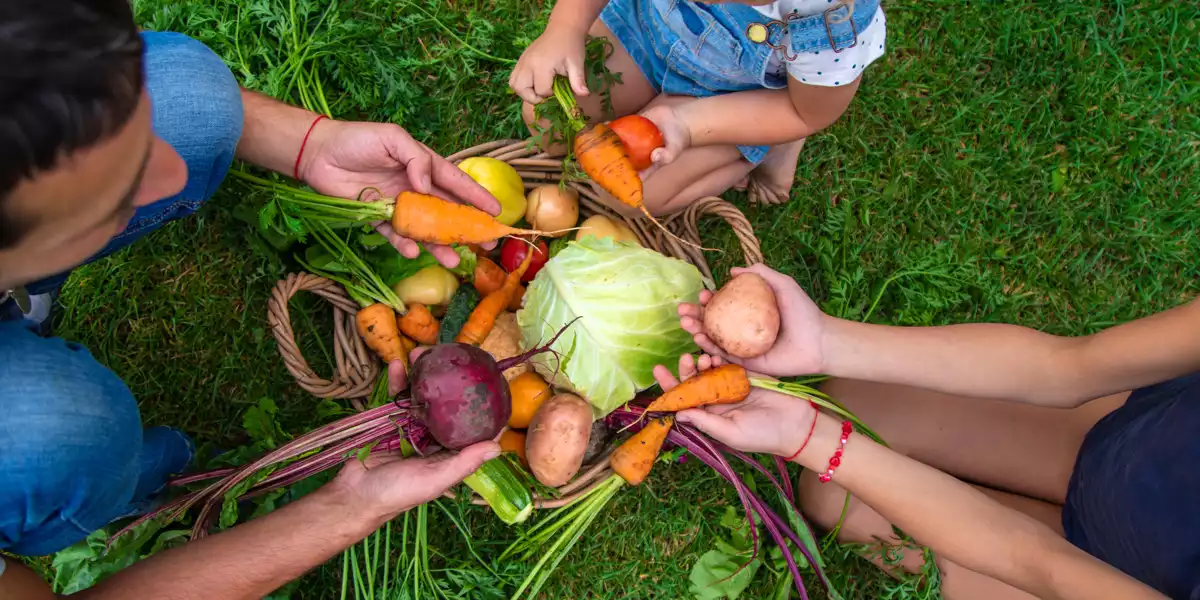
Plant iron (non-heme) is absorbed less well than animal (heme) iron. However, supplementation isn’t always necessary. To improve absorption, pair your legumes with vitamin C (lemon, raw pepper, orange).
Avoid: coffee or tea right after eating, as tannins block iron.
Calcium and vitamin D in vegans
The real risk of deficiency can appear if you don’t consume enough fortified foods. Among these plant sources: fortified plant drinks, tofu with calcium salts, and leafy greens (with some caveats).
Vitamin D plays a key role in bone health since it improves calcium absorption.
When to supplement?
- Winter.
- Low sun exposure.
- People at bone risk.
Zinc and iodine: overlooked micronutrients in vegan diets
Among zinc’s key roles is its link to the immune system, plus supporting skin health and being involved in hormone synthesis. Meanwhile, iodine supports thyroid function.
What are the plant sources and limitations?
- Zinc: legumes, nuts (phytates reduce absorption)
- Iodine: iodized salt (not always used properly)
So, when to consider supplementation?
- On very restrictive diets.
- When fatigue, thyroid, or immune issues exist.
Vegan supplements for athletes
Following a vegan diet doesn’t mean any disadvantage in sports if diet and supplementation are well planned. In fact, more and more top athletes compete successfully on 100% plant-based diets. The key is properly covering the increased needs training creates.
Creatine Monohydrate: It’s 100% vegan by synthesis and the supplement with the most evidence for gaining strength. It’s safe, effective, and especially interesting for vegan athletes. Supplementing helps:
- Increase strength and power.
- Improve performance in intense efforts.
- Support muscle recovery.
Beta-Alanine: Helps reduce acid fatigue in intense training. Beta-alanine contributes to:
- Reducing muscle fatigue.
- Improving performance in high-intensity exercises.
- Increasing work capacity.
Electrolytes: Crucial if you sweat a lot, especially in endurance sports. Sweat causes losses of sodium, potassium, magnesium, so proper electrolyte replenishment:
- Prevents cramps.
- Improves hydration.
- Helps maintain performance during long or hot training sessions.
Vegan electrolyte supplements are a practical option for demanding workouts.

Performance and recovery on vegan diets
A widespread idea is that a vegan diet limits sports performance, but evidence and practice show the opposite. When diet and supplementation are well adjusted:
✔ You can gain muscle mass
✔ You can improve strength and endurance
✔ Recovery is just as effective
Common mistakes in vegan supplementation
To wrap up, avoid these three classic mistakes:
- Supplementing “just in case”: get blood work done at least once a year to know your deficiencies and how to proceed.
- Incorrect doses: taking less B12 than needed is just as risky as not taking it at all.
- Thinking vegan supplements are less effective: protein, creatine, beta-alanine, or electrolytes work the same regardless of origin, as long as they’re well formulated and dosed. Vegan doesn’t mean less effective.
- Not adapting supplementation to lifestyle: a sedentary person doesn’t need the same as an athlete, nor someone who trains occasionally as someone who trains daily. Supplementation should be adjusted to:
Related posts
- My first World Championship as Bikini Fitness Pro
- How, When and Why to Compete in Bodybuilding
- Natural Tune-Up
- Vegan Bodybuilding Prep
- Hemp Proteins