Fitness, Nutrition, Health and Sports Blog In the HSNstore Blog you will find tips about Fitness, sport in general, nutrition, and health – HSNstore.com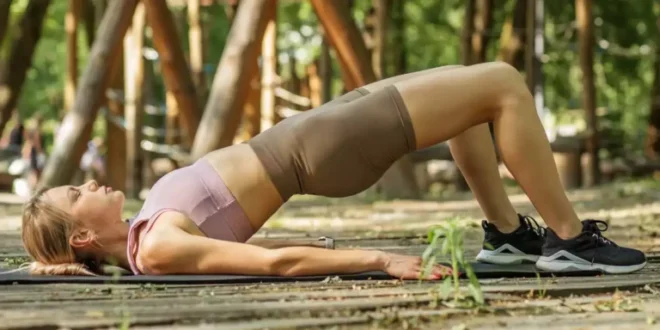

The glute bridge is a simple and effective exercise for working the hip muscles, especially the glutes. Performing it correctly allows you to get the most out of the movement and avoid compensations, so understanding the technique, body position and main mistakes is essential.
How do you perform the glute bridge?
To perform the glute bridge, lie on your back with your knees bent and your feet flat on the floor. From this position, raise your hips by contracting your glutes until your shoulders, hips and knees are aligned. Keep your torso stable and lower your hips in a controlled manner until you return to the starting position.
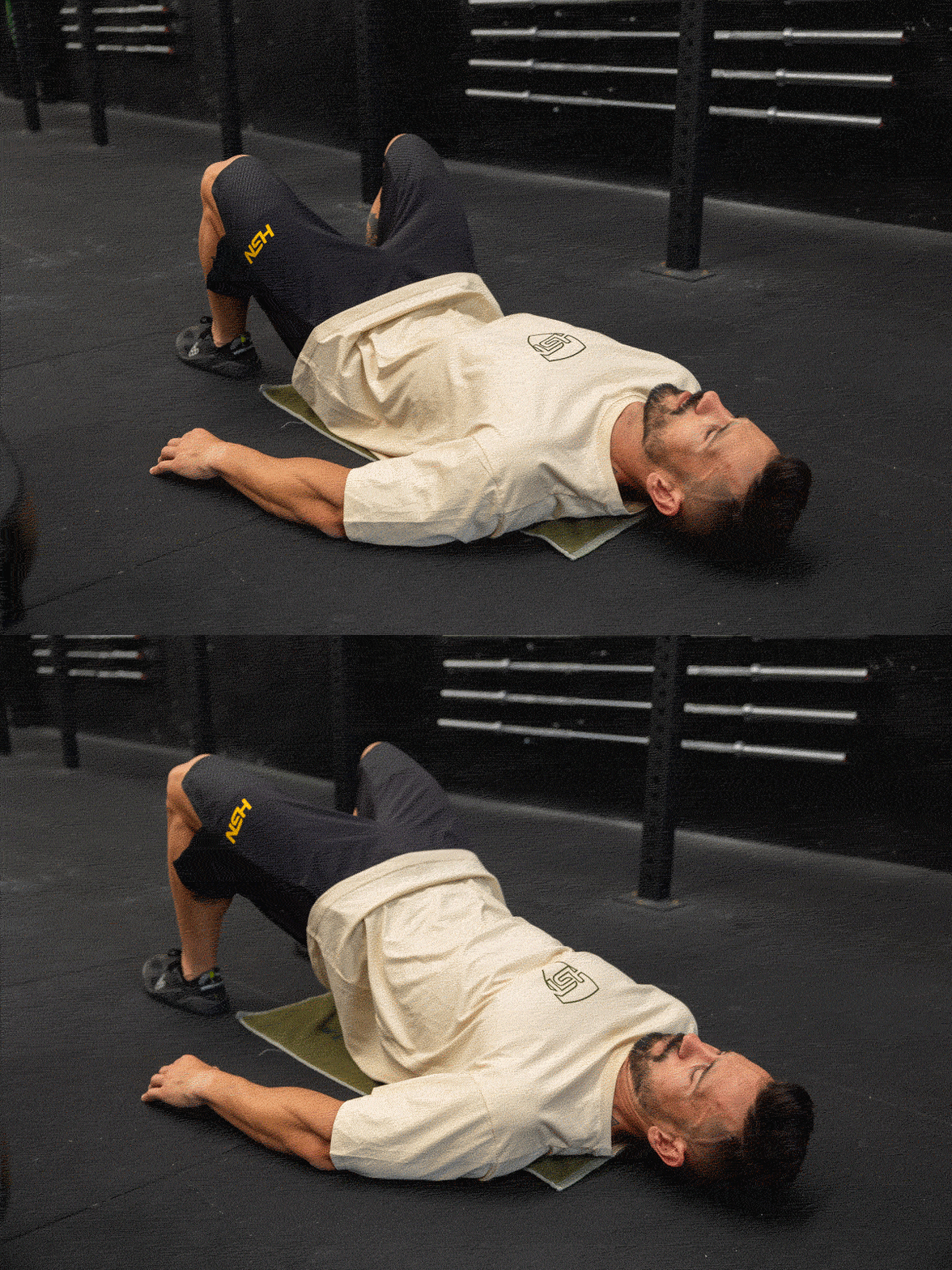
Step-by-step guide to perfect technique:
- Lie on your back on a stable surface.
- Bend your knees and place your feet flat on the floor.
- Place your arms alongside your body and keep your torso stable.
- Raise your hips by pushing through your feet and contracting your glutes.
- Reach a position where your shoulders, hips and knees are aligned.
- Briefly hold the position, avoiding excessive arching of the lower back.
- Lower your hips in a controlled manner until you return to the starting position.
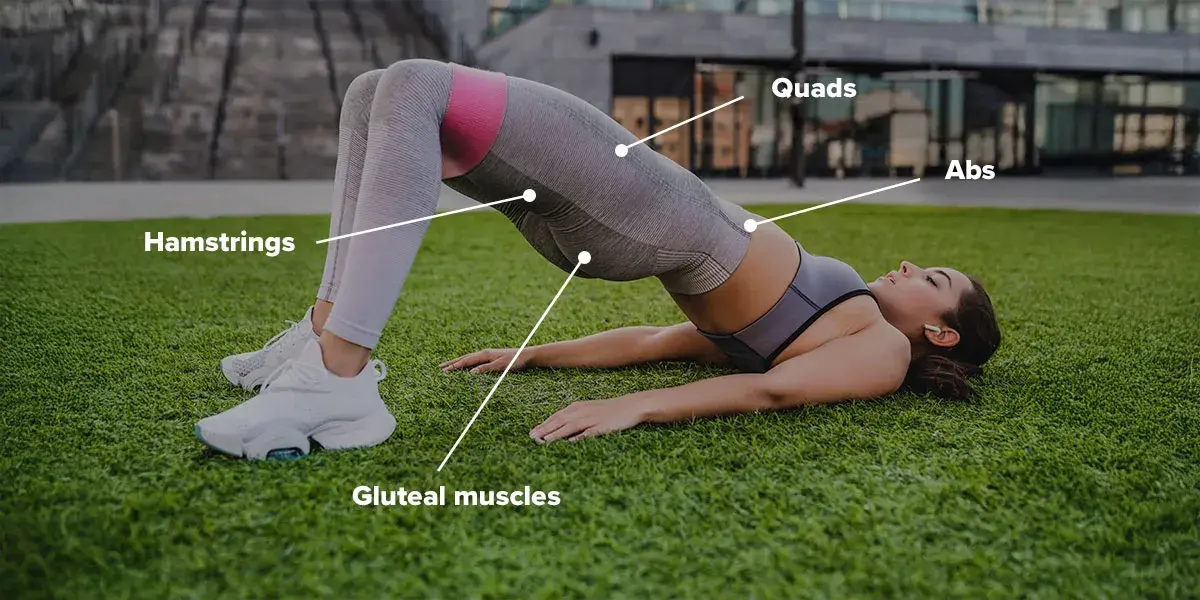
Which muscles are involved?
When should you perform the glute bridge?
The glute bridge is a versatile exercise that should be programmed strategically depending on your goal:
1. According to your workout structure
- Lower-body days (posterior chain/hip hinge focus): Use it as a main exercise (heavier variations such as the Hip Thrust) at the beginning of your workout, or as an accessory/isolation exercise to add specific volume without overloading the lower back after deadlifts.
- Full-body / Upper-Lower sessions: It works as the main horizontal hip extension movement, balancing knee-dominant exercises such as squats.
2. According to when you perform it during the workout
- Warm-up / activation: Use bodyweight or banded variations (with isometric holds) to improve the mind-muscle connection and “wake up” the glutes before heavy compound exercises.
- Finisher: Perform high repetitions with a low/moderate load to maximise metabolic stress.
3. Sports performance
- Speed and power (Running, Football): Improves hip extension power, a key driver of stride propulsion.
- Powerlifting/weightlifting: Use it as an accessory exercise to strengthen lockout and correct technical weaknesses in the squat.
- Combat sports (BJJ, MMA): Essential for the “bridging” (upa) movement and escapes from bottom positions.
4. Aesthetic focus (Hypertrophy)
Prioritise this movement pattern (especially the Hip Thrust) over the squat for glute development, as it provides peak electromyographic activation at maximum contraction (at the top).
- Optimal range: 8-12 repetitions with a heavy load, impeccable technique (posterior pelvic tilt) and isometric holds.
Glute bridge variations to take it to the next level
Take your training further with these progressions:
1 Hip Thrust
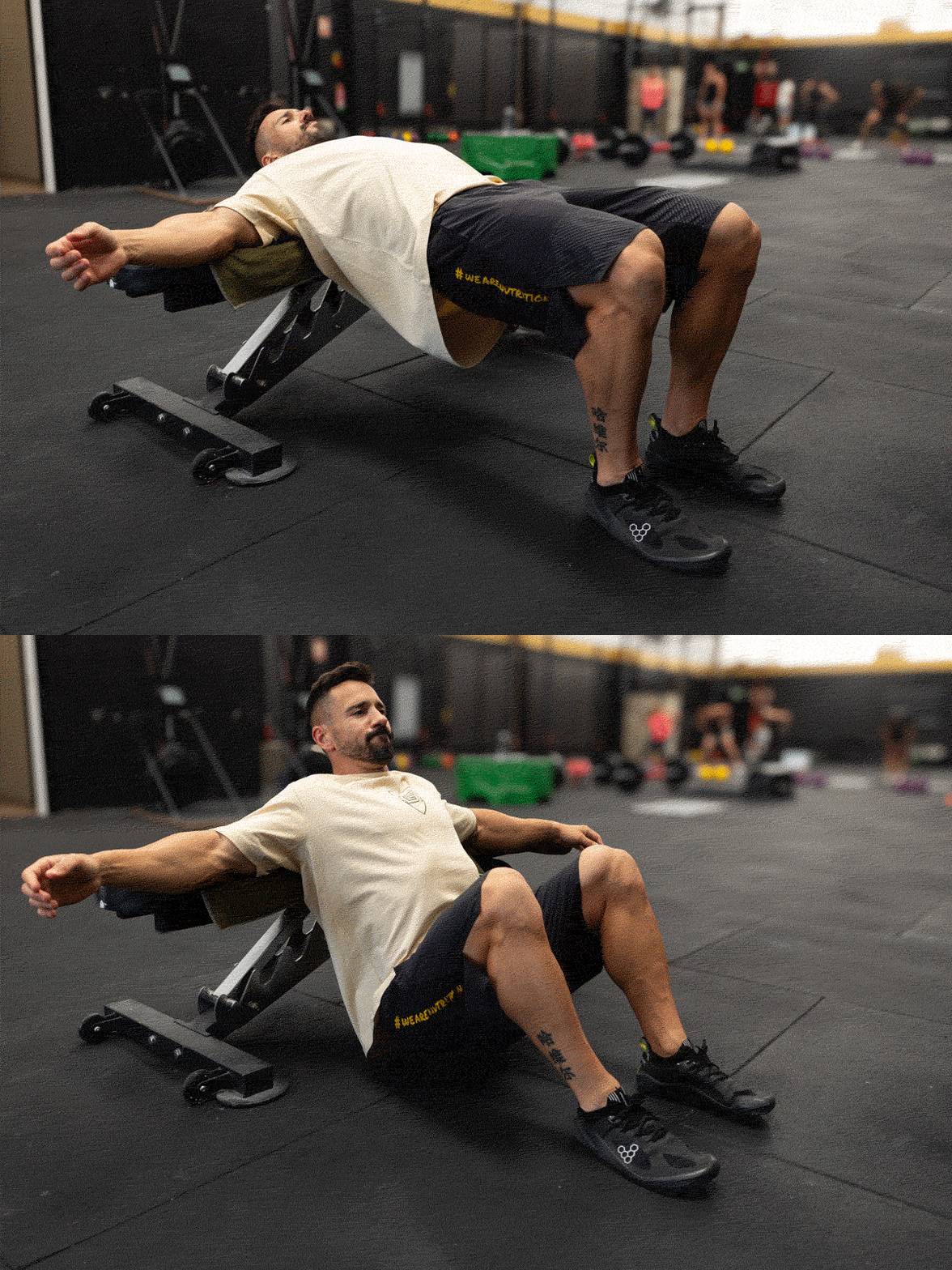
- Rest your upper back against a bench or elevated surface, with your feet firmly on the floor (both feet planted, hip-width apart).
- Place the barbell across the crease of your hips (use a bar pad or cushion to prevent discomfort).
- Keep your core engaged and your chin slightly tucked.
- Raise your hips until your shoulders and knees are aligned, squeezing your glutes as hard as possible.
- Lower slowly, controlling the movement (3-second lowering phase).
- Move your hips up and down through a reduced range of motion (half reps), focusing on speed and explosive contraction.
- Hold the top position (hips high) with your glutes fully contracted for 8 seconds.
2 Partial-range elevated glute bridge
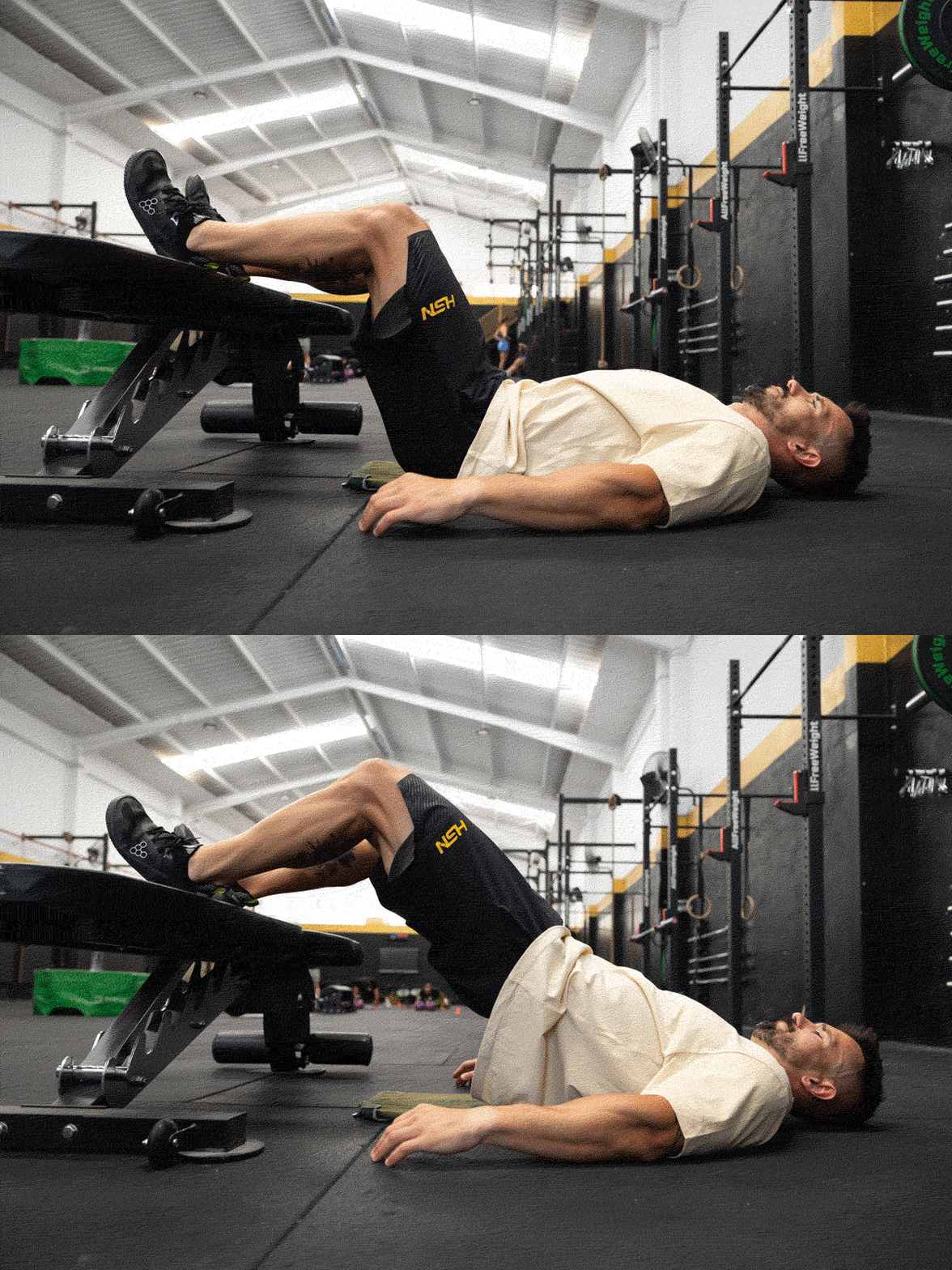
- Lie on your back with your knees bent and your feet hip-width apart on an elevated surface, such as a bench.
- Keep your arms extended alongside your body or crossed over your chest.
- Raise your hips halfway through the range of motion (approximately 45°, without reaching the full top position).
- Perform short, quick pulses (moving up and down by 5-10 cm) while maintaining tension in your glutes.
3 Single-leg glute bridge
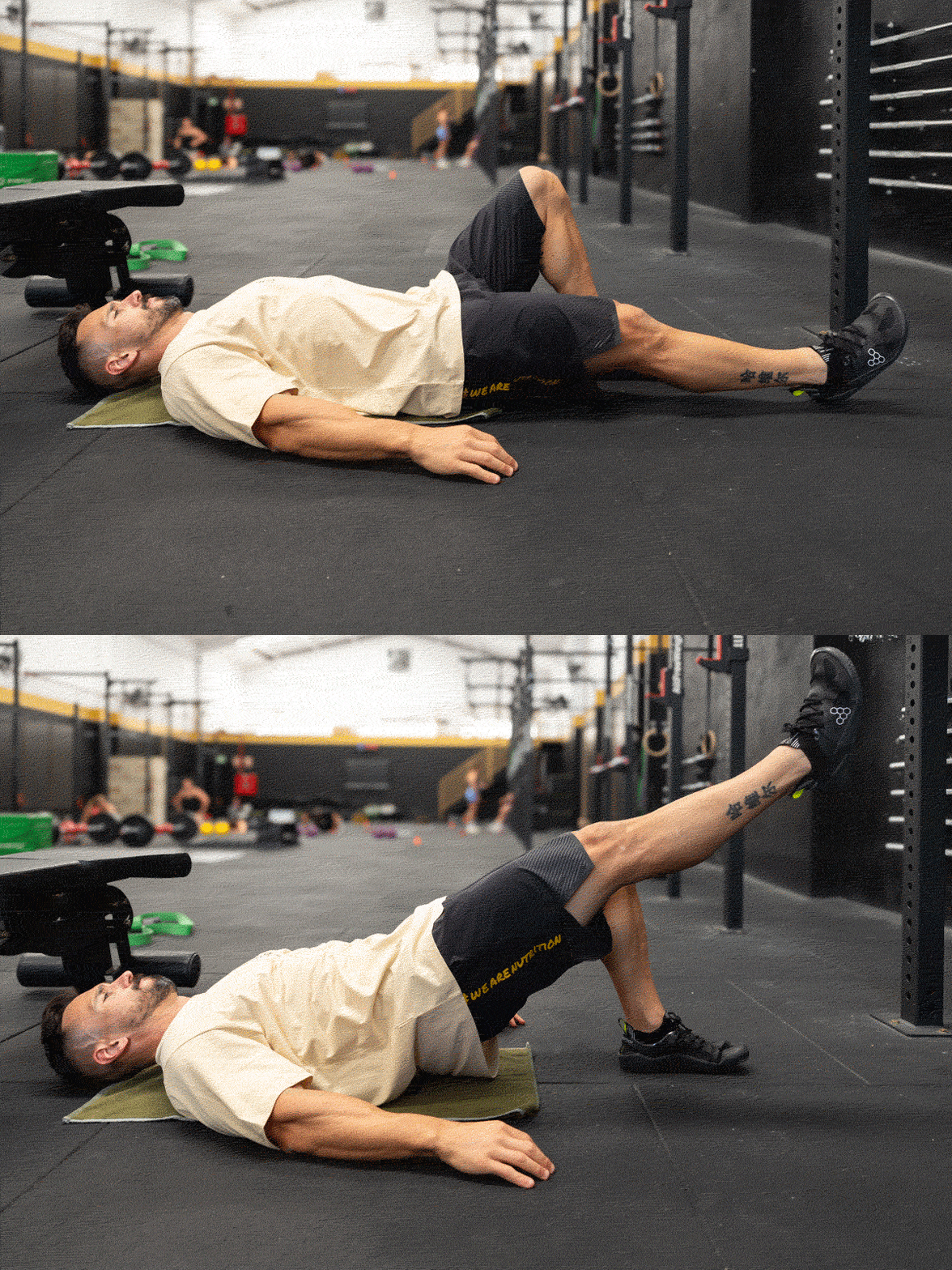
- Start as you would for a basic glute bridge, but extend one leg towards the ceiling (with the foot flexed).
- Push through the heel of the supporting foot to raise your hips until your shoulders, hips and knee form a straight line.
- Lower slowly without touching the floor, maintaining tension throughout the movement.
4 Glute bridge with a weight plate
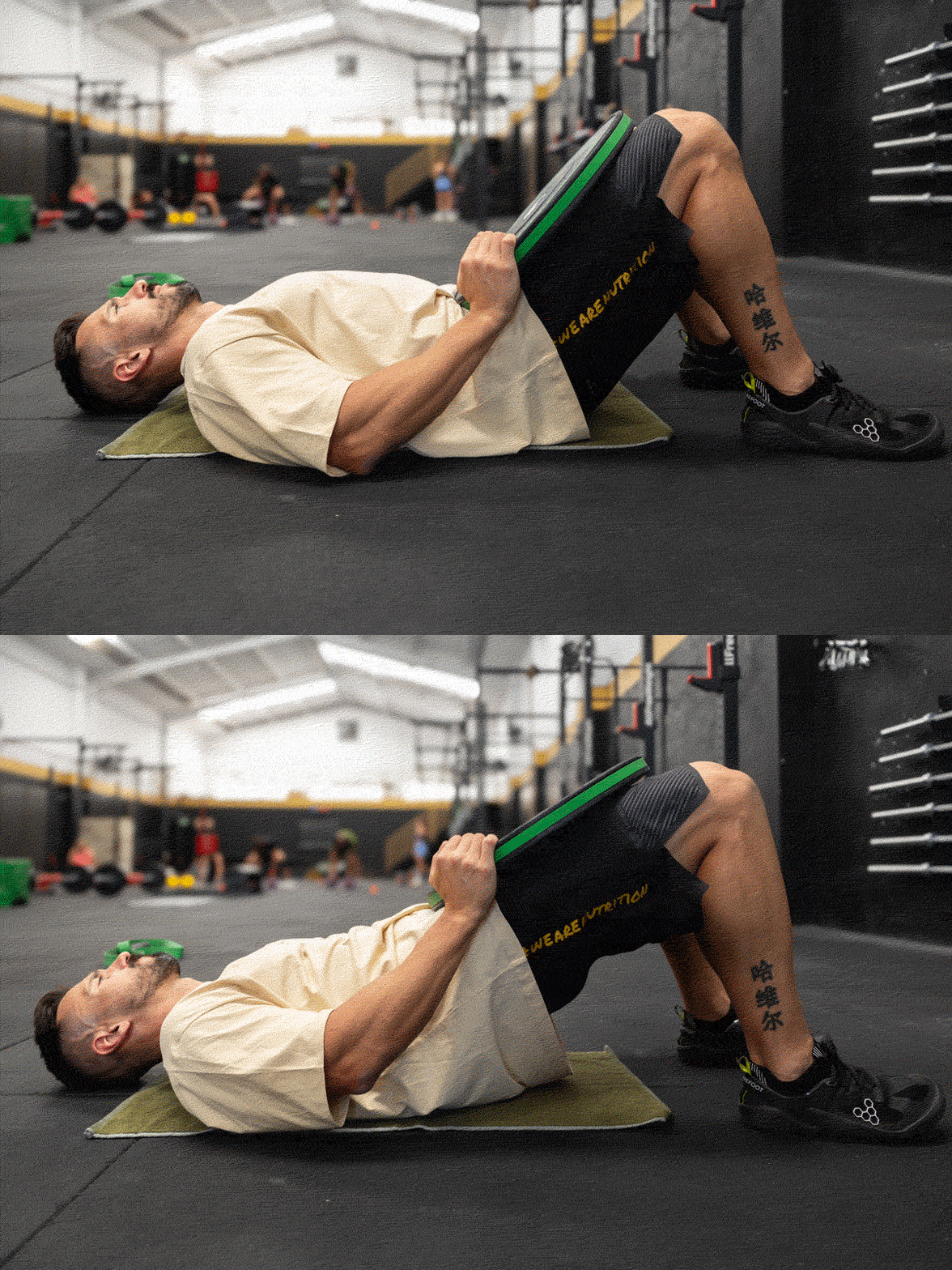
- Lie on your back with a weight plate or other weight placed over your pelvis (hold it with your hands if necessary).
- Raise your hips until you reach maximum contraction, squeezing your glutes as hard as possible.
- Hold the top position for 1-2 seconds and lower slowly (3-second lowering phase).
Common glute bridge mistakes and how to avoid them
Here are some simple tips on how to avoid compromising your technique and get more out of the exercise:
| Common mistakes | How to do it correctly |
|---|---|
| Arching your back | Keep your ribs down and focus on moving only your hips while engaging your core |
| Driving with the hamstrings | Push through your heels and focus the effort on your glutes as you raise your hips |
| Incorrect foot position | Place your feet hip-width apart and keep them aligned with your knees |
| Tension in the neck/shoulders | Relax your upper body and keep your shoulders firmly supported on the floor |
| Incorrect breathing | Inhale as you lower and exhale as you raise your hips, synchronising your breathing with the movement |
Related articles
- Benefits of squats
- Bulgarian split squat vs traditional squat
- How to perform the barbell squat correctly
- Learn how to perform the Goblet squat
- Complete guide to back exercises