Fitness, Nutrition, Health and Sports Blog In the HSNstore Blog you will find tips about Fitness, sport in general, nutrition, and health – HSNstore.com

Do you know all the potential benefits squatting? Take note!

What is a squat?
You’ll need to have been living in a cave not to know what a squat is. But just in case you’ve missed the last 5 decades of muscle training, here’s a little summary:
- The squat is an exercise aimed at developing lower body strength.
- It is a triple flexion-extension (ankle-knee-hip) movement.
- It can be carried out with an external load or without (using your own body weight).
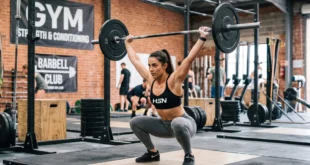
The placement of the load will depend on your preferences and will create variants of the movement (overhead squat, front squat, goblet squat…), but it’s most frequently done with a bar, placed over the scapular spine.

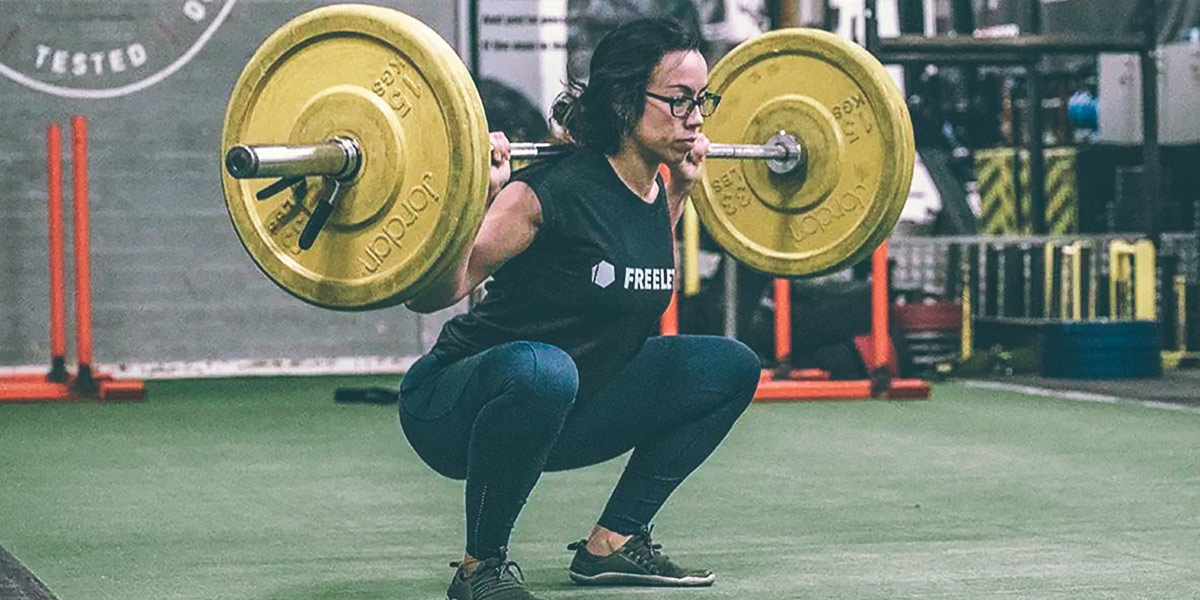
Back squat.
Benefits of squat exercises
Squats are one of the fundamental exercises for developing lower body muscle strength.
They’re both loved and hated equally by those in the gym.
There’s no doubt that squatting provides a series of benefits over other exercises, but it’s also unquestionably not an essential exercise, and if you don’t like it, if it doesn’t suit you, or if you don’t feel comfortable doing it, you don’t have to do it.
You can get the same results with other exercises.
But for everyone else, its not. Even still, including as part of your exercise routine is a good idea. And I’ll tell you why!
Squats for maximum muscle strength
Let’s start from the basics
Squatting allows you to handle a large external load, meaning we can submit our muscles to greater tension during the exercise and resultantly increase our strength and muscle power. This is great for complex sporting activity, like the sprint for example.
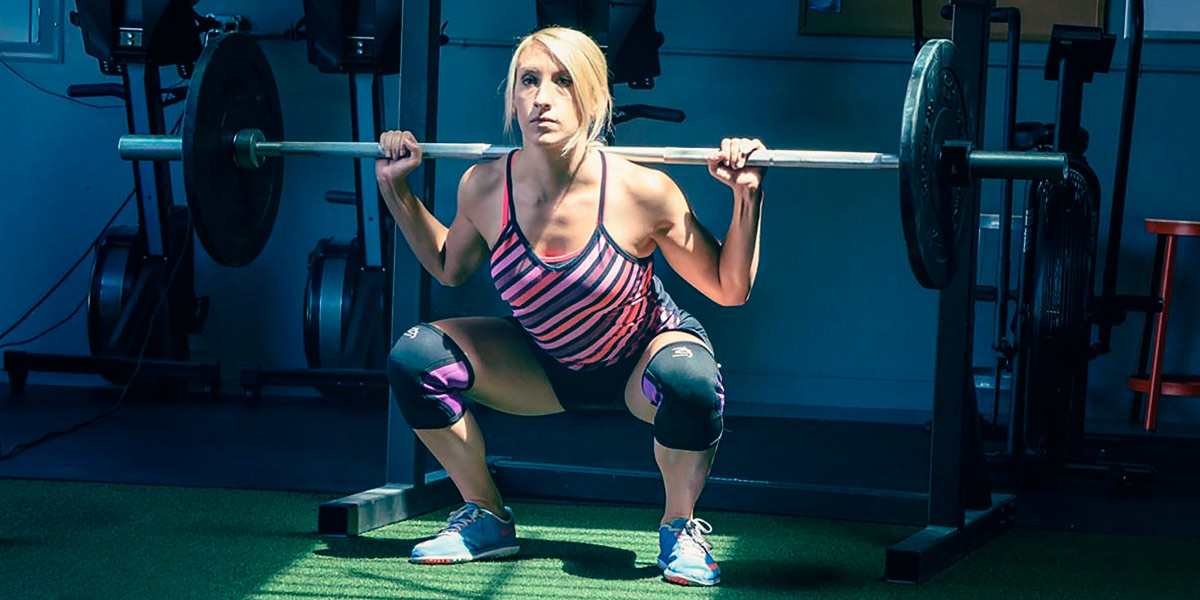
A squad is more effective than a quad extension for developing strength (Paoli et al., 2017).
That said, squats are not an efficient exercise for activating the posterior muscle chain of the thigh or the gluteals (Contreras et al., 2015) – executing it with a low bar position (Lee et al., 2016) and with maximum range of movement (Contreras et al., 2016) is better for this.
Squats are the pillars of your performance
Nearly all skills you develop across sports (football, basketball, skiiing, volleyball…), although not directly related to weight lifting, involve flexion-extension work in lower body joints.
- In a football match, you have to kick the ball.
- In a basketball game, you have to jump for a rebound.
- On a ski descent, you have to stay in a forward isometric position of semi-flexion.
- In a game of volleyball, you have to get down on the ground to get to a smashed ball.
- In judo, you have to bend your knees to be able to throw your opponent over you in an O Goshi.
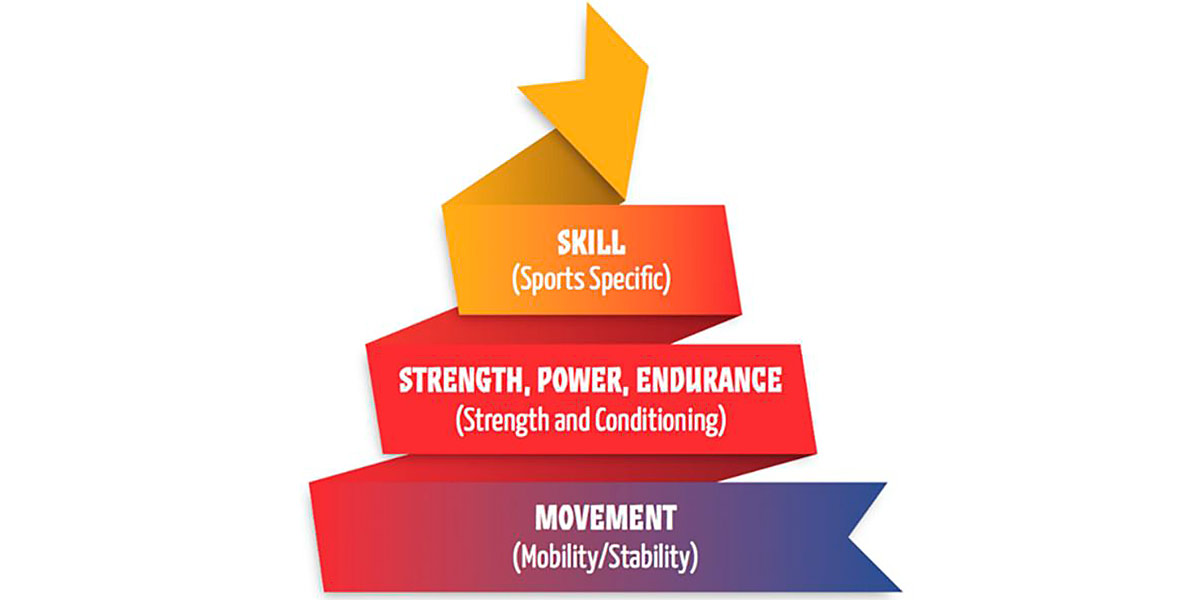
Can you see its importance?
The bases (mobility, stability, control…) and capacities (strength, coordination, power…) of training start from a common point, which can be perfected by training with loads.
Squats for maximum testosterone and growth hormone
Squats, being an exercise involving a lot of much muscle tissue, are a huge stress “input” for the body.
Especially because of the ease with which we can handle high external loads and the enormous potential for working up to muscle failure.
As there are many muscles that contribute to the lift, they “give us a hand” to reach further than we would in a quadriceps extension, where the synergism is much more reduced by the limitation of the range of motion.
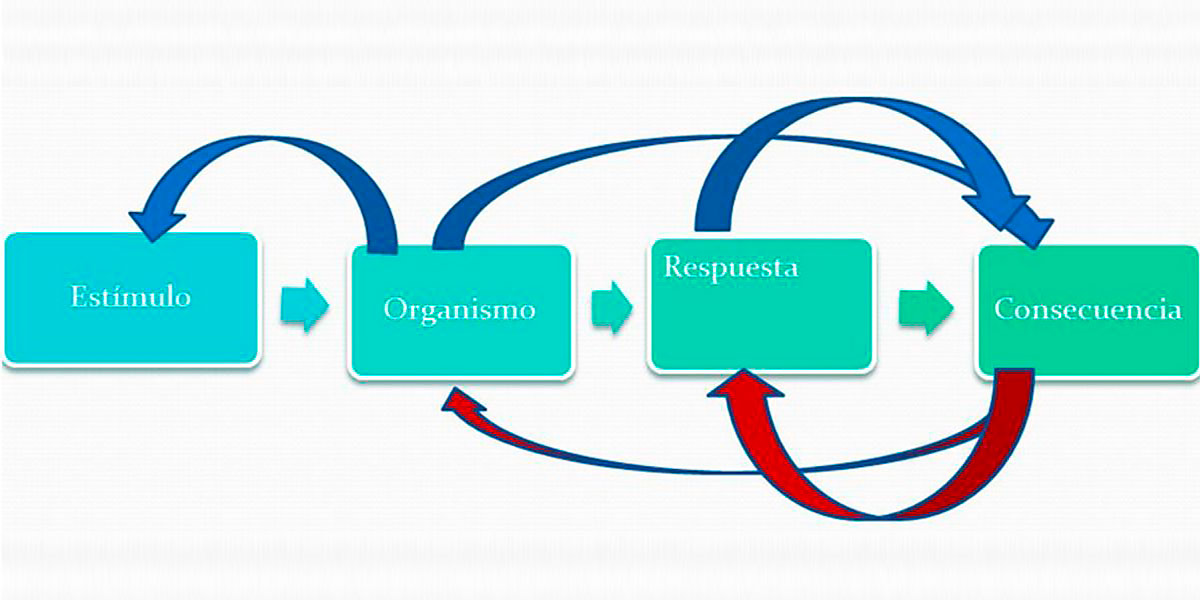
The squat causes high stress on the body (input) – which activates the neuromuscular system (process) – to contract the muscles adequately and overcome resistance (output), and this produces an effect (consequence).
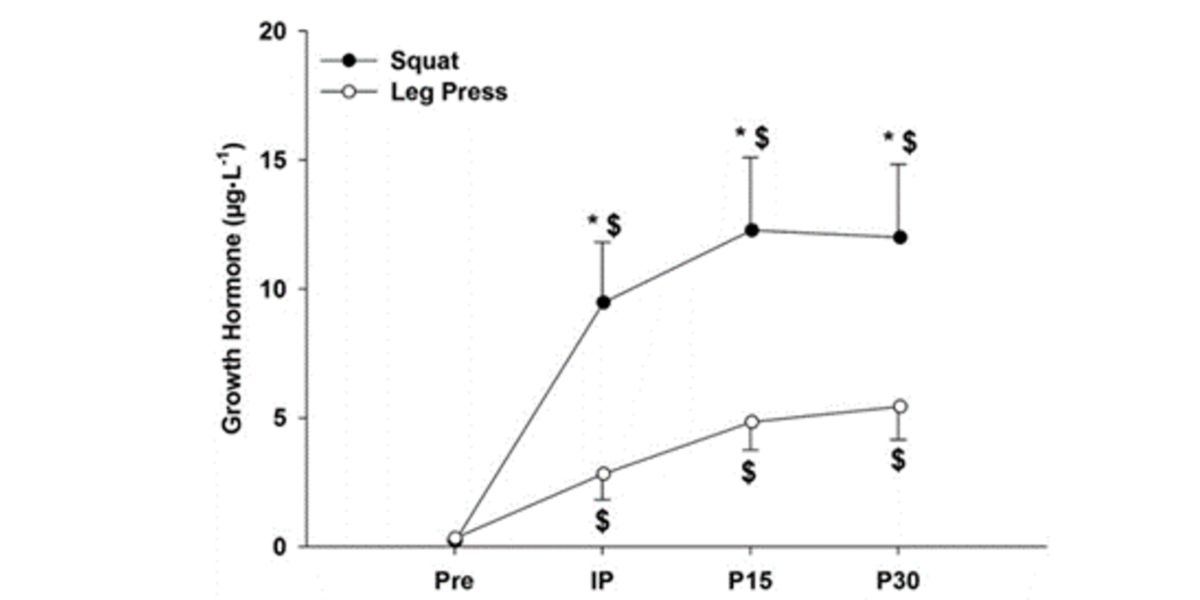
In this case, the consequence is that the great strength demanded in the execution of the movement activates the nervous system, producing a sharp increase in the growth hormone, cortisol, and of testosterone as a result of the stress generated (Shaner et al., 2014).
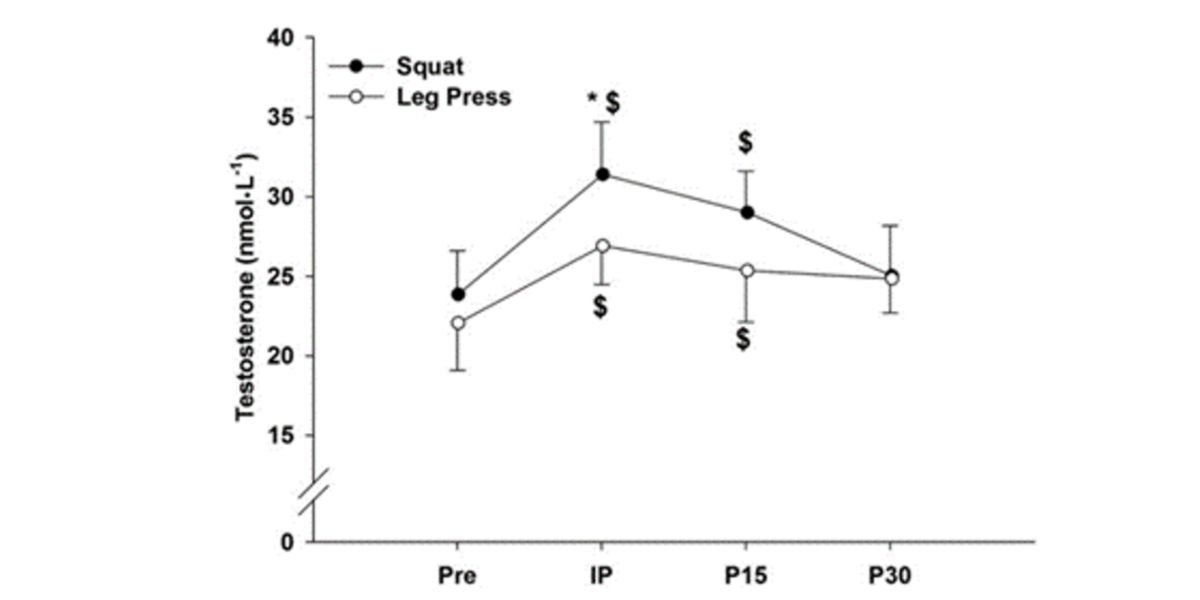
And you don’t need to train a lot to maximise the effects: just 6 intense sets of squats are enough (Wilk et al., 2018).
Squats help you burn extra calories
Have you ever done squats and felt like you were about to give up on it all?
It’s normal. The intensity it allows us to reach demands a lot of energy.
Can this help us increase energy expenditure in training?
So as not to bore you completely, I’ll leave you this graph based on energy expenditure during different types of exercises:
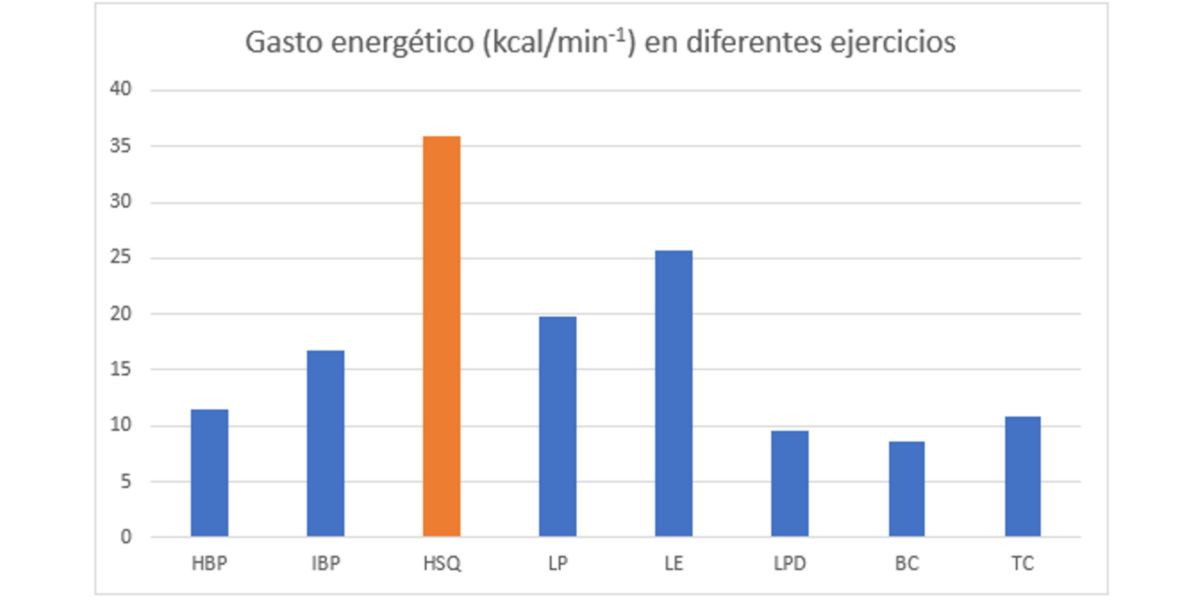
HBP: Horizontal Bench Press | IBP: Inclined Bench Press | HSQ: Half Squat | LP: Lef Press | LE: Leg Extension | LE: Lateral Elevations | BC: Bicep Curls | TC: Tricep Curls.
Squats can protect your bones
There’s a high prevalence of osteoporosis in the population, especially in postmenopausal women. If this is true for you, did you know that you could benefit from doing squats?
They’re not just for the fitness freaks!
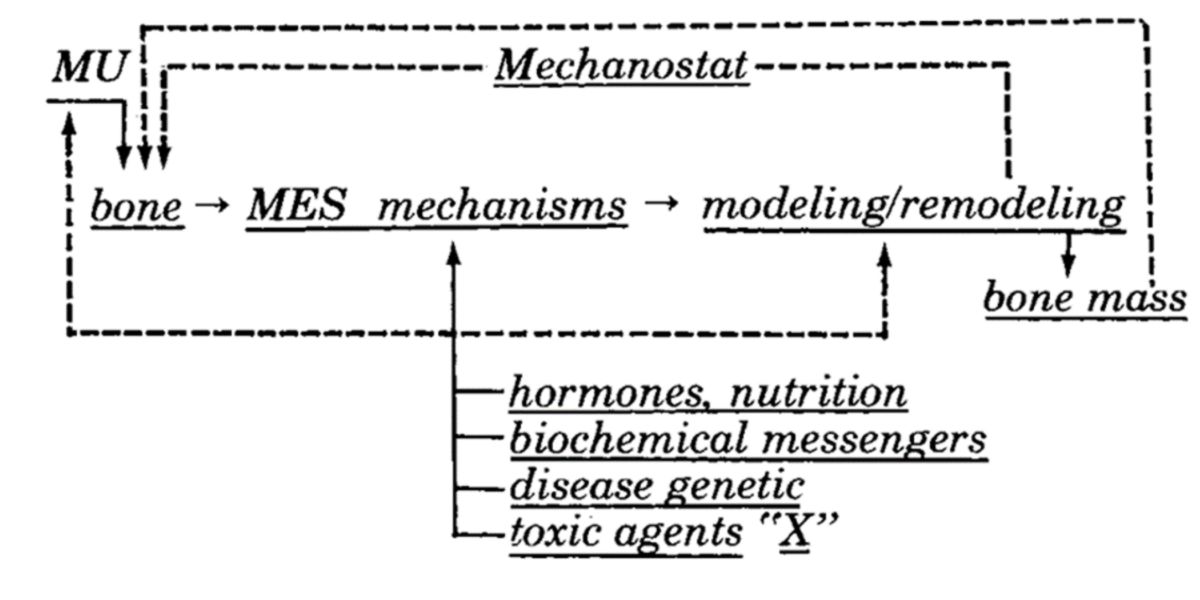
This idea was raised as early as 1987, when Frost proposed the mechanostatic model for bone density maintenance, explaining the importance of stimulating the bone through impacts and mechanical stress so that the minerals (mainly calcium and magnesium) fix to the bone matrix, thus making our bones strong.
In the graph, it is presented as “MU”, the trigger of the whole process.
The main risk of developing osteoporosis is immobilisation, which is why the bones in a spinal cord injury are so weak and are at such risk of fracture.
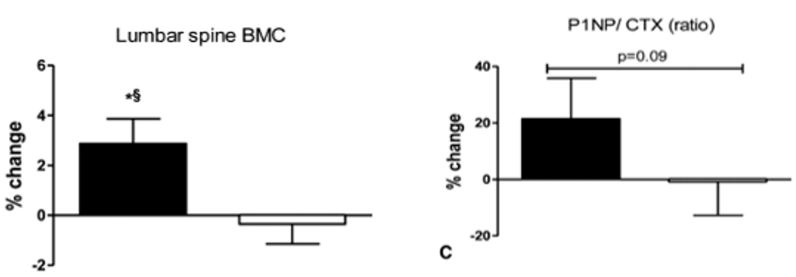
Squat-based strength training significantly improved bone mineral density (left) and the relationship between collagen synthesis and degradation (right) in postmenopausal women with osteoporosis and osteopenia (Mosti et al., 2013).
So stop doing so much yoga (although this is great too) and put on your favourite song – you’re going to the gym to bust out the squats!
Squats for back pain
Squats require not just great muscle control in the lower body, but in other muscle groups too.
The effect that squats have on core activation is well known, and although it has been somewhat overrated, its reputation is certainly not unfounded. Squatting is especially useful for activating the erector muscles of the spine (spinal erectors and multiphidus)
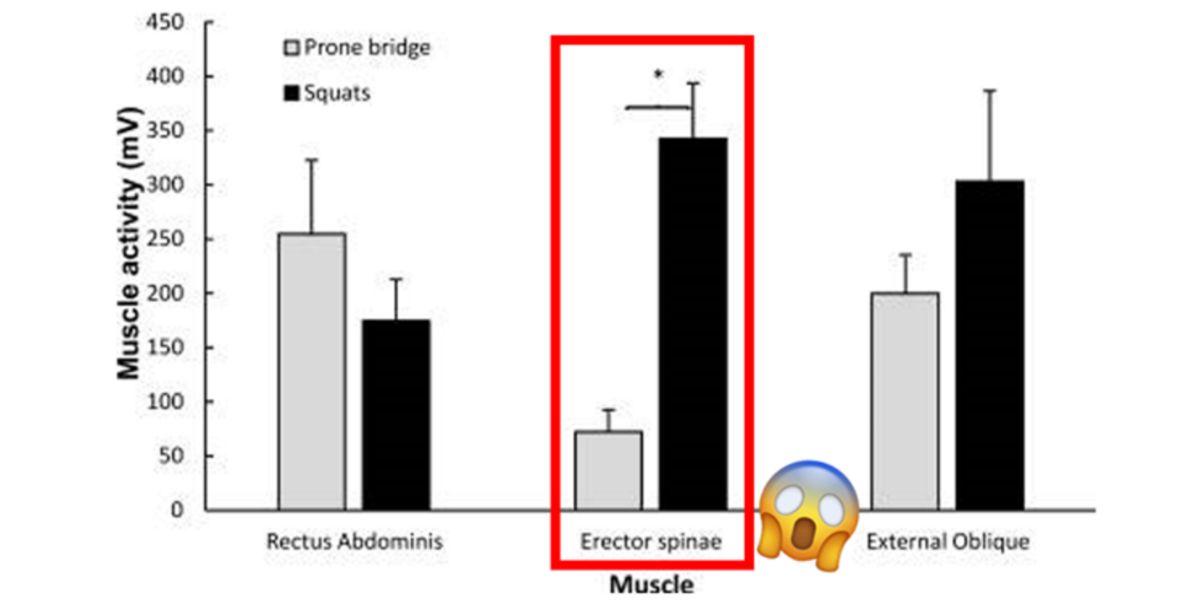
One trial showed that 16 weeks of strength training based around the use of free weights and squatting exercises is effective in reducing back pain and fat infiltration, and improving MRIs in patients with chronic back pain (Welch et al., 2015)
Regain your quality of life with squats!
Bibliographic Sources
- Contreras, B., Vigotsky, A. D., Schoenfeld, B. J., Beardsley, C., & Cronin, J. (2015). A comparison of gluteus maximus, biceps femoris, and vastus lateralis electromyographic activity in the back squat and barbell hip thrust exercises. Journal of Applied Biomechanics, 31(6), 452–458.
- Contreras, B., Vigotsky, A. D., Schoenfeld, B. J., Beardsley, C., & Cronin, J. (2016). A comparison of gluteus maximus, biceps femoris, and vastus lateralis electromyography amplitude in the parallel, full, and front squat variations in resistance-trained females. Journal of Applied Biomechanics, 32(1), 16–22.
- Frost, H. M. (1987). Bone “mass” and the “mechanostat”: A proposal. The Anatomical Record, 219(1), 1–9.
- Lee, T. S., Song, M. Y., & Kwon, Y. J. (2016). Activation of back and lower limb muscles during squat exercises with different trunk flexion. Journal of Physical Therapy Science, 28(12), 3407–3410.
- Mosti, M. P., Kaehler, N., Stunes, A. K., Hoff, J., & Syversen, U. (2013). Maximal strength training in postmenopausal women with osteoporosis or osteopenia. Journal of Strength and Conditioning Research, 27(10), 2879–2886.
- Paoli, A., Gentil, P., Moro, T., Marcolin, G., & Bianco, A. (2017). Resistance training with single vs. multi-joint exercises at equal total load volume: Effects on body composition, cardiorespiratory fitness, and muscle strength. Frontiers in Physiology, 8(DEC), 1105.
- Rahimi, R., Qaderi, M., Faraji, H., & Boroujerdi, S. S. (2010). Effects of very short rest periods on hormonal responses to resistance exercise in men. Journal of Strength and Conditioning Research, 24(7), 1851–1859.
- Reis, V. M., Garrido, N. D., Vianna, J., Sousa, A. C., Alves, J. V., & Marques, M. C. (2017). Energy cost of isolated resistance exercises across low- to high-intensities. PLoS ONE, 12(7), e0181311.
- Shaner, A. A., Vingren, J. L., Hatfield, D. L., Budnar, R. G., Duplanty, A. A., & Hill, D. W. (2014). The acute hormonal response to free weight and machine weight resistance exercise. Journal of Strength and Conditioning Research, 28(4), 1032–1040.
- Van Den Tillaar, R., & Saeterbakken, A. H. (2018). Comparison of Core Muscle Activation between a Prone Bridge and 6-RM Back Squats. Journal of Human Kinetics, 62(1), 43–53.
- Welch, N., Moran, K., Antony, J., Richter, C., Marshall, B., Coyle, J., … Franklyn-Miller, A. (2015). The effects of a free-weight-based resistance training intervention on pain, squat biomechanics and MRI-defined lumbar fat infiltration and functional cross-sectional area in those with chronic low back. BMJ Open Sport and Exercise Medicine, 1(1), e000050–e000050.
- Wilk, M., Petr, M., Krzysztofik, M., Zajac, A., & Stastny, P. (2018). Endocrine response to high intensity barbell squats performed with constant movement tempo and variable training volume. Neuroendocrinology Letters, 39(4), 342–348.
Related Entries
- Want to know how to burn more calories during exercise? Click on this link.
- We tell you about the role of Calcium and Vitamin D for Bone Health at this link.