 Fitness, Nutrition, Health and Sports Blog In the HSNstore Blog you will find tips about Fitness, sport in general, nutrition, and health – HSNstore.com

Trail running is not just a test of legs and lungs; it is fundamentally a test of digestive logistics. In mountain environments, where elevation gain, altitude, and temperature changes play a crucial role, nutrition becomes the “fourth discipline.”
If you don’t plan what you’re going to consume, you’re leaving your performance to chance.
What is the Ultra Sierra Nevada Trail Running race?
It is a mountain race that takes place in the heart of the Sierra Nevada (Granada), with 5 different race formats depending on the distance:
- Extrema – 160 km
- Ultra – 100 km
- Trail – 60 km
- Marathon – 40 km
- Half – 25 km
Why is a nutrition strategy important?
Without a doubt, anyone experienced in this type of race knows that proper nutrition can mean finishing successfully or, on the contrary, going through real hardship.
Trail running, like all endurance sports, tests you both mentally and physiologically, where your performance can depend on the nutrition strategy you adopt.
It is estimated that, on technical terrain, energy expenditure can exceed 600–800 kcal per hour.
In this sense, one thing is certain: if you want to keep your glycogen stores high—your energy reserves—remember this above all:
“carbohydrates”
Carbohydrates are synonymous with energy, and as explained in this post, it is necessary to consume them during the race to maintain your energy levels.
Without a clear strategy, runners face two major enemies:
- “The Wall” (glycogen depletion): your carbohydrate stores are limited (approx. 2,000 kcal). Without replenishment, central fatigue appears and pace drops drastically.
- Gastrointestinal issues: The leading cause of withdrawal in ultras. Mechanical movement and blood flow redistribution to muscles (splanchnic ischemia) make digestion more difficult. Training your gut is just as vital as training your quadriceps.
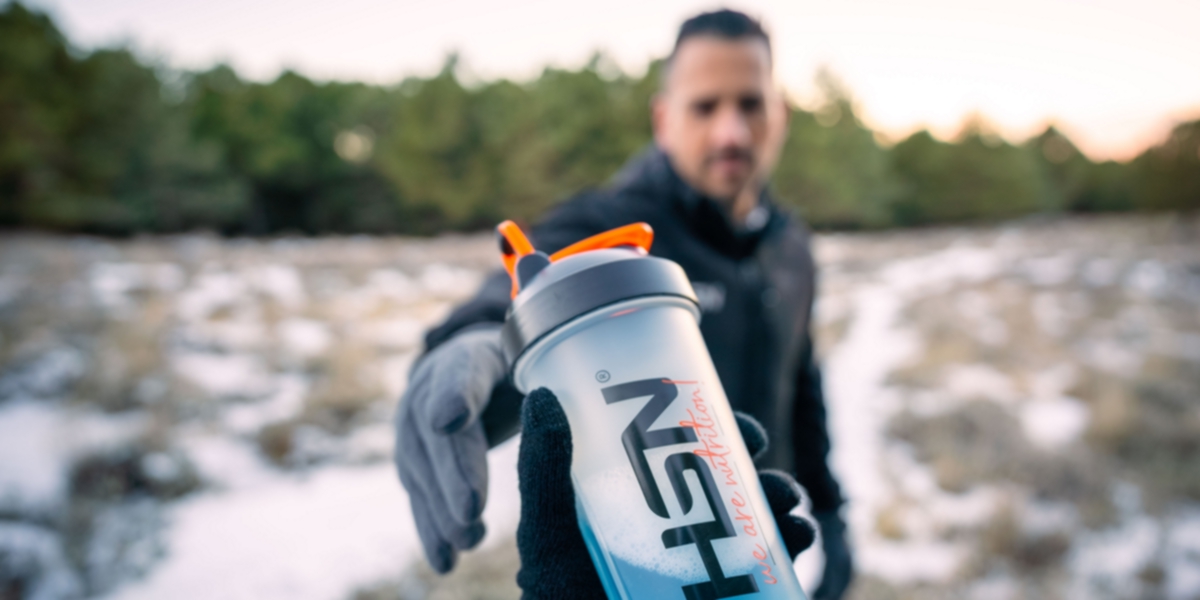
What to eat before a trail running race like Ultra Sierra Nevada?
A race like Ultra Sierra Nevada, with its extreme altitude and elevation gain, requires starting with glycogen stores at 100%.
- 48h before (carb loading): Prioritize complex, low-fiber carbohydrates (cream of rice, pasta, boiled potatoes). The goal is to reach 8–10 g of carbs per kg of body weight.
- Pre-race dinner: Keep it simple. Grilled chicken with rice and a bit of olive oil. Avoid legumes, excess fiber, or very spicy foods that may irritate the gut.
- Breakfast (2–3 hours before): Rich in slow-to-moderate absorption carbs. A great option: oat porridge with banana and a drizzle of honey. Keep fats low to speed up gastric emptying.
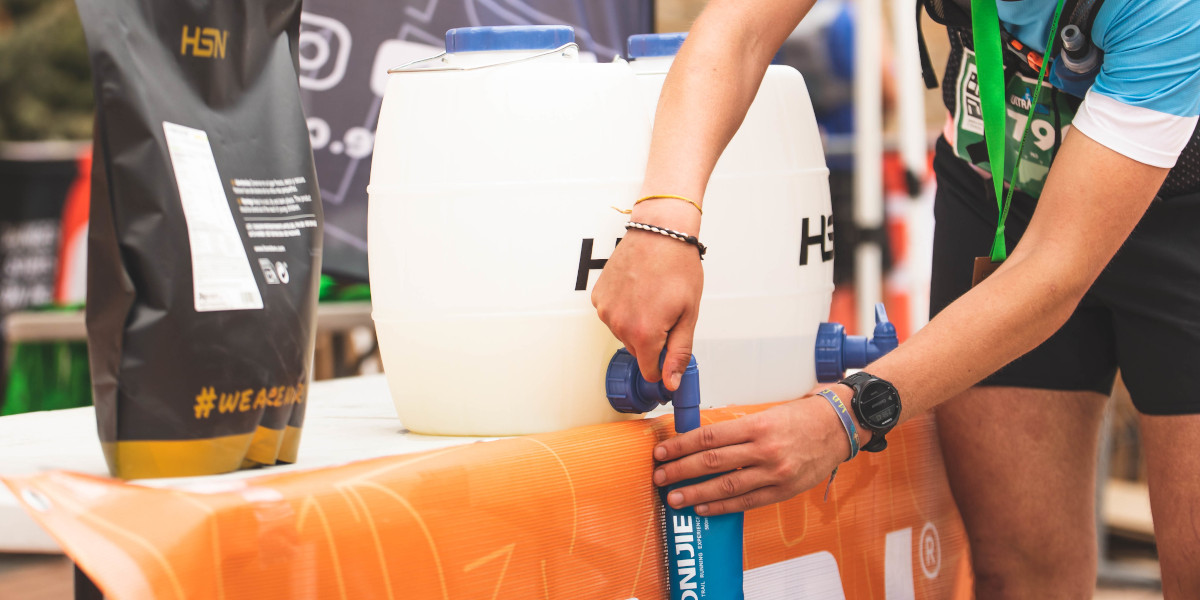
What to consume during the race and at aid stations?
In long-distance races, the key is variety and consistency. The standard goal is to consume between 60 g and 90 g of carbohydrates per hour, even reaching 120 g if the gut is well trained.
During the race
- Energy gels: For quick energy, especially before climbs. Alternate between caffeinated gels and non-caffeinated gels.
- Mineral salts (electrolytes): It’s not just about water. You need sodium to avoid hyponatremia, especially in the lower, hotter areas of Granada. You can use Evolytes and take 1 serving every 60–90 minutes with 500 ml of water or your preferred drink.
- Isotonic drinks: To maintain hydration and a steady energy supply. You can use Evocarbs in your hydration pack, bottle, or soft flask.
At aid stations
- Solid foods: In ultras, your palate gets tired of sweet flavors. Alternate with turkey and cheese sandwiches, boiled potatoes with salt, or even broth (excellent for replenishing salts and soothing the stomach). Another option is ready-made meals.
- Nuts and fruit: Banana and orange are classics due to their potassium and vitamin C, but use them as a complement, not your sole energy source. Paleo Bars made from date paste, nuts, and dried fruit, as well as Energy Bar Flapjacks with oats, natural fruit, and almonds, are excellent options.

Evogummy are energy bars with a gummy texture and excellent palatability, ideal for both racing and aid stations.
Best recovery after trail running
Once you cross the finish line, the “metabolic window” opens (although it lasts for hours, the first hour is key). Recovery is based on the 3 R’s:
- Rehydrate: Drink 1.5 times the weight lost during the race. Include electrolytes to retain fluids.
- Refuel: Consume high glycemic index carbohydrates to replenish muscle glycogen as quickly as possible.
- Repair: A high-quality protein intake (whey protein or essential amino acids) is crucial to reduce muscle catabolism caused by intense descents.
All of this is provided by Evorecovery from SportSeries, an optimal post-exercise formula composed of carbohydrates + protein (in a 3:1 ratio) and mineral salts.
Related posts
- Everything you need to know to start Trail Running
- Understanding the importance of hydration in endurance events
- How to properly perform a carbohydrate loading strategy