Fitness, Nutrition, Health and Sports Blog In the HSNstore Blog you will find tips about Fitness, sport in general, nutrition, and health – HSNstore.com

Restorative sleep is essential for maintaining good physical and mental health. During sleep, the body carries out critical functions such as tissue repair, immune system strengthening, and memory consolidation.
Lack of quality sleep can have significant adverse effects on overall well-being.
- Importance for Physical Health: Adequate sleep helps regulate various body functions. For example, during deep sleep phases, the body releases growth hormones that are crucial for muscle and tissue repair. Additionally, sleep promotes cardiovascular health by regulating blood pressure and reducing inflammation.
- Importance for Mental Health: Sleep is also fundamental for mental health. During REM sleep (rapid eye movement), the brain processes emotions and consolidates memories. Lack of sleep can lead to concentration problems, mood swings, anxiety, and depression. Studies have shown that people who sleep well have a better ability to cope with stress and make decisions.
Among the negative factors that influence restorative sleep we can mention:
- Stress and Anxiety: High levels of stress can make it difficult to fall asleep and maintain sleep throughout the night.
- Screen Exposure: The blue light emitted by phones, computers, and televisions can interfere with the production of melatonin, a hormone that regulates sleep.
- Eating Habits: Consuming caffeine or heavy meals before bed can disrupt sleep.
- Sleep Environment: A noisy, uncomfortable, or overly bright environment can hinder proper rest.
- Health Issues: Conditions such as insomnia, sleep apnea, and restless leg syndrome can severely affect sleep quality.
In conclusion, restorative sleep is vital for the overall health of humans. Adopting good sleep habits and addressing the negative factors affecting rest can significantly improve quality of life.
- Establish a sleep routine
- Create a conducive sleep environment
- Limit blue light exposure before bedtime
- Manage stress
- Monitor your diet before sleeping
- Practice relaxation techniques
- Exercise regularly
- Limit daytime naps
- Regularly monitor and adjust your sleep habits
- Use supplements to improve sleep
1. Establish a Sleep Routine
Maintaining regular bedtimes and wake times, even on weekends, is crucial for regulating the biological clock and improving sleep quality. This habit helps synchronize the circadian cycle, promoting deeper, more restorative sleep.
Consistency in sleep schedules facilitates the regulation of hormones like melatonin, which induces sleep, and cortisol, which helps wake up. Additionally, it avoids the “sleep hangover” that can occur when sleep patterns are disrupted, improving alertness and performance during the day.
2. Create a Conducive Sleep Environment
The bedroom environment plays a crucial role in sleep quality. A dark, cool, and quiet environment can significantly improve rest:
- Darkness: Keep the bedroom dark to facilitate the production of melatonin, the sleep hormone. Use blackout curtains to block outside light (or even use a sleep mask). Turn off or cover electronic device lights.
- Coolness: The ideal sleeping temperature is between 15-19°C. Keeping the bedroom cool helps regulate body temperature, promoting deeper sleep. Use fans or air conditioning to maintain an appropriate temperature.
- Quiet: A quiet environment is essential to avoid sleep disruptions. If external noise is a problem, consider the use of white noise devices or earplugs. White noise can help mask bothersome sounds, creating a calmer environment for sleep.

3. Limit Blue Light Exposure Before Bedtime
The blue light emitted by electronic devices, such as mobile phones and computers, can interfere with the production of melatonin, the hormone that regulates sleep. This light tricks the brain into thinking it’s still daytime, reducing melatonin production and making it harder to fall asleep.
To improve sleep quality, it is recommended to avoid using these devices at least one hour before bed.
4. Manage Stress
Stress can cause insomnia, difficulty falling asleep, and frequent awakenings during the night.
Stress activates the body’s “fight or flight” response, increasing levels of cortisol and adrenaline. These hormonal changes can make it difficult to relax enough to fall asleep. Chronic stress can lead to sleep disorders like insomnia, and lack of sleep can exacerbate stress, creating a vicious cycle of stress and sleep deprivation
- Meditation: Helps calm the mind, reduce anxiety, and improve focus. Practicing meditation regularly can improve sleep quality by promoting a state of relaxation before bedtime.
- Yoga: Combines physical activity with breathing techniques and meditation, promoting relaxation. Yoga poses and deep breathing help calm the nervous system and prepare the body for restorative sleep
- Natural Products: Such as Stress Care can support stress reduction by incorporating specific herbs and nutrients that promote calm and emotional stability. Includes a natural adaptogen, such as Ashwagandha, which can support the body’s response to stress, promoting calm and relaxation.

Stress Care by EssentialSeries
5. Mind Your Diet Before Sleeping
Diet plays an important role in sleep quality. Certain foods and beverages can interfere with the ability to fall asleep and stay asleep, while others can promote restful sleep.
To improve sleep quality, it is advisable to avoid heavy meals, caffeine, and alcohol before bedtime.
Instead, opting for light and healthy alternatives can help prepare the body for restorative sleep and prevent disruptions during the night.
- Heavy Meals: Consuming heavy and fatty meals before bed can hinder digestion, causing discomfort and affecting sleep. Moreover, they can cause heartburn, which interferes with rest.
- Caffeine: Caffeine is a stimulant that can interfere with the ability to fall asleep. It is found in coffee, tea, sodas, and chocolate. Its consumption even six hours before bedtime can reduce sleep quality.
- Alcohol: Although alcohol can initially induce drowsiness, it interferes with deep sleep phases and can cause frequent awakenings during the night. This results in less restorative sleep.
If you are hungry before bedtime, opting for light and easily digestible foods can be beneficial, such as these examples:
- Bananas: Are rich in magnesium and potassium, which help relax muscles and may promote restorative sleep.
- Yogurt: Yogurt contains tryptophan and calcium, which can help induce sleep and improve its quality.
- Oatmeal: Oatmeal is a source of melatonin and complex carbohydrates, which can help relax the body and facilitate sleep.
- Fruits like cherries and grapes: These fruits are natural sources of melatonin and can help regulate the sleep cycle.
6. Practice Relaxation Techniques
Incorporating relaxing activities into the nighttime routine can help prepare the body and mind for restorative sleep. Here are some examples:
- Reading: Reading a book before bed can help reduce stress and promote relaxation. It is important to choose a book that is relaxing and not too stimulating.
- Meditation: Meditation can calm the mind and reduce anxiety. Practicing guided meditation or mindfulness for 10-15 minutes before sleep can improve sleep quality.
- Hot Baths: Taking a hot bath before bed can help relax muscles and reduce tension. The rise in body temperature followed by a cooling can induce drowsiness.
- Breathing Exercises: Performing deep breathing exercises can help decrease heart rate and prepare the body for sleep. Techniques like the 4-7-8 breathing are simple and effective.
- Gentle Stretching: Doing gentle stretches or yoga can relieve tension built up in the muscles and promote a sense of calm.
- Listening to Relaxing Music: Calm and soothing music can help reduce stress and facilitate the transition to sleep. Opt for soft melodies and slow rhythms.
- Writing a Journal: Writing in a journal before sleeping can help empty the mind of worries and persistent thoughts. Noting down what you are grateful for or the events of the day can be especially beneficial.
- Aromatherapy: Using essential oils like lavender in a diffuser or pillow spray can create a relaxing atmosphere and promote sleep.

7. Exercise Regularly
Regular exercise is a powerful tool for improving sleep quality:
- Improves Sleep Efficiency.
- Reduces Insomnia.
- Regulates the Circadian Cycle.
- Reduces Stress and Anxiety.
However, it is important to plan the type and timing of exercise to maximize its benefits and avoid interference with nighttime rest.
- Avoid Intense Exercise Before Bedtime: While exercise is beneficial, engaging in intense physical activities just before sleep can have the opposite effect and hinder sleep. Exercise raises body temperature and increases adrenaline levels, which can interfere with the ability to relax and fall asleep.
- Opt for Moderate Activities During the Day: Engaging in moderate exercises like walking, swimming, or cycling during the day can be very beneficial for nighttime sleep. These exercises not only improve cardiovascular and muscular health but also promote better rest without the stimulating effects that intense exercise might have at night
8. Limit Daytime Naps
Daytime naps can have both positive and negative effects on nighttime sleep:
- Positive Effects of Naps: A short nap can improve alertness, concentration, and cognitive performance. This is especially useful in situations where extreme fatigue or accumulated lack of sleep is experienced. Additionally, naps can help reduce stress and improve mood, providing a mental and physical break during the day.
- Negative Effects of Naps on Nighttime Sleep: Long naps or those taken late in the day can interfere with the ability to fall asleep at night. This can disrupt the circadian cycle and reduce the quality of nighttime sleep. Also, prolonged naps can cause a feeling of grogginess or disorientation upon waking, known as sleep inertia, which can temporarily reduce alertness and performance.
9. Regularly Monitor and Adjust Your Sleep Habits
Regularly evaluating your sleep patterns and practices allows you to identify areas for improvement and make necessary adjustments to ensure restorative and healthy sleep. Identifying issues such as insomnia, frequent awakenings, or difficulty falling asleep allows for timely addressing before they become chronic problems.
Adequate sleep is fundamental for mental and physical health.
10. Use Supplements to Improve Sleep
Among the dietary supplements specifically aimed at improving sleep and more restorative rest, we can name the following:
- Melatonin: Helps fall asleep more quickly. Useful for adjusting the biological clock, especially in cases of jet lag or changes in sleep schedule.

Melatonin 1.9mg by EssentialSeries
- 5-HTP (5-Hydroxytryptophan): Helps increase serotonin levels, which can improve mood and promote restorative sleep.

5-HTP 100mg by EssentialSeries
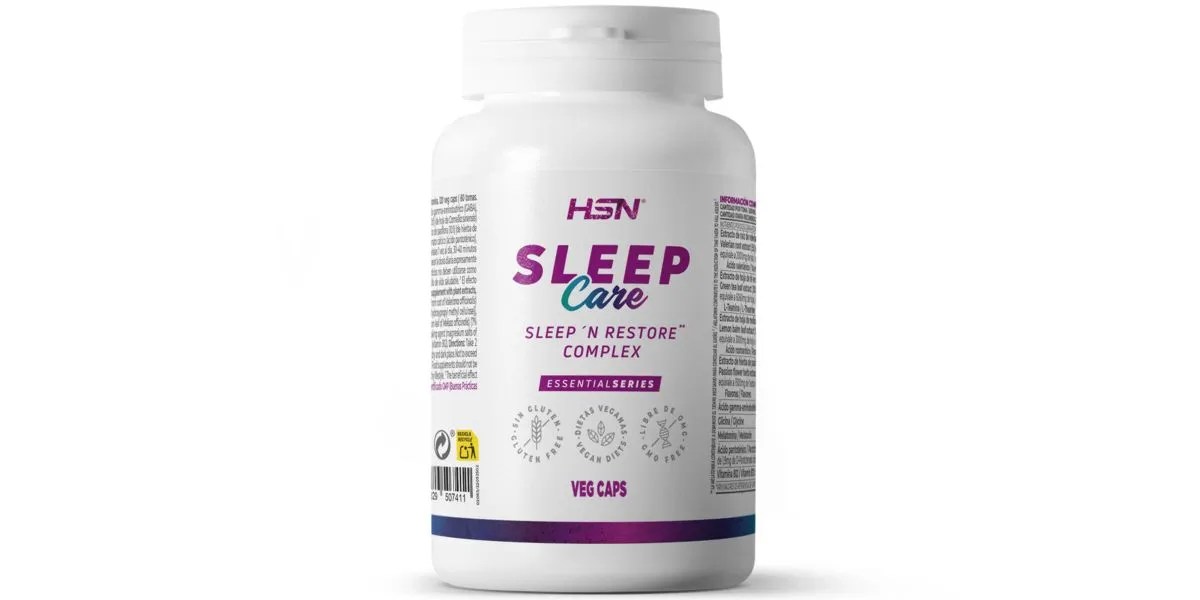
- Sleep Care: Formulated to help fall asleep faster and improve sleep quality throughout the night. Contains a cast of ingredients, such as Melatonin, GABA, L-Theanine, extracts of Valerian, Passionflower, and Lemon Balm, as well as vitamins.
- Magnesium: Helps relax muscles and the nervous system, promoting deeper, more restorative sleep.

Magnesium Bisglycinate by EssentialSeries
Related Posts
- Is Melatonin Good for Sleep?
- How Many Hours of Sleep Are Necessary to Increase Muscle Mass
- Tips for Sleeping Well in Summer
- Why Sleeping is Essential for Weight Loss