Fitness, Nutrition, Health and Sports Blog In the HSNstore Blog you will find tips about Fitness, sport in general, nutrition, and health – HSNstore.com

The series training consists of working on a given variable in pre-set time intervals, with other intervals for recovery. This type of training will help improve applied strength, aerobic power and explosiveness; depending on the type of series training performed.
It is clear that doing kilometres and a high weekly volume are important training sessions but, in order to improve, it is necessary to include varied training sessions, playing with variables such as intensity, duration and the objective to be worked on depending on the type of training.
Types of Cycling Series
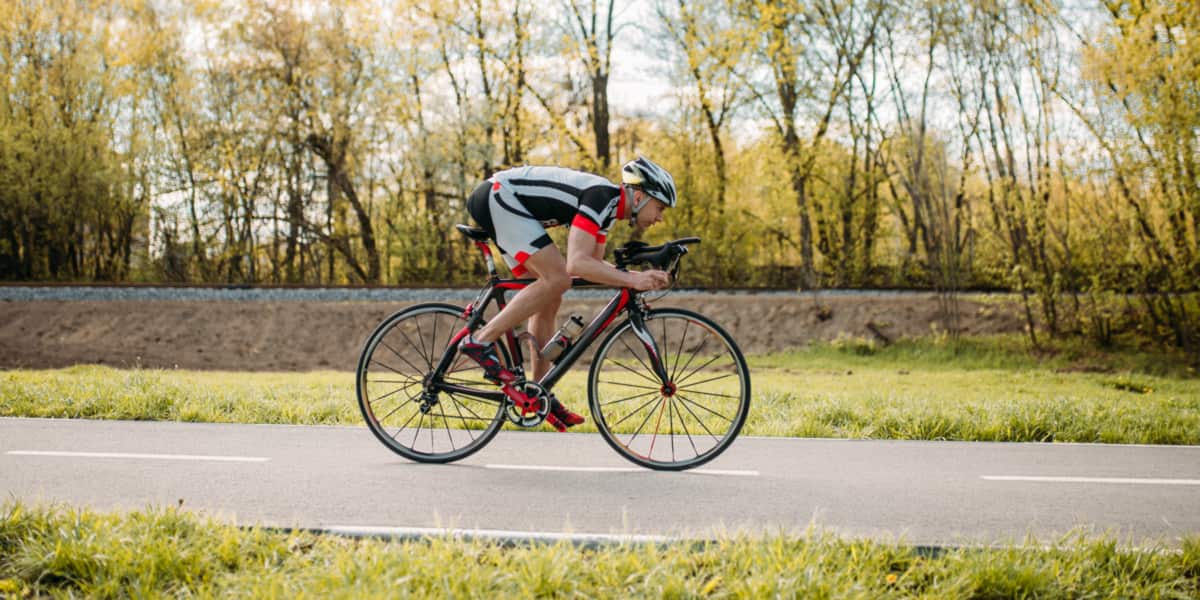
This type of training can be done on the road or on a treadmill / stationary bike.
According to intensity
When we talk about intensity, we are referring to the body’s capacity to resist fatigue produced by prolonged exertion of force.
Strength Endurance
It is the body’s ability to resist fatigue caused by prolonged exertion of force. Having a high maximum strength allows for a higher level of endurance work on the bike.
This type of training by series and repetitions can be started on flat terrain, but it is advisable to do it on a terrain with an average gradient between 4-6% and preferably in a seated position.
- Perform 4 to 12 repetitions divided into 2 to 3 sets, with of recovery between sets being complete, but incomplete between repetitions.
- Repetitions between 3-12 minutes, at an intensity for each repetition of around 80-85% of maximum heart rate (fcmax).
Strength Speed
Ideally, this type of series should be carried out on terrain with slopes of between 6-9%, and with a length of between 100 and 200 metres. They mainly affect the neuromuscular system, so it is advisable to allow 24-48 hours recovery time between sessions.
We will look for high cadences, more than 80 pedal strokes per minute. These are fast starts, and therefore the maximum possible intensity is sought in each series (they are very short series in duration), although the recovery times will be long or at least looking for complete recoveries.
- Usually 6-10 repetitions divided into 2 sets.
- Between repetitions, rests are long, 3-5 minutes depending on the distance covered in each repetition.
Explosive Force
This type of training is aimed at improving the ability to perform the maximum possible strength in the shortest possible time.
These start from almost a standing position. It is an excellent workout for mountain bikers. It is ideally performed on hills with a steep gradient of around 10%, and a length of between 70-80 metres. The cadences of work oscillate in a wide range between 60-80 pedal strokes per minute.
- Perform 8-12 repetitions, grouped in 2 or 3 blocks of sets.
- The recoveries between each repetition should be complete (aim to reach 60% of the fcmax), between 3-4 minutes.
- The recoveries between each block of the series, between 6-8 minutes.
According to duration
In this case, we are going to look for an intensity maintained for a determined period of time, taking into account that the intensity in each training zone can be maintained for a determined period of time.
Short
- Duration: 5-20 seconds.
- Intensity: 90-95%.
- Number of sets: 5 to 10 sets to complete a 10 minute load.
- Recovery: 3 minutes.
- Objective: to improve alactic aerobic power (duration < 5 seconds) or alactic aerobic capacity (duration > 5 seconds).
Medium
- Duration: 2-5 minutes.
- Intensity: 80-90%.
- Number of sets: 3 to 5 to complete 10 to 15 minutes of load.
- Recovery: Same duration as the loading phase.
- Objective: to optimise the maximum duration of the glycolytic pathway in order to improve lactate tolerance.
Long
- Duration: 10-20 minutes.
- Intensity: 75-80%.
- Number of sets: 2 to 3 to complete 30 to 45 minutes of load.
- Recovery: usually slightly less than the time devoted to the effort.
- Objective: to simulate competition rhythms while maintaining the intensity of the effort.
Keys and tips for interval training
- The most important thing is to know the objective of each type of session: we have already seen that they vary greatly in terms of intensity and duration.
- Find an appropriate place to do the work: if it is done on the road; if it is done on a roller it is easier to maintain the target intensity of work as the terrain is not a terrain.
- Take a cycle-ergometer stress test: to determine your individual intensity zones and to know at what pace, heart rate and/or watts to work in each type of session.
- Stay well hydrated and supplemented: to be able to successfully tackle the training session.
- If you are short on time: the best option is to do this type of session (especially short or medium series) on the trainer.
The best supplements for cyclists
Most cycling rides/training sessions will last more than 90 minutes, so a good nutrition-supplementation strategy is necessary to be able to perform at your best.
- Evocarbs (Carbohydrates with electrolytes)
Isotonic drink with carbohydrates and mineral salts to prevent muscle glycogen depletion during the session and also facilitates recovery afterwards.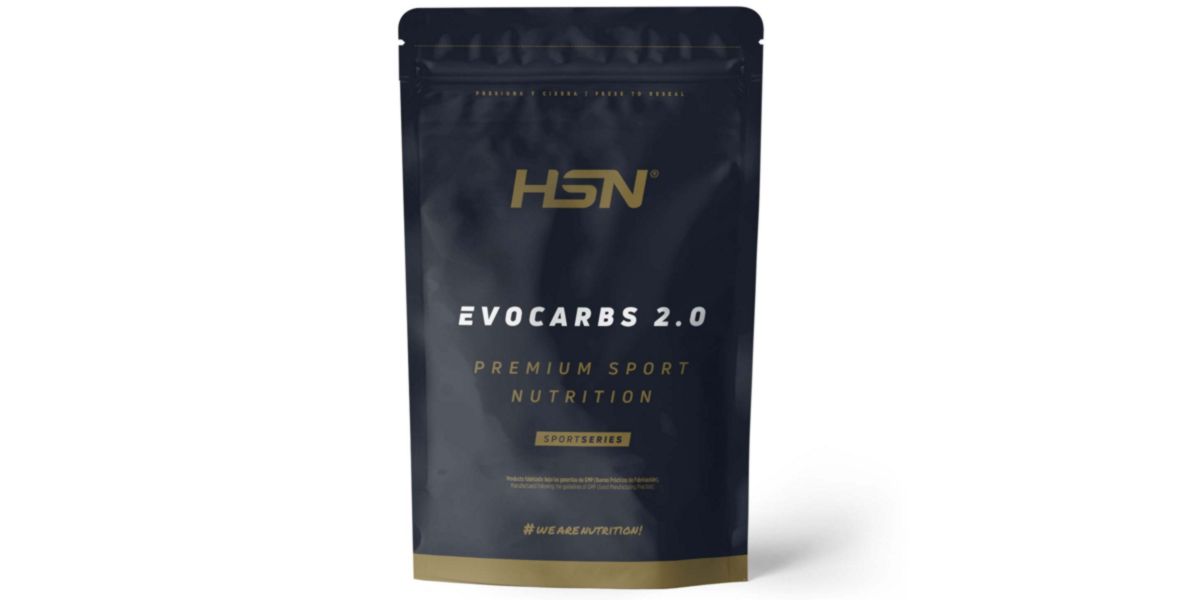
- Evopump (Nitrates)
One of the best ergogenic aids for cyclists is undoubtedly nitrates. They are precursors of nitric oxide (NO) which increases the flow of oxygen and nutrient transport to the muscle fibres, thereby increasing aerobic performance.

- Evovits (Multivitamin)
In preparation for long endurance events, a multivitamin complex will help to keep the body’s function and immune system strong to avoid any drop in defences. Recovery after a long training session is also of particular importance.

- Evorecovery (Recovery product)
A recovery shake containing not only carbohydrates for muscle glycogen replenishment, but also protein to facilitate protein synthesis and reduce post-workout muscle destruction is recommended.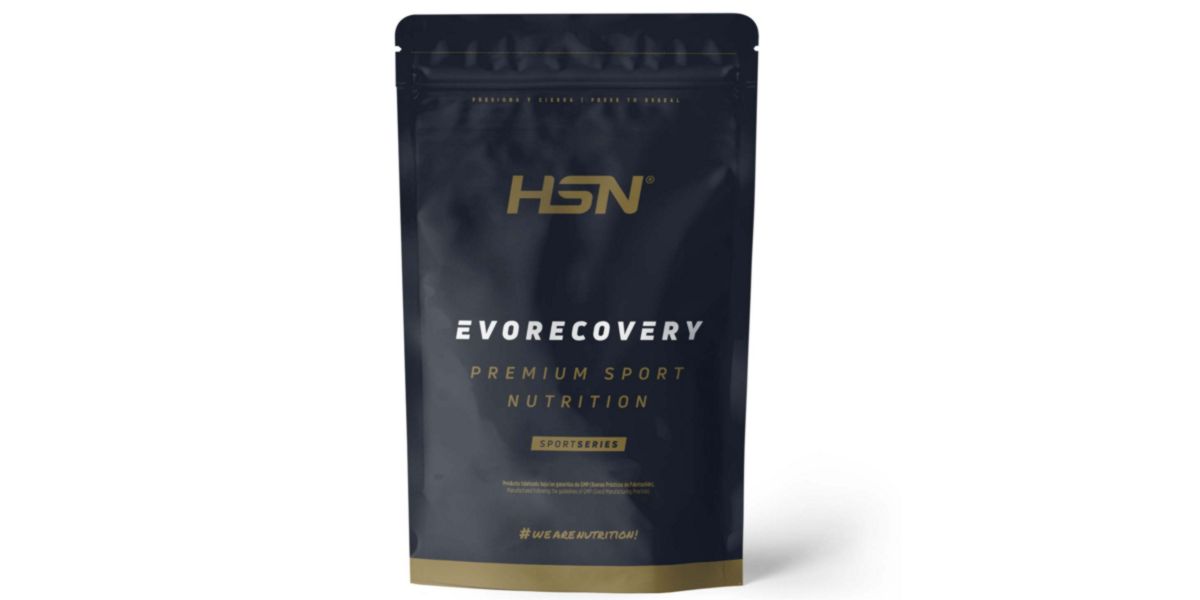
Bibliography
- “El entrenamiento en el Ciclismo de Ruta”, José Luis Algarra y Antxon Gorrotxategi. 2012. Biocorp Europa S.L.
- “Planifica tus Pedaladas. Guía de Entrenamiento para el Ciclista “, Chema Arguedas Lozano. 2008. Huella Digital.
Related Entries
- We tell you how to improve recovery in cycling: here.
- Which do you prefer: road or mountain biking? We tell you our opinion