 Fitness, Nutrition, Health and Sports Blog In the HSNstore Blog you will find tips about Fitness, sport in general, nutrition, and health – HSNstore.com

If your goal is to build strength, check out these 20 essential tips for maximising your gains. Becoming stronger has a direct impact on your day-to-day life. Pay attention to these tips!
Use prone grip
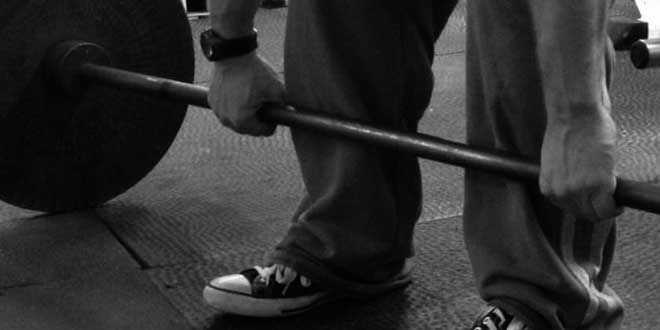
When you’re doing deadlifts, try to use this grip to strengthen your forearms. Depending on the day, use straps to gain confidence. You should leave the mixed grip for very high loads, and with a low training frequency.
Use different tools for gripping
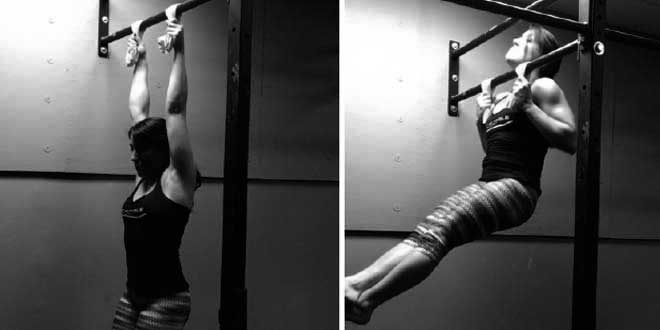
You can perform sets of pull-ups using a towel, holding onto it, which will put extra strain on your forearms.
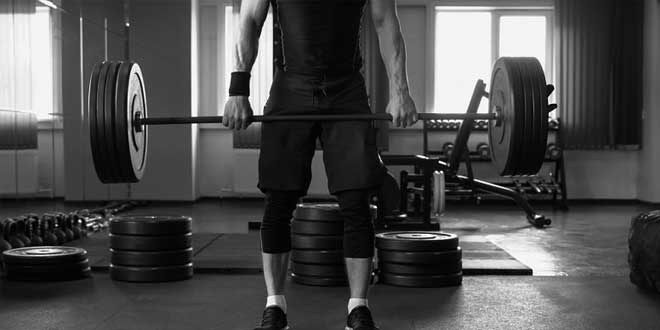
Slide the bar across your shins in a deadlift
If you notice bruises on your shins after training, don’t panic, it’s a sign you’ve been executing the movement with good technique. Squeeze your buttocks and push through the hips at the last moment to generate more force (you can use some type of protection for your shins if you want 🙄 ).
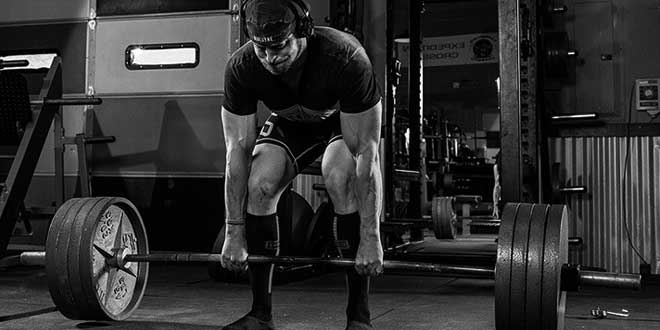
Remember that the deadlift is a push exercise (we push the ground).
Prioritise basic exercises
When you start your session, after warming up properly, always start with a basic exercise (such as a squat, bench press, deadlift, or military press), as these as the exercises that demand the greatest amount of energy while maximising development in all senses.
Lift heavier sets
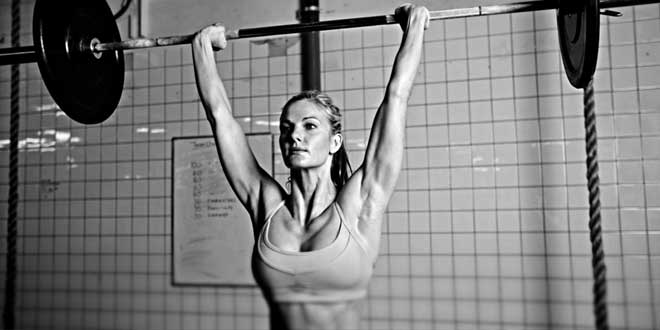
Start doing more sets, with fewer reps and more weight. It can be between 3-6 repetitions.
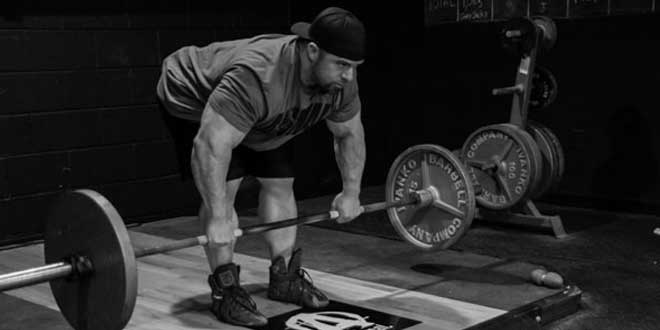
A way to get closer to the target weight: the 4th repetition will be require effort, the 5th you’ll only just make, and for the 6th you’ll need to really push yourself…
Control your breathing
In movements that require great effort, such as the deadlift, squat or bench press, inhale to fill your lungs and expand the chest cavity to reduce intervertebral pressure. This, alongside correct technique, may help prevent any injuries.
Scapular retraction
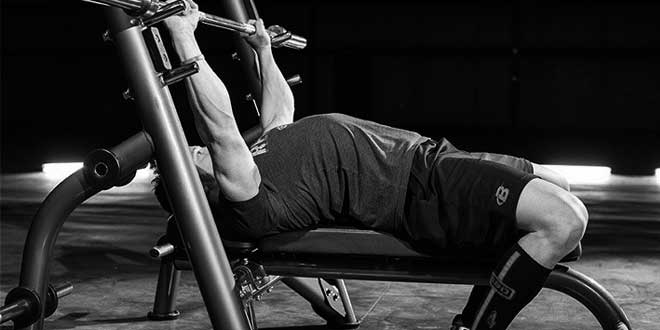
As a preliminary step when performing a bench press, you should do a scapular retraction. This is for two reasons: it can increase the amount of weight you can lift and release the shoulder joint too.
It’s great for your health!
Keep going to the end
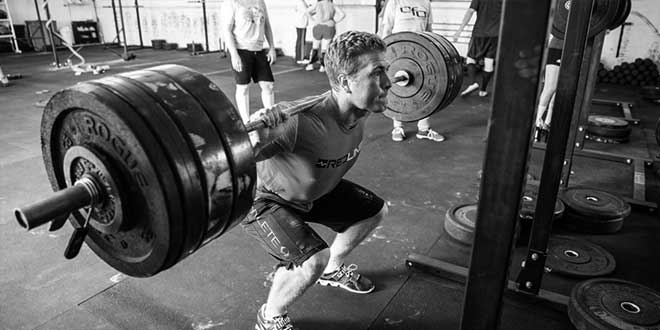
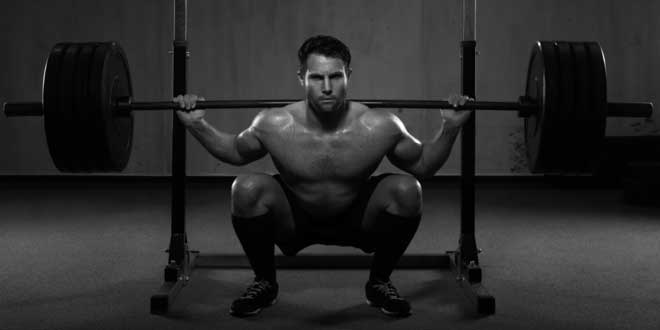
When you squat, don’t stay parallel, go all the way down (the correct term would be ATG: “Ass To Grass”). This will help you work the lower body as much as possible, forcing you to use all your power to lift back up. Pace yourself with the weights, you won’t be able to lift the same amount at the start as you aim to do later on…
Stay away from the machines
Always use free movement (involving the body’s own stabilisation) to exercise the large muscles. You can use a machine for isolation work, but only as an accessory.
Train the glutes
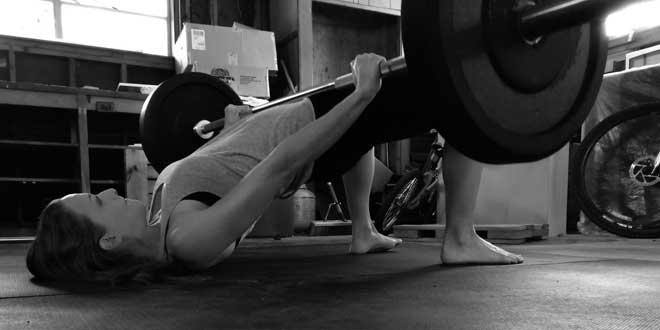
The glutes are a very powerful muscle group, so to speak, and it’s through them that we get the power needed for demanding exercises. They also aid stabilisation in the military and bench presses. Don’t forget about training frequency.
Front squats
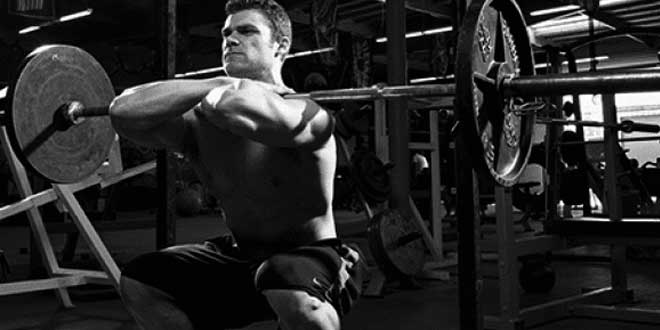
If the traditional squat is number 1 when it comes to developing and strengthening the lower body, this isn’t far behind. Alternative them both in your routine, which will help you progress to a deep squat.
Keep track of how you progress
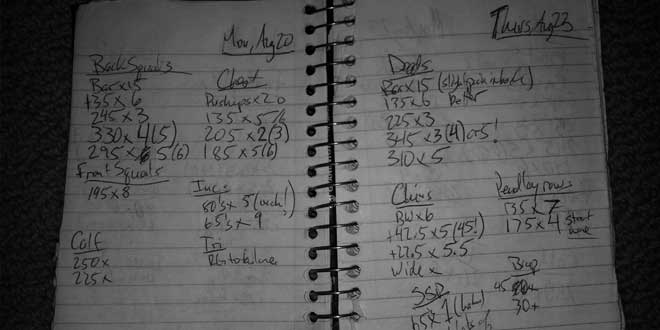
It’s incredibly important to record your workouts and the weights you’re lifting. You can start by measuring your RM for the basic exercises so that you can then programme your schedule and track how your strength increases.
Warm up and down
Get properly equipped
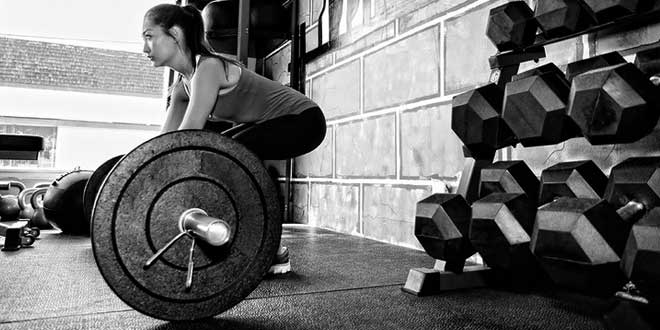
When you increase the intensity of your training, the following elements become essential for safety: wrist braces, knee guards, magnesium, adequate footwear…

Do weighted pull-ups
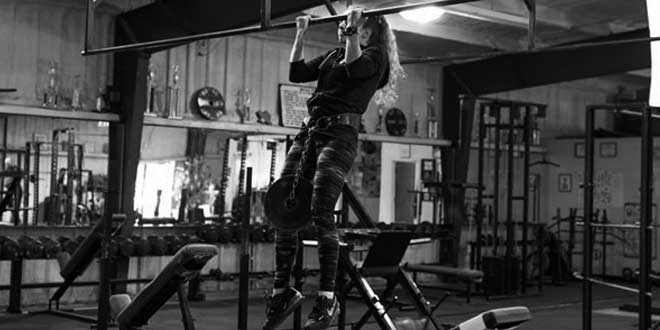
You can start with a dumbbell, or for heavier weights, use a belt with a chain and carabiner, practical and easy. Alongside this, you can alternate the type of pull-up: supine, prone or neutral, locking them in ranges of 3×5 or 3×3, depending on the load.
Do more dips
Taking the above advice, you’ll significantly increase your strength if you replace your current “decline press” with heavy weighted chest presses. And the same goes if you change your “triceps kickback” for parallel dips with another good load.

Explosive training
Include dynamic workouts, where you decrease a % of the load to increase the speed factor. You can do so by performing the squats controlling the descent (eccentric phase) and then coming up as fast as you can (concentric phase). And the same goes for the bench press.
Train “pauses”
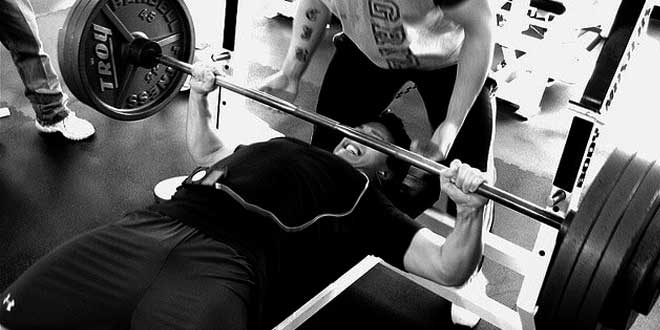
Just like a competitive powerlifter, hold the bar on your chest for a second during the bench press, then apply maximum force. In a deep squat, hold it for several seconds… then you’ll really find out what strength means, having to put your everything into getting back up.
Try out Olympic movements
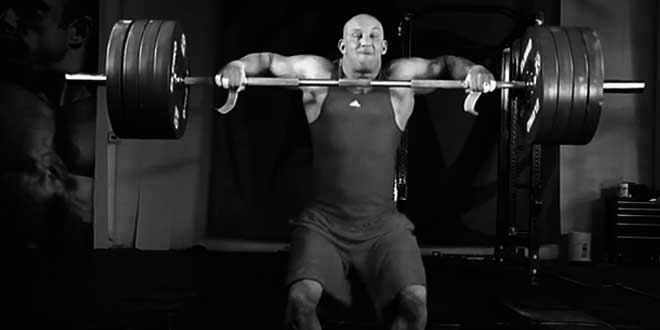
If you’re able to get to a gym that’s equipped to do so, don’t miss out. Alternating your usual sessions with weightlifting will really help you build strength. There is no other sport that delivers such explosiveness in less time. It’s worth it.
Periodise your training
If you want to go a step further and really build your strength, you’ll have to try out things like the 5x5, smolov, or wendler 5/3/1 routines…
Related Entries
- More Training Tips for Building Muscle Mass
- Why Take Supplements?
- 10 Basic Nutrition Tricks to Build Muscle
- Strength Routine for Runners