Fitness, Nutrition, Health and Sports Blog In the HSNstore Blog you will find tips about Fitness, sport in general, nutrition, and health – HSNstore.com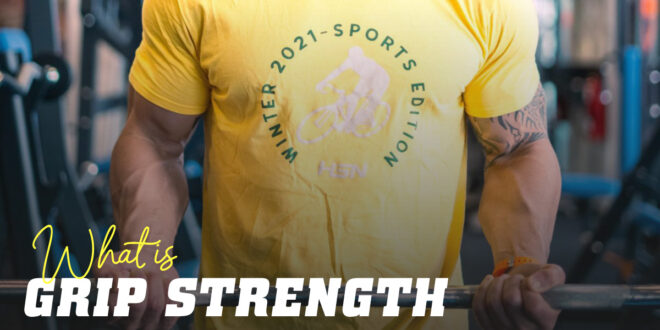

Grip strength is one of the fundamental physical skills we need to develop to obtain greater performance in our workouts and effectiveness when performing daily activities.
What is grip strength?
Grip strength consists of the capacity we have to to hold, squeeze, grip or support any object with our hands. Contrary to popular belief, it does not only have to do with the motor skills of the hands, because grip is more complex than it usually seems.
To trigger the grip the muscles of the forearms and hands must work together.
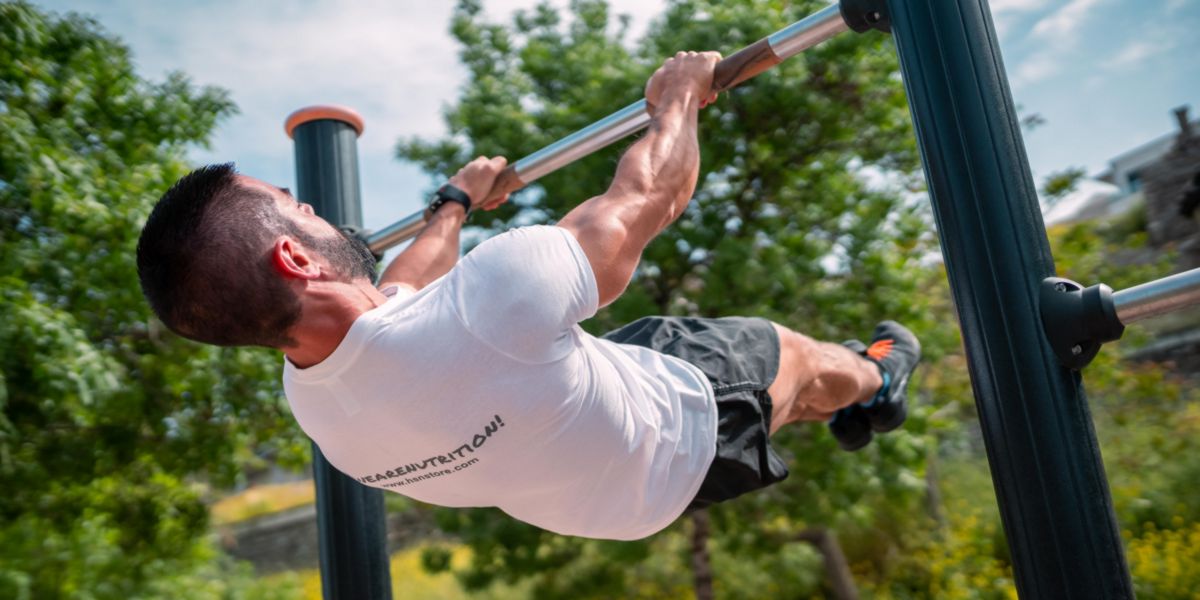
These muscles originate from the elbow joint, from where they reach the wrist and fingertips.
Benefits of working your grip strength
Training ourselves for a stronger grip will result in significant benefits that makes every minute invested in it worthwhile.
- Increased resistance. You’ll be able to perform more reps before your muscles are depleted by exertion.
- Performance increase in various sports. Strong forearms not only benefit you when performing strength sports, they also help you succeed in other disciplines such as gymnastics, basketball or climbing, amongst others.
- Injured prevention. Strengthening the muscles involved in grip can prevent the occurrence of injuries, such as tennis elbow.
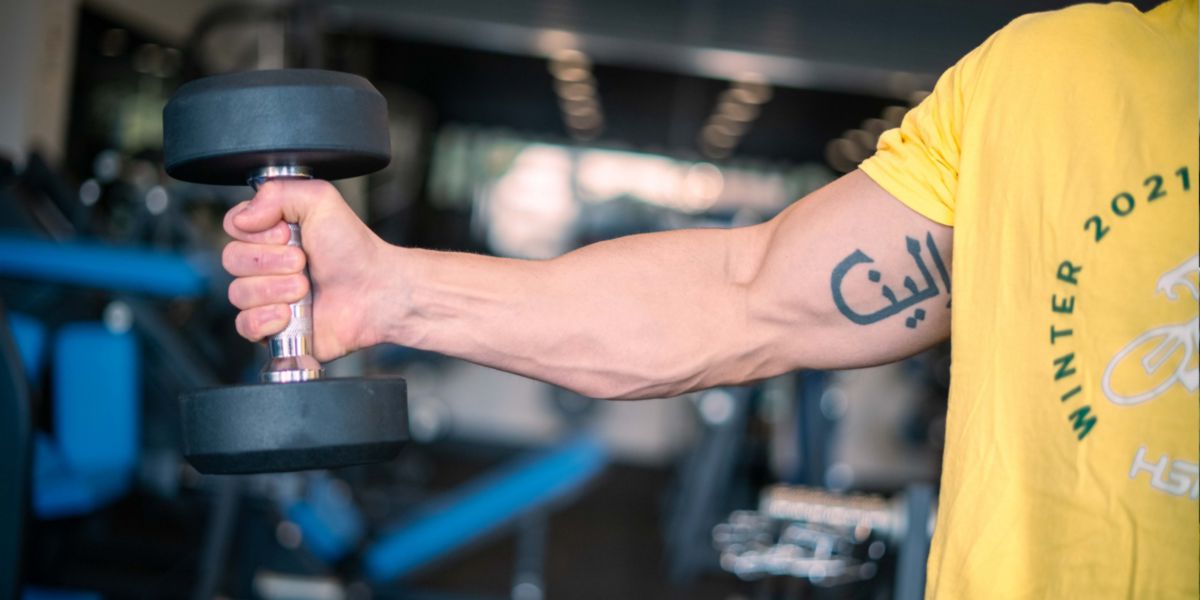
It also helps to reduce recovery time after injury, as stronger muscles and connective tissues recover quickly.
- Increase the basal metabolic rate. The higher the grip strength, the more power you have when training and the faster the progress in your bodybuilding process, which will increase your basal metabolic rate.
- Improve the quality of life. Developing grip strength can make it easier for you to perform tasks, such as taking grocery shopping, moving homes. In addition, studies show that in the elderly it can be a predictive factor of disability.
How do you improve grip strength?
First of all, you should know which areas are a priority to strengthen:
- Starting with the wrists, an important area that can give us a plus in training.
- Then we have finger strength, which is easy to work on and includes the palm of the hand.
- Finally, we need to build strong forearms, which will allow us to increase effective grip execution.
Exercises to work grip strength
Using equipment
There’s a great variety to choose from: grippers, anti-stress balls, etc. The important thing is to choose the one that feels comfortable in your hand and is suitable for your level.
Squeeze the trainer while keeping the arm straight.
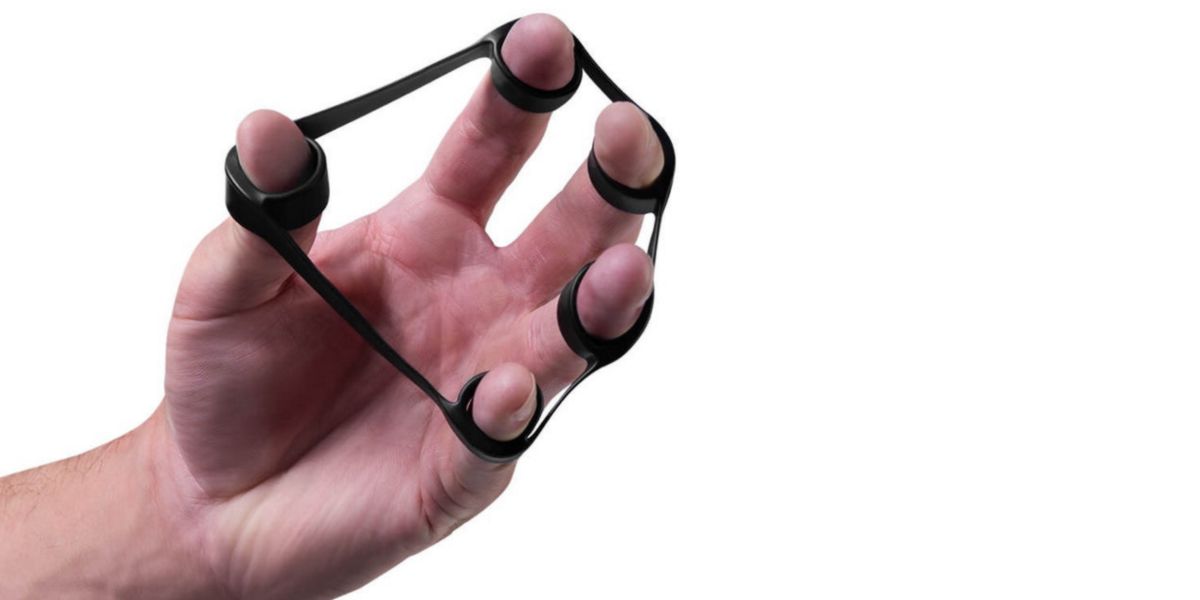
It will help you train a firmer grip.
Weight training
You can use a variety of items to train in this category.
- Farmer’s walk. Place a dumbbell in each hand, holding firm with your fingers. Keep your arms stretched out and walk about 8-10 meters forward.
- Disc lifting. This consists of using discs of at least 1 kg each and lifting them by holding them only with your fingers. Start with one disc continue adding to it as you progress to the next level.
- Dead lift with bar Place your hands at shoulder height on the bar and hold it tightly. Stay in a locked position with your legs apart and your knees slightly bent.
Do Pull-Ups
Start with a neutral grip in which your hands are wrapped around the bar.
Use two bars perpendicular to the horizontal bar and perform several pull-ups, lifting your chest above the bar.
You can do pull-ups by covering the bar with two small towels; grab a towel in each hand and try to do one pul-up by firmly holding the towels.
Hanging on the bar
Use a wide bar. Grab it with your hands and hang from it for 30 seconds with your feet off the ground.
Have you ever tried to lift with a dumbbell so heavy that the grip was too wide for your hand? This is exactly what we’ll be practicing.
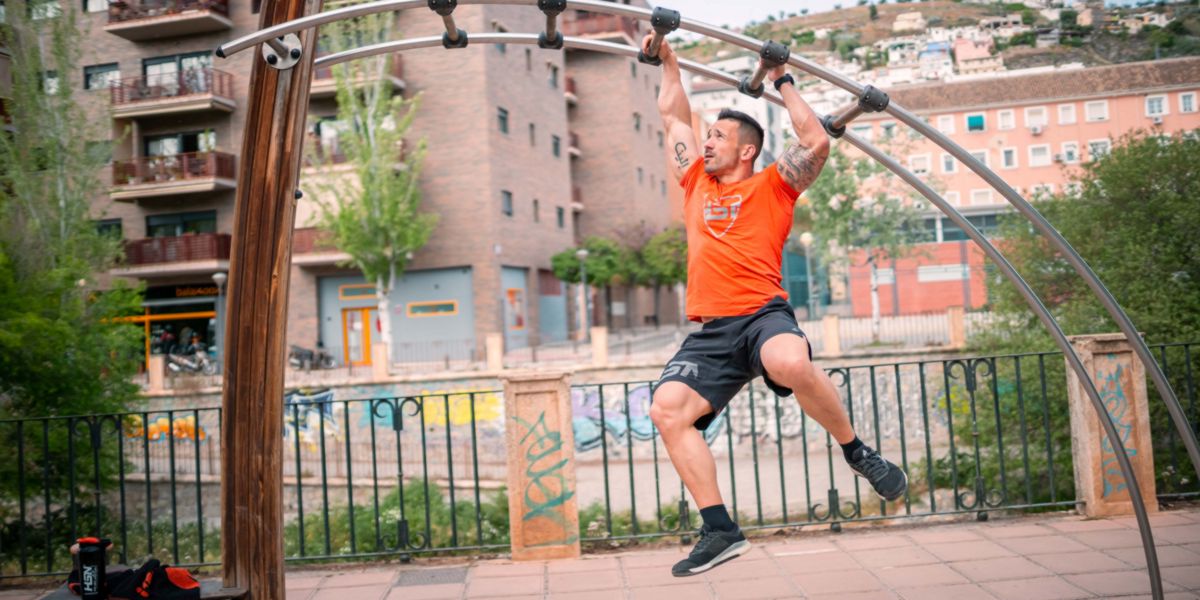
If you’re in a park, you can take the opportunity to do a “ladder.”
Plank with your fingertips
Place yourself in a planking position with your feet apart and your hips aligned with your shoulders. Now lift your fingers until you reach a balance point on the tips.
How do I know if I am increasing my grip strength?
It’s important that you periodically evaluate progress using a grip strength meter.
You can use the dynamometer, which is easy to operate:
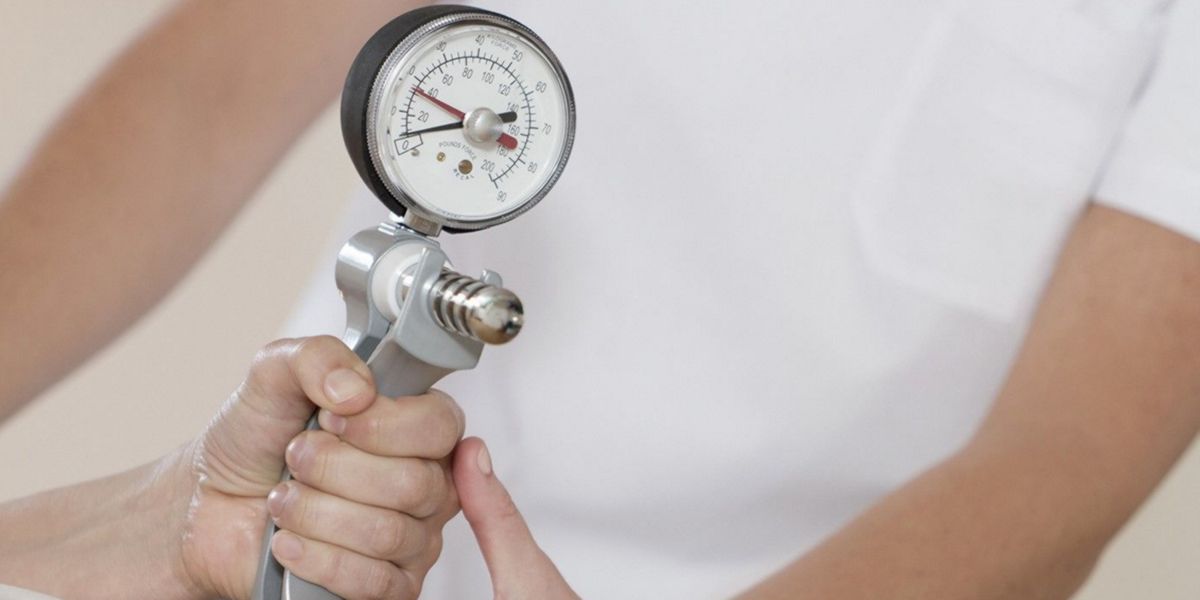
After gripping the device for about 5 seconds you’ll see the measurement expressed in pounds or kilos.
Tips
Finally, we recommend incorporating into your training routine the exercises that suit your needs for increasing grip strength.
Between two and three times a week is recommended, starting slowly and with little weight, then advancing progressively.
Bibliography
- “Fundamentos de las técnicas de evaluación musculoesquelética” M. Lynn Palmer y Marcia E. Epler 2002.
- “Anatomía y movimiento humano. Estructura y funcionamiento” Nigel Palastanga, Derek Field y Roger Soames. 2000
- “Proceso evaluativo musculoesquelético” Hazel M. Clarkson 2003.
- Personal knowledge and experience.
Related Entries
- Take note of these forearm exercises.
- Do you know the types of grips used in the gym? Click here to find them out.
- Using Kettlebells results in a strong grip. In this Post, we explain everything you need to know.