Fitness, Nutrition, Health and Sports Blog In the HSNstore Blog you will find tips about Fitness, sport in general, nutrition, and health – HSNstore.com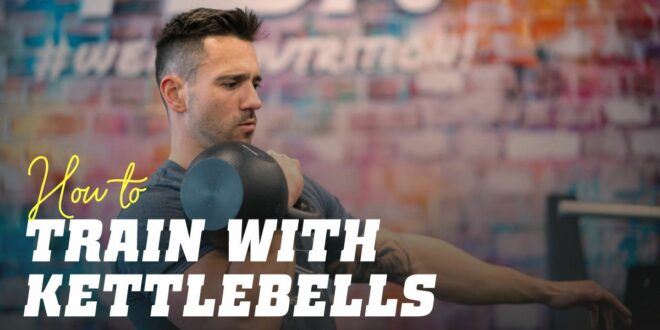

Today, we’re going to look at the benefits and exercises of Kettlebells training, how they differ from conventional dumbbells, and what you can do with them.
What is a Kettlebells?
Kettlebells are a type of dumbbell (not exactly) formed by a cast iron ball with a handle located at the top. This results in the weight not being evenly distributed, which causes the need to produce counterweight to balance and stabilise during use or training.
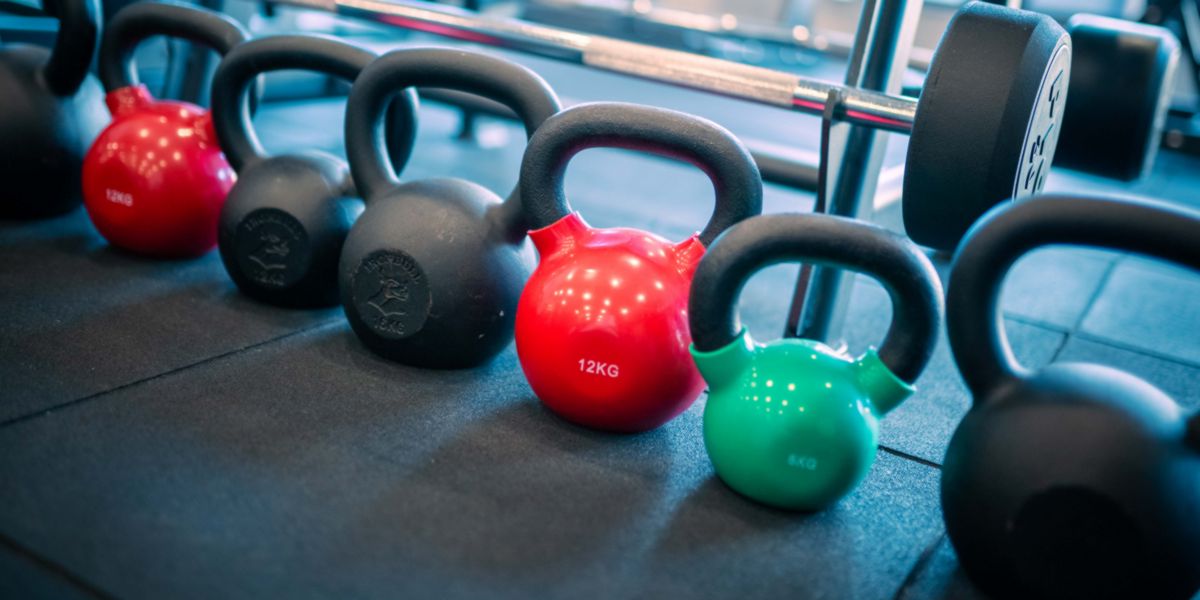
Today, kettlebells are part of the lifting equipment along with weights, barbells, dumbbells and discs.
Where did the Kettlebells come from?
The first mention of this term may date back to 1704, where it can be found in the Russian dictionary under the name “Girya”, the English translation of which is Kettlebells.
Kettlebells training was popularised back in the 1800s by Russian physicist Vladislav Kraevsky, who is considered the founding father of Olympic weight training: he opened one of Russia’s first weights training facilities, where both kettlebells and barbells formed the central part of the facilities’s training routine.
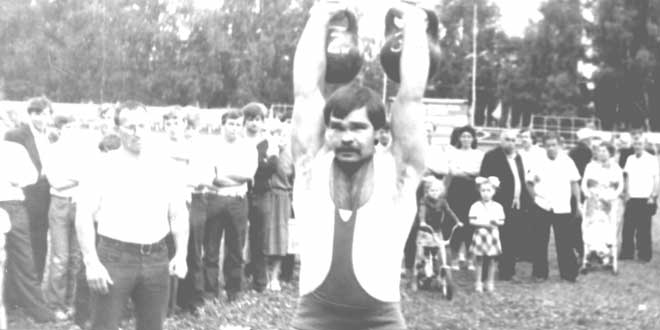
Olympic weightlifters in Russia used kettlebells to improve their technique, while soldiers used them to improve their conditioning in preparation for combat.
Types of Kettlebells
We can find kettlebells models in all sorts of materials, shapes and sizes: cast iron, steel, rubber-coated, filled with soft sand, adjustable, plastic…
Models of kettlebells are identified by their colours and associated weight. The “base” measurement is the Russian pood (16.38kg), from which the multiples and submultiples are derived.
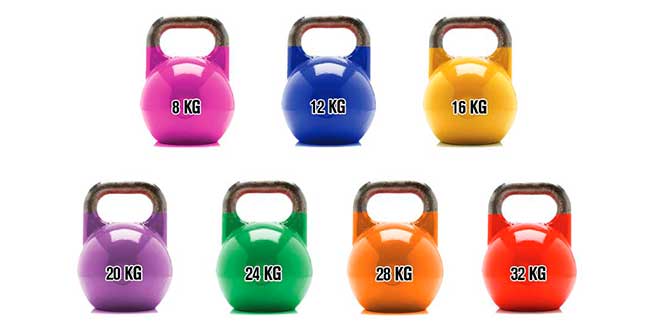
For much heavier models, the dimensions become quite important (models above 50kg!)
If you’re going to start with kettlebell training, my recommendation for buying kettlebells is:
- If you’re a girl, buy an 8kg kettlebell.
- If you’re a boy, buy a 16kg kettlebell.
Once you’ve mastered the exercises you can add new weights, or double the weights you have for dual training.
What are they for?
They are an option within weight training, just like dumbbells, but due to the way they’re constructed, they allow for other types of different stimuli.
In this sense, they offer us the possibility of performing functional movements, as their handling requires the activation of various muscle groups (activation of the “core”…) to counteract the imbalance produced by their handling.
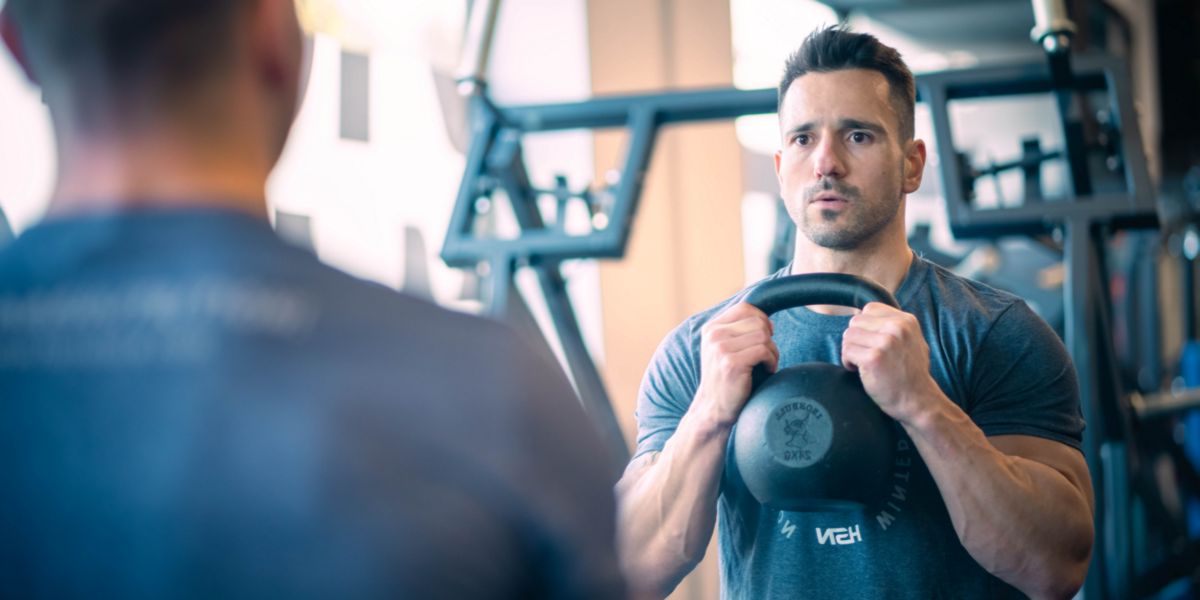
Among the exercises kettlebells are used for are Metabolic Circuit and Strength modes.
- They are a great way to include metabolic circuits in our routine;
- Increasing calorie expenditure and fat burning (kettlebell swing);
- Boosting aspects of our performance (endurance, grip strength…);
- Adding new exercises, such as Olympic movements (kettlebell snatch, press…);
- Substituting conventional exercises performed with barbells (deadlifts, bench presses…) by adding new features.
Functional Training
In any well-equipped sports centre, Kettlebells are a great bet, and we’ll be able to work an infinite number of metabolic circuits or “functional” type training.
It’s a type of exercise aimed at developing actions that we carry out in the activities of our daily life.
Benefits of training with Kettlebells
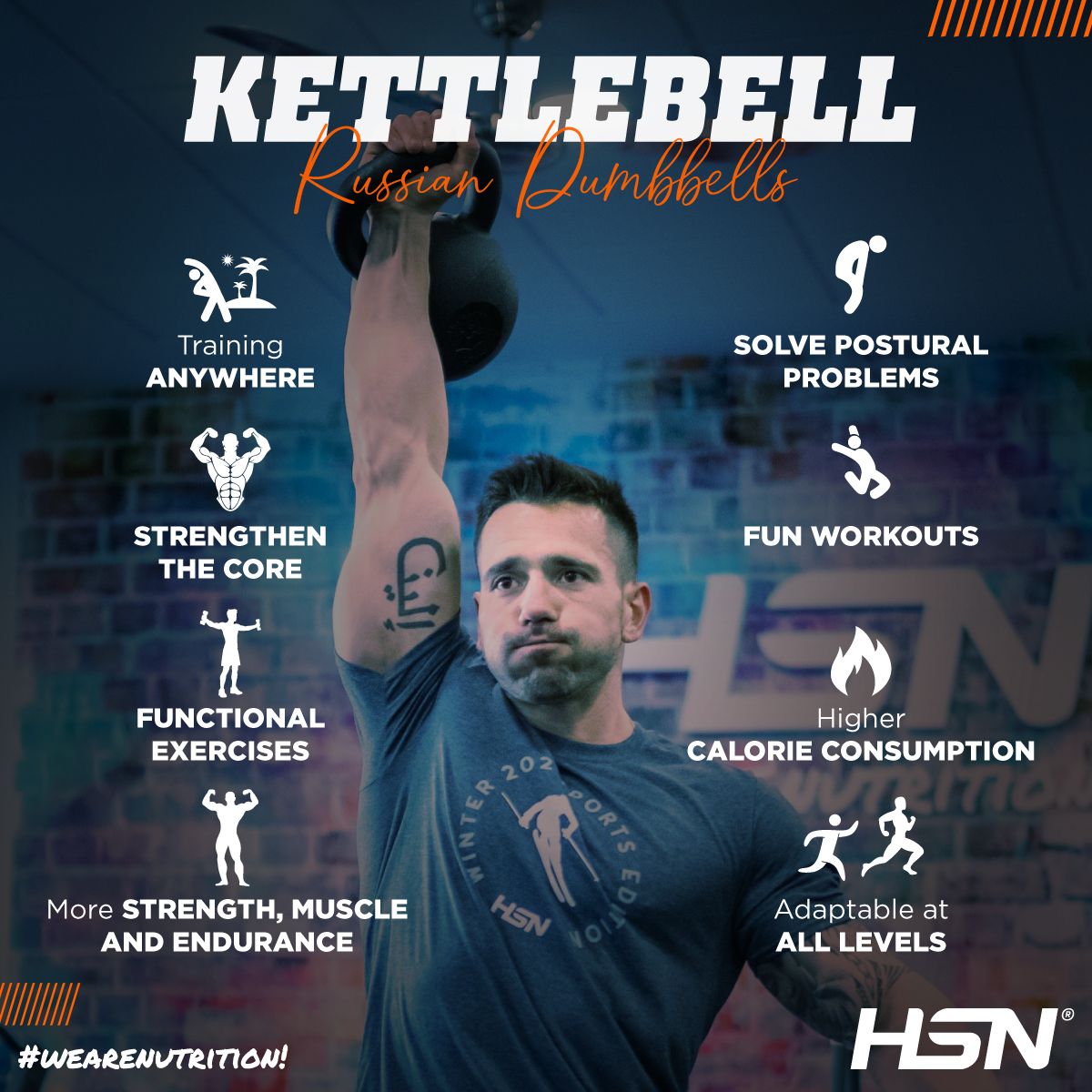
Go for it and give kettlebell training a try!
What are the advantages of the kettlebell compared to dumbbells?
The main difference is undoubtedly the way it’s constructed. With the kettlebell, the weight is not distributed evenly, resulting in the centre of gravity being displaced from the handle, which isn’t the case with the dumbbell.
The kettlebell is associated with ballistic movement: they keep moving after the initial push; they can be accelerated to generate more power…
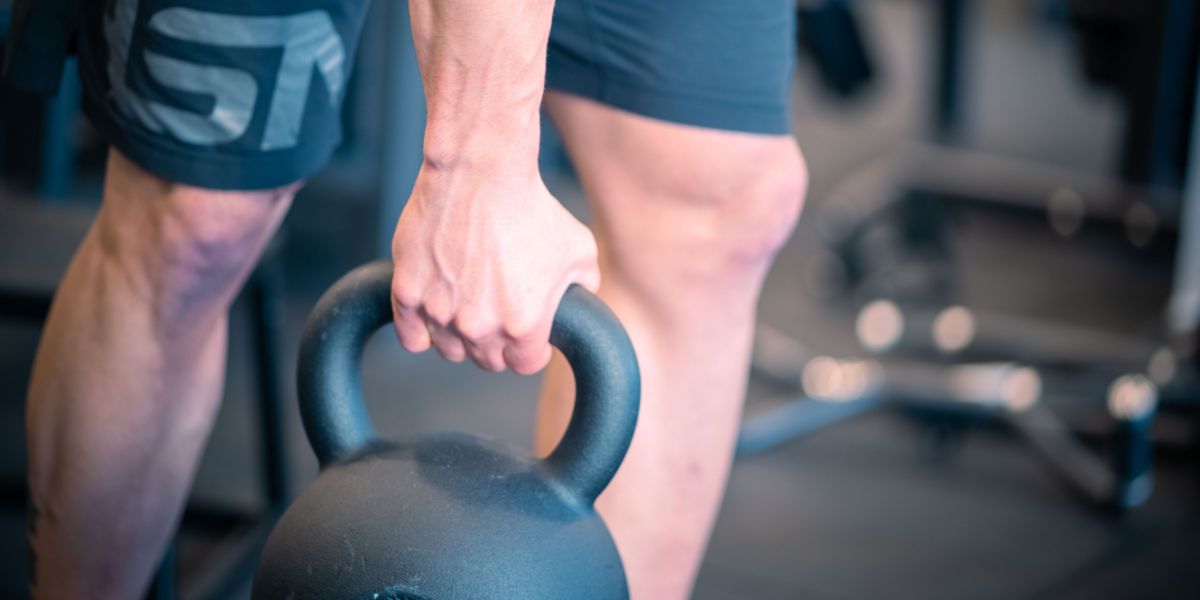
Grip is one of the main differences compared to dumbbells.
Differences
In principle, we can perform any exercise just as we would with dumbbells, working both unilaterally and with both hands simultaneously.
In this sense, with kettlebells we would work: bicep curls, the military and bench press, squats, deadlifts, rows…
Below we describe the main differences at a functional level that we can obtain when using these weights compared to dumbbells:
Muscle Strength and Endurance
Kettlebells can help us in two ways: gaining strength or increasing our strength-endurance.
Stabilisation
Of course, as has been mentioned, the functionality of the kettlebells works well with respect to working our body’s stability and balance (especially in overhead movements).
Power
However, this isn’t exactly their aim. They place greater emphasis on movements where a large number of muscle groups are involved, with Olympic movements and swings being particularly interesting.
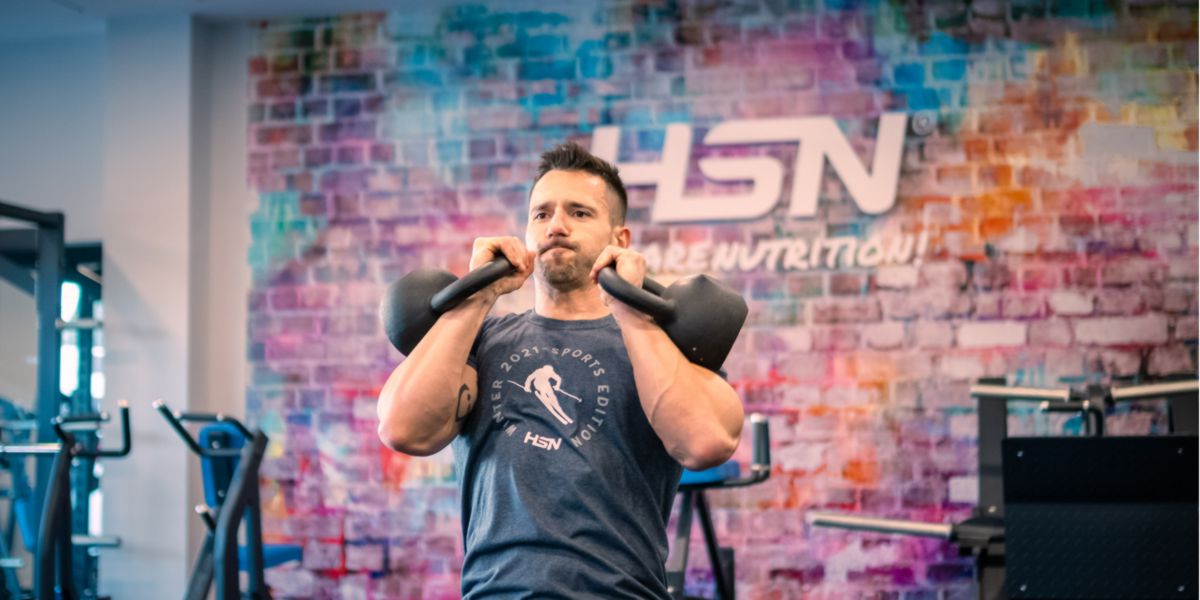
Rack position using two kettlebells.
Strengthening the grip
In terms of grip, kettlebells also help in two ways: they increase grip strength, and for those with limited wrist mobility, it can be an advantage when training certain movements (front squat…) as the handle allows for a greater range of movement.
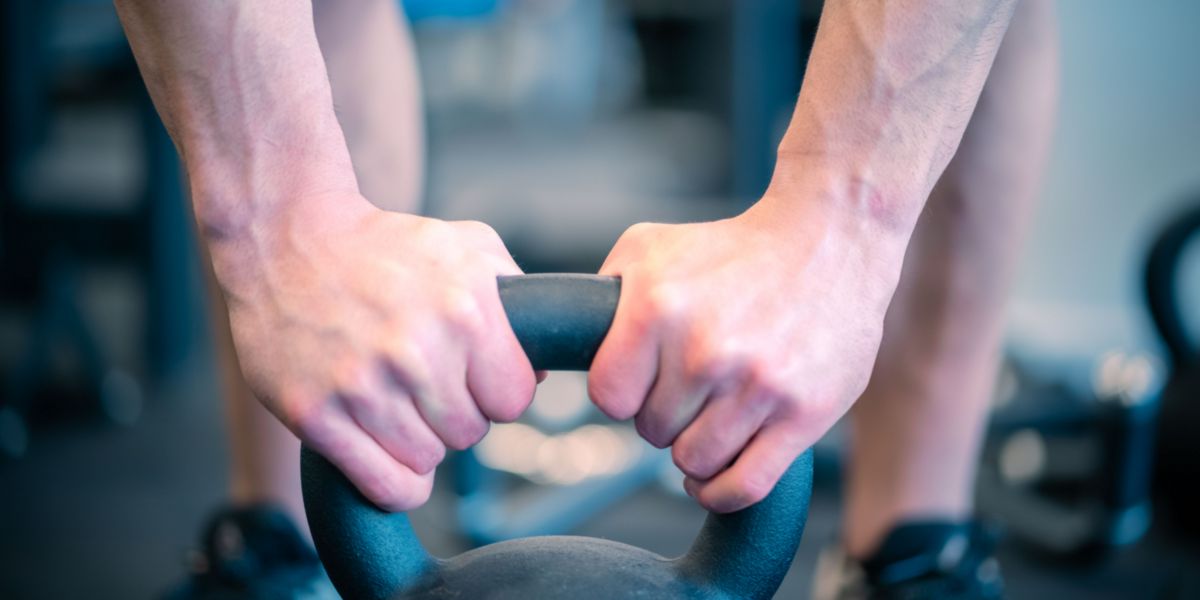
If you don’t have enough grip strength (although it will be trained if you keep using kettlebells), there’s a chance of dropping the kettlebell in the middle of the circuit…
Mobility
Therefore, they will require greater coordination and agility, as well as excellent shoulder mobility, especially when working on overhead exercises, and ankle dorsiflexion, when working on the lower body (front squat, goblet squat, lunges…) as great squat depth is achieved.
Kettlebell Exercises
We can work on these exercises both at home and in the gym.
Normally, we can include them at the end of our training routine, whatever the type of training (full-body, torso-leg, daily muscle group…), or, if we dedicate single training sessions to metabolic circuits, they’ll be a fantastic tool for:
There are a large number of movements you can do, but here’s a sample of the most powerful:
KB Clean
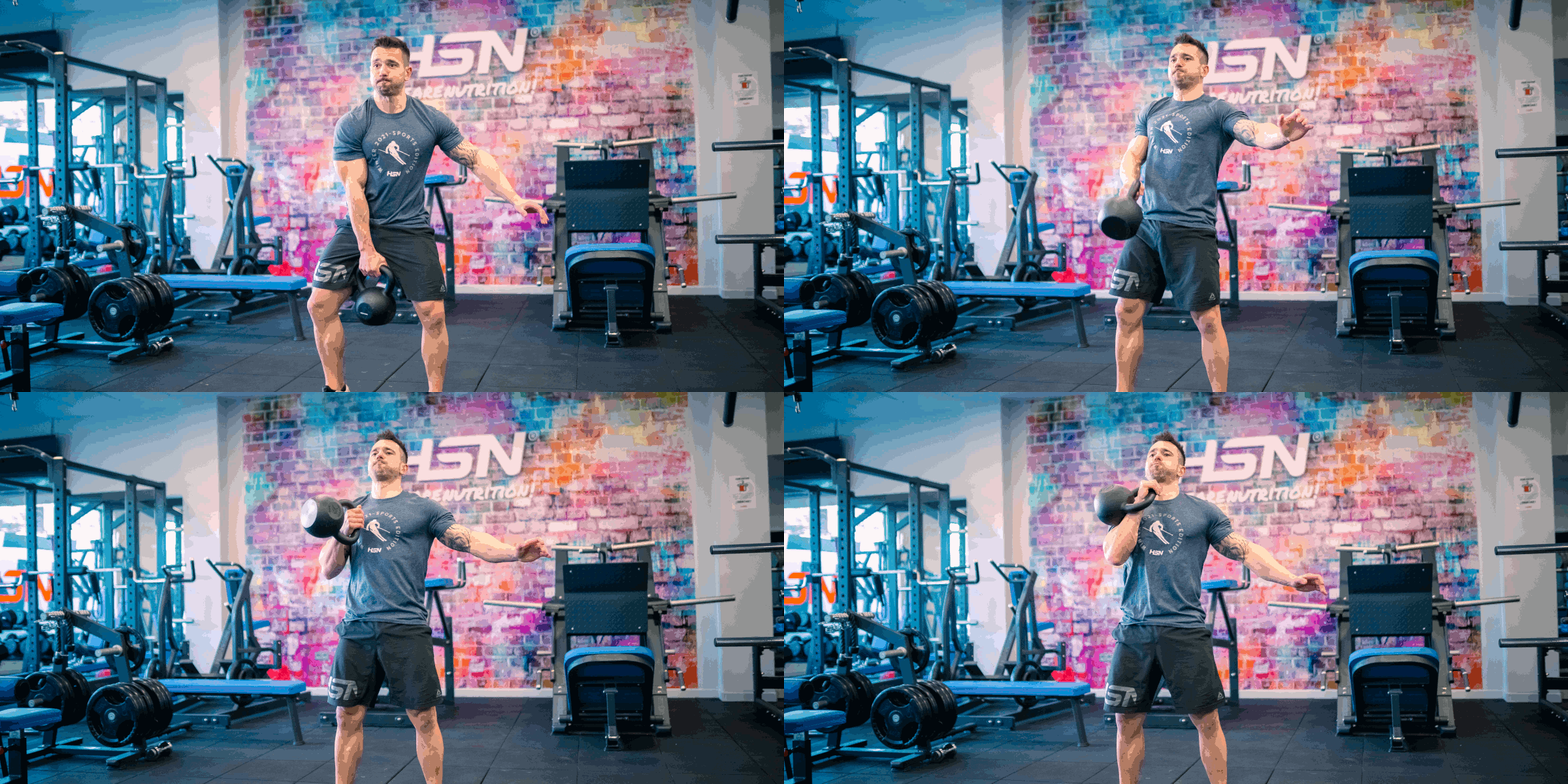
The clean is one of the “essentials”.
KB Jerk
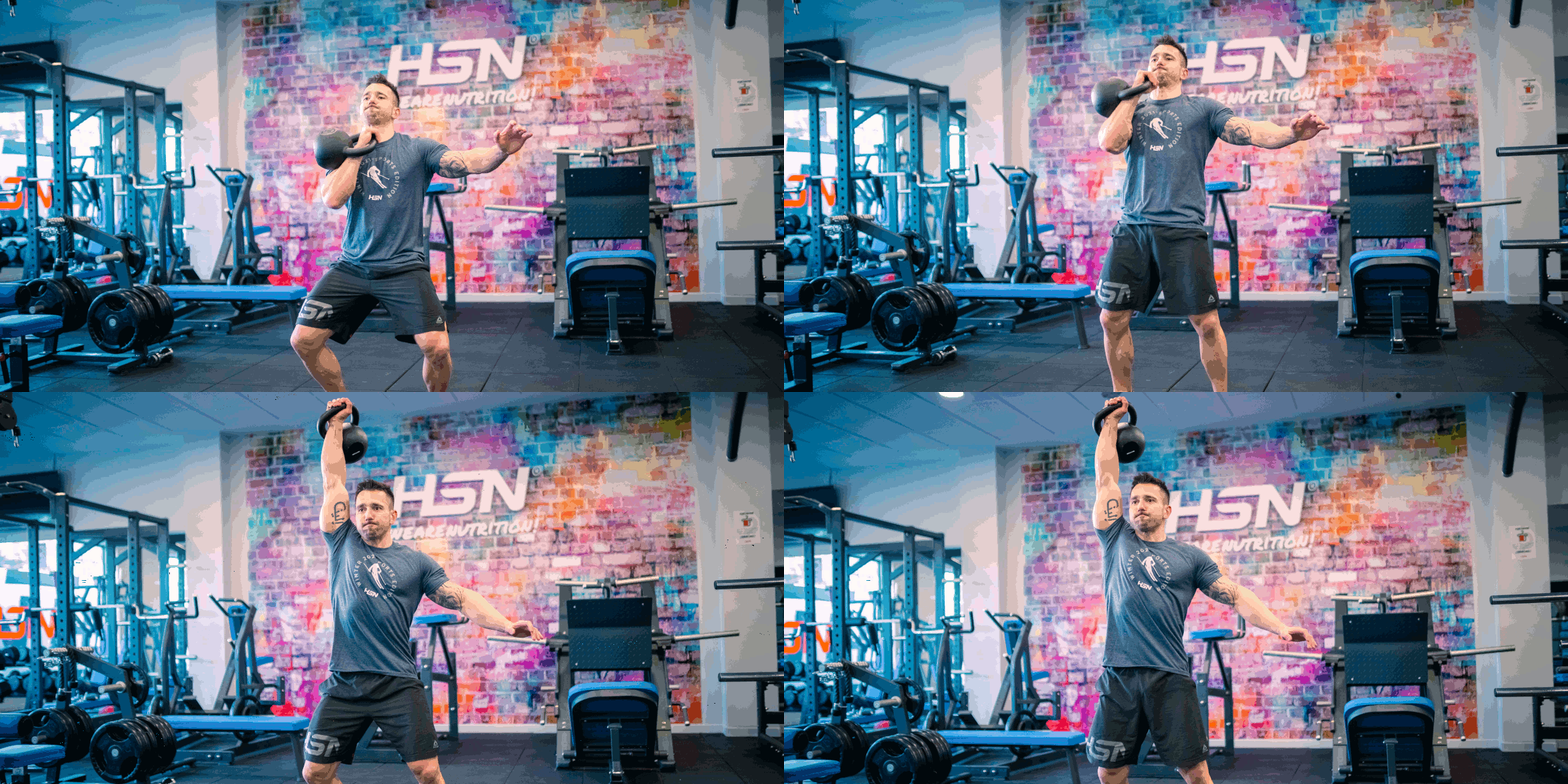
There’s also the “Push Press” in which you don’t have to do the second “dip”.
KB Snatch or 1-Handed Snatch
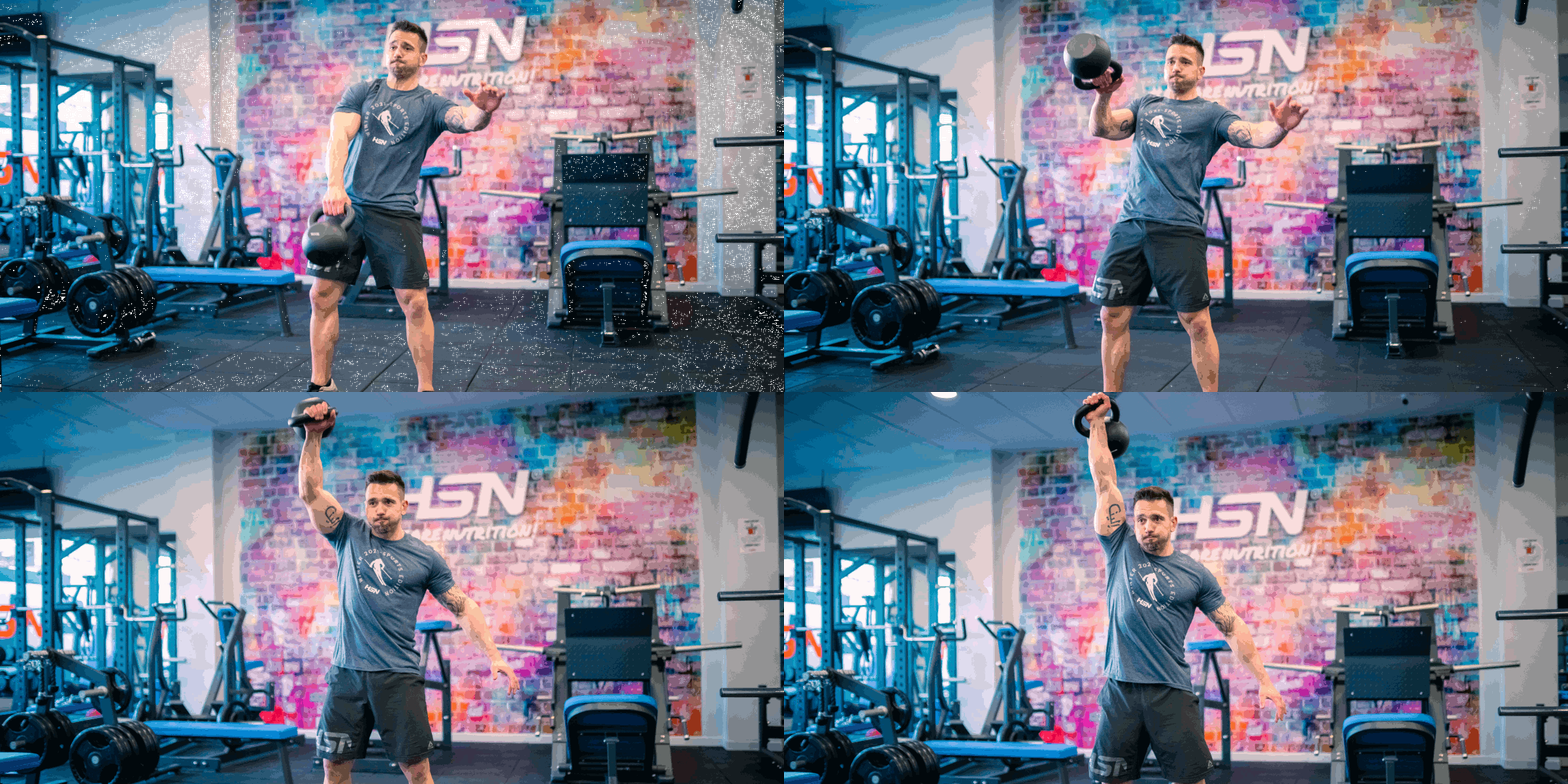
The other “essential” and fundamental movement for mastering kettlebells.
Dual KB Snatch or 2-Handed Snatch
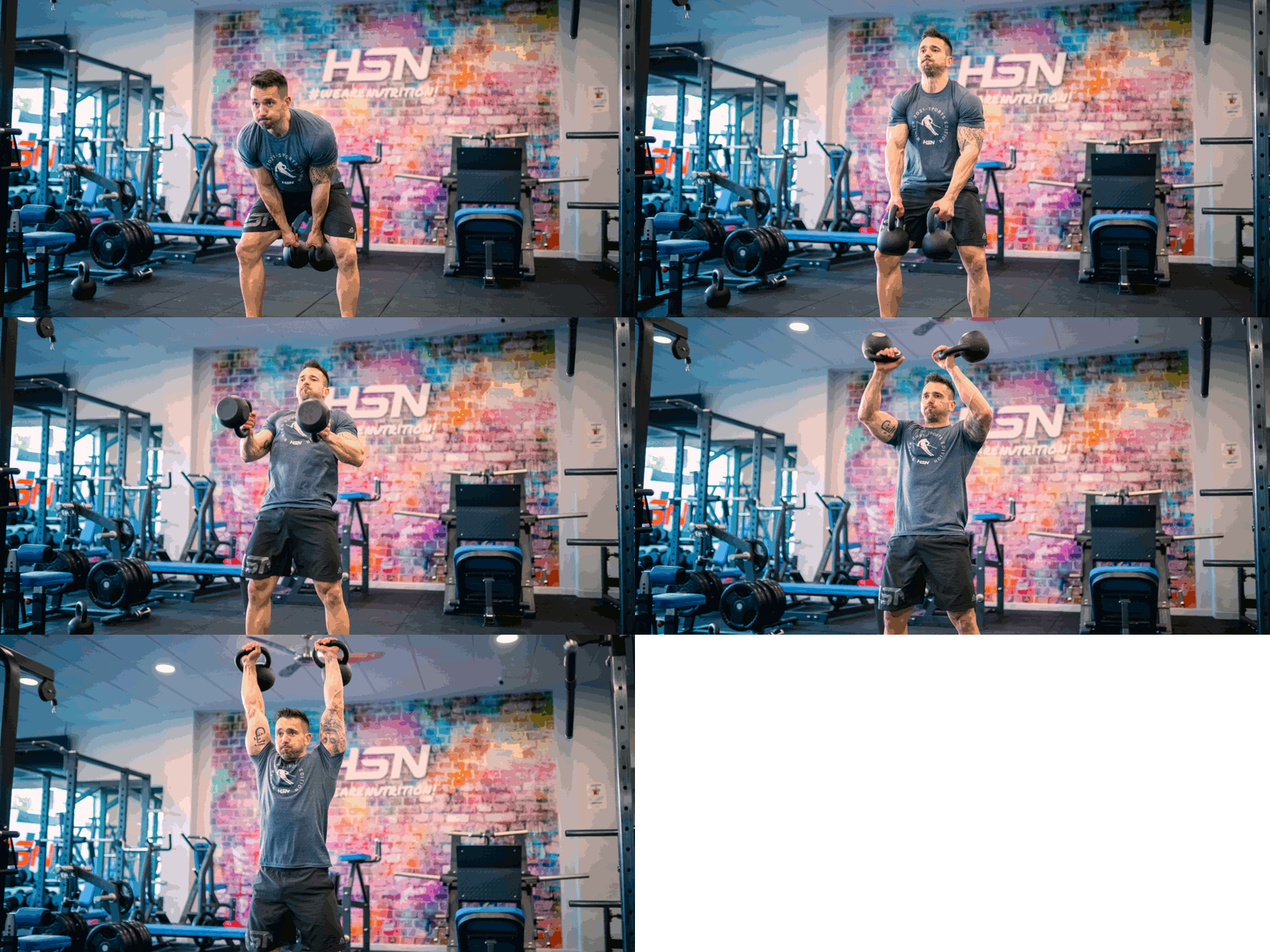
This is one of the most demanding kettlebell exercises there is.
Thruster
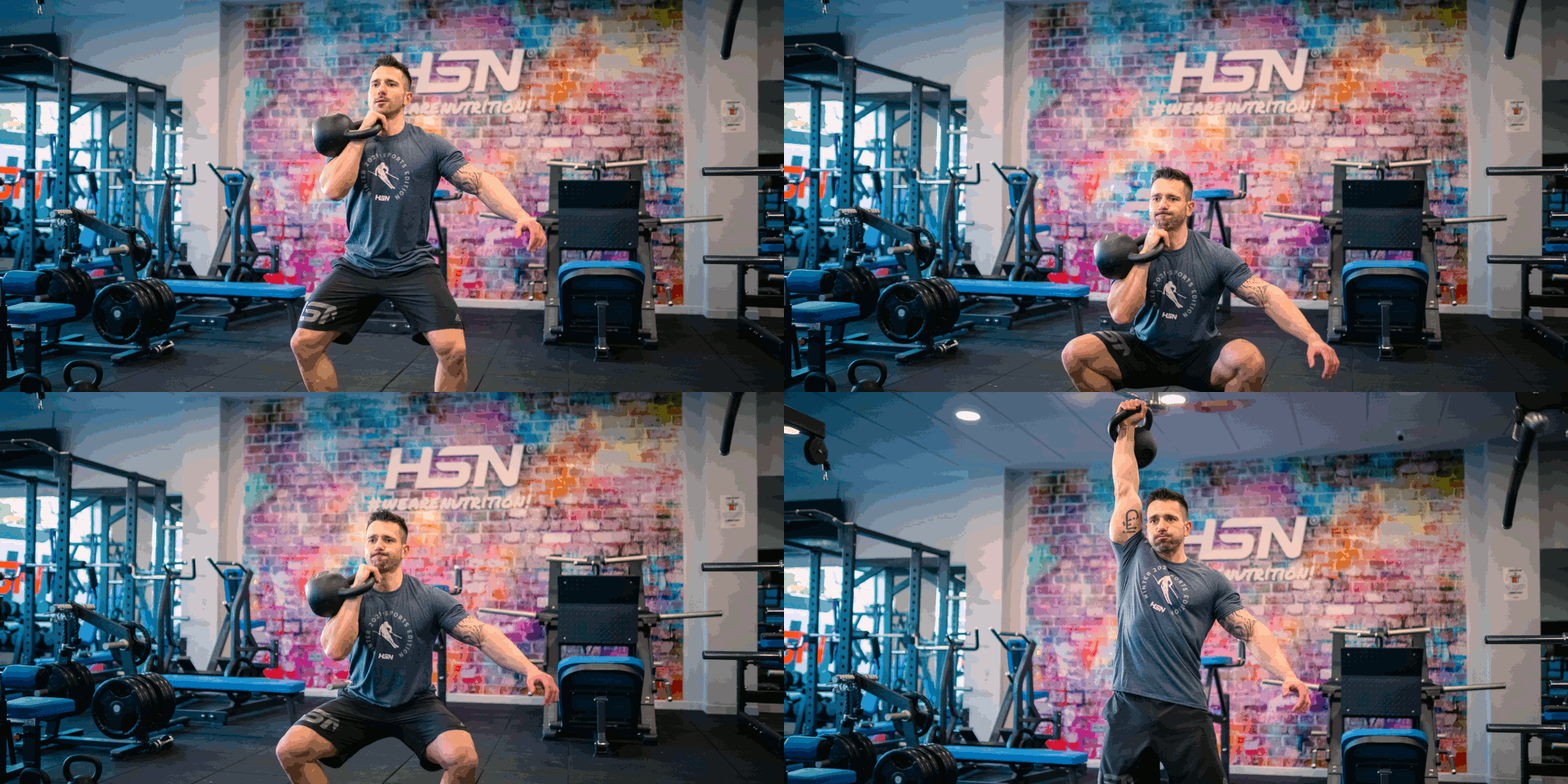
A combination of a Squat + Press.
Gorilla Row

A pull exercise.
Alternate Press
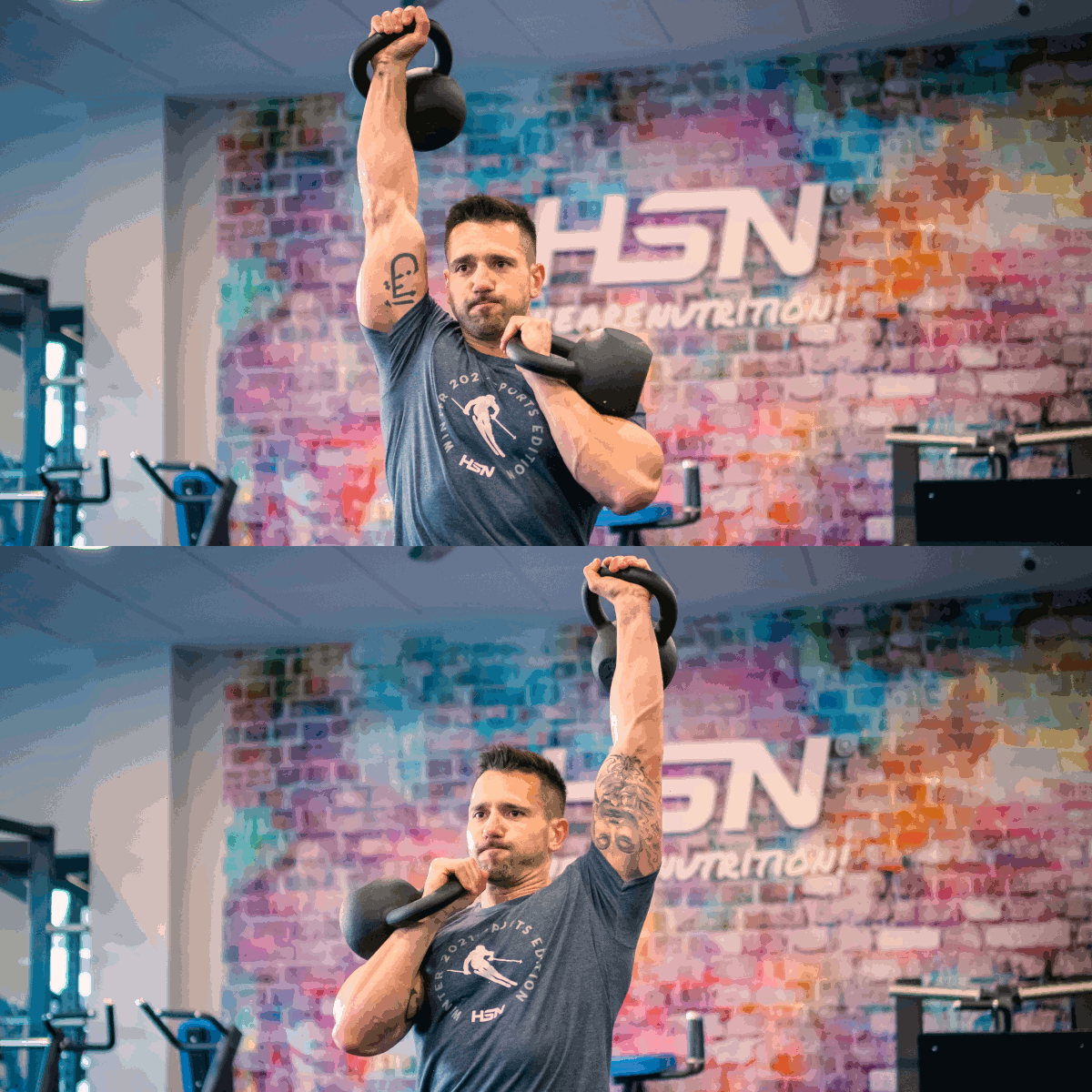
A vertical push exercise.
Dual Waiter’s Walk
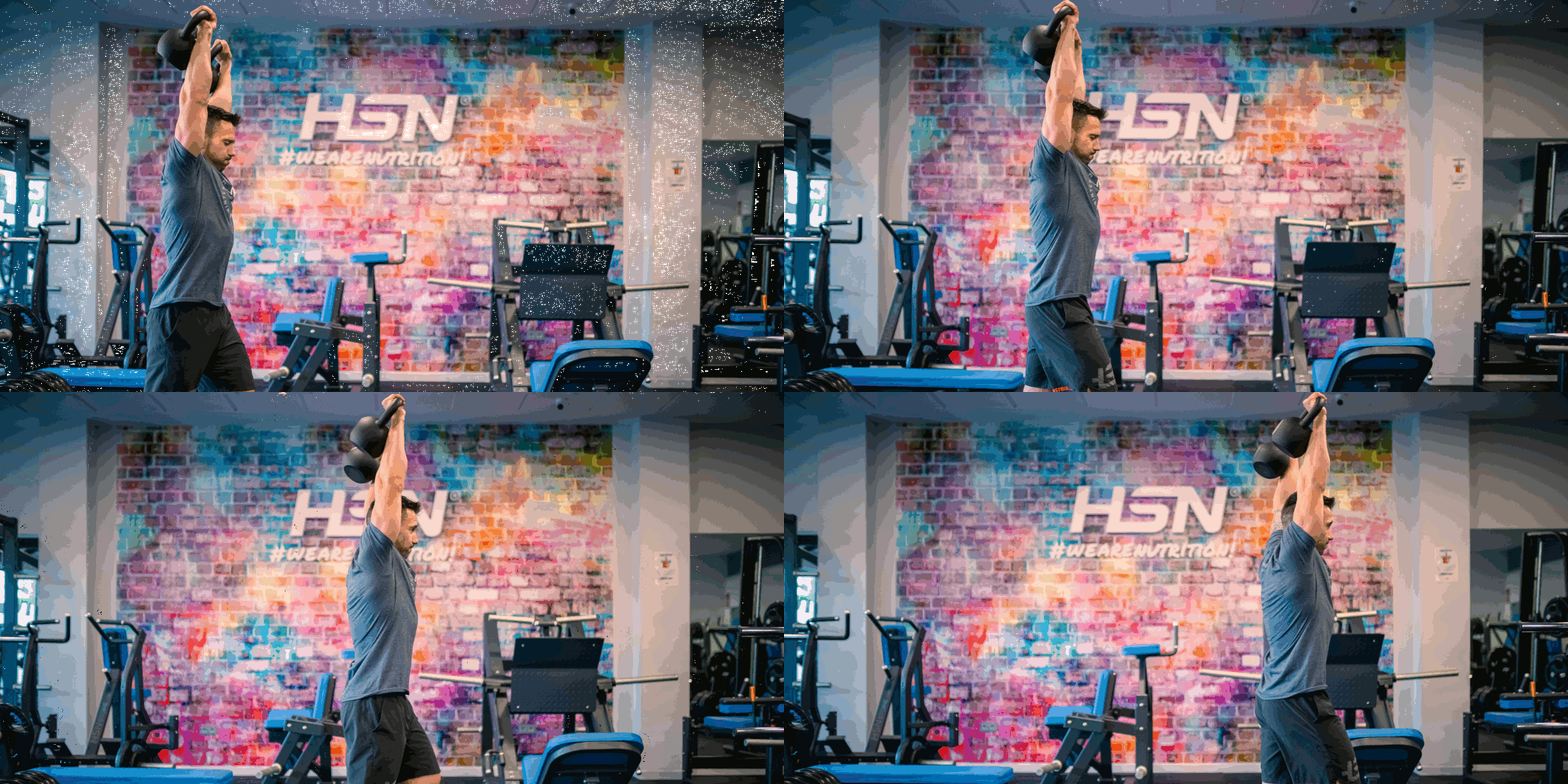
You need good shoulder mobility for this one.
Dual Rack Walk
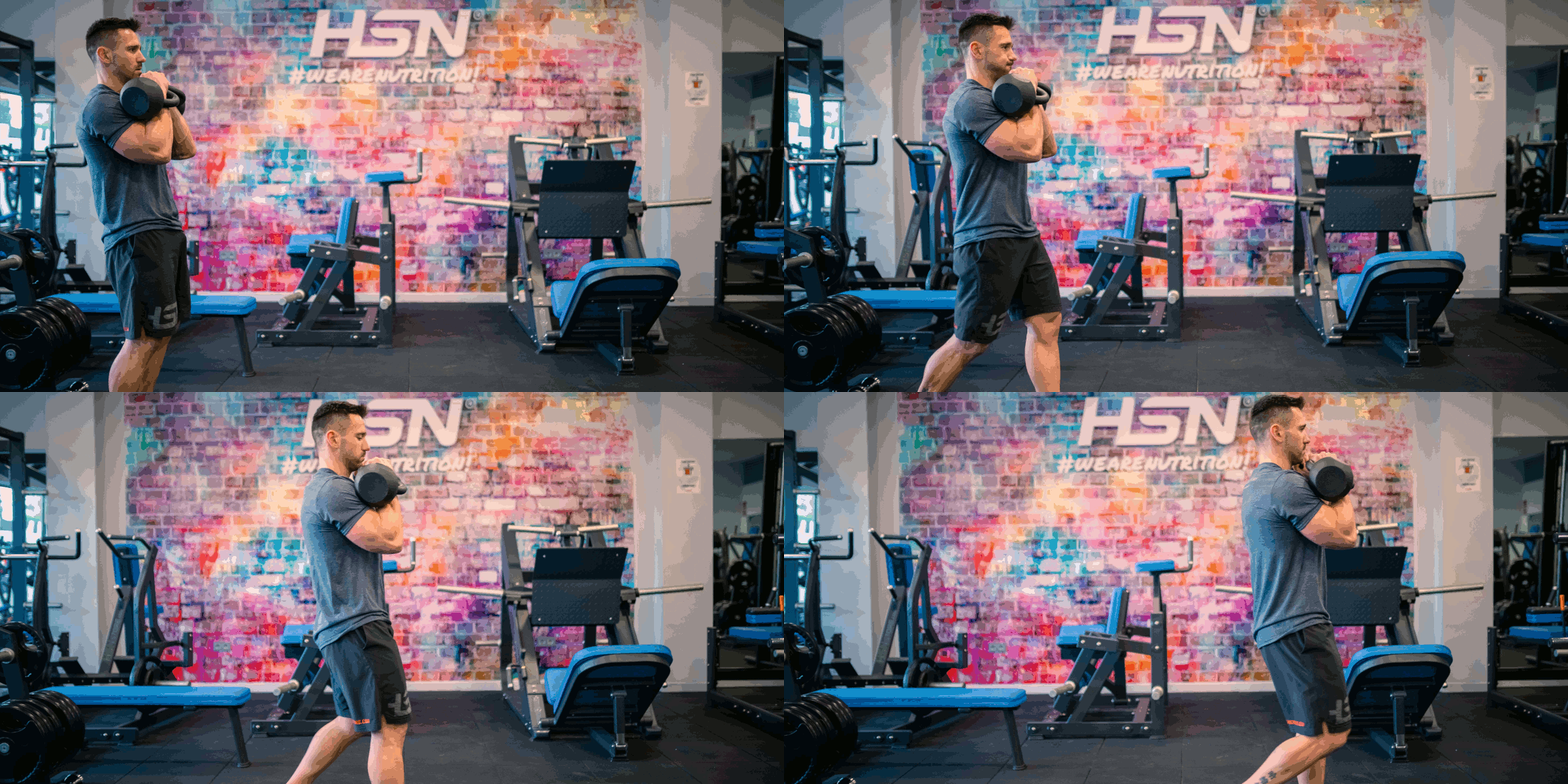
In both the overhead movement and this one, we have to keep the core active at all times.
Walking lunges
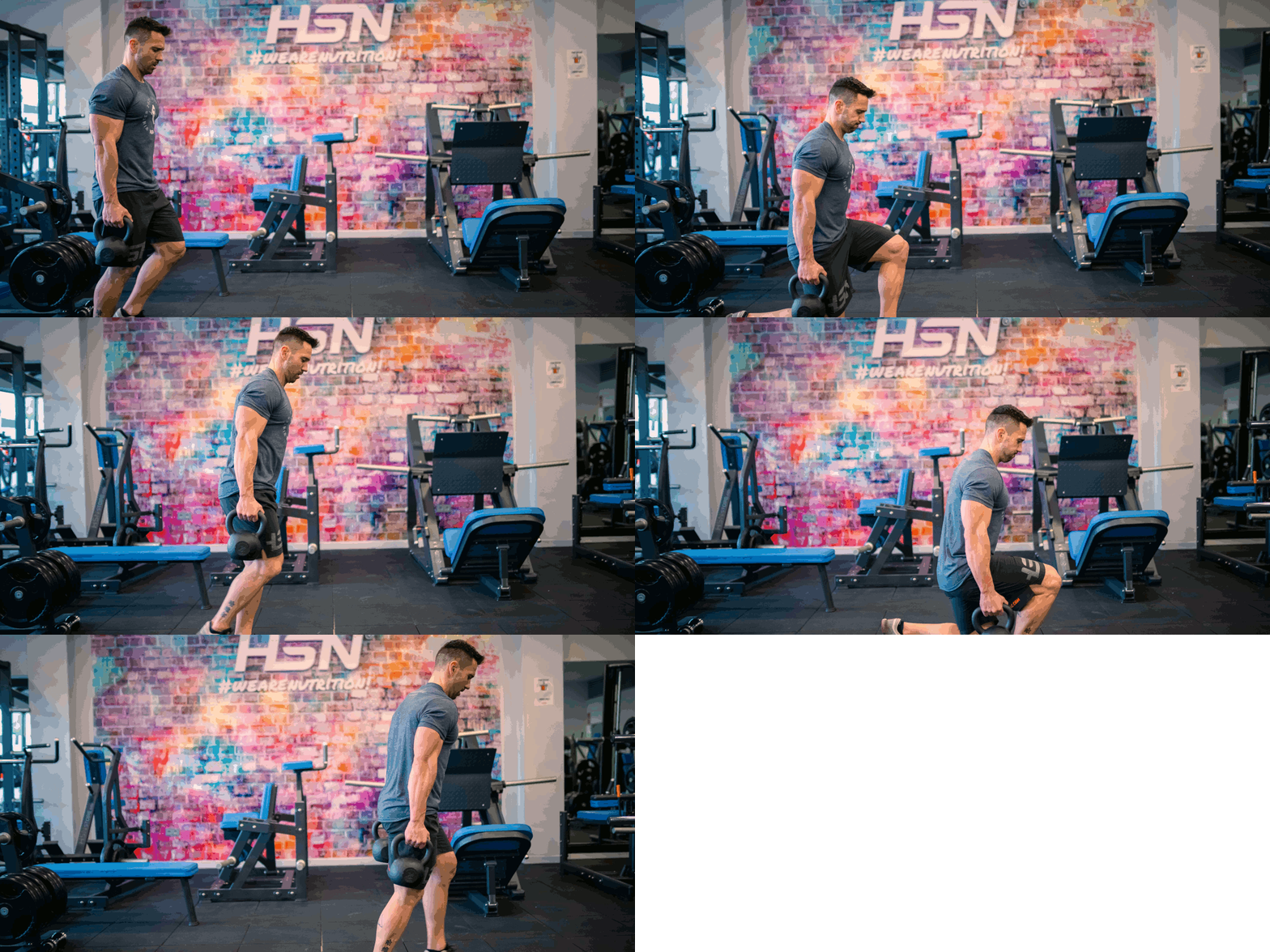
Other variations would be to perform the lunge static or alternating each leg but staying in the same place.
Around the World

An exercise that requires coordination skills.
Figure Eight
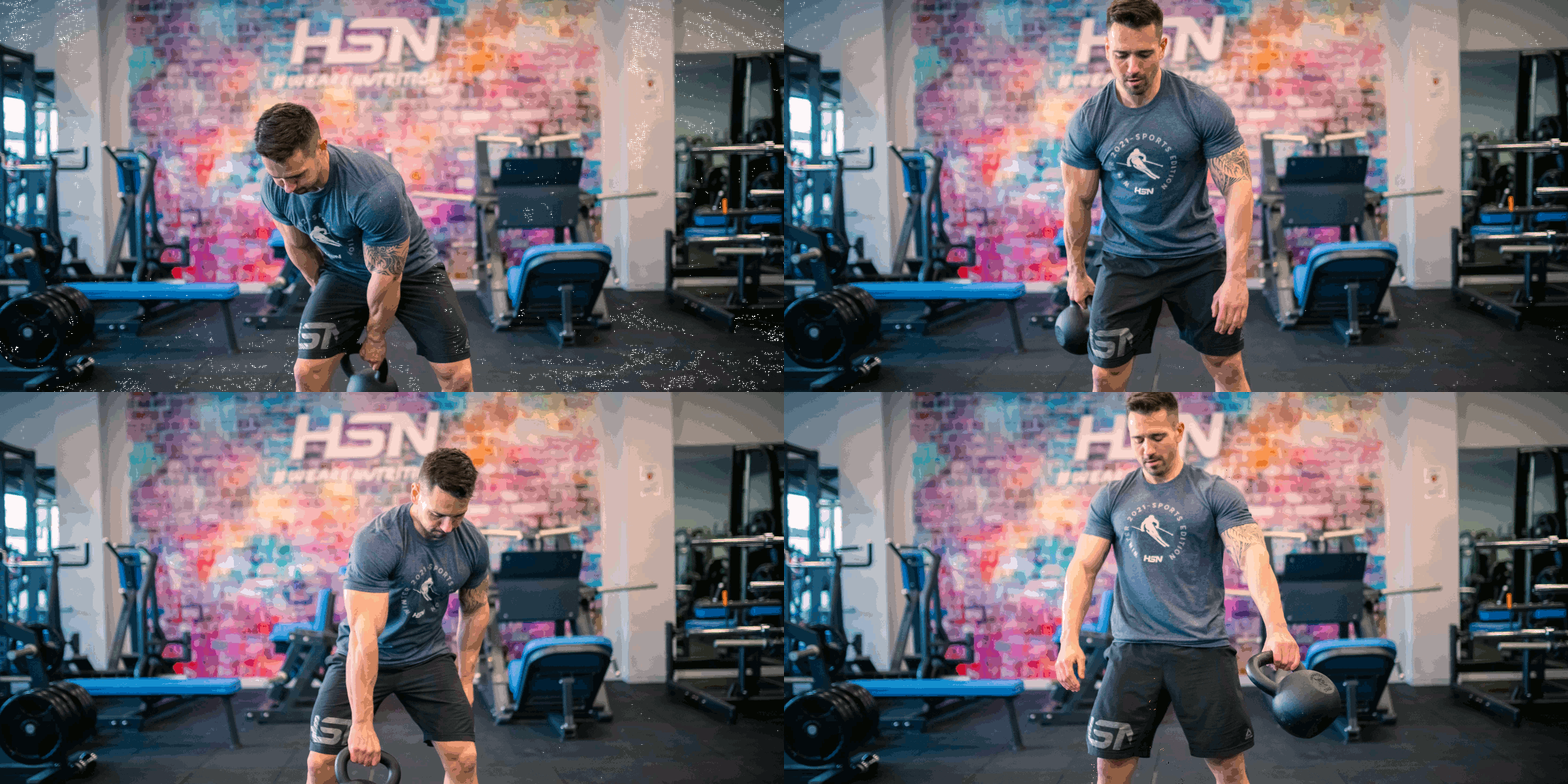
A little “more complex” than the previous one.
Kettlebell Swing
The Swing is an exercise in which you balance a load, in this case the kettlebell.
The movement is carried out in a pendulum fashion, causing the load to exert centrifugal force, which we have to fight against at all times.
Russian KB Swing
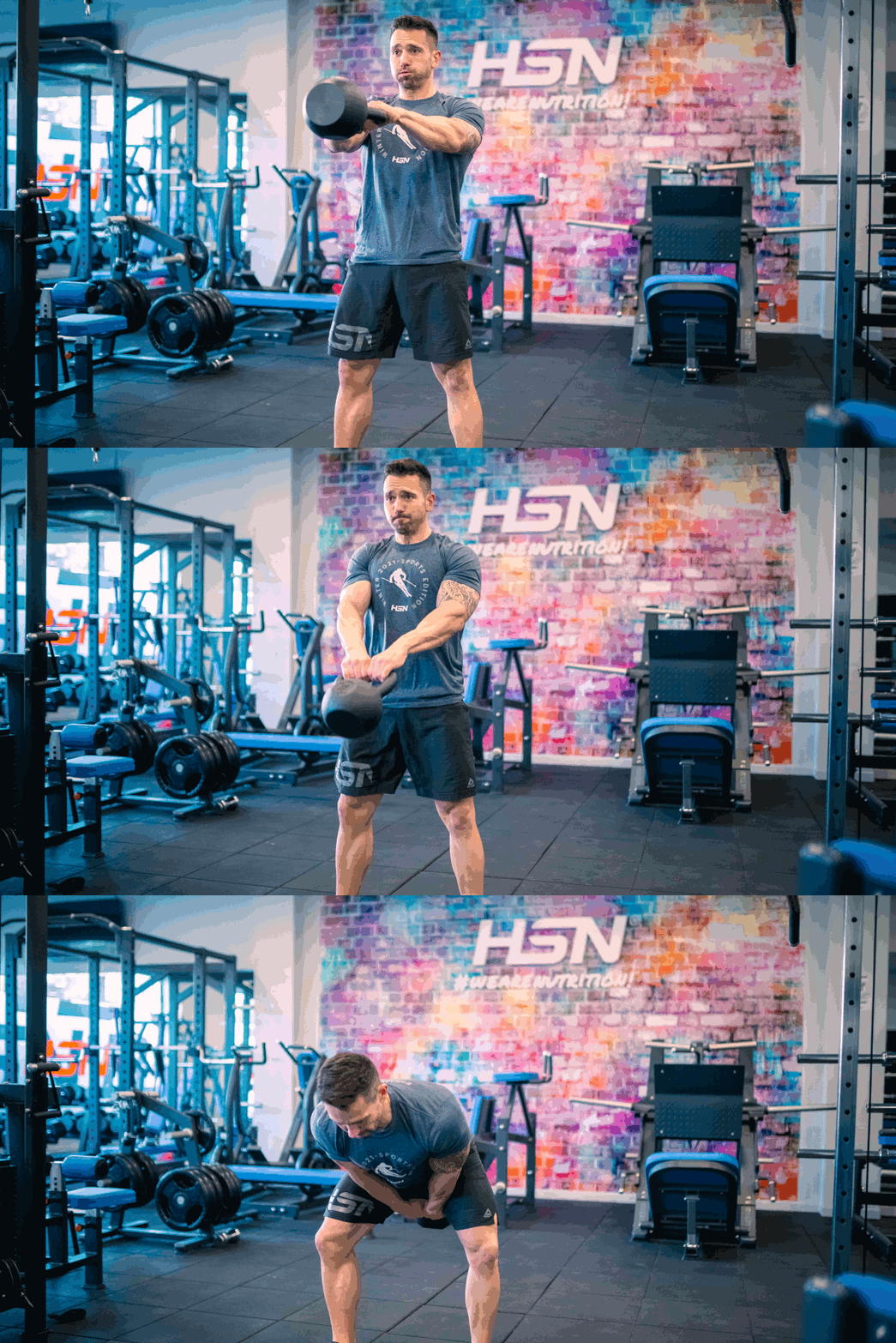
This is the quintessential kettlebell exercise, and for which we need to have good hip (joint) mobility.
1-Handed KB Swing
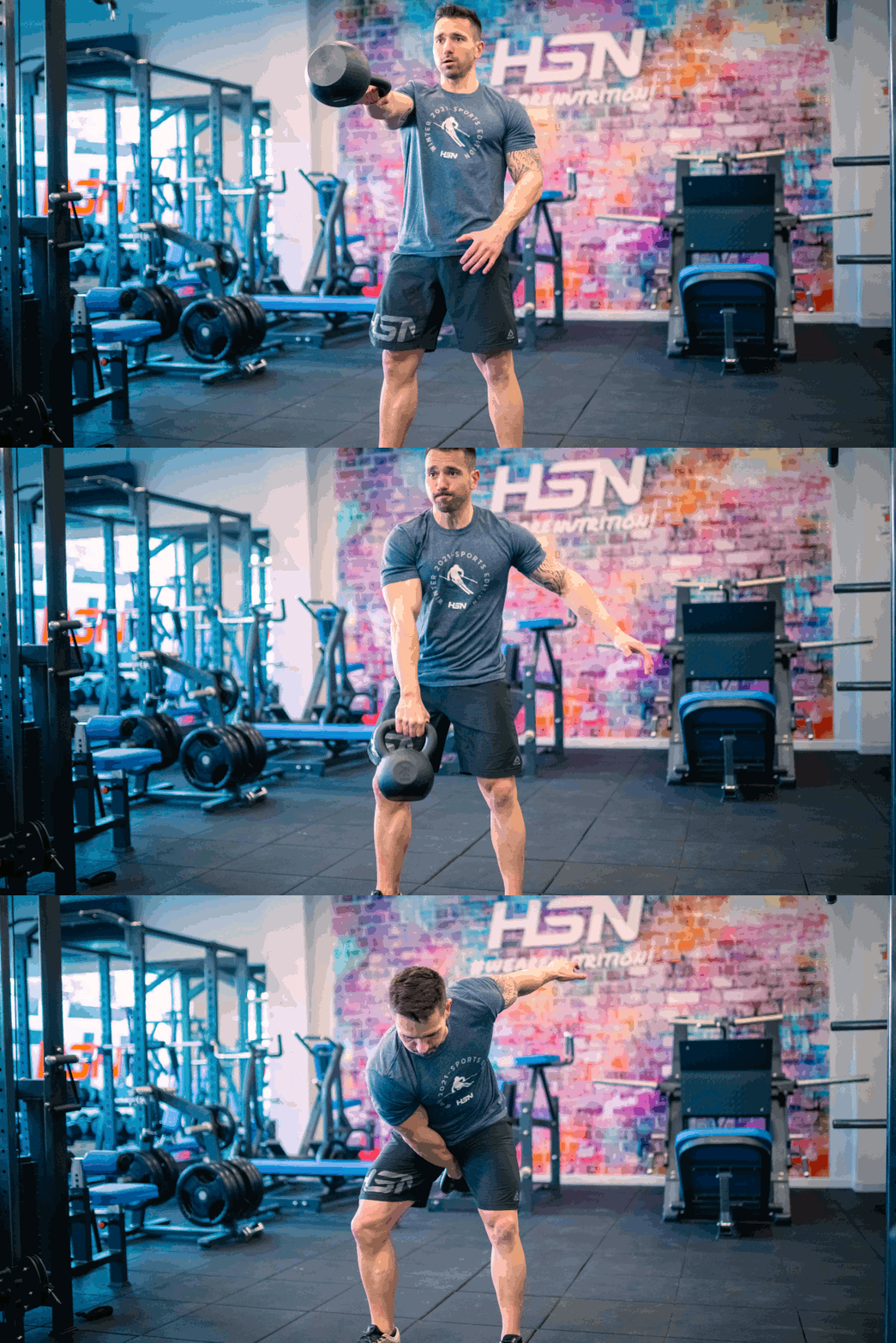
It can also be practiced one-sided.
Dual KB Swing
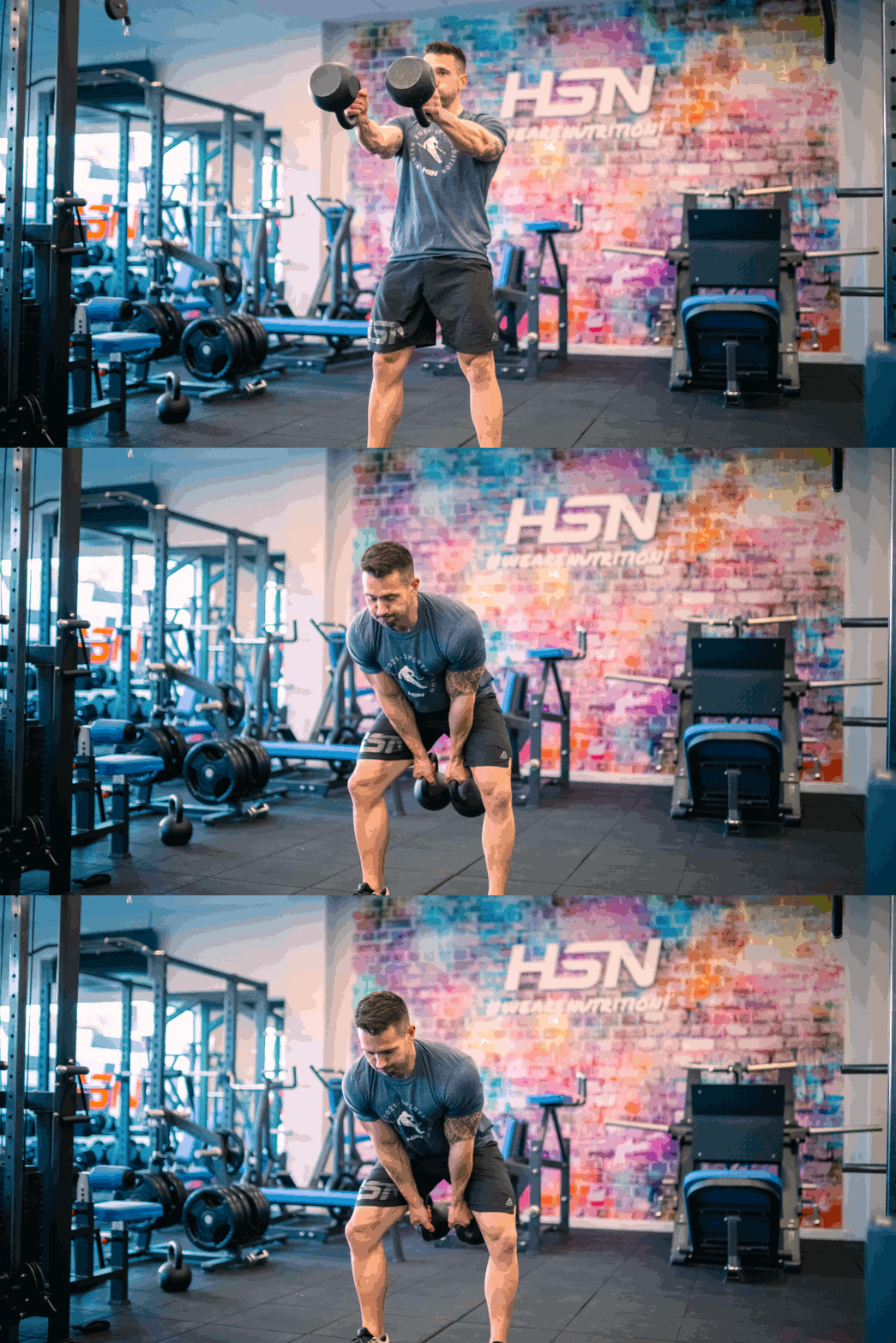
“Inside” style, inside the legs.
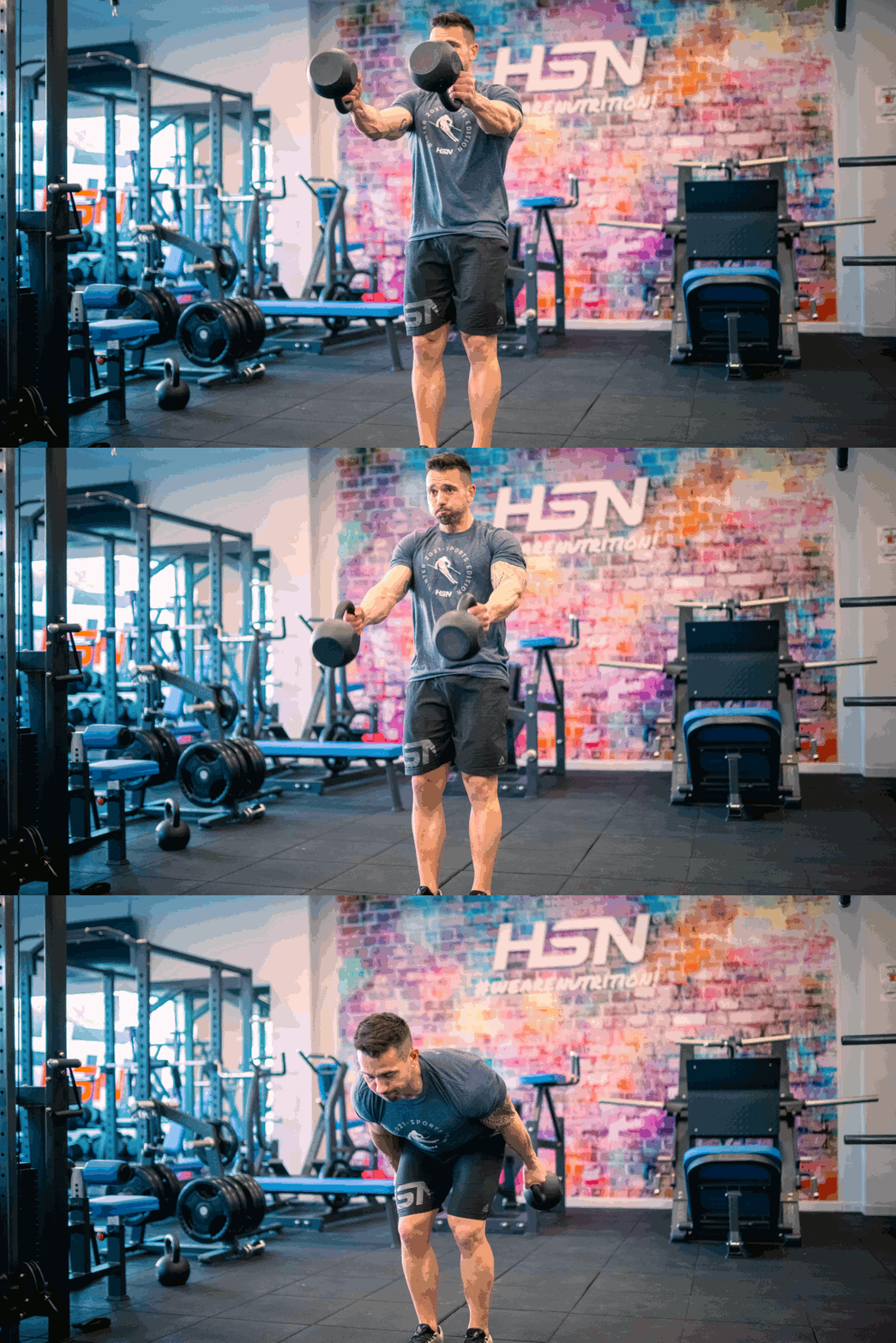
“Pistol” style, or outside the legs.
Do kettlebells burn more fat?
Without a doubt, as soon as you grab the kettlebell and start performing the movements, your heart rate will skyrocket.
It’s quite interesting in terms of boosting calorie consumption and fat burning
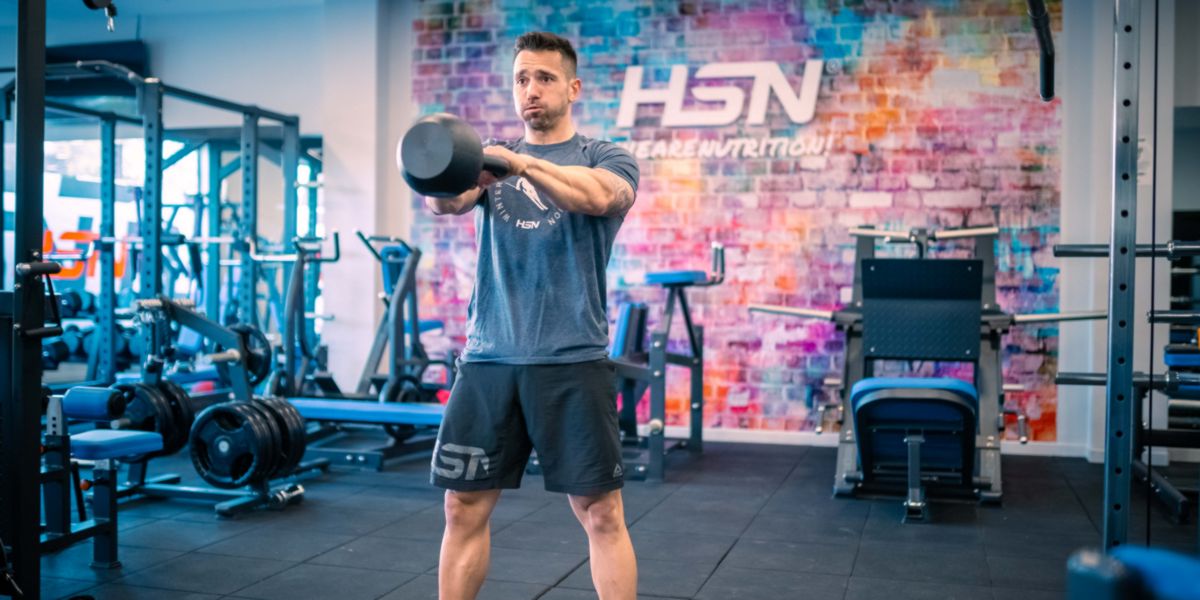
Combining kettlebells with other exercises (push-ups, squats, pull-ups…) is a great way to burn calories while improving your fitness.
If you’re short on time, that’s no problem. Don’t you believe it? Check out the video below and see how you can burn extra calories:
Recommendations to avoid possible mistakes
The primary recommendations is don’t underestimate them.
Even if we’re very used to dumbbells, and we use high weights, here things are different. It’s important to emphasise the fact that the way it’s constructed means we have to continually maintain weight stability.
On the other hand, unlike isolated movements performed with dumbbells, with kettlebells it’s hugely important to have good mobility, otherwise we run the risk of injury.
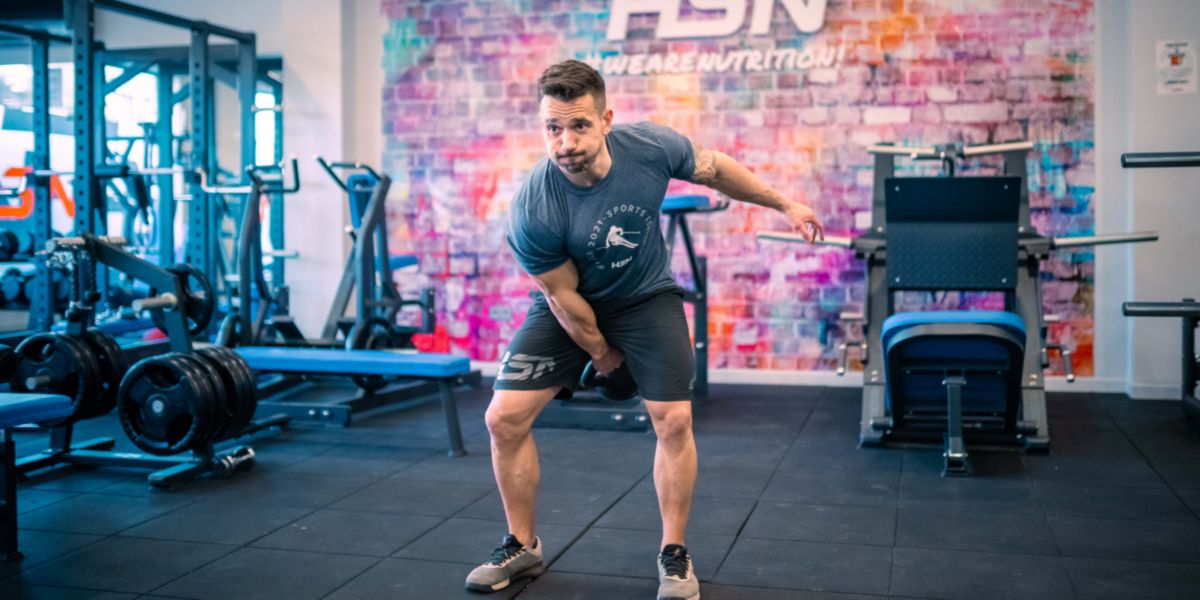
It’s important to know our limits, and not to want to start too fast at the beginning…
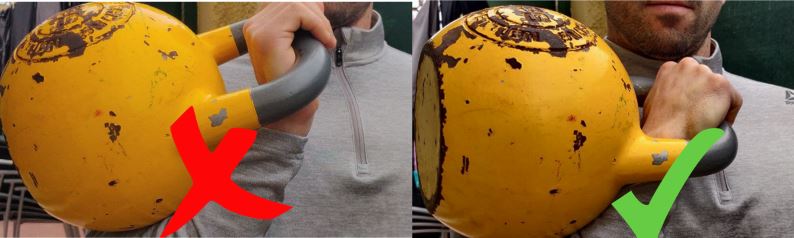
Avoid wearing a prominent watch or bracelet that could breaks or cause damage when the weight is resting on you.
Related Entries.
- Why you should train with weights. Go now.
- If you want to start CrossFit training, I recommend reading this article.