Fitness, Nutrition, Health and Sports Blog In the HSNstore Blog you will find tips about Fitness, sport in general, nutrition, and health – HSNstore.com

The relationship between Functionality and Sport, which has given way to what is known as Functional Training, is a somewhat ambiguous concept, and is not really entirely clear. It’s thought that it has to do with everything away from the typical dumbbells and gym bars…
No one is able to give a true definition of what it is, although we can establish certain interpretations depending on the sports field.
What is Functional Training?
We can understand it as a physical activity that, based on certain exercises and/or materials, involves a method of specific work with movement patterns that can be extrapolated to fit into our daily lives.
What is Functional? According to the dictionary, it’s the ‘quality of having a function’.
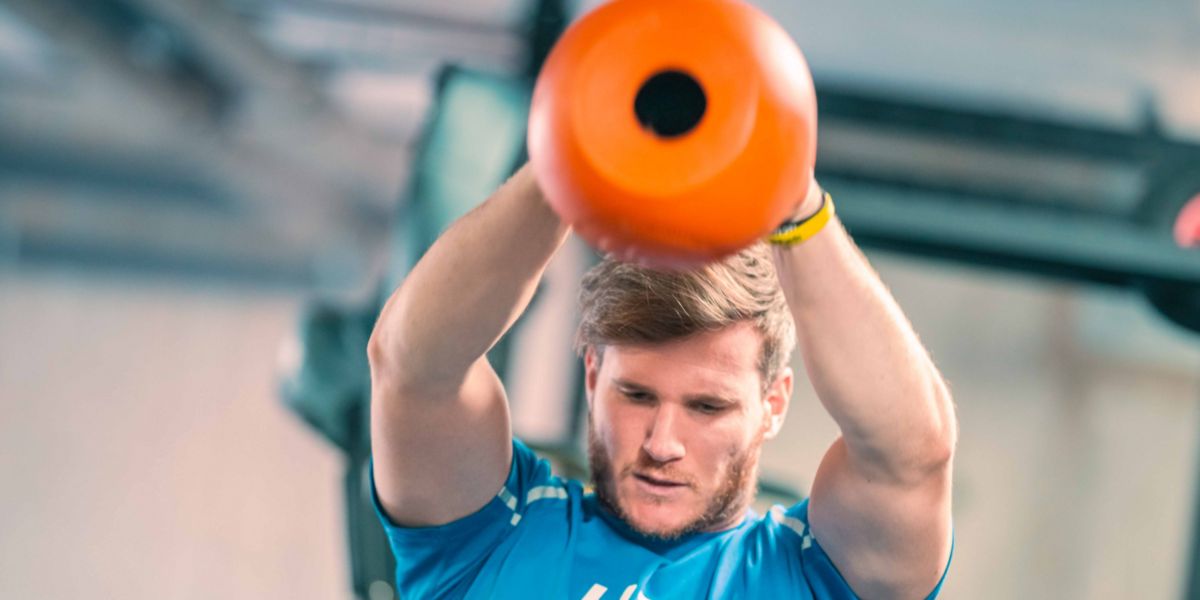
To be more pragmatic, we could define this concept as: something that possesses a practical utility.
Origin
It arose as a rehabilitation mechanism for people who had suffered certain injuries and needed to be able to recover their lost mobility, and of course to accelerate the recovery process or phase, in order to be able to continue carrying out their tasks at home or at work.
Benefits of functional training
- Strengthens stabilising muscles, especially those that make up part of the “Core”.
- ‘Friendly’ activity that allows easy adherence to training.
- Improves proprioception, balance and coordination.
- Movement patterns adapted to daily life.
- Improves the range of joint mobility.
- Adaptable to any level.
- Energy expenditure per session.
- Works on strength-endurance.
- Tool for rehabilitation.
Who is it for?
It can be practised by children or adolescents, as well as adults and even elderly people.
Everyone has a place for this type of training.
The youngest children should consider sport as play, and the people in charge of them are responsible for this.
Does it help you lose weight?
The main task or goal is an adaptation to improve our daily habits through targeted exercises that resemble the gestures we’re used to, which will also help us maintain healthy eating habits.
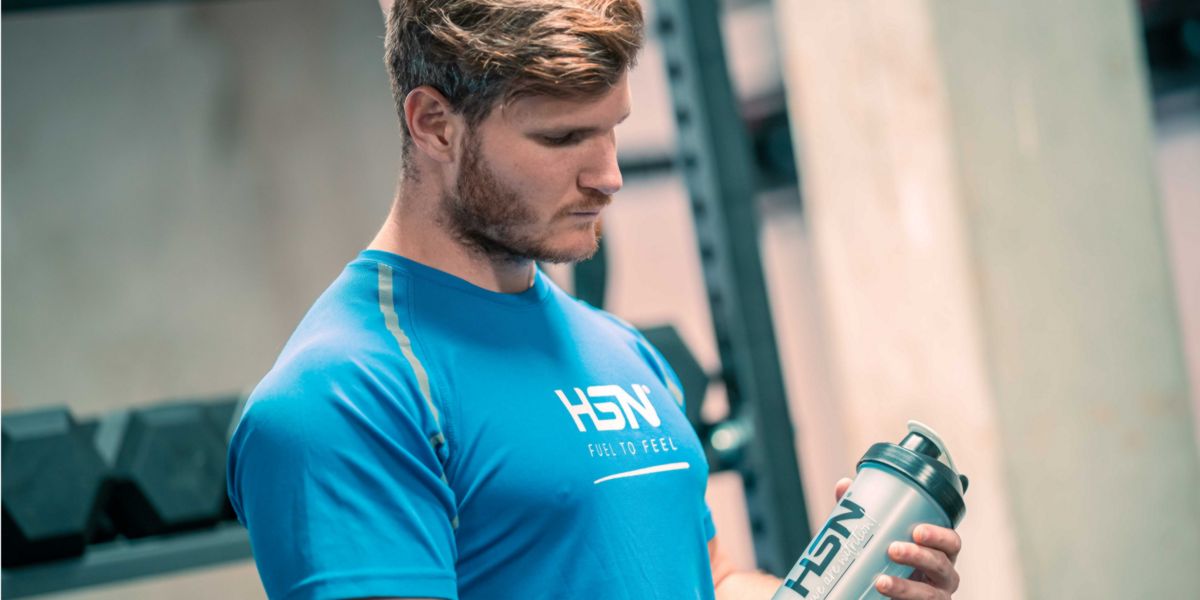
In such a case, we can say that there is a synergy between nutrition and training in order to improve our body composition.
How to perform a functional training routine
Each functional training session is loaded with dynamic elements, such as: steps or box climbs and descents, skipping rope or bag flips, unstable surfaces, bodyweight exercises such as squats, scissors or push-ups, unilateral movements, rope pulls, abdominal exercises, use of elastic bands, resistance elements such as weighted belts…
All within an infinite number of combinations adjusted, of course, to the level of each person at the discretion of the trainer or instructor.
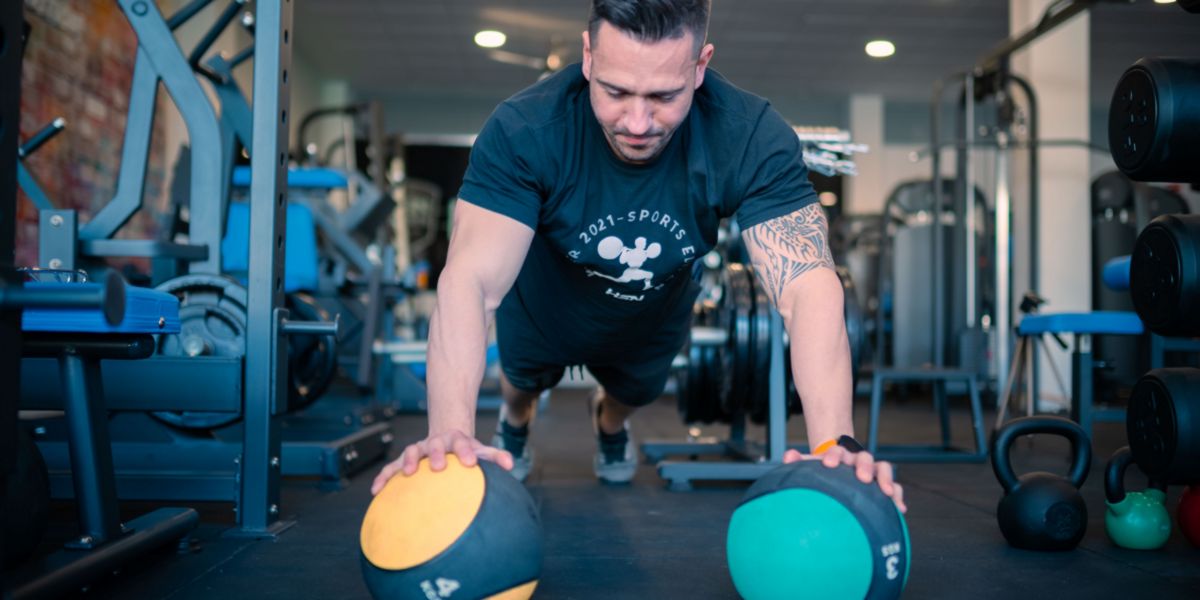
Modern sports centres usually incorporate a reserved space, known as a free zone, for the development of the different elements taught in functional training.
As when we’re going to carry out any other type of physical and/or sporting activity, we have to bear in mind certain aspects:
- Beforehand we’ll be familiar with the routine or functional training circuit that we’re going to practice.
- Since this activity will be of a medium-high intensity, its duration won’t be very long.
- In general, each training session, depending on the experience of the participants, can last about 15-30min, or even longer.
Warming up
Before we start, spend some time “warming up”, allowing the heart to start pumping more blood flow to the limbs, and preparing our tissues.
Start with a light intensity, and gradually increase your heart rate, and adapt to a moderate intensity, but for a short time.
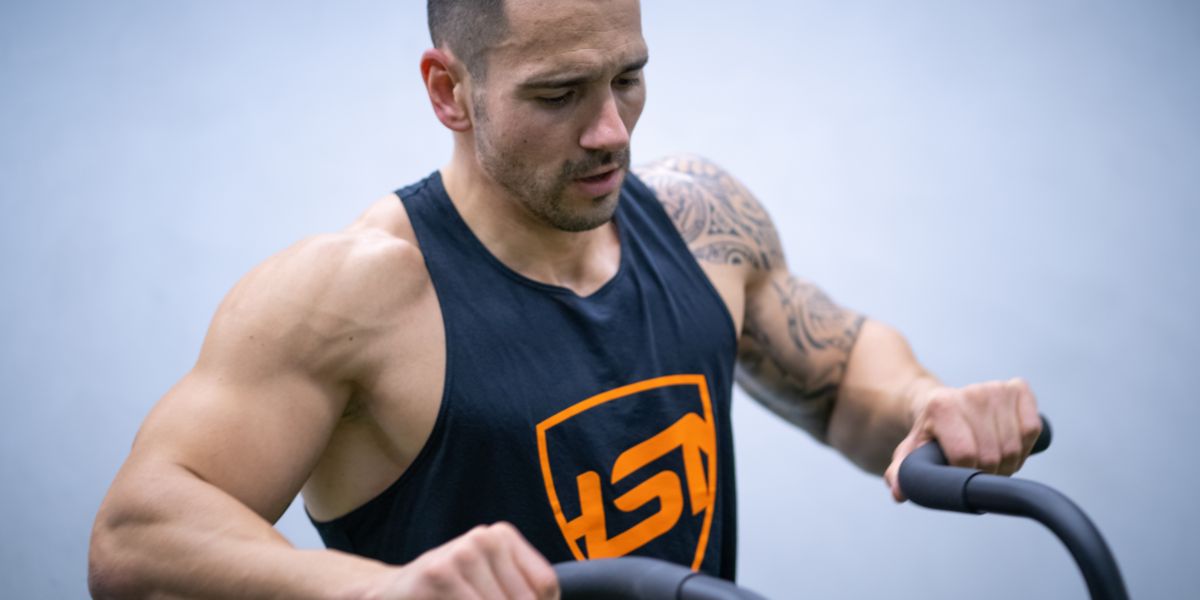
Here we can make use of machines, such as the treadmill, exercise bike, elliptical, rowing machine, or airdyne.
Cool-down
Just the opposite, we’re going to gradually return to our initial state, and work to make it easier for the body to excrete metabolic waste substances produced during exercise.
Functional training exercises
Movements through each plane of movement are essential to any exercise programme.
Biologically, we have evolved to move in multiple directions.
If you analyse how muscular anatomy works, looking at most athletic sports, you’ll see that we’re supposed to challenge ourselves in all planes, not only to improve in our discipline but to maintain correct integration and function of the major structures of the body.
The aim is to perform exercises that force the activation of the stabilising musculature, to emphasise the muscles of the rectus abdominis, abductors and hip rotators and stabilisers of the scapulae.
It aims to avoid the lack of movement and to request greater demand for different angles or planes:
Sagittal plane
This is the most common plane of movement performed in all training programmes. These are movements that are executed forwards and backwards.
It’s usually an over-requested plane and one that we would be less likely to use.
Front plane
This is the plane of movement where exercises are executed from side to side.
This plane provides great stability to major joints and body structures.
Transversal
These are movements executed through rotation of the body. We have a great lack of training under this plane.
We could say, given our anatomy, that it’s the one that governs the main functions of our body most and best.
Types of Functional Workouts
Within the range of variants that aim to achieve the aforementioned premises, we can find certain types, the most common of which are as follows:
With Kettlebells
Kettlebells are a magnificent alternative to dumbbells as they will give us “a lot of play”. Due to the shape and position of the grip of these, the weight is unbalanced and this means that we have to balance it with the strength of our stabilising muscles.
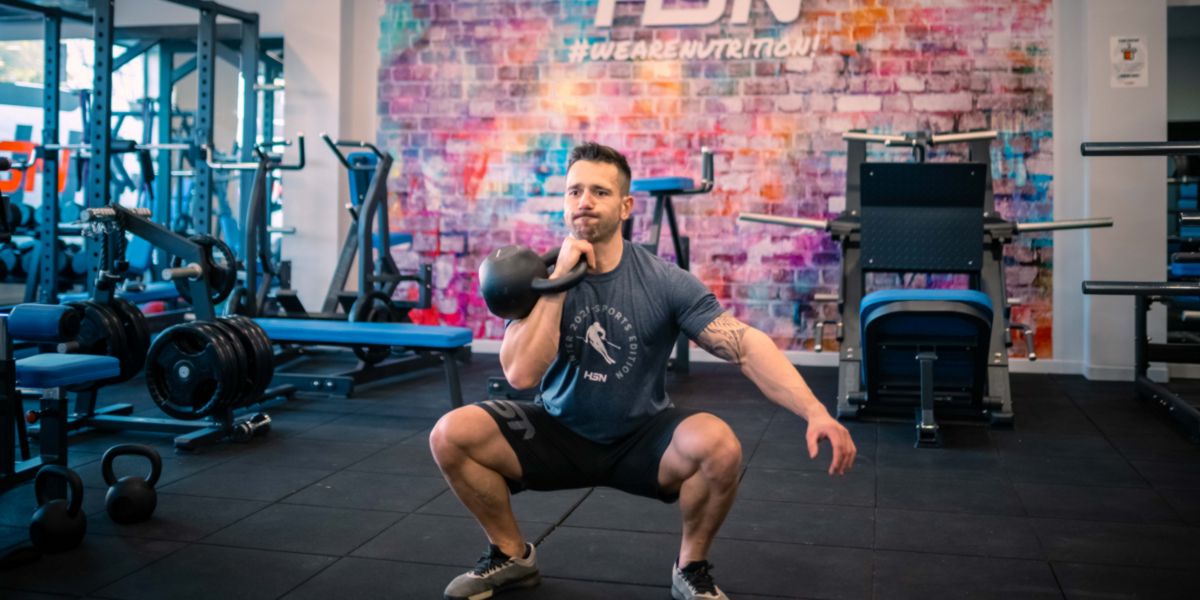
For functional training they are a “must”
Suspension Training
It uses the force of gravity and our body, as resistive elements, with our centre of gravity continuously displaced and on which, once again, the stabilising muscles will do their work.
Through this system, we can train the full body, performing exercises that without the support of the bands would be very difficult to do (one-legged squat…)
Ropes Training
Ropes of several metres in length (around 7m) are used, with a diameter that varies between 6-8cm, and the force of gravity and the force generated by the wave of the rope itself is used, activating a large muscle mass, especially at the abdominal level to counteract these forces.

You get a great metabolic workout.
Plyometric Training
Without a doubt, a lower body power workout: jumps performed on/from a box or other elevated platform, or jumping at some kind of level (the height of the bar with discs…).

It allows us to use the maximum force to apply in each jump, where obviously, the intensity will be graduated according to the obstacle to overcome, the height…
Can you do a functional training routine at home?
Of course you can do a functional training routine at home.
The training sessions can be carried out in as many places as we can perform the activities: in the street, in our house, in the countryside, the garden…

For example, bodyweight exercises, such as push-ups in combination with jumping jacks, are practicable in any environment.[]
Functional training equipment
To set up our own “functional training centre at home” we’ll have to establish our budget, as from there we’ll be able to add more material.
The more equipment we have, the more exercises or variations we can do and the more fun we can have.
From my point of view, the following list of functional training material would be a good starting point:.
- Jump rope.
- Ab Wheel.
- Kettlebells
- Resistance bands.
- TRX.
Functional training circuit
The functional training exercises are characterised by being short, but very intense, and as mentioned, it’s important to warm up beforehand.
A quick example would be: walking up and down the stairs in the house for 5 minutes, or going for a jog in the street, 3 minutes out and 3 minutes back.
Functional circuit training
This modality aims to combine a number of exercises (stations), with a set duration, and with reduced breaks between them.
The objective here is to promote cardiovascular work together with the benefits of each of the exercises, achieving great positive effects at a metabolic level.
Training 1.
Complete 8 rounds in the shortest possible time of:
- 5x Combo: 1x Push-up with clap + 1x Burpee.
- 10x Climbers (1x is for both sides)
- 15x Air Squats.
- 20x Barbell Roll-Out.
*Exercises:
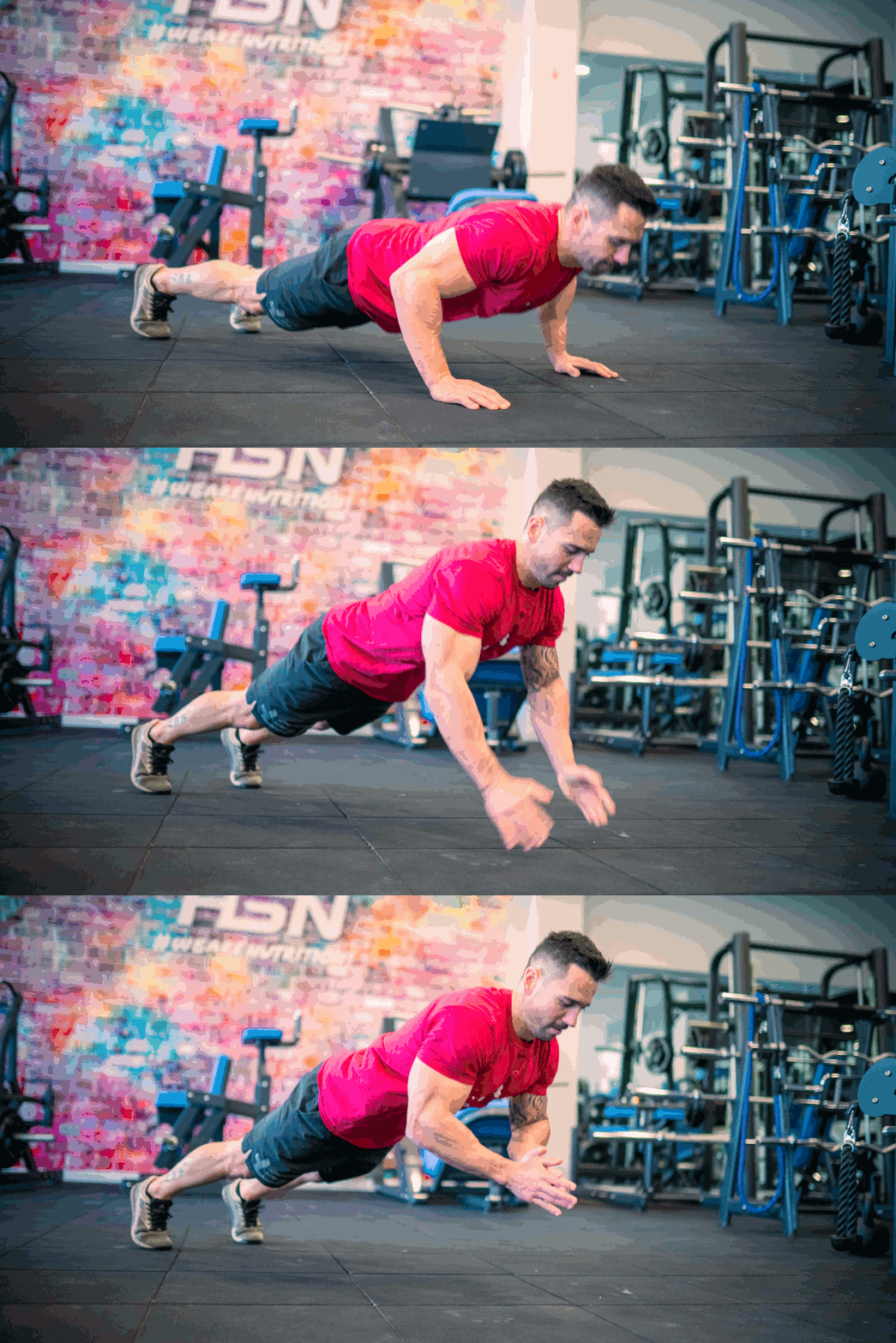
Push-up with clap
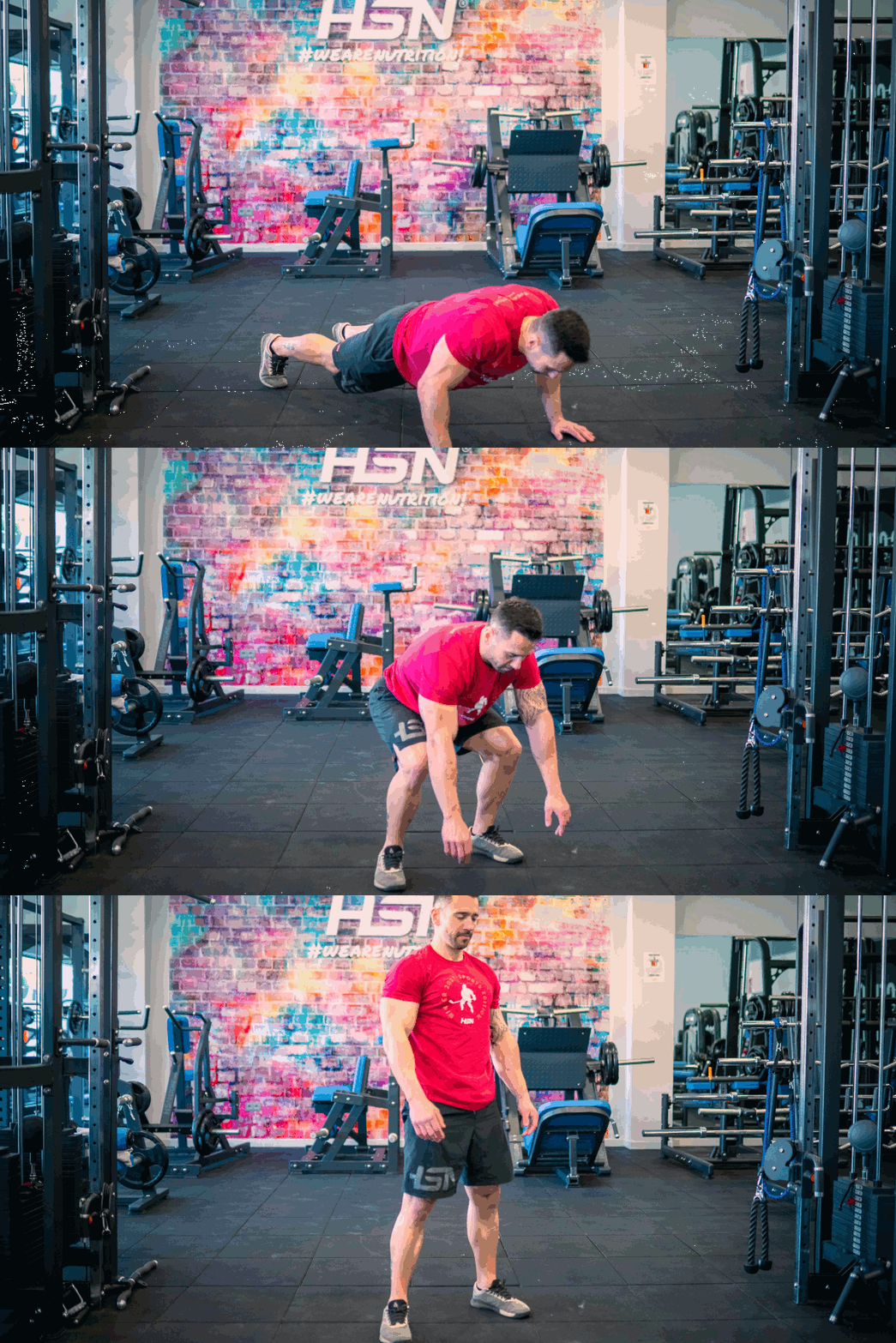
Burpee.
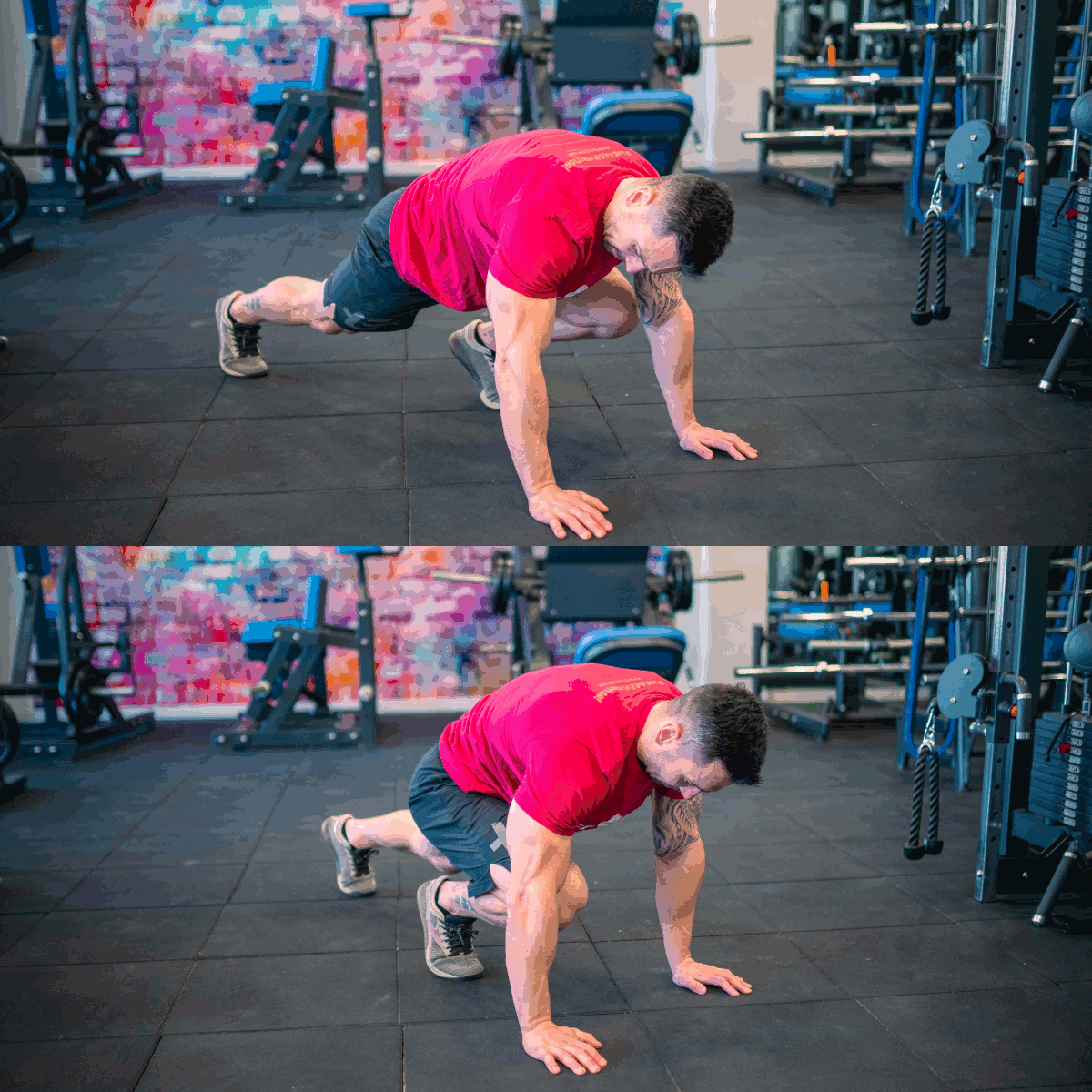
Climbers
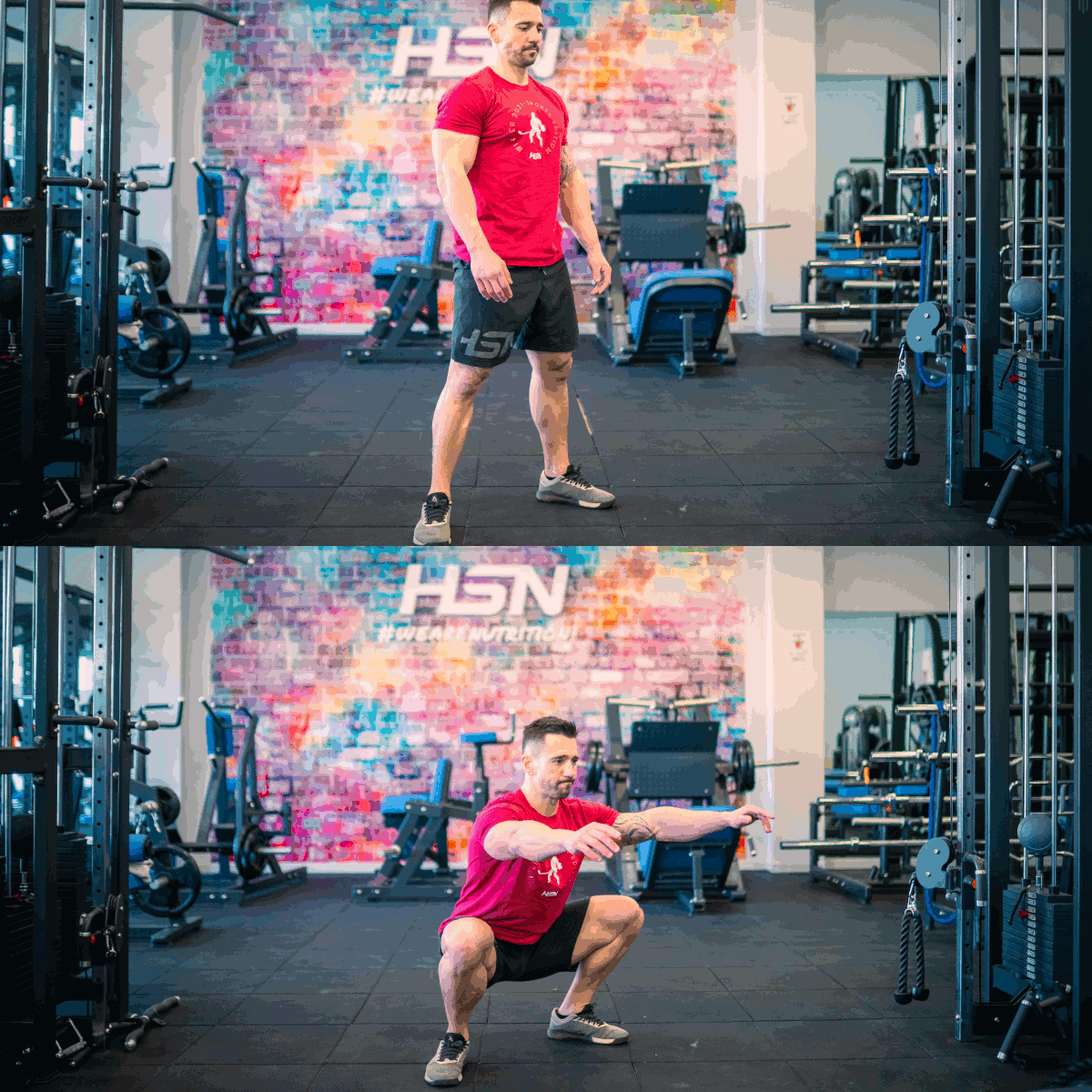
Air Squat
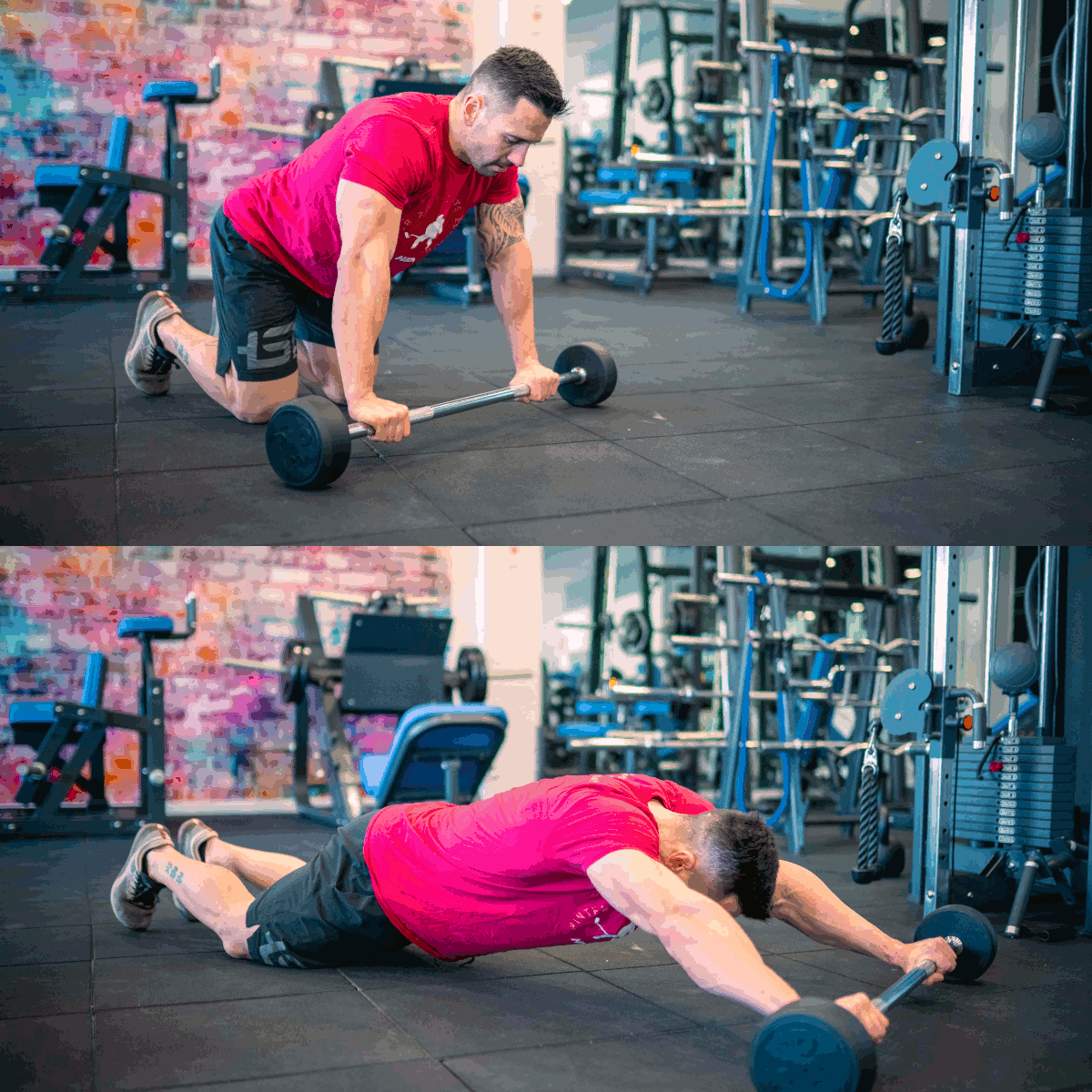
Barbell Roll-Out.
Training 2
Make as many rounds as possible in 20 minutes:
- 20x Kettlebell Swings.
- 10mts one way + 10mts return Stride with Kettlebell.
*Exercises:
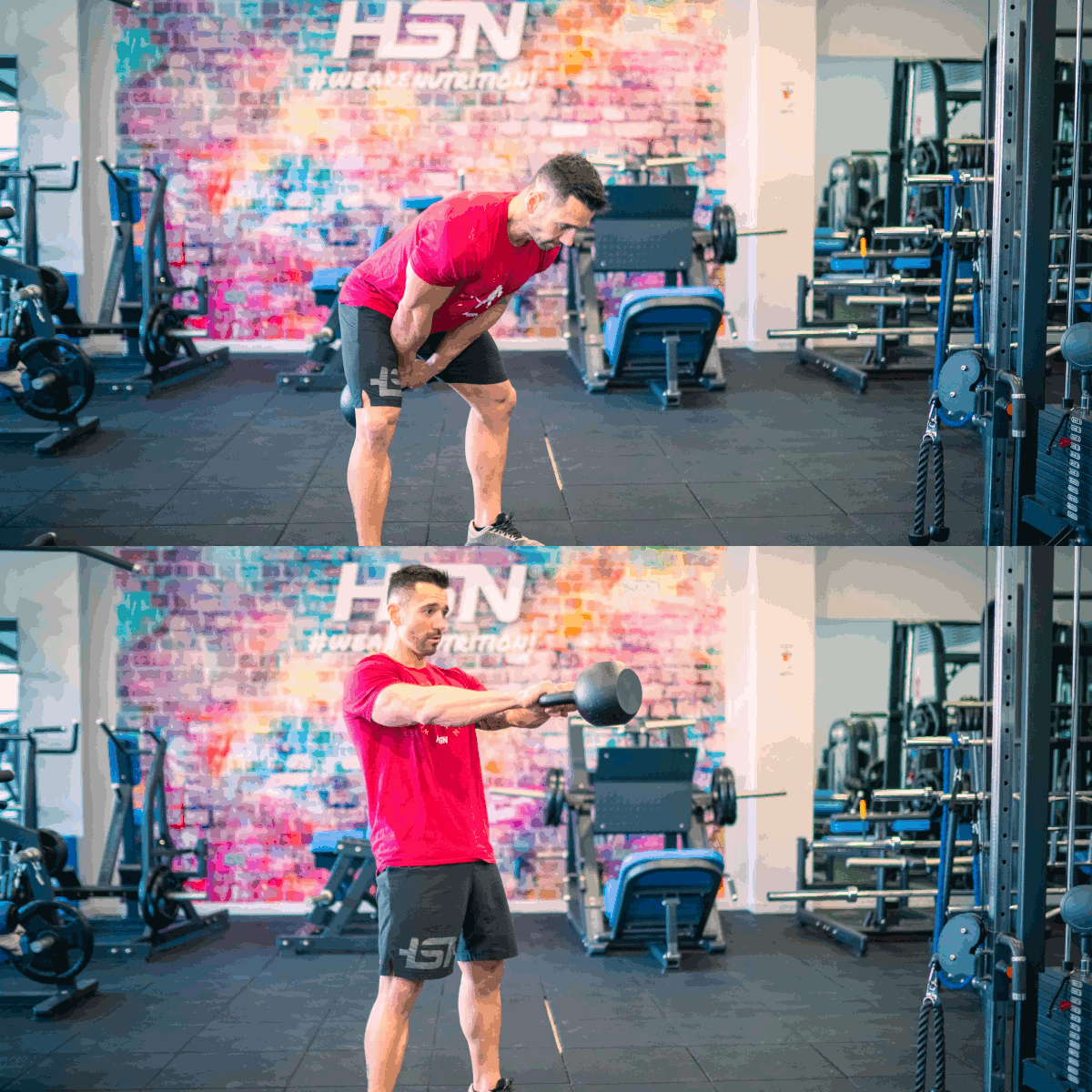
KB swings.
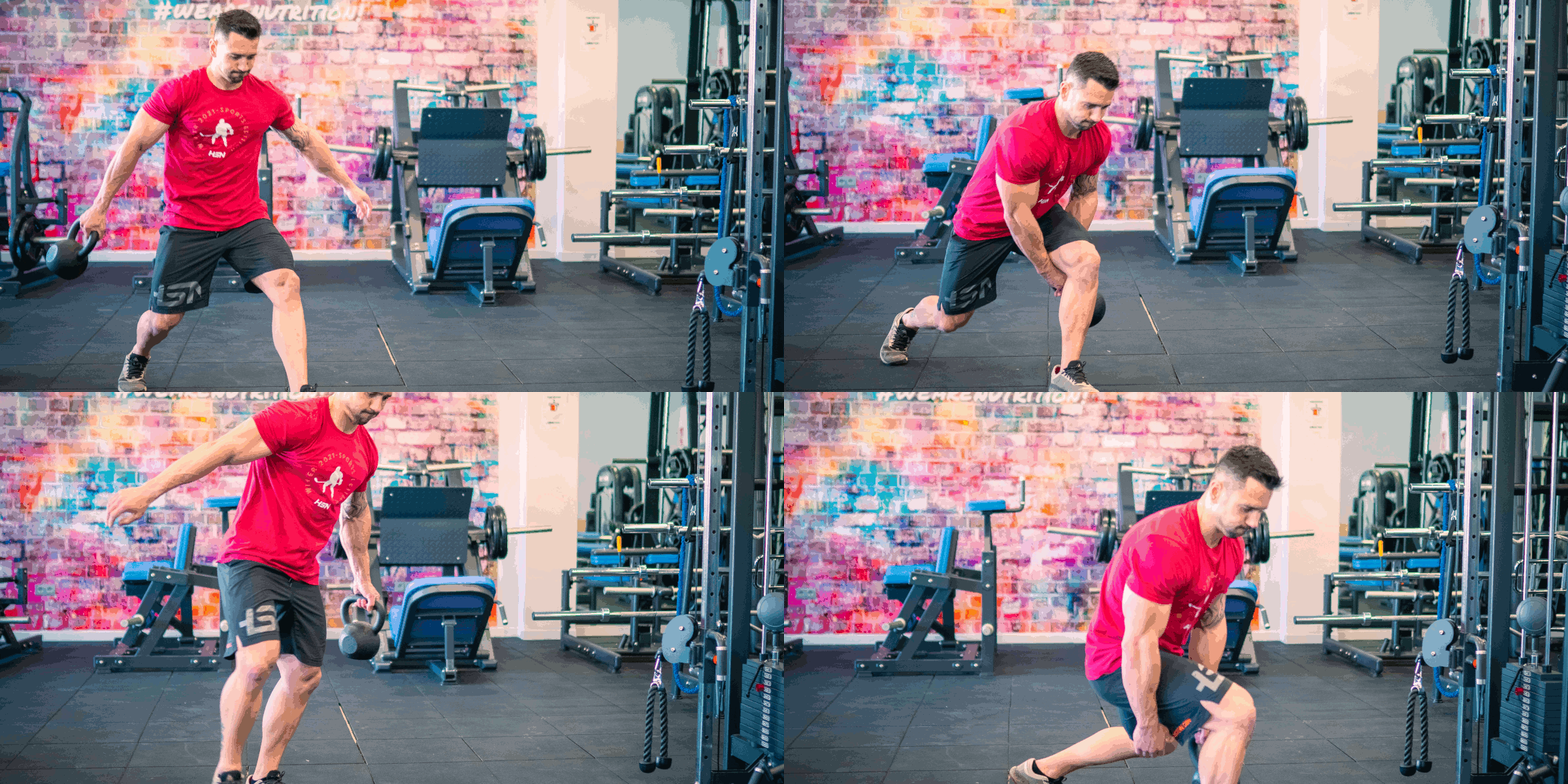
Pass-through lunge with KB.
Training 3
Complete 10 rounds with 60″ rest between rounds:
- 30″ Jumping Jacks, 20″ Rest.
- 30″ KB Snatch (right hand), 20″ Rest.
- 30″ KB Snatch (left hand), 20″ Rest.
- 30″ Jumping Jacks, 20″ Rest.
*Exercises:
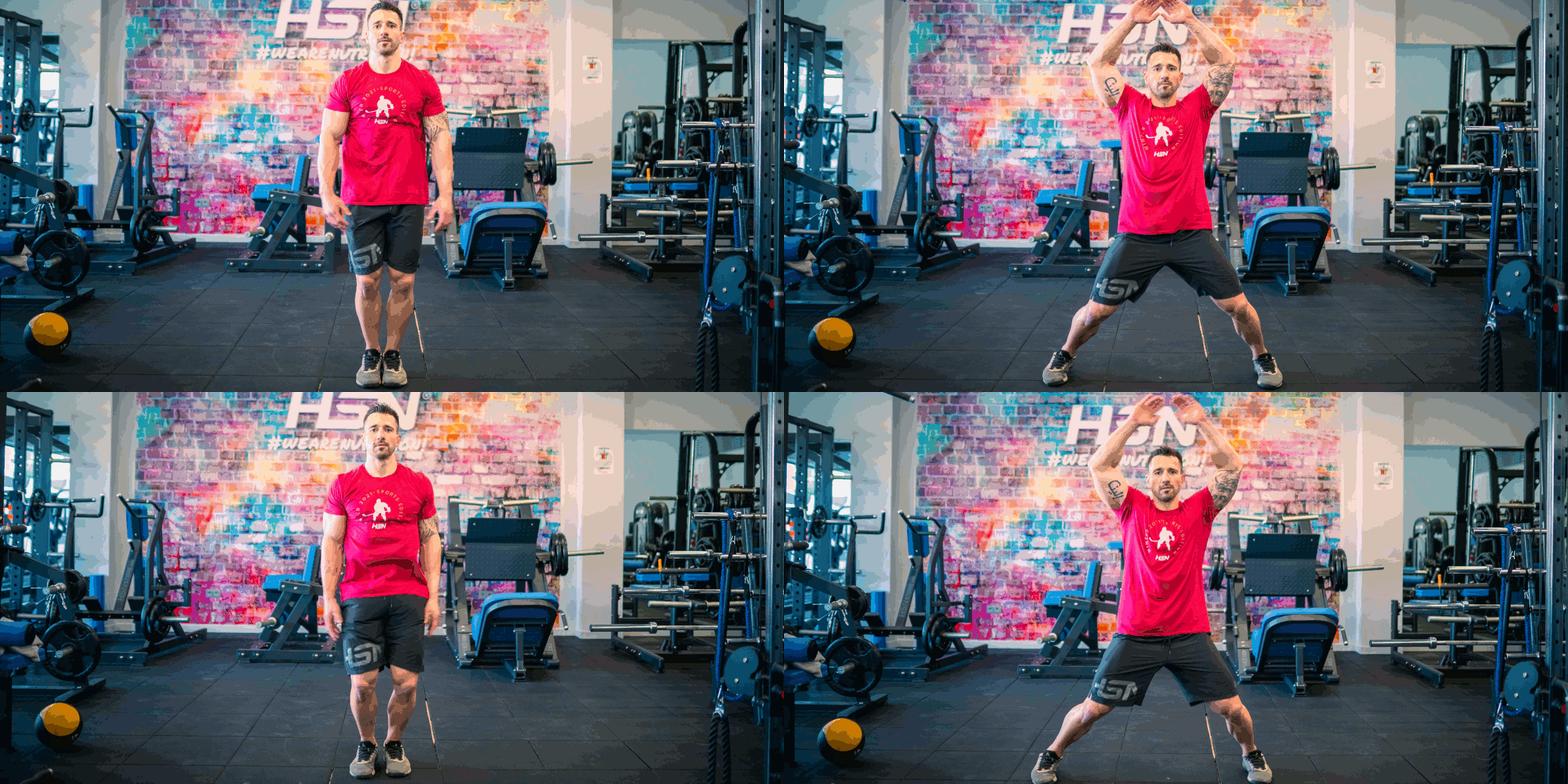
Jumping Jacks.
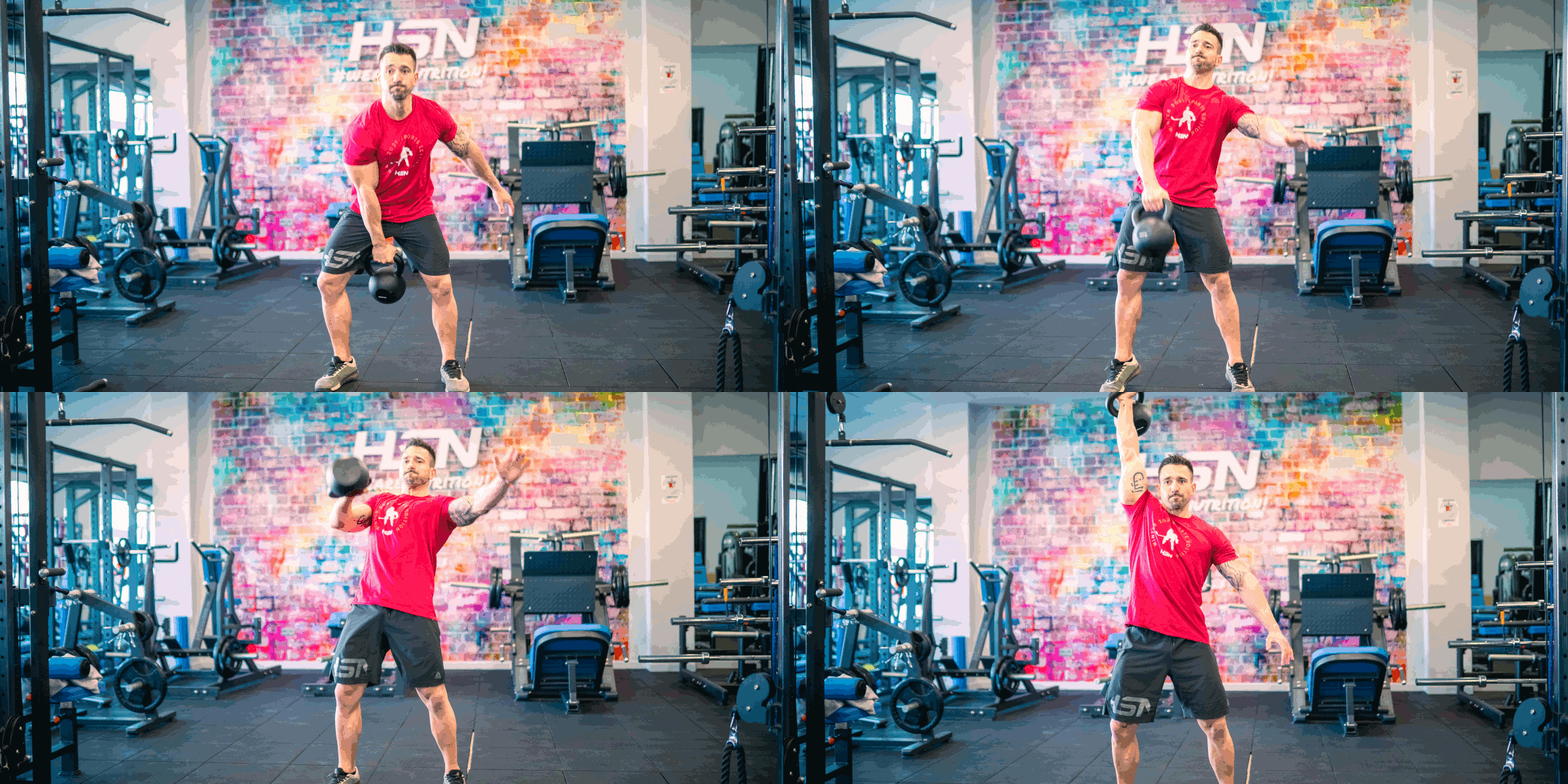
KB snatch.
Training 4
Complete 5 Rounds of:
- 10x KB Thruster (right hand).
- 10x KB Thruster (left hand).
- 20x Slam Ball.
- 20x Jumping Squat (alternating).
- 30x Traveller Push-up (alternating)
*Exercises:
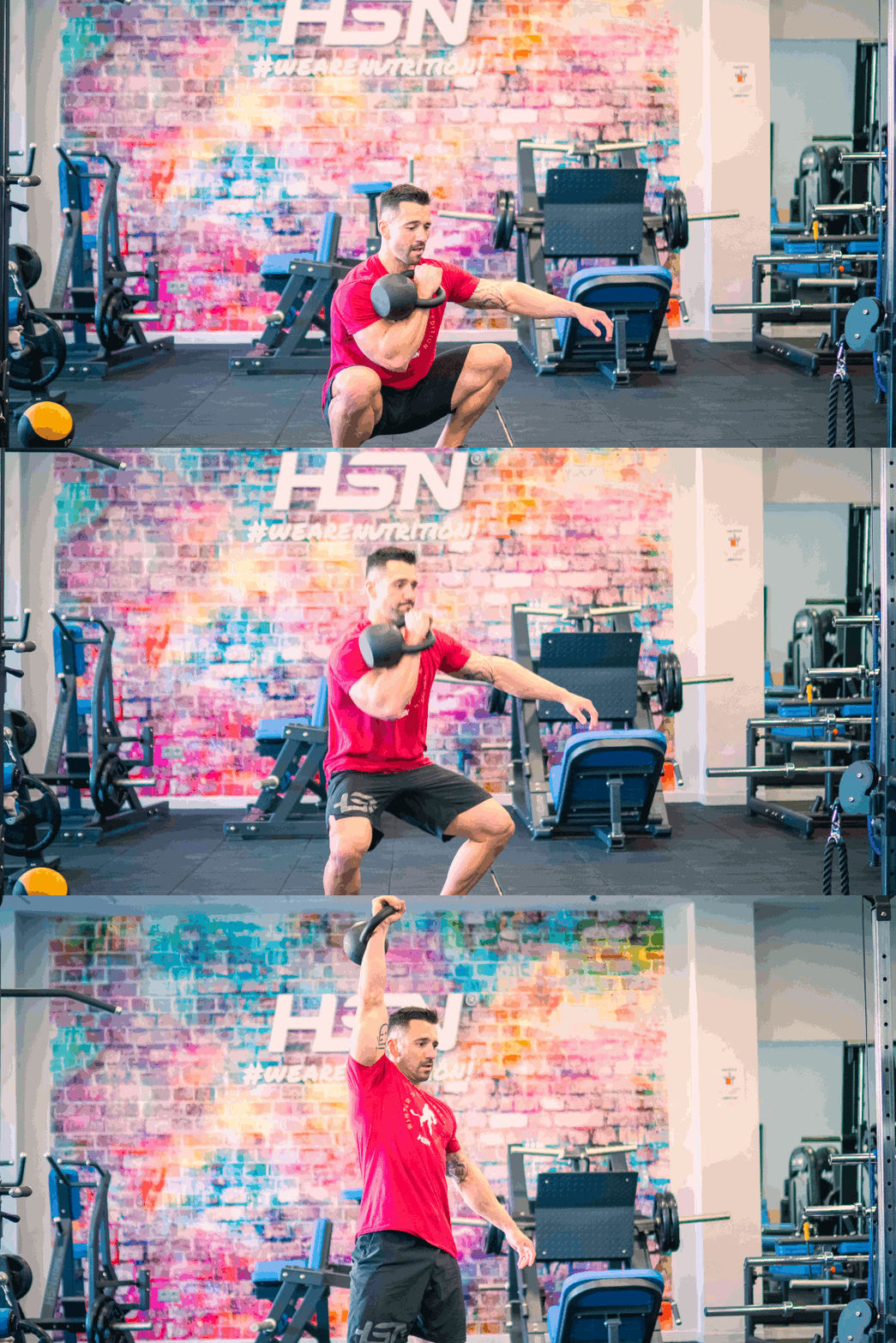
KB thruster.
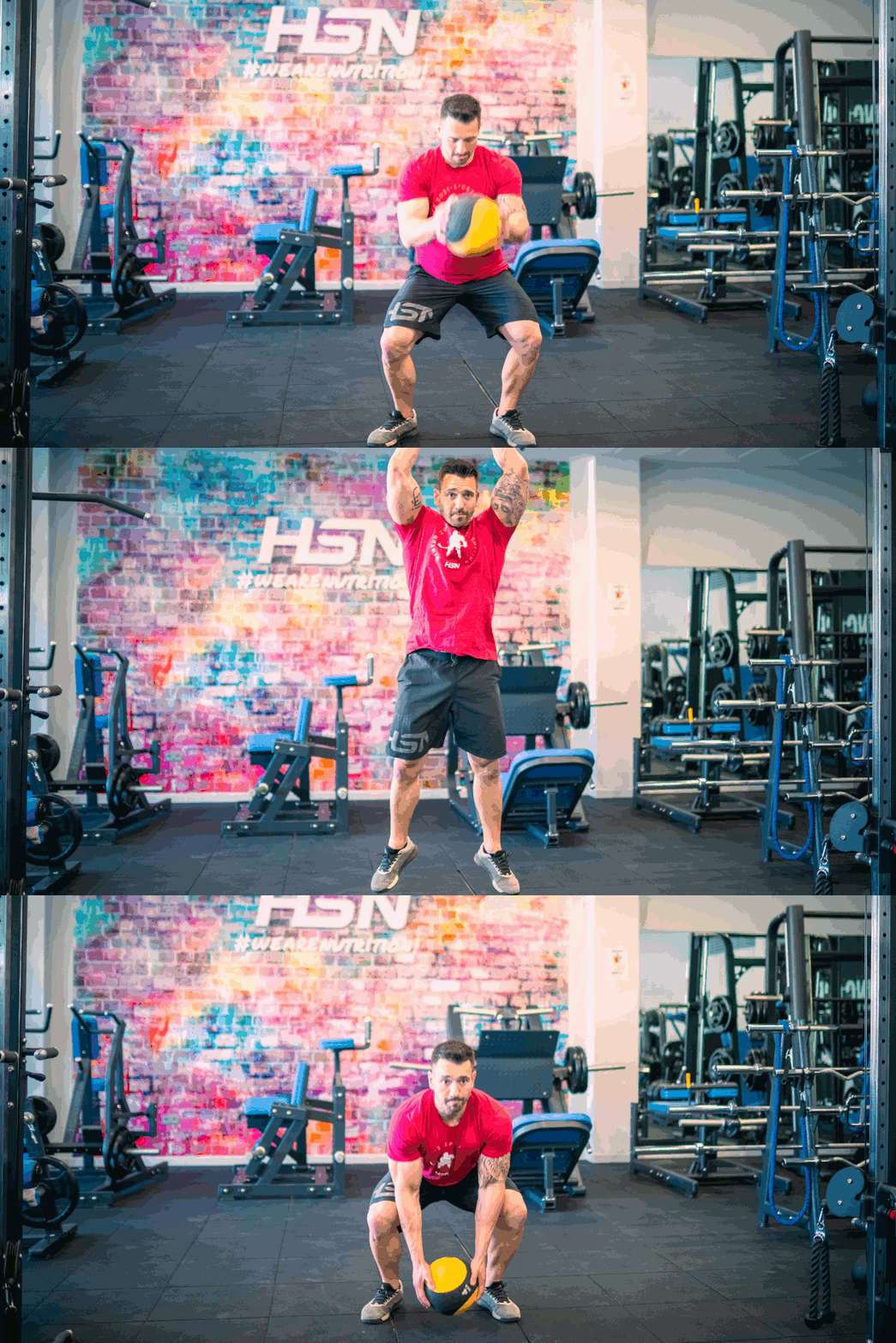
Slam ball.
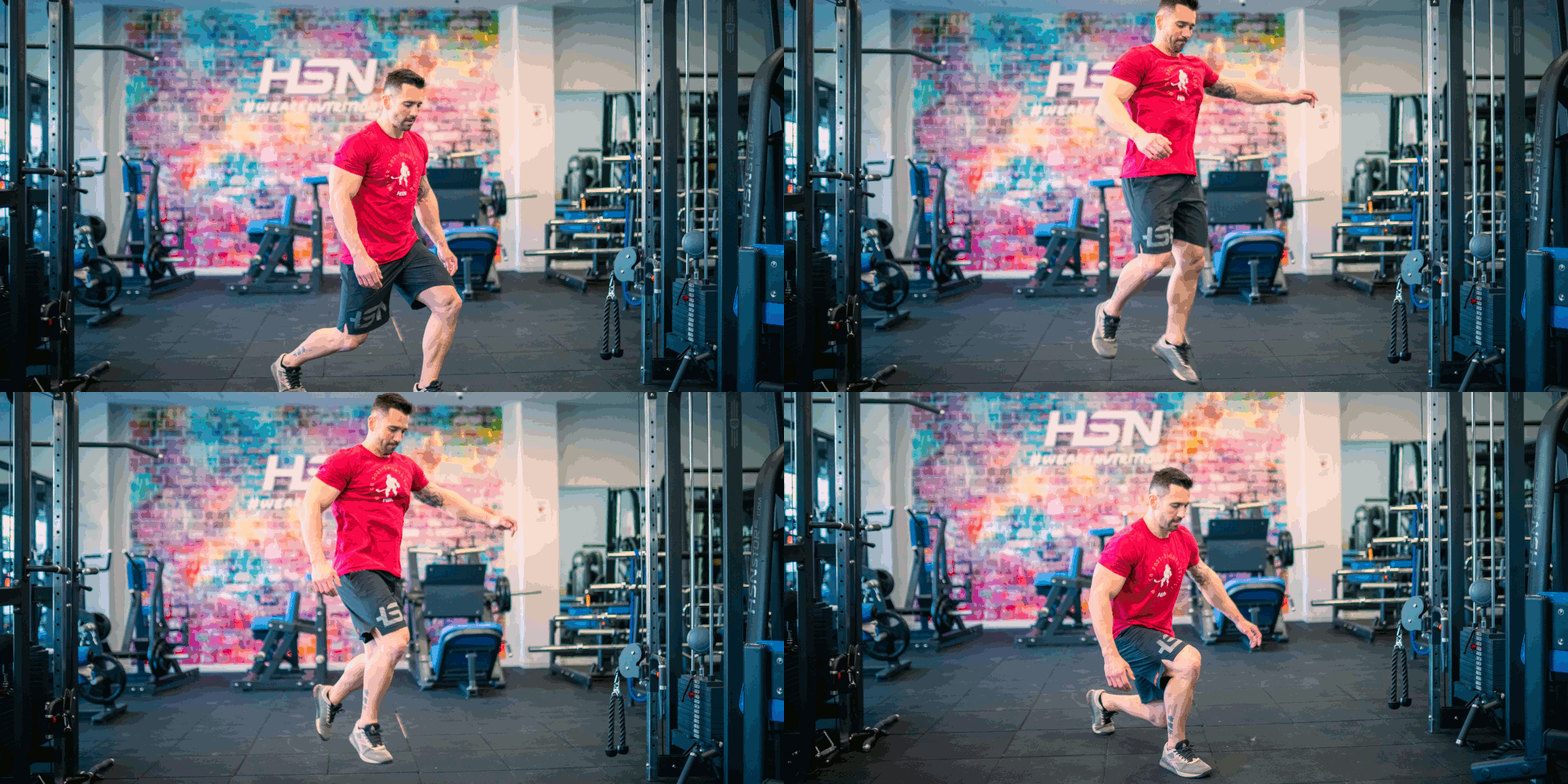
Split squat.
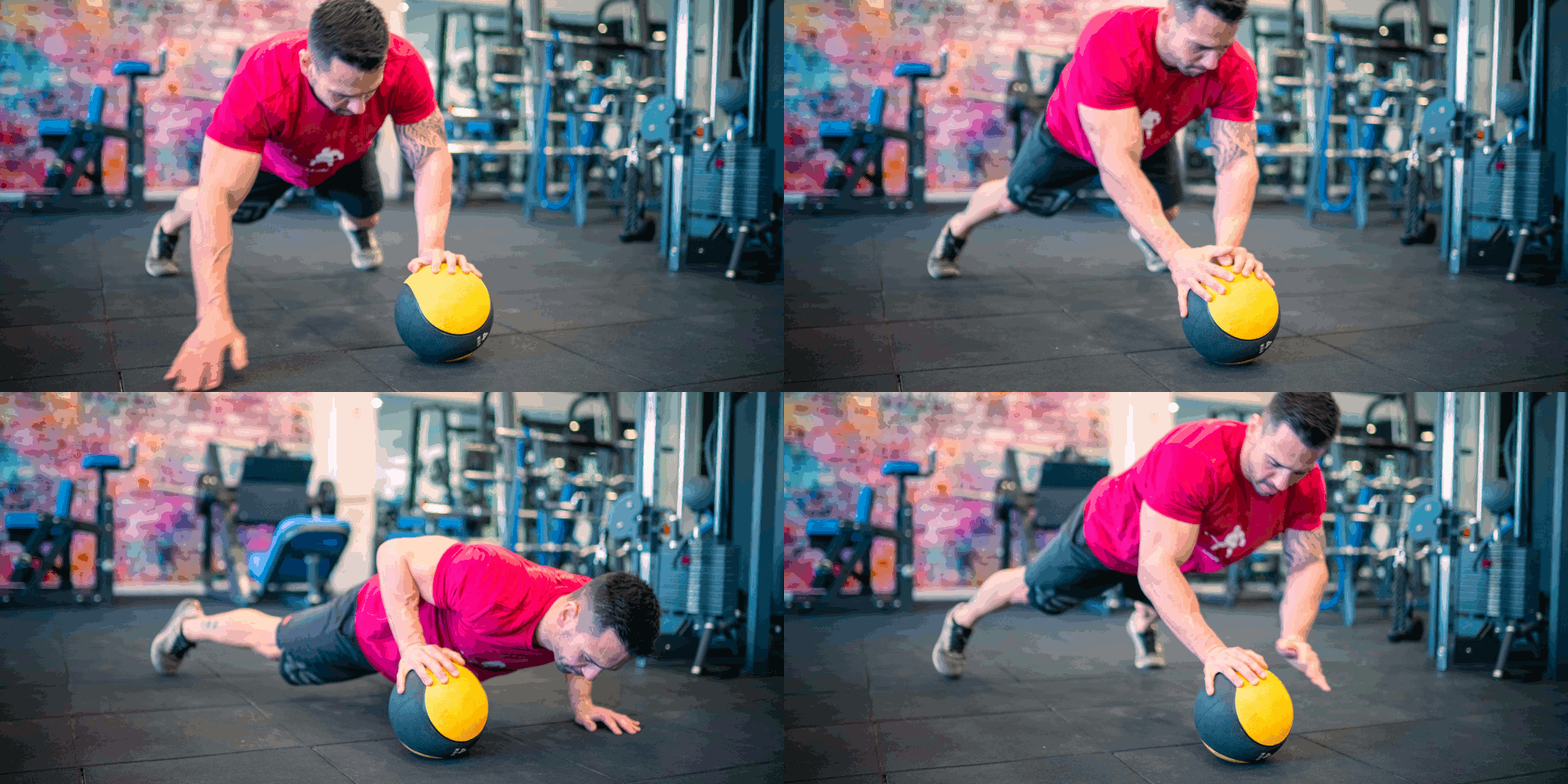
“Traveller” push-up.
Related Entries
- Do you know the differences between CrossFit and Functional Training? Click here to find out.
- How do you train Functional Hypertrophy? We give you these recommendations.