Fitness, Nutrition, Health and Sports Blog In the HSNstore Blog you will find tips about Fitness, sport in general, nutrition, and health – HSNstore.com

Quercetin is a substance with extremely effective antioxidant effects and remarkable medicinal properties. In short, it delays the aging processes by buffering the deterioration of cell structures. Therefore, we can say that it is a vital nutrient for our health.
What is quercetin?
It belongs to the flavonoid group. Chemically speaking, they are a variant of polyphenols. In fact, it is also called quercitin or quercetol.
Flavonoids are a wide family of substances classified as phytonutrients. There are more than 600 that belong to one of these sub-families: flavonols, isoflavonoids, neoflavonoids and anthocyans. For instance, some of the most important ones are kaempferol, catechins and anthocyanins.
One of its most peculiar features is the range of pigments from different molecules. From the intensely blue tones of blueberries to the red of raspberries, as well as the greenish yellow of apples or onions.
Properties of quercetin

As a group, flavonoids in general and quercetin in particular have a great biological activity. Mainly in the plant tissues and in animals and people after they eat them.
But probably the most important feature of flavonoids its the fact that they have antioxidant properties. Their role in the cells consists of preventing the formation of free radicals. These elements are extremely harmful for the cell membranes and they damage the tissues, to the point that they can cause neoplasia or cancer.
For our health
A balanced and selectively enriched nutrition is one of the best ways to protect our health. Many studies have confirmed that eating fruit and vegetables rich in quercetin regularly lowers the risk of some diseases. Consequently, it increases the life expectancy.
The scientific literature is full of references to quercetin. In fact, it is regarded as one of the natural substances with the highest biological value. However, our body is not capable of absorbing it completely, which reduces its bioavailability.
Benefits of quercetin
For the heart
One of its main objectives consists of controlling issues with the functioning of the heart and circulatory system: mainly arteriosclerosis, hypercholesterolemia, thromboembolism and hypertension.

Taking quercetin regularly balances the blood pressure naturally. In fact, it stabilizes the systolic, diastolic and medium blood pressure.
Anti-inflammatory
It is useful for prostate inflammation and interstitial cystitis apart from relieving the symptoms of the herpes virus. In addition, it could be an effective treatment against chronic pelvic pain syndrome, although this has yet to be proven.
Its anti-spasmodic and anti-inflammatory properties do not stop at the excreting apparatus. Rather, they also support the joints (arthritis) and intestines (colitis and Crohn’s disease).
Respiratory system
When it comes to the respiratory system, a laboratory study from 2013 proved that it has a bronchodilator effect. It assessed its ability to inhibit the enzyme that triggers the inflammation mechanisms and narrowing of the bronchi; consequently, this results in the relaxation of the smooth muscle fibers from the bronchial walls.
Anti-diabetes effect
Basically, it buffers the renal damage caused by the hyperglycemia. Moreover, recent studies on animals have revealed how quercetin helps to lower the blood glucose levels

Against infections
Antioxidant
This is probably the feature with more functions. For example, it slows down cell aging and, consequently, the progressive deterioration of our body. Moreover, it has anti-cancer properties, since it stimulates the apoptosis or death of tumor cells.
Let’s not forget that malign tumors come from a chain reaction that starts with the formation of free radicals in the cell membranes. Therefore, its antioxidant potential will help to prevent cancer, specially those that affect the prostate, breasts, colon and skin.
For the hair

Stress
It increases the cortisol production by the adrenal glands. Actually, this hormone triggers the defense mechanism known as “fight-or-flight response”, named by the psychiatrist H. Selye.
Even though it is a physiological reaction, it is actually sustained stress that can increase the blood cortisol. It has negative consequences, such as the breakdown of muscle protein. Thus, this flavonoid combats these effects by neutralizing the key enzyme that releases the cholesterol.
Sleep control
If you have trouble falling asleep, you can enrich your diet with sources of this flavonoid. As we mentioned previously, we already know that it improves the sleep patterns and prevents insomnia.
This has an interesting collateral effect for weight loss. In fact, those who have sleep problems tend to be more susceptible to gaining weight.
During the menstruation
Quercetin also has remarkable properties for the menstruation. One of the most common problems of the menstrual cycle are spams and colic pain. We can prevent these symptoms with a constant quercetin supply, not only during the period.
Oxidative stress
Athletes who perform intense efforts experience an increase of oxidative stress and inflammatory processes. Taking quercetin compensates for these negative effects, reducing the chemical inflammation markers and the production of free radicals.
Anti-aging
We need to highlight that quercetin is regarded as an anti-aging substance in countries like Russia. In fact, it is known as ‘russian rejuvenator’. This effect mainly comes from the convergence of two properties. On the one hand, it reduces our susceptibility to chronic and degenerative diseases (for example, Alzheimer’s disease).
On the other hand, it has a direct effect on our life expectancy. To do so, it activates a few genes which are closely connected to this vital feature. However, we do not know if the results obtained with inferior organisms can be applied to humans as such.
Support against sarcoidosis
A serious disease that tends to cause inflammation of the lung tissue, skin and lymphatic glands. Moreover, it can be useful against gout, pancreatitis, cataracts, duodenum ulcers, some viral infections like zoster herpes and chronic fatigue syndrome.

Quercetin and allergies
Moreover, they are useful for asthma, as well as those who suffer hay fever too. Scientifically, this is due to the fact that quercetin has a considerable antihistamine effect.
Several laboratory studies have shown how it works: it inhibits the mastocytes responsible for releasing histamine, which triggers the common symptoms of allergic reactions. Inside these cells, it neutralizes the enzymes that catalyze their synthesis, inhibiting their release.
That is why it is usually advised for natural treatment against this disorders. Scientists have also studied the effectiveness of quercetin against dermatitis and photosensitivity. Both involve reddening and they do not tend to go away with medication. Up until now, the results seem to be quite promising.
Contraindications of quercetin
Usually, antioxidants barely have potential risks for our health. However, we still need to be cautious when it comes to taking supplementation.
Some patients have reported gastric discomfort, headaches, tingling sensation and dizziness.
But we cannot say the same for the intake of excessively high doses. Actually, it can change the genetic material (DNA) of inferior organisms, according to a study published in “Internet Journal of Medical Update” ten years ago. Moreover, a quercetin overdose can cause chronic renal failure.

Interaction with other substances
Pregnant and lactating women should be careful. Also, those who are taking antibiotics (specially ciprofloxacin and erythromycin) or substances related to the hepatic function. For instance, nifedipine or products from herbalist’s shops aimed at improving the functioning of the liver.
More specifically, it can hinder the platelet aggregation, altering the blood coagulation time. It can heighten the side effects of some medicines used during chemotherapy, such as busulfan or cisplatin. In addition, it can hinder the effect of cyclosporine, which avoid rejections after transplants.
Quercetin supplements
The pharmaceutical industries from many countries use quercetin as the raw ingredient to produce supplements. They are mainly designed to protect the blood vessels against arteriosclerosis, inhibiting the oxidation of LDL cholesterol and its main precursor so that it will not adhere to the arterial walls.
In addition, it is used to make many multivitamin formulas and different natural remedies.
It is important to know what we want to use it for in order to follow the correct dose. A gram daily distributed in several servings will have interesting anti-inflammatory properties. In fact, it inhibits the synthesis of NF-kappaB. This protein plays an important role in gene coding of specific substances, cytokines. These are the main triggers of inflammation in the tissues.
The only GRAS source according to the American FDA is the one from the seeds and sheaths from a bush native to Brazil. This form contains a 99.5% of anhydrous quercetin without metals. In fact, its bioavailability in the tissues is higher than the average.
In general, its absorption takes place in the duodenum and colon. It causes blood peaks five or eight hours after its absorption, keeping these numbers for one day or day and a half.

Quercetin and vitamin C
Combining quercetin and vitamin C improves the bioavailability of the former and increases the absorption of vitamin C, delaying its excretion.
Said combination has renowned effects to treat cell injuries and inflammation. When it comes to the latter, several scientific studies have proven that:
- It reduces the C reactive protein, a parameter that behaves as an inflammatory marker, around a 50%.
- As well as a 60% of another inflammatory marker, interleukin 6.
In fact, the levels of the latter and other cytokines can trigger serious health problems. Cerebrovascular and cardiovascular diseases as well as Alzheimer. Not in vain, there is a very revealing fact. The ability to predict unspecific mortality with interleukin-6 and reactive C protein blood levels. In fact, high levels of both parameters should be read as a clear warning of a high risk of dying.
Quercetin and resveratrol
Both natural antioxidants (quercetin and resveratrol) belong to what we could call essential nutrients. When combined, they can become an effective treatment. They neutralize the free radicals, preventing cardiovascular and cerebrovascular diseases. Moreover, said combination strengthens the body against cancer in most of its manifestations.
Quercetin and probiotics
We mentioned that quercetin has the ability to cause the cell death of cancer cell cultures from the colon. That is why we can combine it with probiotics B. bifidum and L. gasseri. These are a couple of bacterial strains present in fermented products such as yogurt or kefir.
Therefore, we should consider introducing this tandem in therapies against colorectal cancer. For example, we could combine vegetables rich in quercetin with supplements of this antioxidant and probiotics.
Dose of quercetin
According to Vitamin Retailer, the majority of the population unconsciously consumes around 70 mg of quercetin daily in the diet. On this basis, an additional intake of 600 mg is suggested.
If you are considering the best time of day to take quercetin, experts suggest taking it with food.
As for the various forms in which quercetin is available on the market, the most common are tablets, gels and capsules.
Quercetin food sources
As we mentioned, it is one of the pigments that provide color to the different parts of vegetables. It is no surprise that quercetin is quite common in products that stand out due to their coloration. For instance, red wine, onions, apples, green tea, berries, ginkgo biloba or St John’s wort.
But we have selected some of them most common and that provide more benefits.
Tea
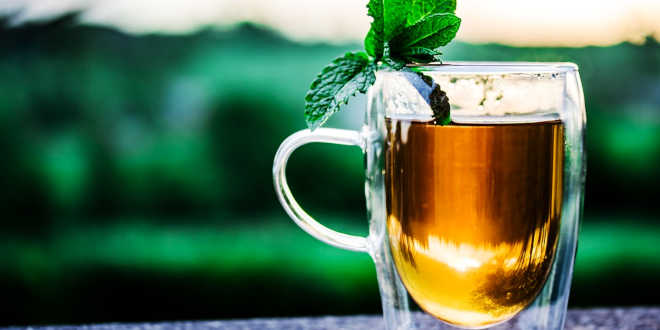
Both green and black tea are relatively good sources of quercetin. We could even mention a variety of red tea known as rooibos, although its content is a little bit lower.
From all of them, decaf black tea would lead the ranking, followed by green tea and common black tea. A peculiar feature of green tea is the fact that it is rich in another antioxidant, catechin. It also belongs to the flavonoid group and it is a renowned anti-cancer substance. In fact, it has three times the content of dry black tea.
Onion
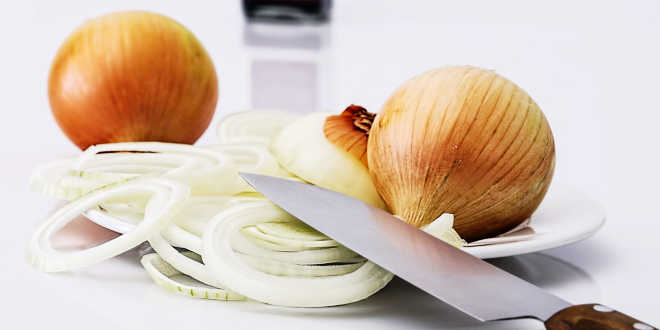
Perhaps it is the most common source of quercetin. Onions have always been regarded as a healthy product partly due to their quercetin content. Traditionally, it has been associated with a good blood flow and cell vitality.
But that is not all, it also has vitamin C, potassium, soluble fiber, iron and calcium. The latter is important when it comes to increasing the mineral density of the bone tissue to prevent osteoporosis.
We need to consider the biological quality of this bulb in terms of its quercetin content. Apart from having a good content of this flavonoid, it also has an excellent bioavailability. In fact, we know this thanks to a study from the Agriculture University of Wageningen (Netherlands). Quercetin is absorbed three times more efficiently than from another important source, apples.
Around a hundred grams of onion have between 25 and 50 milligrams of quercetin. This number changes depending on the acidity of the soil, as well as other minor factors.
There is only one obstacle between onion and quercetin. After being harvested, it loses a 25% of its quercetin content if it is stored for more than a week before being used.
Apple
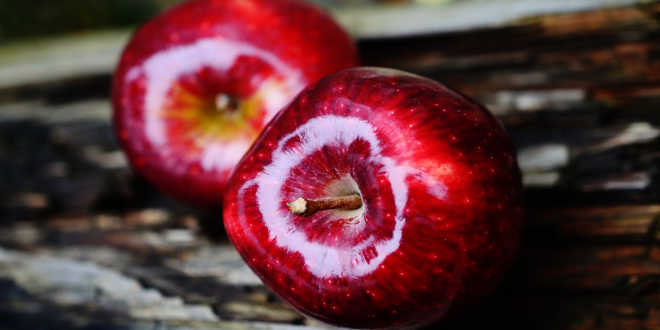
There is plenty of outstanding fruit when it comes to talking about sources of quercetin. But, without any doubt, apple stands out. In fact, it is quite interesting because we can eat it raw.
Its skin is the part that mostly has all its antioxidants. Moreover, the content will change depending on the variety, but the best ones are Red Delicious, Red Ida and Northern Spy.
A renowned physician, Dr. Weil, suggest eating apples regularly as way to prevent Alzheimer’s disease thanks to the quercetin content.
Oats

It is one of the cereals with the best nutritional quality, apart from its quercetin content.
In fact, it is becoming more and more popular in weight loss diets. This is mostly due to its satiating effect from its high fiber content that helps to calm the appetite.
Garlic
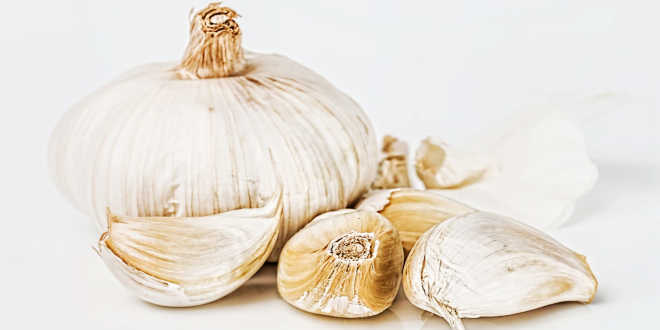
The prestige of this vegetable is due to the therapeutic properties of quercetin.
Eating just a raw garlic clove a day is enough to enjoy an excellent nutrient supply.
Spinach
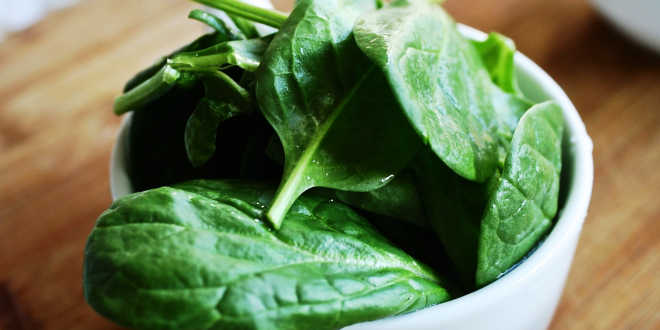
It is one of the vegetables that tends to always appear on the lists of foods rich in an important substance.
Combine it with onion and garlic for a wonderful recipe.
Capers
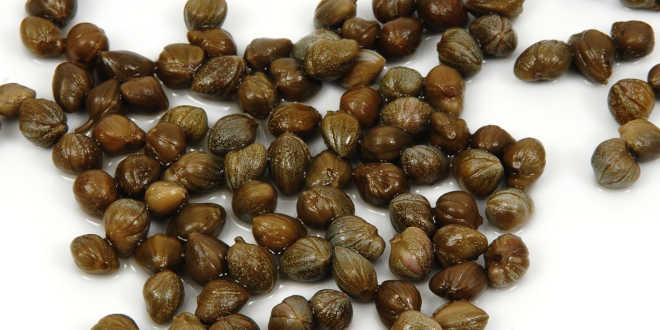
According to the United States Department of Agriculture (USDA), capers have some of the highest natural concentrations of this antioxidant. In fact, their canned flower buds have 173 milligrams of quercetin per hundred grams.
Red and purple fruit
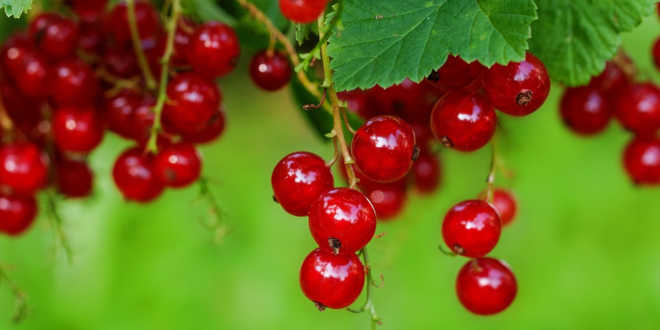
Red, purple and dark blue fruit has remarkable levels of quercetin. For instance, blueberries have 15 milligrams per hundred ones, followed by black plums with 12.5 milligrams for the same amount.
Chokeberries, currants and cherries are also good sources of quercetin.
We suggest eating this fruit raw. Heat and water are very aggressive against this active ingredient.
Bibliography
- Kim S, Oh S, Noh HB, Ji S, Lee SH, Koo JM, Choi CW, Jhun HP. In Vitro Antioxidant and Anti-Propionibacterium acnes Activities of Cold Water, Hot Water, and Methanol Extracts, and Their Respective Ethyl Acetate Fractions, from Sanguisorba officinalis L. Roots. Molecules. 2018 Nov 16;23(11). pii: E3001. doi: 10.3390/molecules23113001.
- Afrasiabian F, Mirabzadeh Ardakani M, Rahmani K, Azadi NA, Alemohammad ZB, Bidaki R, Karimi M, Emtiazy M, Hashempur MH. Aloysia citriodora Palau (lemon verbena) for insomnia patients: A randomized, double-blind, placebo-controlled clinical trial of efficacy and safety. Phytother Res. 2018 Nov 19. doi: 10.1002/ptr.6228.
Related Entries: