Fitness, Nutrition, Health and Sports Blog In the HSNstore Blog you will find tips about Fitness, sport in general, nutrition, and health – HSNstore.com

“Mens sana in corpore sano”. It seems that this expression makes more and more sense. In this setting, driven by the search for a better understanding of the human body and its needs, the study of the elements and substances found within it, such as enzymes, is a priority. Among them, bromelain truly stands out.
An Introduction to the Enzyme Bromelain

You have surely heard the term enzyme mentioned over and over again, but do you really know what its function is? It serves as a catalyst for the chemical reactions that take place in your body, without being consumed in the process.
In this post we are going to answer these questions and many more. We invite you to join us on this complete journey through all aspects of the so-called “pineapple enzyme”.
What is Bromelain?
Bromelain is an enzyme of plant origin, with a high molecular weight, whose main function is to promote the absorption of amino acids, being able to do so across a range of pH levels from acidic to alkaline. This is its proteolytic action, the main characteristic for which this substance is known.
Where does it act? In the digestive system. More specifically, bromelain is produced and acts in the stomach and in the intestine, although it offers benefits to the whole body.
If you like tropical fruit, you are in luck, because you can naturally find bromelain in pineapple. In particular, the highest concentration of this enzyme is found in the stem of this delicious fruit from South America.
As it is a proteolytic enzyme, it supports the body’s digestive mechanisms, reducing complex protein molecules in order to form smaller peptide units or individual amino acids.
Who is its use recommended for?
In recent years, the use of bromelain has spread rapidly, and it has even been indicated for the treatment of up to 1,600 different health disorders.
You can take bromelain if you suffer from…
- Connective tissue injuries
- Tendonitis
- Ankle sprain
- Arthritis, joint pain and osteoarthritis
- Allergies
- Autoimmune diseases
- Asthma
- Cardiovascular disorders
- Sinus infections, such as bronchitis and sinusitis
- Cancer
- Inflammatory bowel disease
- Poor absorption of medication, especially antibiotics, and symptoms resulting from taking medication
- Digestive problems such as diarrhoea or heartburn
- Surgical trauma and slow healing of wounds or burns on the skin

An enzyme found in pineapple
People living in tropical areas, where this fruit originates, have long drunk pineapple juice and eaten the whole fruit as a way to improve digestion, relieve stomach pain, promote healing and act as a general cleanser to improve skin texture.
Beyond these uses, did you know that enzymes help destroy cancer cells? They do, because by denaturing the fibrin hidden in tumour cells, they make them easier to detect and destroy.
As you can see, foods rich in enzymes can do a lot for you. Broadly speaking, we can say they are those that have not been processed, especially raw foods. Small shoots, such as sprouts, are a good source of enzymes. Pineapple is one of them!
Generally speaking, the bromelain you can buy as a supplement or extract contains enzymes extracted from the stems or cores of the fruit, where it is found in greater concentration compared with the pulp.
As you can see, pineapple offers a great many benefits, although the essence of its therapeutic powers definitely lies in bromelain enzymes.
Why is it so important for your health?
Very simply: because we are talking about an enzyme that is crucial for the optimal functioning of the digestive system and for the treatment of various ailments.
Bromelain has many properties, most of which have had scientific backing since the late 1990s!
Its properties support the body
Products containing bromelain boast many beneficial health properties, especially regarding gastrointestinal problems. Or did you think its use to help synthesise proteins in the body was pure coincidence?
However, in recent years, study results have shed light on even more properties.
Take note of the main ones!
- Reduces pain
- Improves circulation
- Has anti-inflammatory action
- Has cleansing properties
- Prevents or reduces the appearance of cellulite
- Relieves allergy symptoms
- Reduces fluid retention
- Reduces symptoms such as bronchitis, asthma or arthritis
- Supports weight-loss diets
- Promotes the healthy state of the immune system
- May help prevent cancer
After this first overview, let us now look a little more closely at the main properties of bromelain:

Bromelain as an anti-inflammatory agent
This substance first became famous due to its ability to inhibit the production of inflammatory prostaglandins, which made it a useful tool for relieving inflammation, and it is also considered beneficial for bruising and for speeding up post-surgical recovery processes.
In addition, you should not underestimate its ability to help treat muscle injuries, especially sprains and tendonitis. Interestingly, many specialists also point out that this property of bromelain could make it helpful for the inflammation caused by hay fever.
If you tend to suffer from sinusitis, bromelain may also help by assisting with inflammation in the mucous membrane and paranasal sinuses.
A digestive enzyme
The breakdown of proteins, as well as its ability to reduce the allergenic potential of foods in the intestine, is very helpful for reducing possible indigestion or heartburn, but also for eliminating parasites.
By combining its digestive and anti-inflammatory properties, bromelain broadens its benefits, and is also recommended for the treatment of flatulence and certain symptoms of irritable bowel syndrome.
An effective sedative
As this property, together with its anti-inflammatory action, allows bromelain to relieve pain and swelling from physical, muscular and joint injuries, we would be talking about an effective mechanism for reducing the discomfort and inconvenience of arthritis and osteoarthritis.
Bromelain and its antibacterial action
Another point in its favour is that it has the potential to fight infections in the intestine and stomach, such as Helicobacter pylori, to which should be added the bonus that it has proven useful in combating bronchitis and pneumonia.
A useful anticoagulant
This same property allows it to reduce blood circulation problems that encourage the formation of varicose veins and haemorrhoids.
The effects of bromelain extend to the circulatory system. The result? It prevents the formation of dangerous blood clots in blood vessels, while at the same time reducing the likelihood of suffering certain diseases or conditions, such as thrombosis.
For allergies
Are you one of the millions of people who suffer from the bothersome effects of allergies? If so, you will find in the “pineapple enzyme” a formidable ally, as it eases symptoms such as a runny nose, itchy eyes, congestion, swollen lymph nodes and difficulty breathing.
The truth is that this substance is known to be very helpful in preventing allergies by acting on the origin of the problem: a hypersensitive and hyperactive immune system.
One study shed light on the fact that CD11c dendritic cells and DC44 antigen-presenting cells are inhibited in people receiving bromelain supplements. This means that it may target the underlying cause of asthma and allergies.
For sinusitis
Sinusitis is the inflammation of the nasal sinuses that causes so many problems for those who suffer from it. If this is your case, you will know exactly what we mean: discomfort and breathing difficulties are among the symptoms that can end up having a major impact on patients’ quality of life.
Well, a study carried out by researchers at the German University of Cologne obtained relevant results in this matter. It involved twelve participants who had already undergone paranasal sinus surgery and who received bromelain treatment for three months.
Among the confirmed benefits, the following are worth mentioning: improvement in total symptom scores, improvement in total rhinoscopy scores and improvement in overall quality-of-life scores. To top it off, no adverse effects were reported.

Bromelain for weight loss
If you are looking to lose weight, the scales may tip in your favour if you take the enzyme derived from pineapple. Some studies have concluded that bromelain helps reduce adipocyte fatty acid-binding protein, fatty acid synthase and lipoprotein lipase.
It may also inhibit adipogenesis, or cell differentiation, which can contribute to the formation of fat cells, and reduce triglyceride accumulation.
Despite this, this effect has not yet been fully confirmed, as research is still in its early stages. What there is no doubt about is that eating pineapple is a “must-have” in weight-loss diets and, as you already know, this tropical fruit contains the highest amount of bromelain.
For recovery from injuries and operations
It often happens that during the recovery period, any help is welcome for a speedy improvement. Bromelain’s role in this context is to become a great natural alternative to pain-relieving medication, of which aspirin is one of the best-known examples.
A study evaluating healing after oral surgery found that most patients who underwent this surgery experienced post-operative symptoms that antibiotics and painkillers unfortunately failed to remedy. As a result, infections and other discomfort during the healing process were common.
Other Bromelain Benefits That May Interest You
By way of summary, let us recall the main virtues of bromelain which, to a lesser extent, has antitumour, mucolytic, anti-oedematous and regulatory properties.
Besides these, studies seem to confirm that it can help restore the balance of stomach acidity and alkalinity in the small intestine. Add to this that it is considered an effective treatment for first- and second-degree burns, as well as a boost for the immune system, and you will understand why bromelain may interest you.
How Should You Take Bromelain?
In principle, the best way to consume bromelain is through the fruit itself. Support your body’s health by getting the ideal dose in a healthy and delicious way!
Its many benefits have led to its use becoming more widespread in recent years and, consequently, the ways of taking it have also expanded, including bromelain supplements.
Do you prefer to eat pineapple directly? In that case, make sure it has not been subjected to any kind of industrial or chemical process.

How Much Should You Take? Check Your Dose Here!
At HSN we always recommend responsible use of dietary supplements, which includes following the prescribed doses. In the case of bromelain, the recommended daily dose ranges between 500 and 800 mg of this product per day. However, you should adjust the dose to the condition you are treating:
- 400 mg/day to treat arthritis
- 1,000 mg/day to treat allergies
- 500 mg three times a day for recovery from injuries or operations
Try to take this type of supplement on an empty stomach, unless you are looking for digestive improvement, in which case you should take it with meals.
Bromelain Supplements: Yes or No?
The great popularity that this substance enjoys today has made it possible for bromelain supplements, as well as creams and ointments for external use, to be available. A healthy range that it is advisable to discuss with your doctor before starting to use.
Bromelain capsules are indicated for the treatment of physical problems including muscle discomfort, as well as for achieving benefits in the body, among which improved digestive processes stand out.
Topical use, in other words bromelain in creams, is reserved for the treatment of sprains, pain and even burns. Its concentration should be close to 2%.
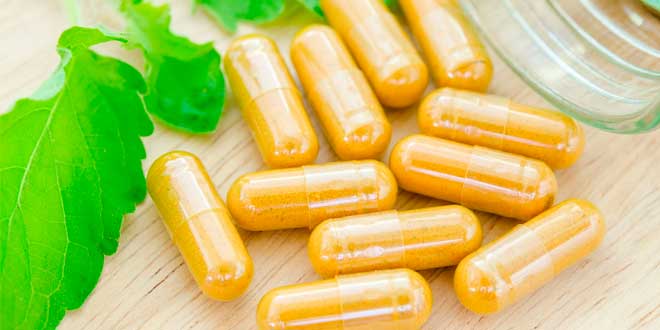
Check out the full bromelain catalogue in our HSN online store.
The Most Synergistic Combinations Help You Get More Out of It
Bromelain, as with many other supplements, can have its effects enhanced in combination with other substances, providing better support for the body. Some studies point to the usefulness of combining it with products such as turmeric or quercetin, thus achieving the most synergistic combinations.
Turmeric is a powerful natural anti-inflammatory used to relieve issues such as arthritis, and is even effective as support in chemotherapy treatments.
Quercetin is a flavonoid antioxidant, which you can find in such common foods as green tea, wine, cabbage and blueberries. It is very helpful in fighting free radicals and has antiviral, anti-inflammatory, antimicrobial and anti-allergic properties.
And What Do Studies Say About This Enzyme for Improving Protein Digestion?
Certain studies which, given the significance of their results, should be interpreted with caution, have revealed that bromelain has natural effects against cancer. Its action would include promoting the death of apoptotic cells and preventing tumour growth.
In animal studies, it has been shown to be effective in inducing the production of various cytokines, with anti-metastatic efficacy and inhibition of metastasis, while also reducing platelet aggregation.
As a natural product, it has a property unique to these substances, namely selective cytotoxicity, or in other words, the ability to kill only cancer cells without affecting the rest of the healthy cells.
Therefore, we would be talking about an aid in preventing cancer, but not a treatment in itself once it has been detected. For this reason, under no circumstances should any treatment being received for the disease be suspended. Along these lines, do not view bromelain as anything more than a natural contribution in these situations.
Does It Have Contraindications? And Side Effects?
The large number of scientific studies carried out on bromelain allow us to conclude that a product with this potential requires appropriate use in order to avoid health problems.
Likewise, it is contraindicated for patients with kidney or pancreatic dysfunction and, of course, for people allergic to pineapple, since bromelain is the component that tends to be least tolerated by the body.

Lastly, it should be clarified that this substance can sometimes cause certain side effects. Suspect this if you notice:
- Nausea
- Dizziness
- Hypersensitivity
- Metrorrhagia
- Diarrhoea
If you identify them, stop taking bromelain and consult your doctor.
Who Should Not Take Bromelain?
Taken in appropriate doses, you have nothing to fear regarding bromelain intake, as it has proven to be a fairly safe substance. This does not prevent there being some information, still to be confirmed, suggesting a possible increase in heart rate linked to the use of these products.
The following should not take bromelain:
- Children
- Those suffering from inflammation of the stomach lining
- Pregnant or breastfeeding women
- Patients with kidney or liver disease
And remember the warning against taking bromelain and anticoagulants together!
Do you already have enough information about bromelain to assess whether it is the supplement you are interested in? If your answer is yes, we invite you to try it. If not, send us your questions and we will answer them as soon as possible.
Bibliographical Sources:
- https://www.enbuenasmanos.com/propiedades-de-la-bromelina
- “Obtaining bromelain from pineapple waste” National University of Colombia, 1992.
- “Food Biotechnology” Noriega Editores, 2004
- “Specialist laboratory technician in primary care” Catalan Health Institute, Publisher: MAD, 2006
Related Posts