Fitness, Nutrition, Health and Sports Blog In the HSNstore Blog you will find tips about Fitness, sport in general, nutrition, and health – HSNstore.com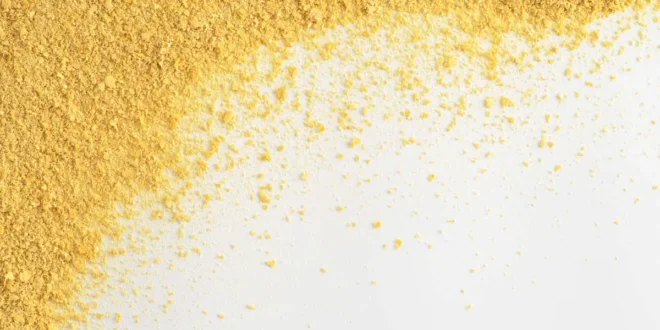

Brewer’s yeast is one of the food supplements that is gaining ground every day among those who make health care their way of life. A supplement very rich in protein, highly useful on those days when rushing around does not allow you to eat many protein-rich foods, and truly an essential in the diet of pregnant women. We will try to explain why.

What is Brewer’s Yeast and what is it used for?
A highly nutritious supplement that helps us stay healthy. Who has not heard at some point about the many health benefits of drinking beer in moderation? Well, the same applies to one of its components, brewer’s yeast, with multiple properties that can be applied in the most diverse ways.
In its nutritional supplement version (which is not exactly the same as the one used in the production of the famous alcoholic drink), it is one of the elements that can boast one of the highest numbers of nutritive components.
In fact, in recent years, brewer’s yeast has managed to become one of the most valued and sought-after food supplements, not only among athletes but also among many people who benefit from its properties in their daily lives.
Despite this, it has only been in recent years that its natural use as a food supplement taken for health benefits has become widespread, mainly due to its high percentage of protein (close to 50%) and vitamins from the entire B complex, chromium, magnesium and zinc.
It is a yeast product that derives from the fermentation of cereals such as barley or wheat, thanks to the intervention of a microorganism (Saccharomyces cerevisiae). The yeast resulting from fermentation must be dried, cleaned and pasteurised prior to its commercialisation in the form of flakes, powder, capsules or tablets, which are sold in health food shops, parapharmacies or specialised websites, such as HSN.
Most brewer’s yeast products you will find on the market have gone through a nutritional process with the aim of reducing the original bitter taste of the foods. This circumstance must be sufficiently indicated on the product packaging, and you should know that it is a process that does not in any way reduce any of the benefits or healthy properties it presents.
In fact, studies carried out in this regard in recent times have highlighted the relevance that the natural fermented cereal provides to human beings.
Due to the large amount of nutritional properties specific to brewer’s yeast, it is considered a basic food for health. And did you know that it supports the condition of hair, nails and skin thanks to its richness in minerals and vitamins? That is the case, and its list of benefits does not end there, as it increases muscle mass and improves the immune system, among other things.
Where does this natural multivitamin come from?
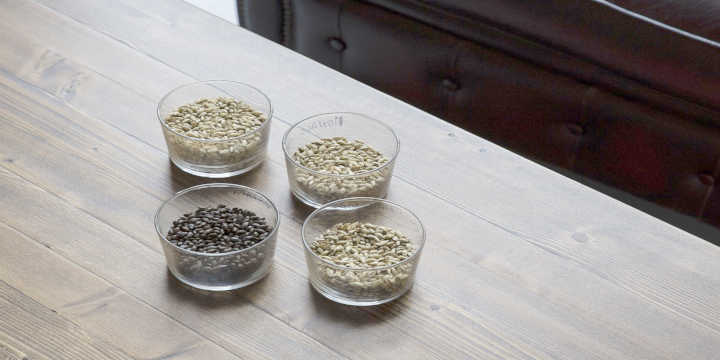
Perhaps you are wondering where brewer’s yeast germ comes from. Well, although its origin is not entirely clear, it seems that the fermentation process of brewer’s yeast may have occurred by chance between 10,000 and 6,000 BC in Mesopotamia.
Thus, it would have been a farmer who, while making barley bread, mixed up the proportion of the different ingredients, including more water than flour in the mixture.
There is evidence of the existence of papyri in Egypt showing how barely cooked breads were fermented in water, awaiting transformation, so we are right to say that they also made use of this technique.
Other much more advanced studies, with supplementation products that can be purchased, shed light on the fact that brewer’s yeast is a microorganism that commonly appears in the human body, primarily in the digestive system and on the skin.
What vitamins and minerals does brewer’s yeast contain?
The richness of brewer’s yeast in protein is one of its main calling cards, although there are variations from one type to another, ranging between 45-50 g of protein per 100 g. Its amino acid profile is also not negligible, making it a food with a high protein value.
Although the serving size is small, bear in mind that around 8 g (about one tablespoon) provides around 4 g of protein, which is not bad at all if you consider that it is a condiment. Two tablespoons are equivalent to a far from negligible contribution to the diet, mainly on those days when rushing around, as we said at the beginning, makes us fall short in our consumption of protein-rich foods.

What are its properties?
Fresh brewer’s yeast, which is not the one we are going to analyse, is preferably used to make breads. Both its dry and powdered version is the one that can be used as a food supplement due to its great nutritional richness and is the one you will find in different formats at HSNstores.
Among its nutritional virtues, the following stand out:
- More than 25% plant proteins, so just one tablespoon is capable of significantly increasing your protein intake
- A protein value (from 45 to 60%) much higher than that of other supplements such as wheat germ (23%), soya (16.6%) or even veal meat proteins (31.5%)
- A high fibre content (approximately 20%), standing out for the wide variety of micronutrients it offers and which we will develop below
It is also worth highlighting the presence of vitamin B12 when it is enriched with it, a key nutrient for vegans. At the same time, it has a wide variety of minerals that are crucial in everyday life, such as iron, potassium, copper, zinc, magnesium, molybdenum and calcium.
Do you now understand why brewer’s yeast has become one of the most widely used and popular food supplements?
What benefits does brewer’s yeast have?
Brewer’s yeast certainly has no shortage of properties for you to take it into account in your pantry as one of your go-to supplements. These are the 10 main benefits for which you should take it:
1. Energy contribution
Due to its high content of vitamin B2, minerals and amino acids, brewer’s yeast provides a high amount of energy. Taking it is recommended in the morning and at breakfast for this reason. In the same way, it helps address anaemia, lack of motivation and nutritional deficits.
2. Helps reduce cholesterol
Now you have the chance to put the brakes on this great problem of the 21st century thanks to the components of brewer’s yeast, which allow its regular consumption to reduce LDL or “bad” cholesterol levels and triglycerides.
3. Prevents constipation
Starting from the basis that, in addition to all the components we have been mentioning, we are dealing with a supplement with a high level of probiotics, brewer’s yeast helps regulate intestinal transit. Not surprisingly, it has a large amount of fibre, so that it can help relieve episodes of constipation, contributing to the repair of the intestinal walls as well as its flora.
4. It is good for growth
Being rich in protein, iron, fibre and vitamins, it is one of the foods with the highest proportion of vitamin B, which is stored naturally in the body and must be obtained through the diet.
5. Keeps blood pressure stable
Perhaps you have heard at some point that brewer’s yeast is good for diabetes mellitus and hypertension. Well, the truth is that this is the case, and this is because it does not contain sugars or excessive amounts of sodium, making it a food supplement of great use for maintaining stable blood pressure.
In addition, and as if that were not enough, it helps provide nutrition and energy in people who suffer from intolerances or metabolic problems that prevent them from accessing all kinds of foods, as is the case with diabetics.
6. Contributes to healing
As we have been saying, brewer’s yeast is packed with nutrients. Among them, biotin stands out, an element that is highly regarded for the regeneration of damaged tissues.
7. Strengthens the immune system and the heart
Thus, this supplement keeps the heart and arterial system strong, and experts value the possibility that it may prevent cardiovascular problems due to its essential fatty acid content.
8. Takes on hypothyroidism
It has been shown that brewer’s yeast helps with the optimal maintenance of the thyroid and improves its functionality in cases of hypothyroidism.
9. Strengthens nails, skin and hair
Consuming this substance, especially in relation to its contribution of vitamin B2, helps care for the skin, hair and nails, improving their texture, strengthening and hydrating them. At the same time, it prevents skin ageing and promotes the growth of strong and healthy hair and nails.
10. Improves motivation and mood
The energy contribution inherent in the consumption of brewer’s yeast facilitates an improvement in the human being’s ability to become motivated. What does this translate into? Into better functioning at a behavioural level and greater ease in establishing strategies and action plans. In the same way, it is thought to lead to an improvement in mood.

It is indicated as a food supplement for…
- Those who need an extra boost of vigour
- Those who feel too tired during the day
- Students during exam periods
- Those who are subjected to situations of stress or chronic fatigue
What role does brewer’s yeast play in pregnancy?
We have been announcing it from the beginning. Brewer’s yeast is an essential substance for pregnant women. Its detractors point out that this property is not one hundred per cent endorsed. However, its content of folic acid and substances such as chromium indicates this.
However, if you are pregnant, it is best to consult your doctor about whether it is advisable to take this food supplement.
Chromium is an essential substance during pregnancy, because the body breaks down foods such as fats, proteins and carbohydrates for digestion, working towards the stabilisation of blood sugar levels, which can influence the onset of gestational diabetes.
Bear in mind that during the demanding period of pregnancy, a woman’s body needs around 30 mcg of chromium per day through food for the optimal maintenance of health, according to various sources.

Does this product make you gain weight?
Regarding brewer’s yeast, there is a myth that it makes you gain weight, but is it true? No, this substance not only does not make you gain weight but rather helps people who want to lose weight. It influences balance and muscle production by shifting fats.
In underweight people, brewer’s yeast has properties that increase weight, which includes patients with bulimia. At the same time, it is a recommended supplement so that overweight people can lose a few kilos.
How to take it?
As we have seen, it can be purchased in different formats: capsules or tablets, or powder or flakes. That said, for some people this second format has the drawback of a somewhat bitter taste
Obviously, from everything explained in this post, it follows that brewer’s yeast is just another ingredient. You can do without it in your diet, but the truth is that its nutritional profile recommends its introduction. However, do not expect it to fix the effects of an unbalanced diet on its own.
Warnings and side effects of brewer’s yeast
In relation to brewer’s yeast, what you should bear in mind is that you can take it as a food supplement. This does not in any way mean that it can replace a healthy eating plan.
On the other hand, and like any other ingredient, however natural it may be, it presents a series of contraindications that we will develop below:
- Hypertension, insofar as it contains tyramine, a component that in high amounts is capable of producing this effect
- Gout, given its purine content, which is why its intake is not recommended in people with high uric acid
- Allergy, due to the fact that it is a fermented cereal, which in certain cases can cause skin irritation
- Crohn’s disease, as it can generate intestinal transit problems, so it should also not be consumed by those who suffer from it
What did you think of the information provided about brewer’s yeast? Now all that remains is for you to decide to try its benefits first-hand!
Bibliographic Sources:
- Xiberras J, Klein M, Prosch C, Malubhoy Z, Nevoigt E. Anaplerotic reactions active during growth of Saccharomyces cerevisiae on glycerol. FEMS Yeast Res. 2019 Dec 10. pii: foz086. doi: 10.1093/femsyr/foz086.