Fitness, Nutrition, Health and Sports Blog In the HSNstore Blog you will find tips about Fitness, sport in general, nutrition, and health – HSNstore.com

Liquorice extract, beyond its distinctive sweet and slightly bitter taste, hides a real treasure trove of health benefits. Used for centuries in traditional Chinese medicine, Ayurveda, and natural remedies around the world, modern science is now beginning to validate many of its most popular uses.
✔️ Did you know it can help relieve digestive discomfort, reduce inflammation, and even support your immune system? These are just a few of the positive effects attributed to this powerful plant extract, rich in bioactive compounds such as flavonoids.
In this article, we’ll explore its key properties, how to use it in your daily routine, and what precautions to keep in mind to take full advantage of its benefits safely and effectively.
Naturally relieves digestive problems
One of the best-known benefits of liquorice extract is its ability to naturally relieve digestive issues. Thanks to its soothing, anti-inflammatory, and protective effects on the gastric mucosa, it has long been used as a traditional remedy to combat conditions such as heartburn, indigestion, and stomach ulcers.
✔️ Protection against heartburn and acid reflux
Liquorice extract, particularly in its deglycyrrhizinated form (DGL), helps protect the lining of the stomach and oesophagus by increasing mucus production and improving mucosal integrity. This protective action helps to reduce the burning sensation caused by acidity and gastroesophageal reflux. Unlike conventional antacids, which simply neutralise stomach acid, liquorice helps repair and strengthen the stomach’s natural defences.
✔️ Gastric and duodenal ulcers
The active compounds in liquorice have shown antimicrobial properties, particularly against the Helicobacter pylori bacterium, a key factor in the development of gastric and duodenal ulcers. Its action not only helps control infection but also reduces tissue damage and supports the regeneration of gastric lining.
✔️ General relief of stomach discomfort
In addition to its protective effect, liquorice also has antispasmodic properties that help soothe intestinal spasms, improve digestion, and relieve symptoms such as bloating, gas or heaviness.
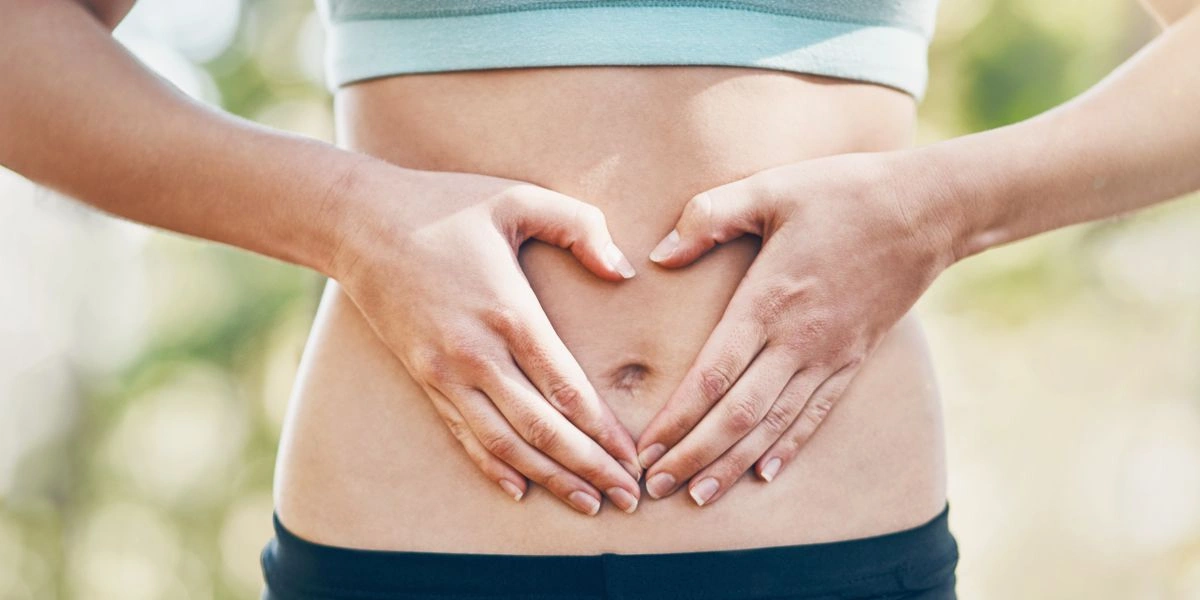
What is a deglycyrrhizinated liquorice supplement?
A deglycyrrhizinated liquorice supplement (often referred to by its acronym DGL) is an extract from the root of the liquorice plant (Glycyrrhiza glabra) from which most of a substance called glycyrrhizin (or glycyrrhizic acid) has been removed.
✔️ What is Glycyrrhizin?
It’s the main compound that gives liquorice its characteristic sweet flavour, and it’s also responsible for certain properties, including anti-inflammatory, antiviral, hepatoprotective, and mucoprotective effects.
However, prolonged or continuous use may lead to side effects such as high blood pressure, fluid retention (oedema), and low potassium levels in the blood (hypokalaemia).
✔️ Why ‘Deglycyrrhizinated’?
Glycyrrhizin is removed in order to benefit from other valuable compounds in the liquorice root without the risks associated with glycyrrhizin. This makes the supplement much safer for regular or long-term use, especially for those with blood pressure or heart issues.
✔️ What is it used for?
Deglycyrrhizinated liquorice (DGL) is mainly used to support digestive health:
- Protect the gastric mucosa.
- Stimulate the production of protective mucus in the stomach.
- Reduce inflammation of the irritated mucosa.
This makes it a natural supplement widely used as an alternative or complement to antacids or proton pump inhibitors (PPIs) in people with:
- Gastroesophageal reflux (GERD).
- Gastric or duodenal ulcers.
- Stomach irritation caused by stress or medication.
How to integrate liquorice extract into your daily routine
Liquorice extract is easy to incorporate into your day-to-day life, whether in the form of a supplement, a tea, or even in combined products:
☕ Digestive tea: After meals, you can prepare an infusion with liquorice root to relieve heartburn or a feeling of heaviness. Combine it with mint, chamomile or aniseed to enhance its digestive effect.
? Capsule supplement: Take it before meals, especially if you suffer from reflux or stomach discomfort. You can also take it on an empty stomach if you experience morning discomfort.
Liquorice extract supplements from HSN
At HSN you’ll find a product made with deglycyrrhizinated (DGL) Glycyrrhiza glabra liquorice extract:
- Each vegetable capsule provides 250mg of DGL liquorice extract;
- 10x concentration strength;
- Formulated with calcium, which contributes to the normal functioning of digestive enzymes;
- Liquorice is used to support digestion and contributes to digestive comfort;
- Designed for continued use, as it contains virtually no glycyrrhizin.
- Take 1 capsule, 2 times a day, 20–30 minutes before meals.
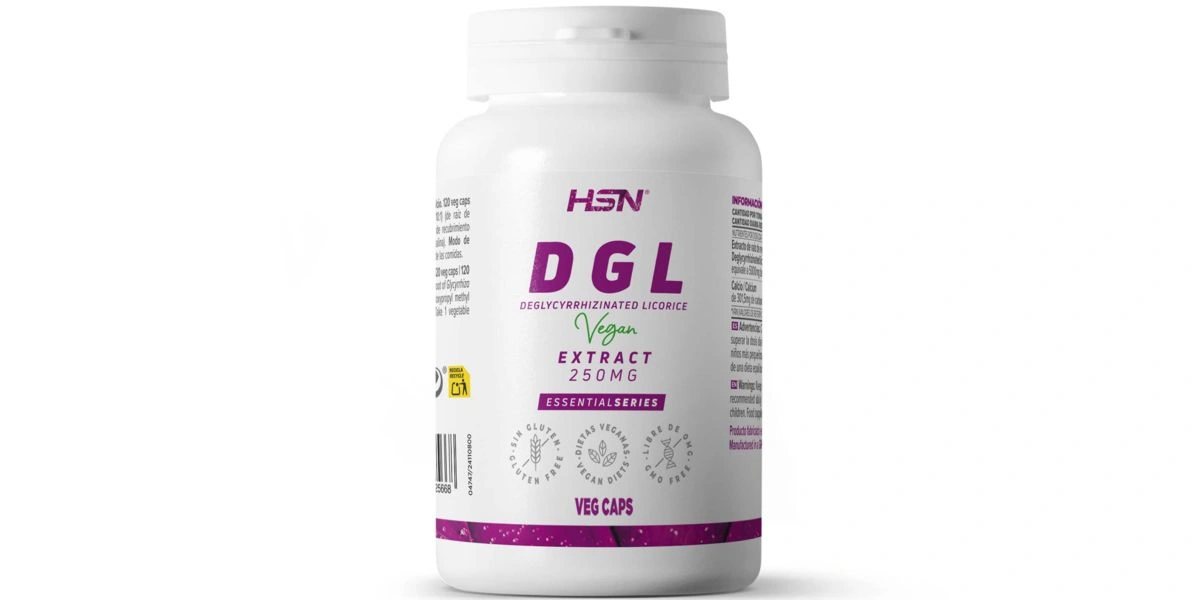
Deglycyrrhizinated Liquorice Extract (DGL) (10:1) 250mg by EssentialSeries
Contraindications of liquorice extract
Although liquorice extract offers many benefits, it should be used with caution, especially if it is not deglycyrrhizinated (i.e. it contains glycyrrhizin). This compound may cause adverse effects if taken in high doses or for prolonged periods.
People who should consult a healthcare professional before using liquorice products include:
- Those with high blood pressure or cardiovascular conditions.
- People with kidney issues or oedema.
- Pregnant or breastfeeding women (it may affect hormone levels).
- Anyone taking medicines such as diuretics, corticosteroids, anticoagulants or heart drugs.
If you choose to take liquorice as a regular supplement, go for a deglycyrrhizinated (DGL) version, which is safer for long-term use.
? References
- Wang, Y., et al. (2024). Licorice flavonoid exerts protective effect against ethanol-induced gastric ulcers in rats by modulating gut microbiota and promoting mucosal repair. Biomedicine & Pharmacotherapy, Volume 167. DOI: 10.1016/j.biopha.2024.115641
- Morgan, A. G., et al. (1973). Licorice in peptic ulcer: no effect of deglycyrrhizinated extract. Gut, 14(9), 711–715. DOI: 10.1136/gut.14.9.711
- Amin, A., et al. (2021). Evaluation of hydroalcoholic extract of Glycyrrhiza glabra in healing of induced gastric ulcers in rats.
Iranian Veterinary Surgery Journal, 16(1), 49–57. DOI: 10.30500/ivs.2021.249482.1334
Related Posts