Fitness, Nutrition, Health and Sports Blog In the HSNstore Blog you will find tips about Fitness, sport in general, nutrition, and health – HSNstore.com

What is hemp protein? Hemp protein is one of the most complete superfoods we can add to our diet. It contains a high amount of minerals such as magnesium, potassium, and calcium, and stands out as an excellent source of all the essential amino acids our body needs, including ALA (alpha-linolenic acid) and GLA (gamma-linolenic acid). Keep reading to discover all the benefits of this type of protein:
1. A complete protein for vegetarians and vegans
Thanks to its high-quality ingredients, it is considered one of the most complete plant-based proteins, as it contains eight essential amino acids that the body cannot produce on its own, which are responsible for crucial bodily functions. Essential amino acids can be obtained through food and are found in products like beef, milk, and soy cheese. However, there are times when getting them through food alone can be more challenging, such as for vegetarians or vegans. Hemp protein easily provides the nutrients the body needs.
2. Improves physical and athletic performance
Hemp protein is an excellent source of protein. Compared to conventional protein powders, hemp protein clearly stands out due to its natural, plant-based, and safe origin for obtaining pure protein, as it contains the necessary amounts of essential amino acids that the human body cannot produce. Hemp protein is a great alternative for endurance athletes, such as runners and cyclists. Bodybuilders or those looking to build muscle can also benefit from hemp protein supplements, as they support healthy muscle development. 
3. Aids in weight loss
Hemp protein is rich in fibre, which supports weight loss, as fibre provides a feeling of fullness, reducing appetite and preventing overeating. If, in addition to consuming our hemp protein shake, you follow an intensive training programme to gain muscle mass, weight loss is likely to occur. An increase in muscle mass contributes to an accelerated metabolism, leading to more calories being burned. Hemp protein contains unsaturated fats, which are healthy fats that help balance the high-calorie content of saturated fats.
4. Fights cardiovascular and inflammatory diseases
Dairy products and red meat provide protein but also have a high proportion of saturated fat. Hemp protein, however, comes from plant-based seeds, making it low in saturated fat and an excellent source of unsaturated fats. Unsaturated fats are an essential component of a healthy diet, as they reduce the risk of cardiovascular disease and high cholesterol levels. Hemp protein also provides essential omega-3 fatty acids, alpha-linolenic acid (ALA), and gamma-linolenic omega-6 acid (GLA), which have anti-inflammatory properties and reduce the risk of inflammatory diseases such as cancer and arthritis. Hemp protein is also considered a nutrient that enhances beauty, as it reduces inflammatory processes involved in ageing, improving skin appearance.
Does hemp protein cause weight gain?
Hemp protein does not cause weight gain on its own. In fact, it is a nutritional supplement that can be part of a balanced diet without negatively affecting body weight. As a plant-based protein source, it supports muscle development and improves satiety, which can be helpful for those looking to control their appetite. Its high fibre content also promotes digestion, leading to a more efficient metabolism. However, the context in which it is consumed is key. If hemp protein is incorporated into a high-calorie diet without adequate physical activity, it may contribute to a calorie surplus, which could eventually lead to weight gain. 
Does hemp protein have any side effects?
Hemp seeds are a plant-based protein source. For this reason, they have very few side effects. Most of the common side effects associated with dairy-based proteins do not occur with hemp protein, meaning that there is no risk of lactose intolerance, and it can be consumed without issues. However, it is important to note that hemp protein is high in fibre, so depending on the amount consumed, some individuals may experience bloating and loose stools.
Hemp protein supplements at HSN
HSN offers a hemp protein powder from the EssentialSeries range, 100% derived from Cannabis sativa seeds. This supplement is rich in plant-based protein and omega-3 fatty acids, making it ideal for those looking for a nutritious and healthy option. At HSN, quality is paramount: our hemp protein is free from cannabinoids, ensuring a safe and pure product. It is perfect for mixing into shakes and recipes, with no additives or flavourings, maintaining maximum solubility and quality. A complete plant-based option for a healthy lifestyle! 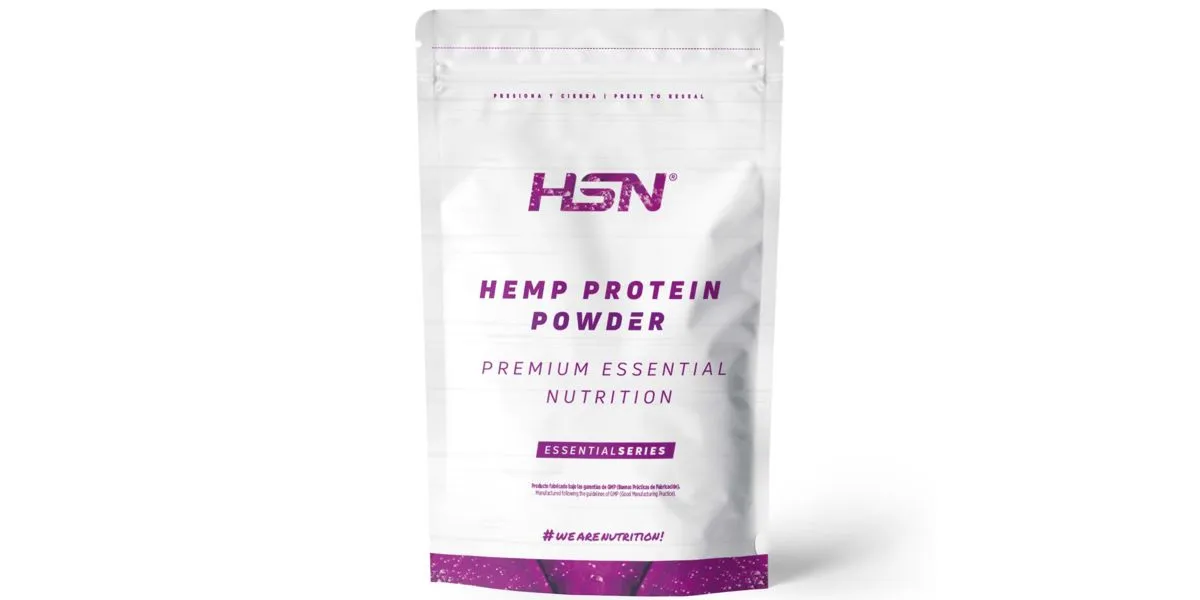
Hemp Protein Powder by EssentialSeries
What is the correct dose of hemp protein powder?
The correct dose of hemp protein supplements depends on an individual’s physical activity level and the amount of protein obtained from other sources. The total daily protein intake should be calculated, and hemp protein powder should be used to complement this intake. Due to its high fibre content, it is recommended to start with small amounts to avoid gastrointestinal discomfort. References
- Callaway, J. C. (2004). Hempseed as a nutritional resource: An overview. Euphytica, 140(1-2), 65-72.
- House, J. D., Neufeld, J., & Leson, G. (2010). Evaluating the quality of protein from hemp seed (Cannabis sativa L.) products through the use of the protein digestibility-corrected amino acid score method. Journal of Agricultural and Food Chemistry, 58(22), 11801-11807.
- Russo, E. B., & Reggiani, R. (2013). Hemp seed oil in dermatology. Cosmetic Dermatology, 26(2), 59-62.
- Leizer, C., Ribnicky, D., Poulev, A., Dushenkov, S., & Raskin, I. (2000). The composition of hemp seed oil and its potential as an important source of nutrition. Journal of Nutraceuticals, Functional & Medical Foods, 2(4), 35-53.
Related Links:
- All the benefits of plant-based proteins
- Properties and uses of rice protein
- Main differences between animal and plant-based proteins
- How proteins help you lose weight