Fitness, Nutrition, Health and Sports Blog In the HSNstore Blog you will find tips about Fitness, sport in general, nutrition, and health – HSNstore.com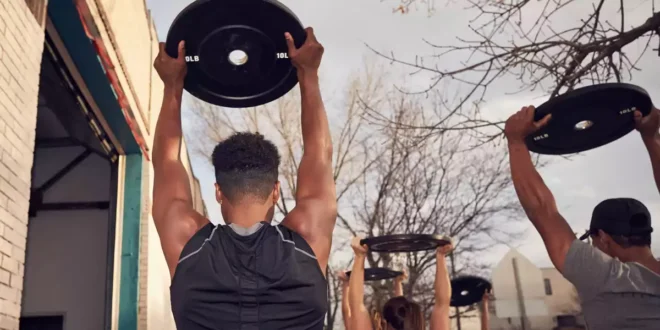

The overhead carry is a strength and stability exercise that works the shoulders, core, scapular mobility, and balance. At first glance, it might look easy, but holding a weight extended overhead while moving takes control and technique.
Used in disciplines like crossfit, strongman, or weightlifting, it’s also a valuable tool for anyone looking to improve their functionality under load. So here’s how to do it like a pro:

- Start with a light load (e.g., kettlebell or plate) that you can hold with your arm fully extended without compromising posture.
- Lift the weight overhead with one arm (or both), locking the elbow and activating the shoulder to prevent it from sinking.
- Keep your core engaged, ribs slightly tucked, and head in a neutral position (avoid looking up).
- Walk slowly, keeping the weight stable and avoiding swaying. Steps should be short and controlled.
- Lower the weight with control at the end of the set, avoiding dropping it abruptly.
Recommended repetitions
| Level | Distance | Sets | Suggested weight (men/women) |
| Beginner | 5-10 m | 2-3 | 8-12 kg / 4-8 kg |
| Intermediate | 10-15 m | 3-4 | 12-20 kg / 8-12 kg |
| Advanced | 20-30 m | 5-6 | +20 kg / +12 kg |
Muscles involved
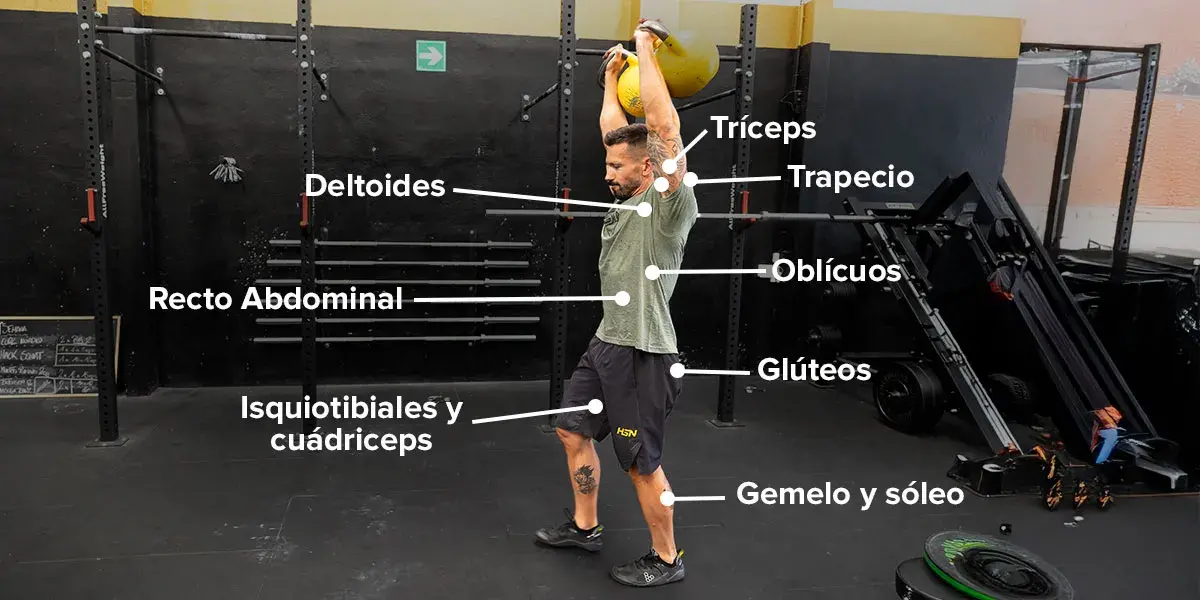
Overhead carry variations
Try these variations and work all the muscles:
1 Unilateral overhead carry
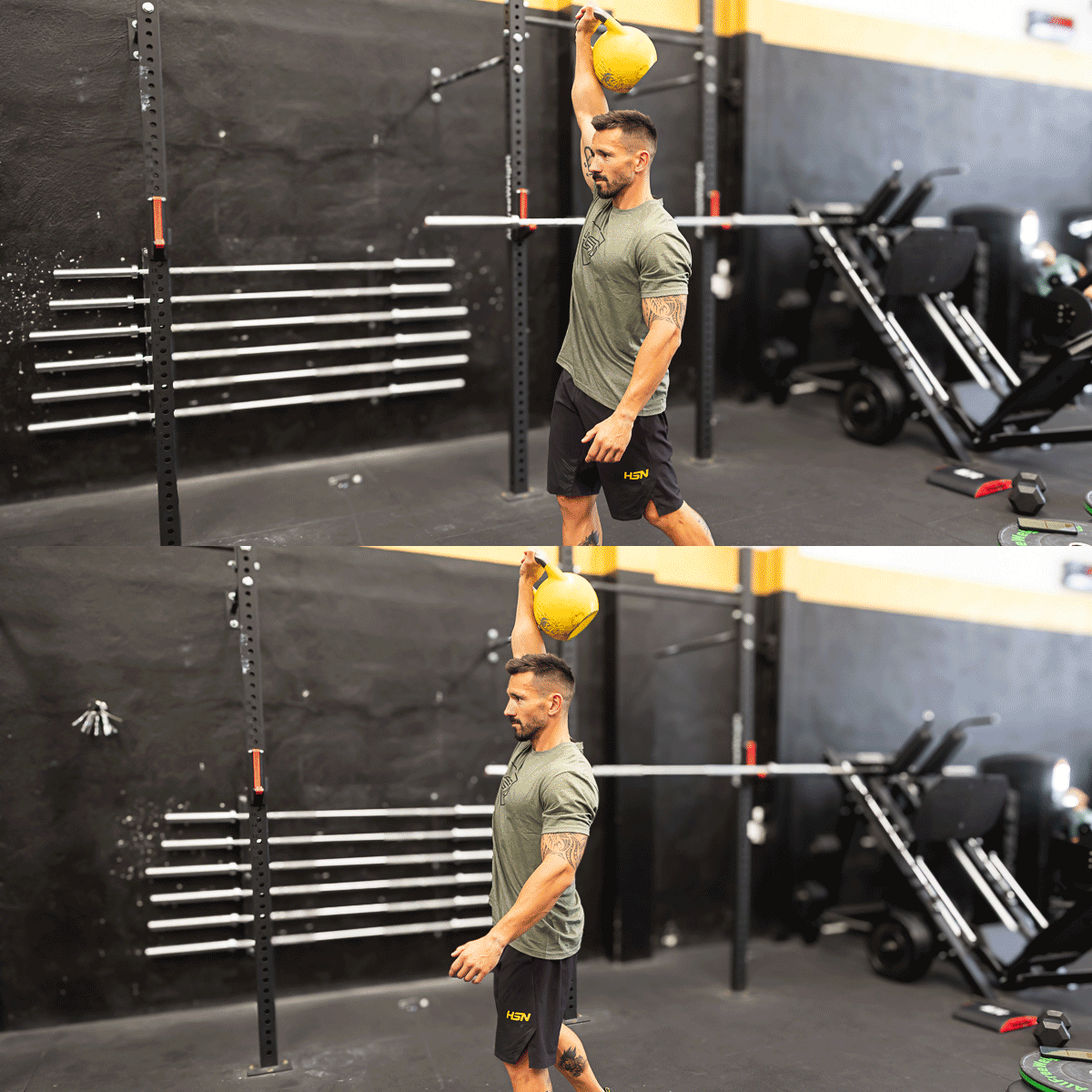
- Hold a dumbbell or kettlebell with one hand and lift it overhead, locking the elbow.
- Keep the arm aligned with the shoulder and torso upright (avoid arching your back).
- Walk slowly, controlling balance and avoiding side tilts.
- Alternate arms each set.
?HSN tip: focus on activating the core to avoid compensations.
2 Bilateral overhead carry
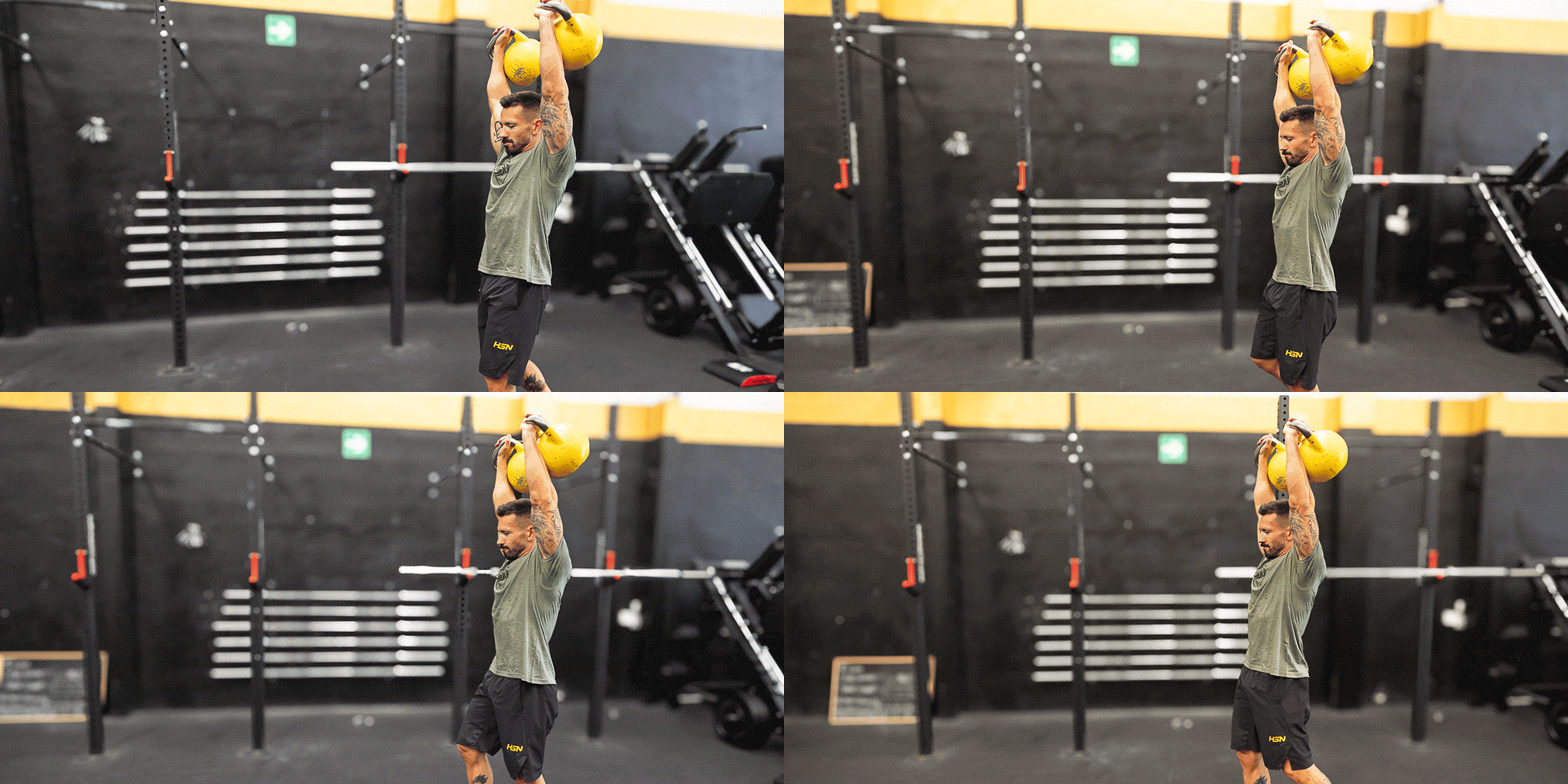
- Raise two kettlebells or dumbbells simultaneously, keeping arms extended and aligned with shoulders.
- Walk with short steps, avoiding swaying.
- Keep your core active and eyes forward.
?HSN tip: perfect for symmetrical strength training and core stability.
3. Bottoms-Up carry

- Hold a kettlebell by the handle with the base facing up (bottoms-up grip).
- Press it overhead, keeping the elbow locked and grip firm.
- Walk with control, avoiding the kettlebell tipping over.
?HSN tip: start with light weights to master the technique.
Benefits of doing Overhead Carry
- Improves scapular and shoulder stability by holding weight in a vertical position.
- Strengthens the core dynamically, forcing resistance to rotations and tilts.
- Increases muscular endurance in shoulders and arms due to prolonged tension.
- Develops balance and coordination while walking under unstable load.
- Boosts grip and forearm strength by keeping the weight elevated.
- Reinforces upright posture by demanding body alignment during movement.
- Stimulates proprioception by challenging body control in motion.
- Burns extra calories by combining strength and movement.
- Prepares for sports movements like Olympic lifts or strongman gestures.
- Minimizes injury risk by strengthening underused stabilizer muscles.
Related posts