Fitness, Nutrition, Health and Sports Blog In the HSNstore Blog you will find tips about Fitness, sport in general, nutrition, and health – HSNstore.com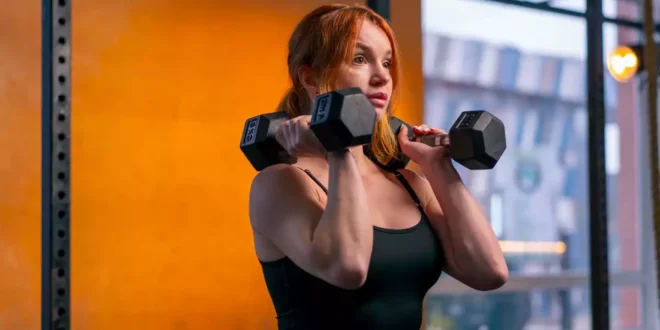

The Front Rack Carry is a workout that really gets you strong and challenges your whole body. Basically, it’s walking while holding weight resting on your shoulders, with your elbows up high and chest proud. It’s a staple in functional training to build a steel core. Ready to give it a shot?

- Pick your load: you can use a barbell, dumbbells, or kettlebells.
- Get the weight into the front rack: rest it on your shoulders, with elbows high and hands at shoulder height.
- Engage your core: tighten your abs and glutes to stabilize your midsection.
- Walk with control: take firm, short steps, keeping your gaze forward and torso upright.
- Breathe steadily: don’t hold your breath, exhale as you step, and keep diaphragmatic breathing.
Muscles involved in the Front Rack Carry
| Function | Main muscles |
|---|---|
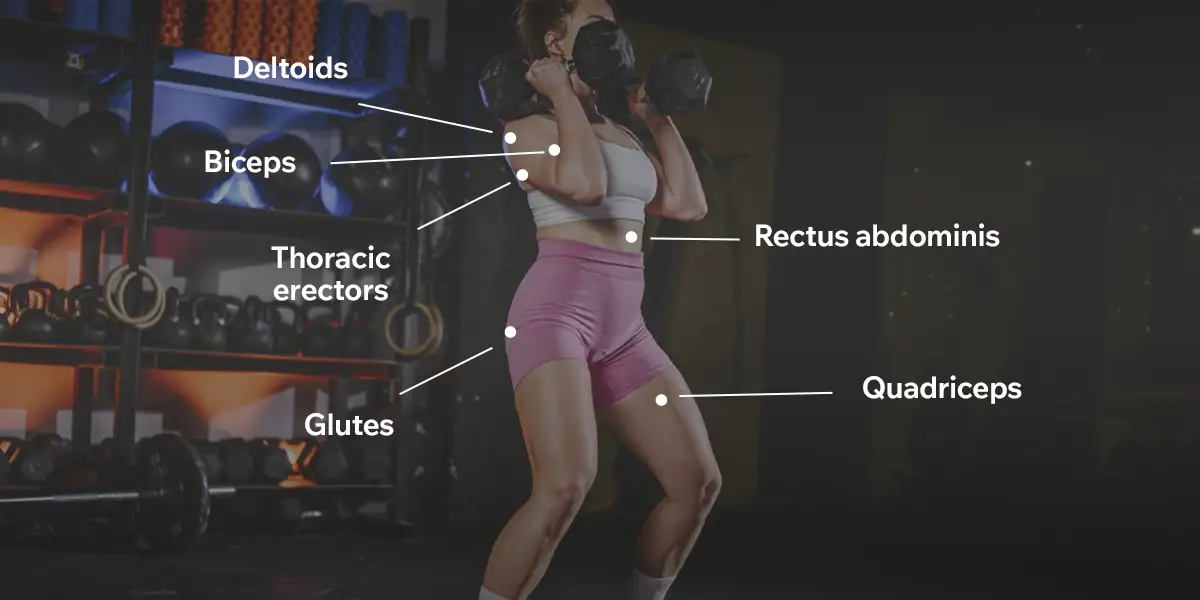
| Posture control | Thoracic erectors, Rectus abdominis |
| Load support | Deltoids, Biceps, Serratus anterior |
| Propulsion and balance | Glutes, Quadriceps |
? Biomechanical note: While the Farmer’s Carry is a grip and traps challenge, the Front Rack is a lung capacity and thoracic spine control challenge. With the weight on your chest, breathing gets tougher (breathing under pressure), which trains your core incredibly well.
Front Rack Carry variations depending on the load
1 Double kb front rack carry

- Do a clean with both kettlebells to get them into rack position.
- Elbows should be tight to your ribs, but KBs resting on forearms/shoulders (over the iliac crest).
- KBs should be close to your chest, not hanging forward.
- Keep slight tension in your shoulders to stop them from slipping.
- Take short, controlled steps, feeling your core working to avoid swaying.
- Look straight ahead (not down) to keep good posture.
- Lower the KBs to the floor with a deadstop (full stop) or safely drop them if you’re on proper surfaces.
? Javier’s tip: If the KBs move too much, drop the weight and practice holding the rack position static.
2 Unilateral front rack carry
With dumbbell
With kettlebell


- Hold a single dumbbell or kettlebell in rack position (right or left shoulder).
- Elbow should be high and tight to your torso.
- Before walking, squeeze glutes and abs to stop your hips from shifting toward the weighted side.
- Your free hand can stay active (on your hip or extended for balance).
- Take small, mindful steps, avoiding leaning toward the loaded side.
- If using a KB, make sure it doesn’t swing (control your grip).
- Lower the weight with control and repeat on the other side.
?Javier’s tip: If you lean too much, try walking in front of a mirror or place a hand on the opposite oblique to feel the activation.
3 Front rack carry with barbell

- Use a front squat grip or cross your arms if that’s comfier.
- The bar should rest on your shoulders/anterior deltoids, not your hands.
- Elbows parallel to the floor, chest up.
- Take firm but not exaggerated steps (avoid bouncing).
- Use diaphragmatic breathing to keep intra-abdominal pressure.
- Lower the bar with a controlled front squat or drop it safely on platforms/rack.
? Javier’s tip: Don’t let your elbows drop, or it’ll start pressing your windpipe.
Benefits of the Front Rack Carry for your core and performance
⭐ ️ Holding weight isometrically in the upper body makes abs, obliques, and lower back work hard to keep posture.
⭐ ️ Strengthens trunk stabilizer muscles, helping prevent imbalances and lower back pain.
⭐ ️ Boosts performance in squats, deadlifts, and explosive moves.
⭐ ️ Besides the core, shoulders, traps, and glutes also get activated.
Related posts