Forget everything you thought you knew about abs. As a fitness professional, I can assure you that isometric planks are the key to a defined abdomen and a truly strong core.
This seemingly simple exercise is 90% effective when performed correctly, but most people fail due to common mistakes. In this guide, I’ll reveal the flawless technique, how to avoid the errors that slow down your results, and how to vary your planks for consistent progress, no matter your level.
Index
- 1 Step-by-Step Guide to a Perfect Plank
- 2 Common Mistakes and How to Avoid Them
- 3 Tips to Improve Your Performance in Isometric Planks
- 4 Isometric Plank Variations for All Levels
- 5 Step-by-Step Guide to a Perfect Plank
- 6 Common Mistakes and How to Avoid Them
- 7 Tips to Improve Your Performance in Isometric Planks
- 8 Isometric Plank Variations for All Levels
Step-by-Step Guide to a Perfect Plank
Follow these steps for proper technique:

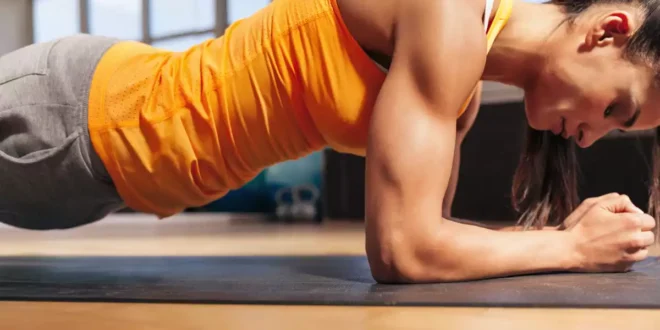
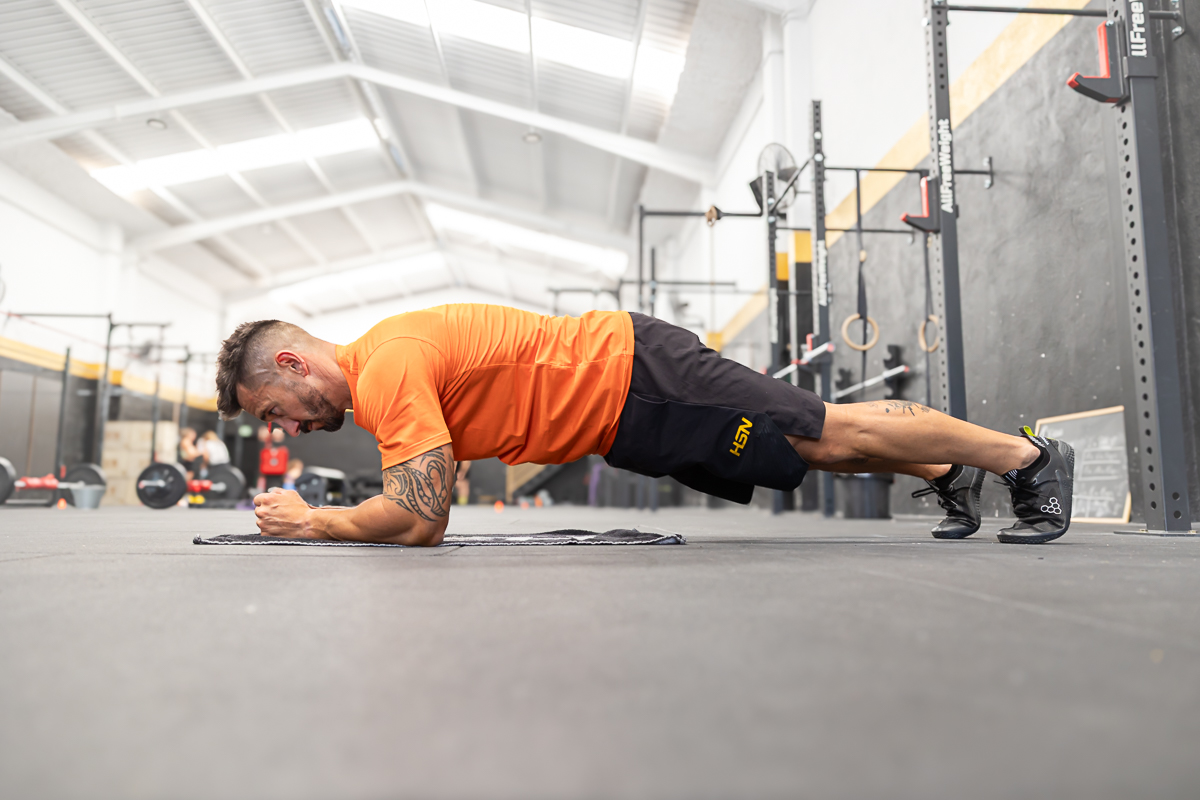
- Lie face down and support yourself on your forearms (aligned with your shoulders) and the balls of your feet.
- Lift your body to form a straight line from your heels to the crown of your head.
- Squeeze your glutes and abs as if you were bracing for a light punch to the stomach.
- Lower yourself with control and rest for 30 seconds before repeating.
? Recommended sets/reps: Perform 3–4 sets with 30-second rest intervals. Hold the position for 20–60 seconds depending on your level.
?? Breathing: Inhale through your nose and exhale through your mouth, maintaining a steady rhythm.
? Muscles worked: rectus abdominis, obliques, transverse abdominis, lower back, shoulders, and glutes.
Common Mistakes and How to Avoid Them
Practical solutions to common problems when performing this exercise:
| Mistake | How to Avoid It |
| Arching your lower back | Record yourself from the side or use a mirror to monitor your posture at all times. |
| Your glutes are too high | Try drawing your belly button toward your hips to prevent this elevation. |
| Your elbows are not aligned | Place them directly under your shoulders, not in front. |
| Holding your breath | Focus on maintaining a steady breathing rhythm. |
| Tensing your neck | Look at the floor, not forward. This prevents overloading the cervical area. |
Tips to Improve Your Performance in Isometric Planks
Small tips to refine your technique:
- Prioritize quality over time: 20 perfect seconds are worth more than 60 poorly executed ones.
- Strengthen with complementary exercises such as the bird-dog or dead bug for a stronger core.
- Rest properly and do not exceed 4 days per week — muscles need recovery.
- Progress gradually by adding 5 seconds each week or trying advanced variations.
Isometric Plank Variations for All Levels
Progressions for beginners and advanced athletes:
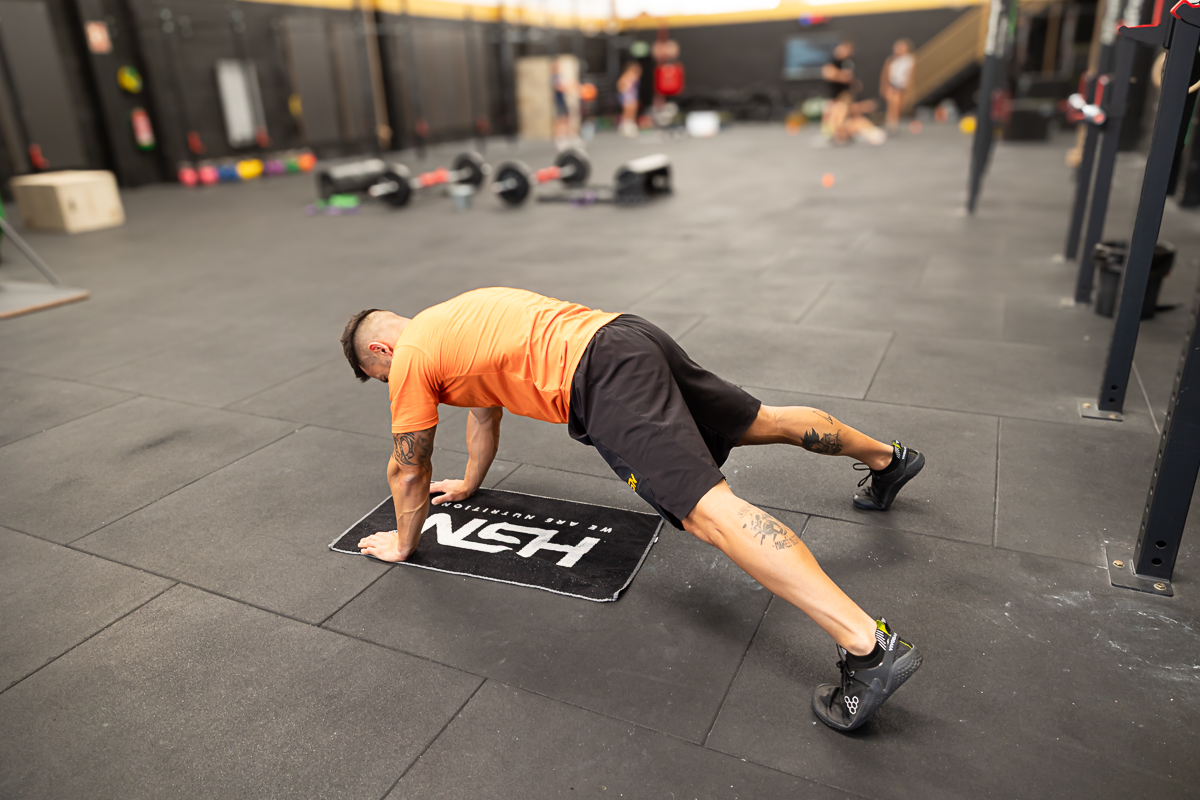
- High Plank (Straight-Arm Plank): Hold a high plank position with arms fully extended and hands under shoulders. Greater shoulder involvement and core stability.

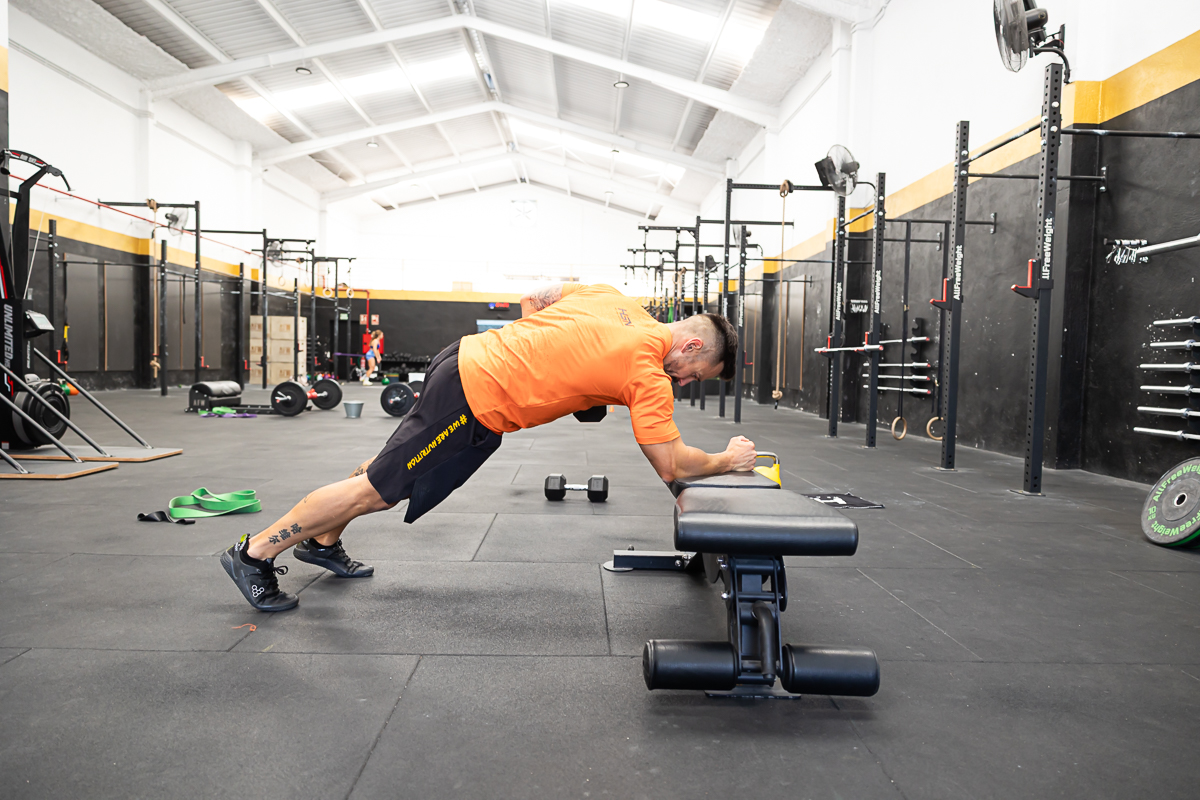
- Incline Plank: Rest your forearms on an elevated surface (e.g., bench or step). Reduces intensity by changing the body angle. Can also be performed unilaterally.

- Wide-Stance Plank: Place your feet wider than hip-width apart. Provides greater stability to focus on technique without losing balance.

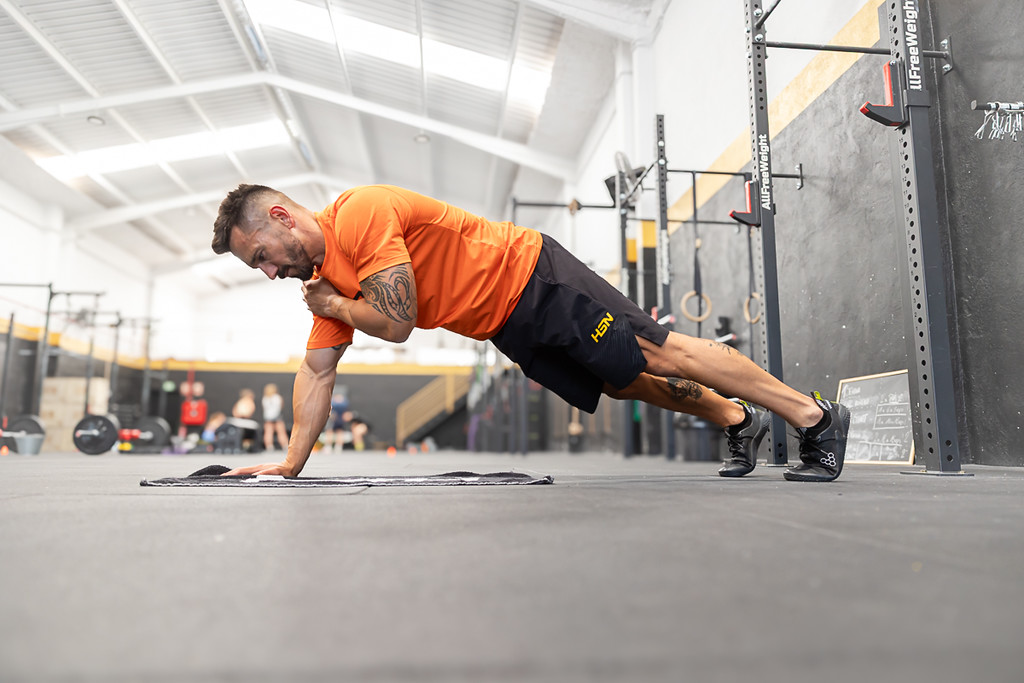
- Unilateral Plank: Support yourself on one arm while touching the opposite shoulder with the free hand. Improves anti-rotational control and core stability.

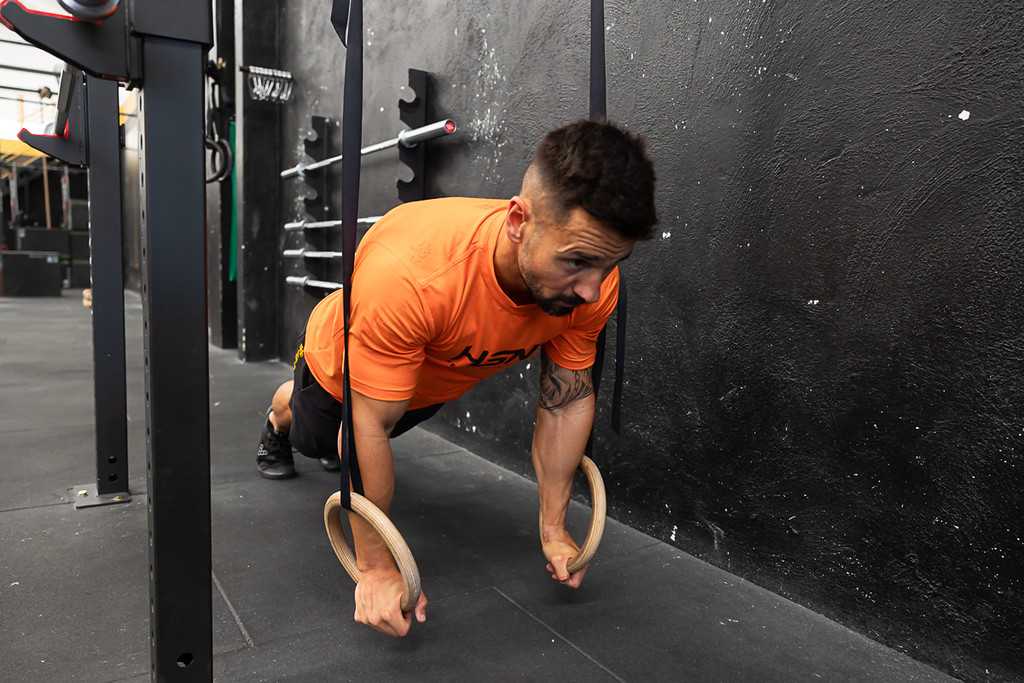
- Ring Plank: Hold a high plank position while gripping gymnastic rings. The added instability intensely activates the core, shoulders, and stabilizing muscles.

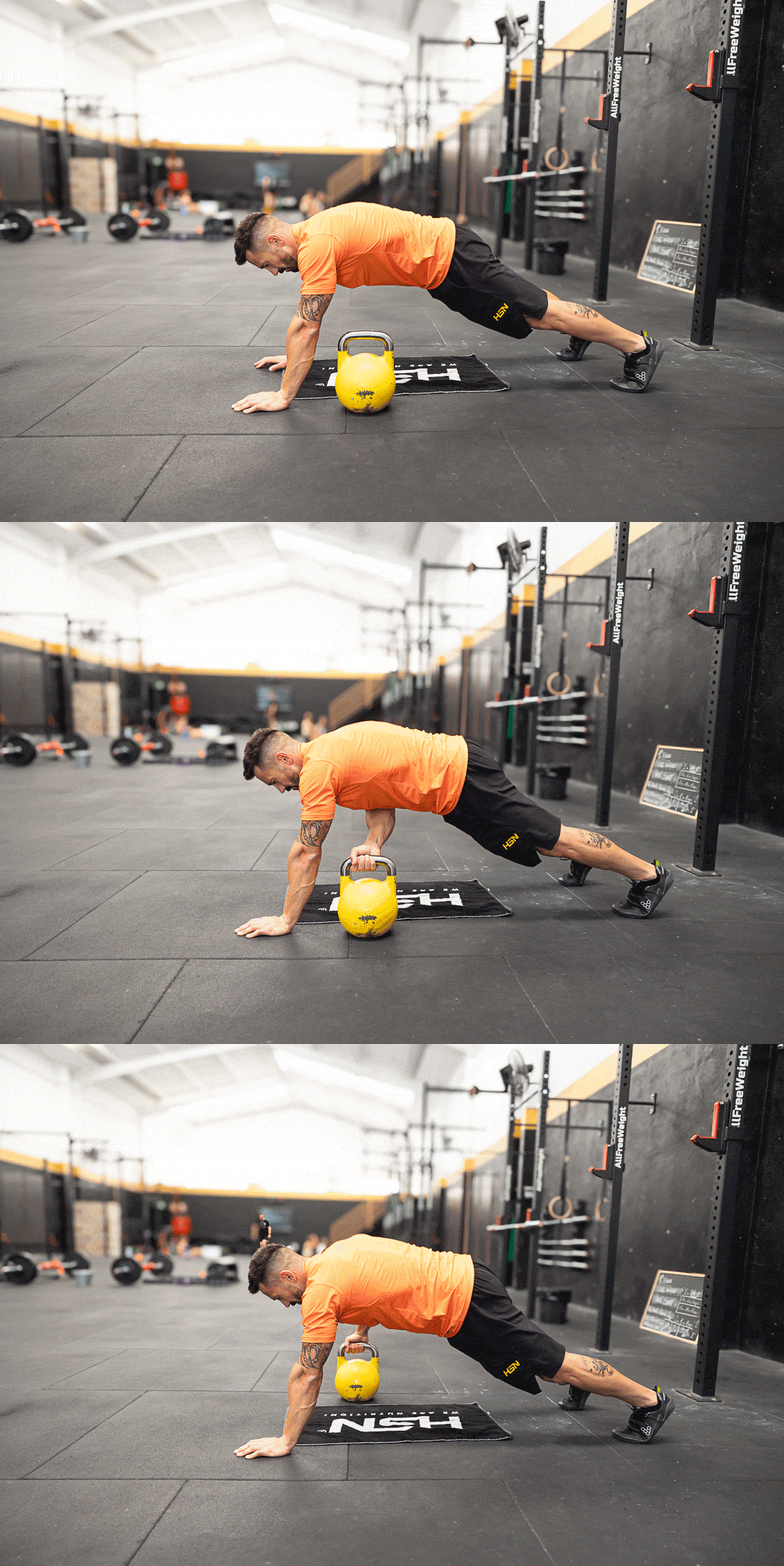
- Plank with Load Drag: Drag a kettlebell from side to side underneath your body using the opposite hand. Challenges stability and anti-rotational core control.

Related Posts
- Everything You Need to Know About the Ab Wheel
- Burpees: How to Do Them Correctly?
- Ab Exercises for Runners
—
Si quieres, puedo hacerte una versión más optimizada para SEO (con keywords como *isometric plank exercise*, *core workout*, *how to get defined abs*, etc.) o adaptarla al tono de la versión internacional de HSN.
Aquí tienes la traducción completa al inglés, manteniendo el formato HTML y el tono profesional:
—
Forget everything you thought you knew about abs. As a fitness professional, I can assure you that isometric planks are the key to a defined abdomen and a truly strong core.
This seemingly simple exercise is 90% effective when performed correctly, but most people fail due to common mistakes. In this guide, I’ll reveal the flawless technique, how to avoid the errors that slow down your results, and how to vary your planks for consistent progress, no matter your level.
Step-by-Step Guide to a Perfect Plank
Follow these steps for proper technique:

- Lie face down and support yourself on your forearms (aligned with your shoulders) and the balls of your feet.
- Lift your body to form a straight line from your heels to the crown of your head.
- Squeeze your glutes and abs as if you were bracing for a light punch to the stomach.
- Lower yourself with control and rest for 30 seconds before repeating.
? Recommended sets/reps: Perform 3–4 sets with 30-second rest intervals. Hold the position for 20–60 seconds depending on your level.
?? Breathing: Inhale through your nose and exhale through your mouth, maintaining a steady rhythm.
? Muscles worked: rectus abdominis, obliques, transverse abdominis, lower back, shoulders, and glutes.
Common Mistakes and How to Avoid Them
Practical solutions to common problems when performing this exercise:
| Mistake | How to Avoid It |
| Arching your lower back | Record yourself from the side or use a mirror to monitor your posture at all times. |
| Your glutes are too high | Try drawing your belly button toward your hips to prevent this elevation. |
| Your elbows are not aligned | Place them directly under your shoulders, not in front. |
| Holding your breath | Focus on maintaining a steady breathing rhythm. |
| Tensing your neck | Look at the floor, not forward. This prevents overloading the cervical area. |
Tips to Improve Your Performance in Isometric Planks
Small tips to refine your technique:
- Prioritize quality over time: 20 perfect seconds are worth more than 60 poorly executed ones.
- Strengthen with complementary exercises such as the bird-dog or dead bug for a stronger core.
- Rest properly and do not exceed 4 days per week — muscles need recovery.
- Progress gradually by adding 5 seconds each week or trying advanced variations.
Isometric Plank Variations for All Levels
Progressions for beginners and advanced athletes:
- High Plank (Straight-Arm Plank): Hold a high plank position with arms fully extended and hands under shoulders. Greater shoulder involvement and core stability.

- Incline Plank: Rest your forearms on an elevated surface (e.g., bench or step). Reduces intensity by changing the body angle. Can also be performed unilaterally.

- Wide-Stance Plank: Place your feet wider than hip-width apart. Provides greater stability to focus on technique without losing balance.

- Unilateral Plank: Support yourself on one arm while touching the opposite shoulder with the free hand. Improves anti-rotational control and core stability.

- Ring Plank: Hold a high plank position while gripping gymnastic rings. The added instability intensely activates the core, shoulders, and stabilizing muscles.

- Plank with Load Drag: Drag a kettlebell from side to side underneath your body using the opposite hand. Challenges stability and anti-rotational core control.

Related Posts

Fitness, Nutrition, Health and Sports Blog In the HSNstore Blog you will find tips about Fitness, sport in general, nutrition, and health – HSNstore.com