Fitness, Nutrition, Health and Sports Blog In the HSNstore Blog you will find tips about Fitness, sport in general, nutrition, and health – HSNstore.com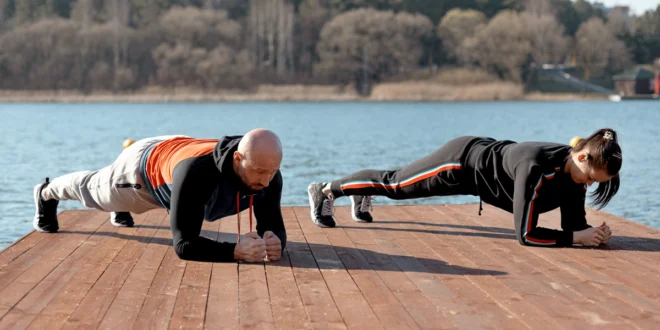

Abdominal planks are widely used exercises for strengthening the core and improving trunk stability. There are different variations that allow you to modify the difficulty and training stimulus, but they all share one fundamental principle: maintaining a stable body position and proper abdominal activation.
How do you do an abdominal plank?
To perform an abdominal plank, place your forearms and the balls of your feet on the floor, keeping your body aligned from head to heels. Engage your abs and glutes, keep your pelvis stable, and hold the position without allowing your lower back to sag or your hips to rise excessively.
- Place your forearms on the floor with your elbows positioned approximately beneath your shoulders.
- Extend your legs and support yourself on the balls of your feet.
- Align your head, torso, hips, and legs while maintaining a stable position.
- Engage your abs and glutes to control your pelvis.
- Keep your lower back in a neutral position, preventing your hips from sagging.
- Breathe in a controlled manner without losing abdominal tension.
- Hold the position for the prescribed amount of time while maintaining proper technique.
1 Traditional abdominal plank
A complete exercise that works the rectus abdominis, obliques, transverse abdominis, and back muscles.
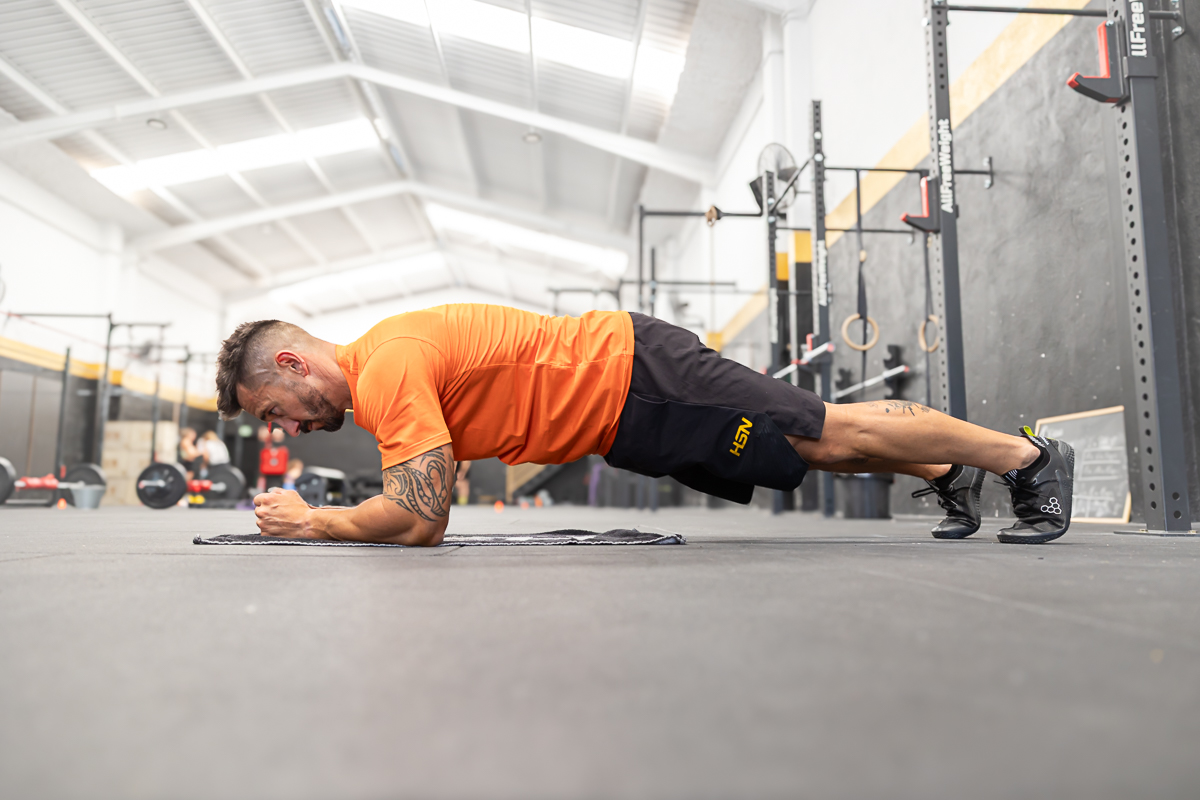
Execution: place your forearms and the balls of your feet on the floor, with your elbows aligned beneath your shoulders. Keep your body straight (avoid arching your back) and contract your glutes and abs. Hold for 20-60 seconds while breathing deeply.
Sets: 3 sets of 45-60 seconds.
Variations: raise one leg or reduce the duration for beginners.
Tip: if you feel pressure in your lower back, correct the alignment of your hips and shoulders.
2 Plank with arm raise
An exercise that works the shoulders, core, and spinal erectors.

Execution: from a traditional plank, extend one arm forward at shoulder height. Maintain your balance for 5-10 seconds and alternate arms.
Sets: 3 sets of 8 repetitions per arm.
Variations: use light weights or raise your arm out to the side.
Tip: do not hyperextend your neck; look at the floor to avoid unnecessary tension.
3 Side plank
An exercise that works the obliques, gluteus medius, and shoulders.
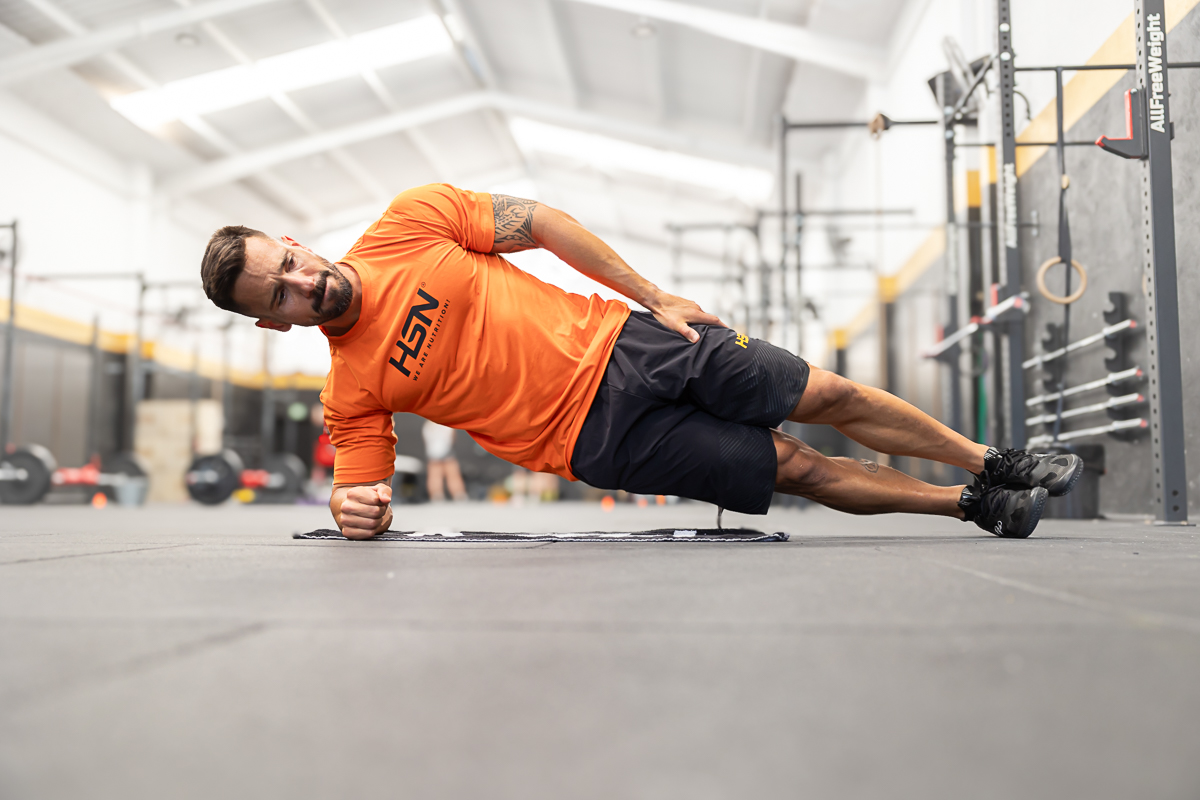
Execution: lie on your side, support yourself on your forearm, and raise your hips until your body forms a straight line. Hold for 15-30 seconds on each side.
Sets: 3 sets of 30 seconds per side.
Variations: raise your top leg or perform rotations with your free arm.
Tip: press your forearm into the floor to better engage your obliques.
4 Lateral walking plank
An exercise that works the entire core, deltoids, and pectorals.
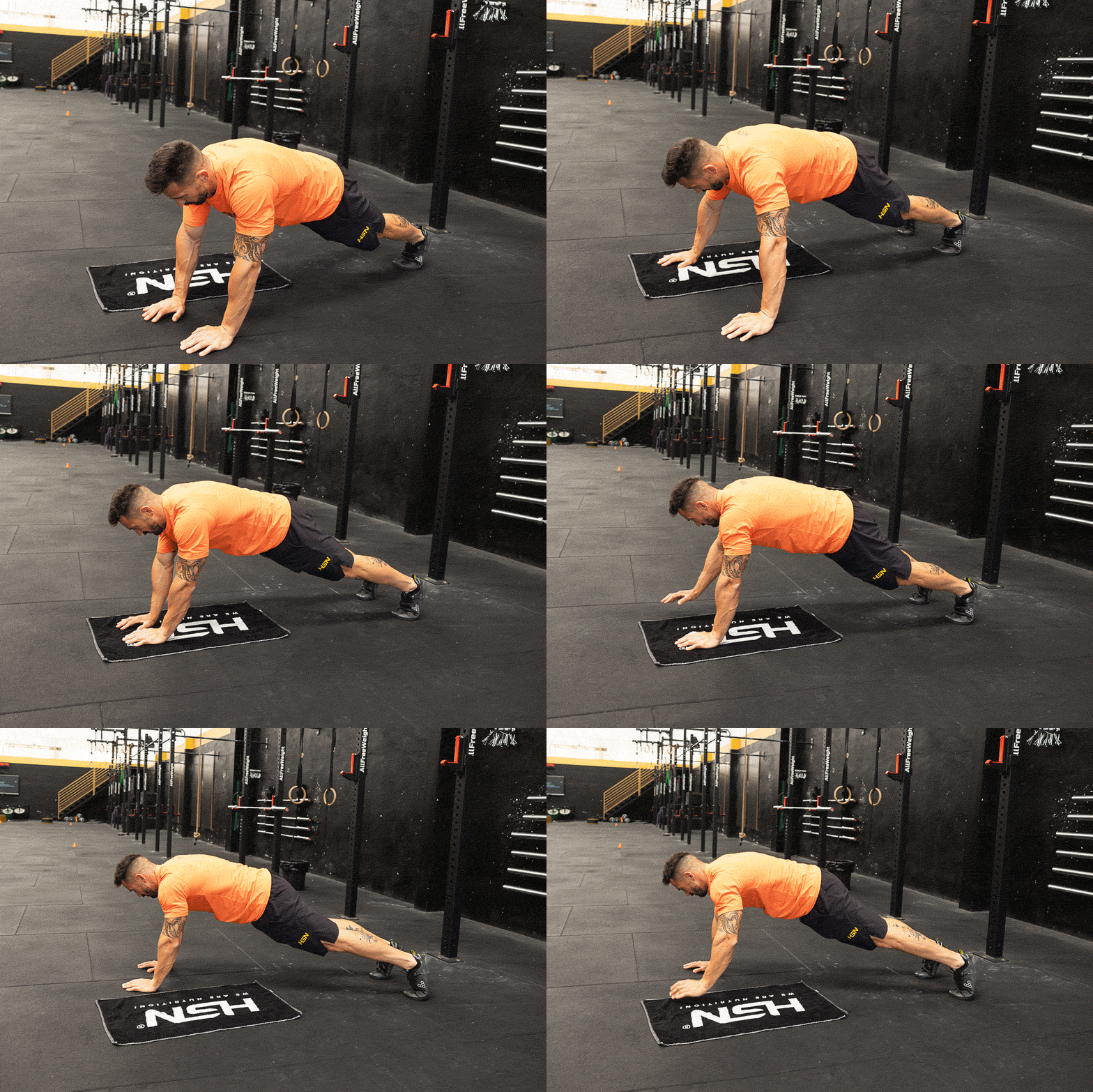
Execution: in a high plank position, move your hands and feet to one side using small steps. Perform 8-10 repetitions in each direction.
Sets: 3 sets of 10 steps per side.
Variations: add a resistance band around your ankles.
Tip: control your speed to prevent your body from swaying.
5 Plank with leg raise
An exercise that works the glutes, lower back, and transverse abdominis.
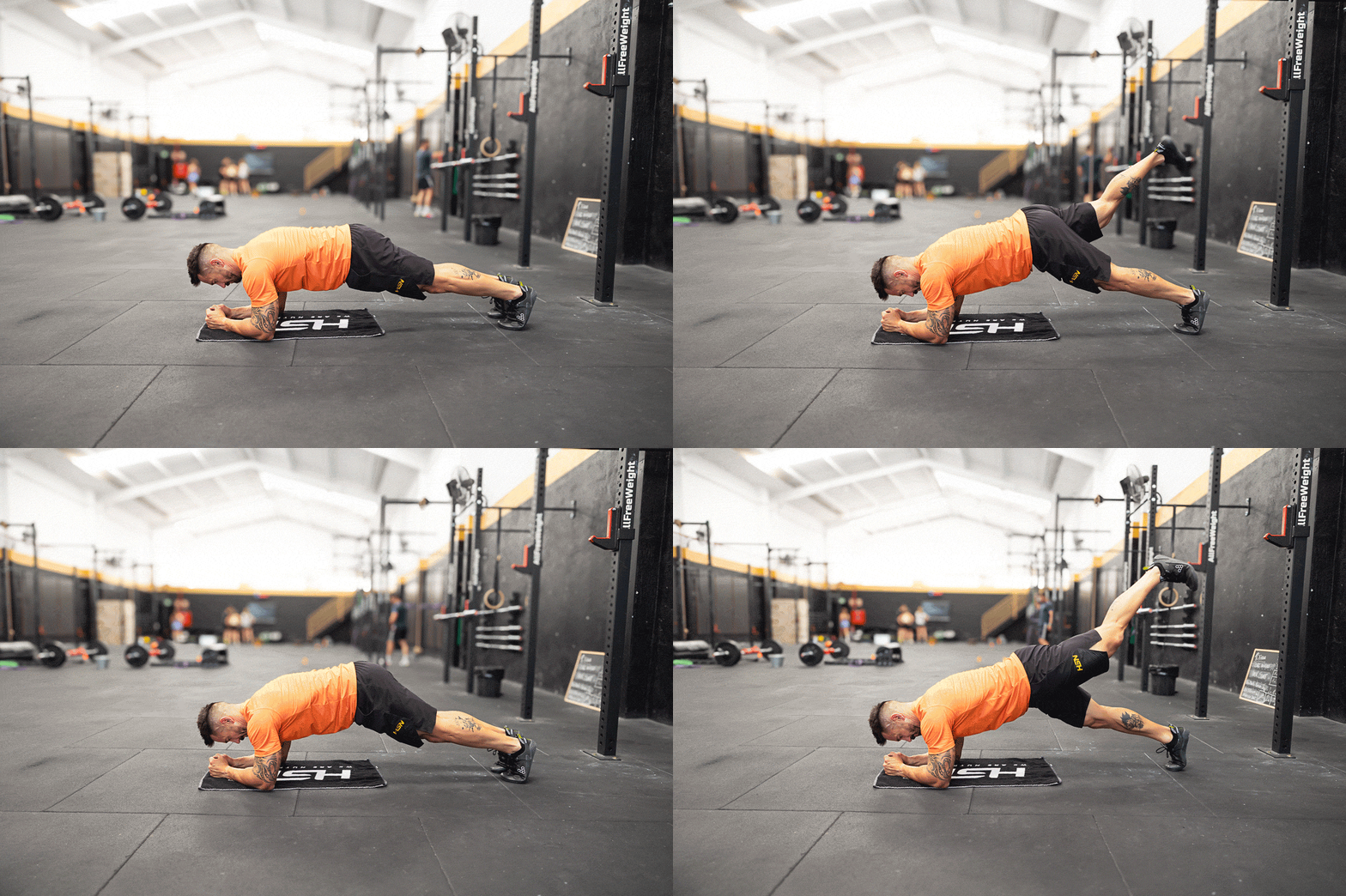
Execution: from a traditional plank, raise one straight leg to hip height. Hold for 5 seconds and alternate legs.
Sets: 3 sets of 8 repetitions per leg.
Variations: bend your knee and bring it toward your chest.
Tip: do not raise your leg beyond the range in which you can maintain proper postural control.
6 Plank with knees to elbows
An exercise that works the lower abs and hip flexors.
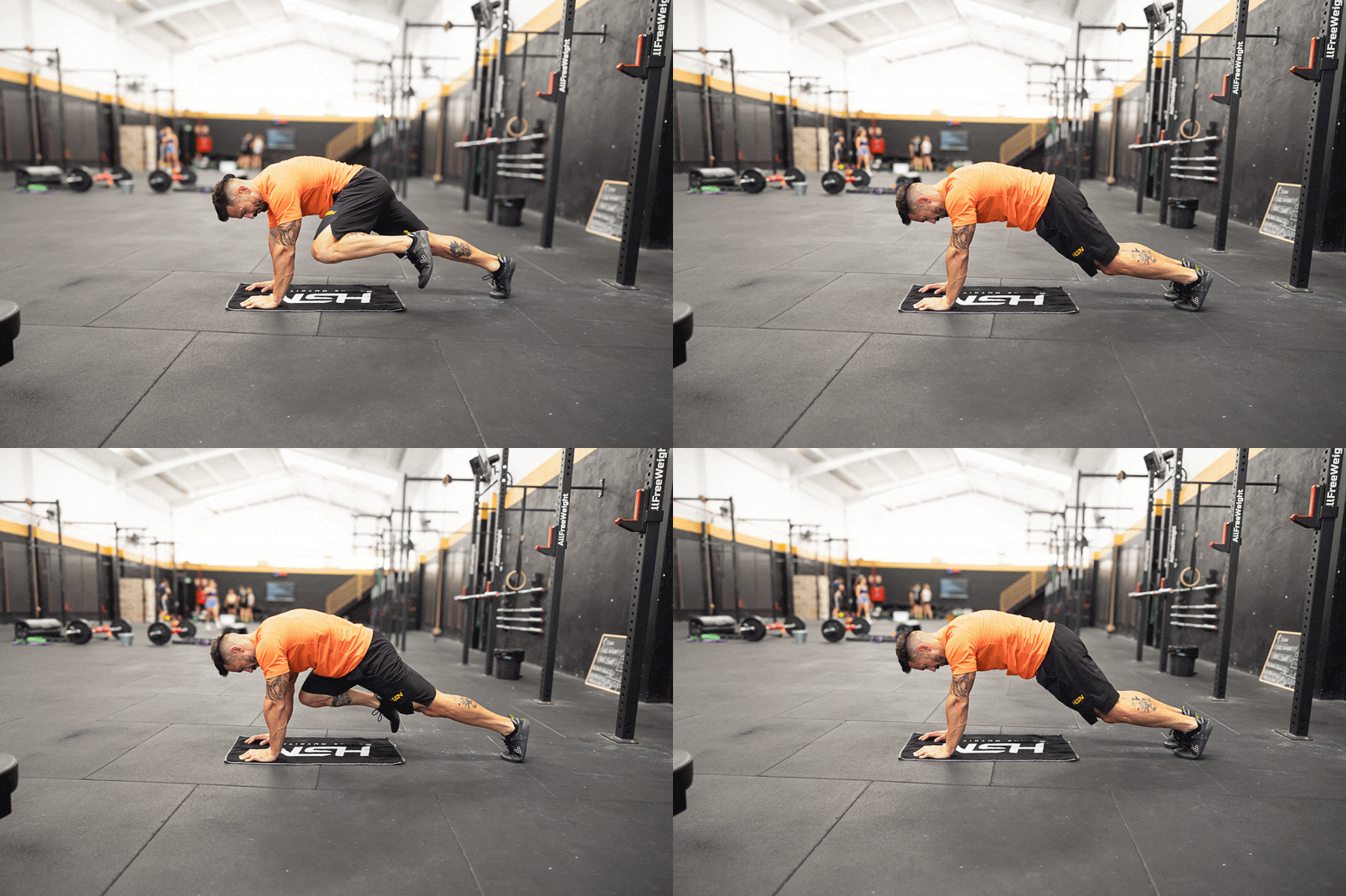
Execution: in a high plank position, bring one knee toward the opposite elbow. Alternate legs quickly for 30-45 seconds.
Sets: 3 sets of 30-45 seconds.
Variations: touch your knee to your elbow for greater intensity.
Tip: keep your core engaged to prevent side-to-side swaying.
7 Plank with alternating arm extension
An exercise that works the deep core muscles, shoulders, triceps, and overall stability.
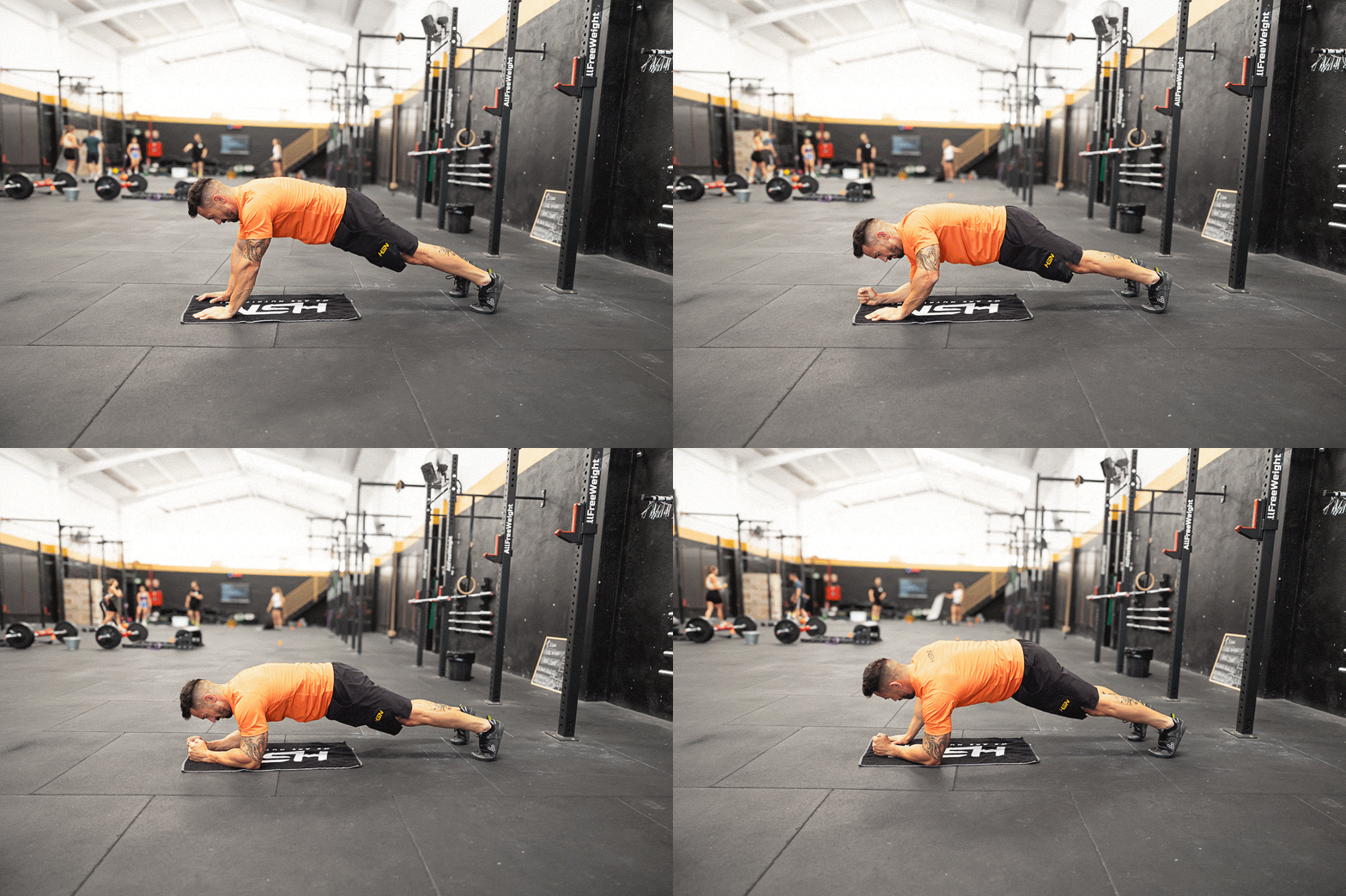
Execution: in a high plank position (with your hands beneath your shoulders), extend one arm forward in line with your body while keeping the rest of your body stable. Place your hand back on the floor and repeat with the other arm. Perform the movement in a controlled manner, alternating sides.
Sets: 3 sets of 10-12 repetitions per side or 30-45 seconds.
Variations: raise the opposite arm and leg at the same time (bird-dog plank).
Tip: keep your pelvis stable and prevent your hips from rotating as you raise your arm. Engage your abs and glutes to maintain proper alignment.
Related posts
- Front Rack Carry Technique
- Learn the Pallof Press
- The Best Core Exercises by Level
- How to Do the Overhead Carry
- Exercises to Increase Abdominal Muscle Size