Fitness, Nutrition, Health and Sports Blog In the HSNstore Blog you will find tips about Fitness, sport in general, nutrition, and health – HSNstore.com

- It can help athletes improve performance, increase strength, and build muscular endurance.
- It may contribute to creatine synthesis, regulate cellular water balance and intervene in the translation phase of protein synthesis.
- It can also reduce levels of homocysteine, a by-product of digesting meat, fish, dairy and other animal protein sources.
- The recommended dose of betaine varies according to the goal, but is generally recommended between 500-6000 mg per day, and is usually taken with folic acid, vitamin B6 and B12.
What is Betaine?
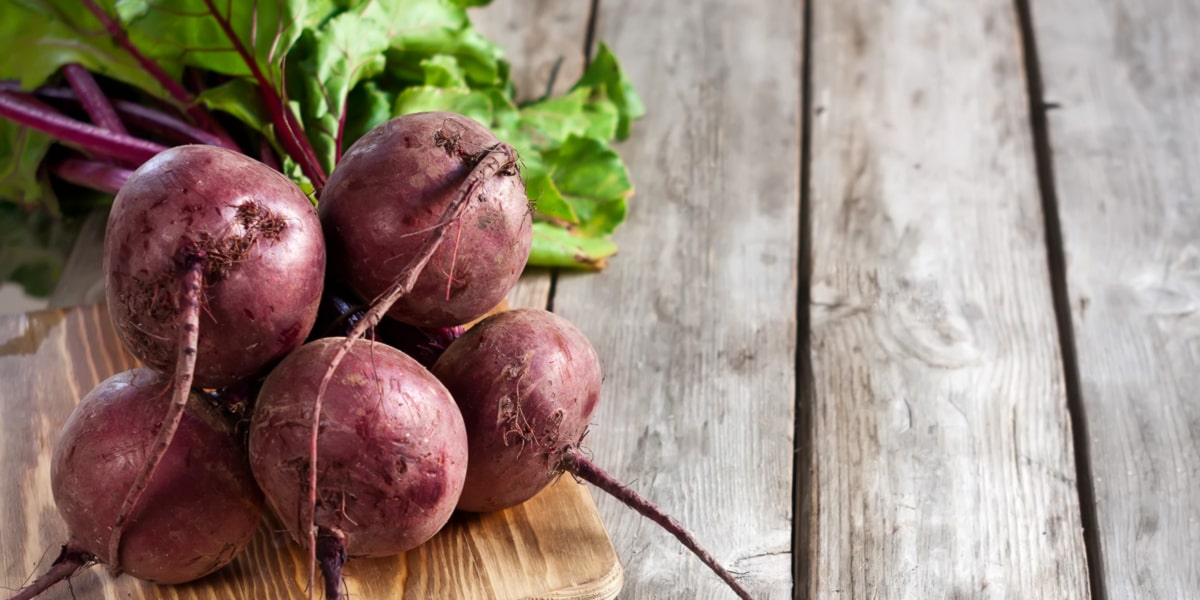
Betaine is a non-essential nutrient derived from choline. It was originally isolated from beetroot and is important for the metabolism of protein, calcium, vitamin B12 and iron.
It is a source of hydrochloric acid which breaks down fats and proteins in the stomach.
A wide variety of biochemical processes that occur in our bodies depend on this “methylation” aspect.
Betaine Properties
According to scientific studies, betaine can help athletes improve their performance, increase strength, and build muscle endurance. Its main properties are:
- It contributes to creatine synthesis, which increases muscle strength and endurance.
- It regulates cellular water balance, preserving cell structure and making them more resistant to stress.
- It is involved in the translation phase of protein synthesis, which increases gains in strength and muscle mass.
- It reduces levels of homocysteine, a by-product resulting from the digestion of meat, fish, dairy and other animal protein sources. Excess homocysteine may have negative health effects, such as heart attacks, stroke, Alzheimer’s disease, osteoporosis, or clot formation.
- Betaine deficiency is a common symptom, and although it is present in many foods, especially wheat products, betaine deficiency is due to environmental factors, inadequate diets, or metabolic disorders.

Side effects and contraindications
In healthy people, betaine rarely causes any side effects. However, a small percentage of people may experience symptoms such as diarrhoea or nausea. If doses exceeding several grams a day are taken, changes in breath and sweat may occur, which acquire a fishy odour due to methylation processes. This can be eliminated by taking 200 mg riboflavin (vitamin B2) together with betaine.
It is important to bear in mind that before starting to take betaine, especially if you have or are taking medication for heart or liver problems, you should consult a doctor. Betaine can interact with certain medications and may be dangerous for some patients.
How to take?
The betaine dose is adjusted according to the goal:
- To reduce problematic homocysteine levels and promote proper liver function, it is recommended to take at least 500 mg per day.
- For liver damage, 1000-2000 mg up to three times a day is recommended. To improve digestion, it is recommended between 500-2000 mg per day.
- To enhance athletic performance and support improved body composition, it is recommended between 1000-6000 mg per day.
Buy supplements with betaine at HSN
Related Entries
- Nitrate supplementation and the relationship with sports performance: see now.