Fitness, Nutrition, Health and Sports Blog In the HSNstore Blog you will find tips about Fitness, sport in general, nutrition, and health – HSNstore.com

We give you the best tips and advice on how to recover after an Ironman. This post-competition period is essential to our health.
What is an Ironman?
To be precise, it’s actually a Long-Distance Triathlon.
Ironman is a franchise and international brand that organises this type of test.
This is a “Full” distance triathlon event, as we triathletes tend to call it, consisting of:
- 3.8 km of swimming;
- 180 km of cycling; and
- 42,125 metres of running on foot.
The general duration for this type of event, from amateur athletes to elite level, ranges between 9.5 and 14 hours…
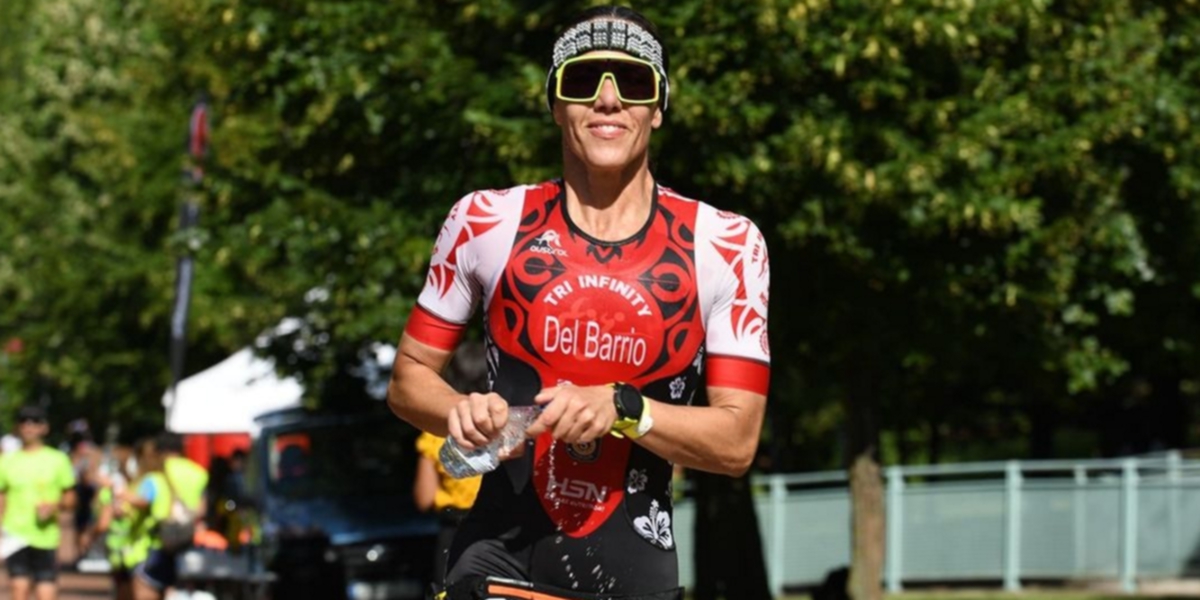
Much more than a marathon!
How do you maximise recover after an ironman?
After an average of 10-11 hours of continuous effort, there’s a lot of muscle damage, such as tissue micro-breaks caused by the impact of running on foot as well as high muscle damage and tissue destruction.
To ensure a good recovery process at the tissue, cardiac, physiological, muscular and psychological level, each of these points must be addressed and treated with special attention.
At the cardiac level
The heart has been subjected to constant and prolonged stress, meaning you’ll need to avoid subjecting it to activities involving high intensities or other stressors that alter heart rate.
At a psychological level
It is perhaps the least talked about issue, but preparing for such an event requires a strong commitment to oneself and to planning for at least 2-3 months prior to the event.
Months in which everything revolves around workouts, where the mind uses up an enormous amount of energy keeping your focus centred on the race.
As such, post-competition, we need to take the opportunity to recover psychologically and resume those activities that we stopped doing in the months prior to the event: with family, friends, recovering your social life, reading, or simply enjoying free time as we like.

After an Ironman test, you’ll have so much free time you won’t know what to do with it.
What to do at the end of the competition
Once you reach the long-awaited finish line, you should re-hydrate and warm up as soon as possible.
The body, in order to maintain its temperature after exertion, with your wet clothing after the event, will cause a drop in body temperature and thus the sensation of feeling cold.
Alongside this, hydration becomes particularly important after the high loss of mineral salts through sweat and decrease and emptying of glycogen deposits.
So, don’t forget a good post-Ironman recover drink that contains both carbohydrates and protein.
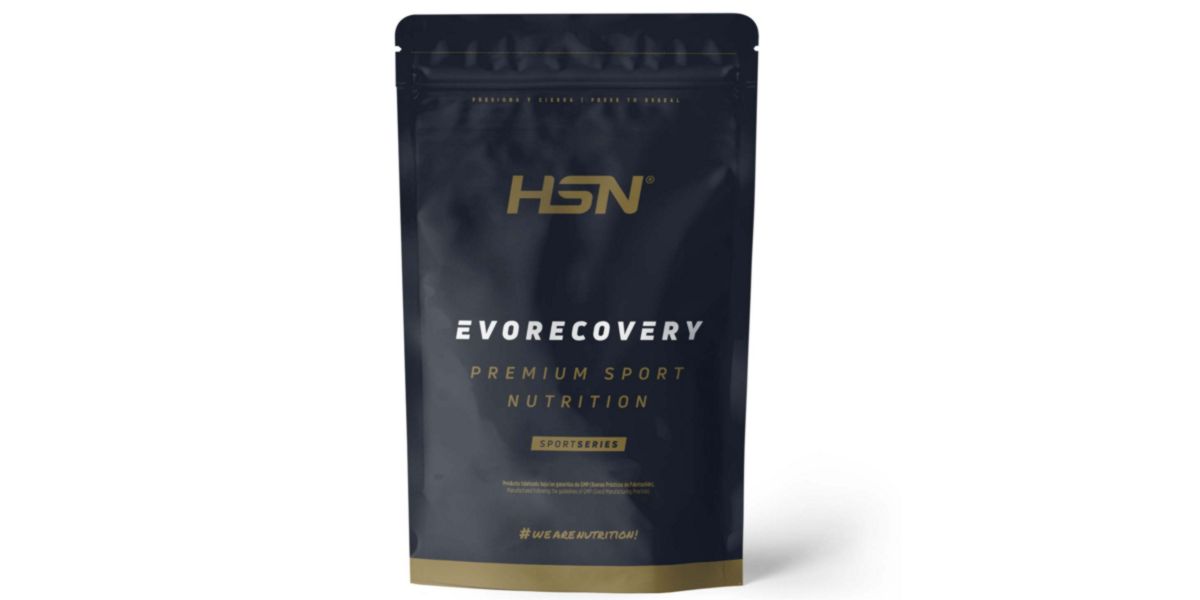
As is the case with Evorecovery by SportSeries, which will help us kick start the recovery process as soon as possible.
Nutrition
Resting in the following days together with protein and carbohydrate rich nutrition will help the rebuilding process and muscle and tissue relationship.
It’s typical to just stuff yourself with junk food, ultra-processed foods, and foods very rich in sugars…
But the stomach has suffered excessive wear and this type of food doesn’t favour a process of reconstruction and repair of tissues.
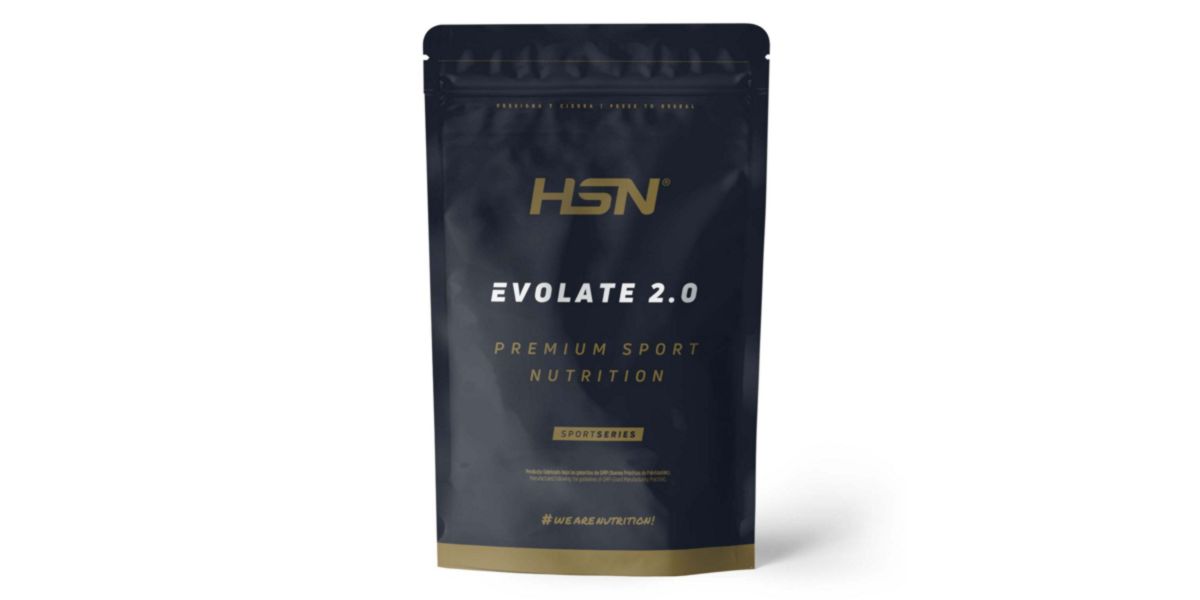
Therefore, intake of quality protein through meat, fish, eggs and/or a supplement such as protein powder is important.
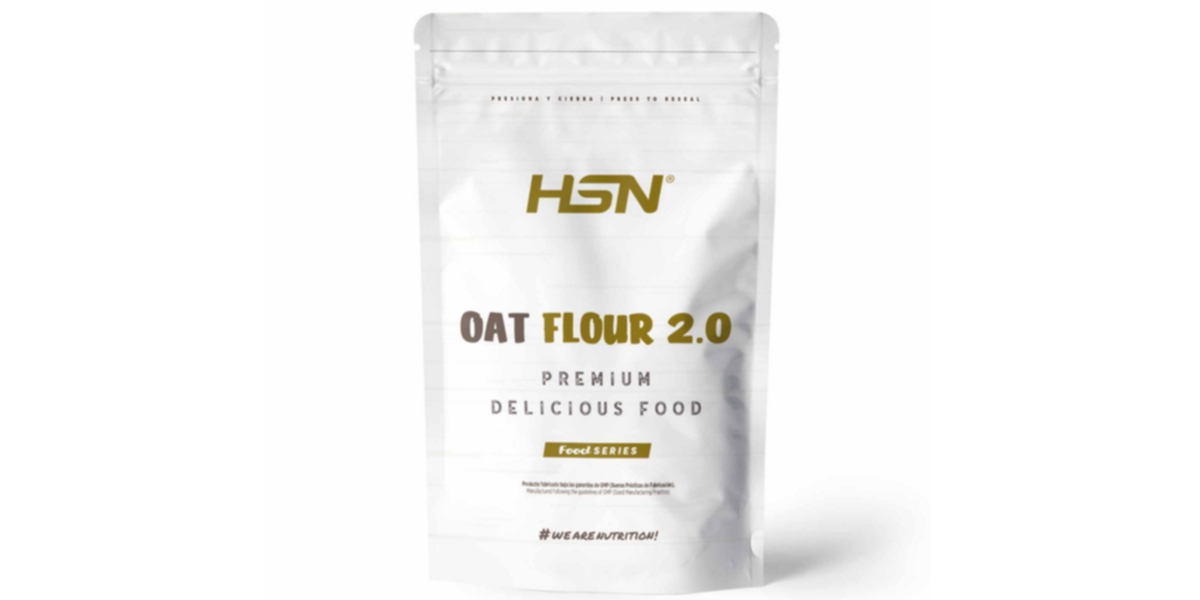
As well as carbohydrates of quality and low glycemic index, to recover the deposits of muscle and liver glycogen.
Rest
As I mentioned before, in the following weeks you should ideally aim for total rest and disconnection from the triathlon, progressively introducing low intensity physical exercise from the third or fourth day.
The days after an Ironman, it’s best to take an active break to promote blood circulation, which will aid the recovery process.
Do you have to train the next few days?
We need to move in the following days but not to train or improve performance, rather to move the body progressively and facilitate oxygenation of the blood, eliminating all toxins and waste accumulated during the event.
You should listen to your body and not demand too much of it. Give yourself time to recover to a good condition before resuming the planned workouts for your next training period.
From the fourth day, depending on how we feel, we can introduce, for example:
- Low-intensity, short-duration cardio sessions;
- Joint mobility sessions;
- Dynamic stretches.
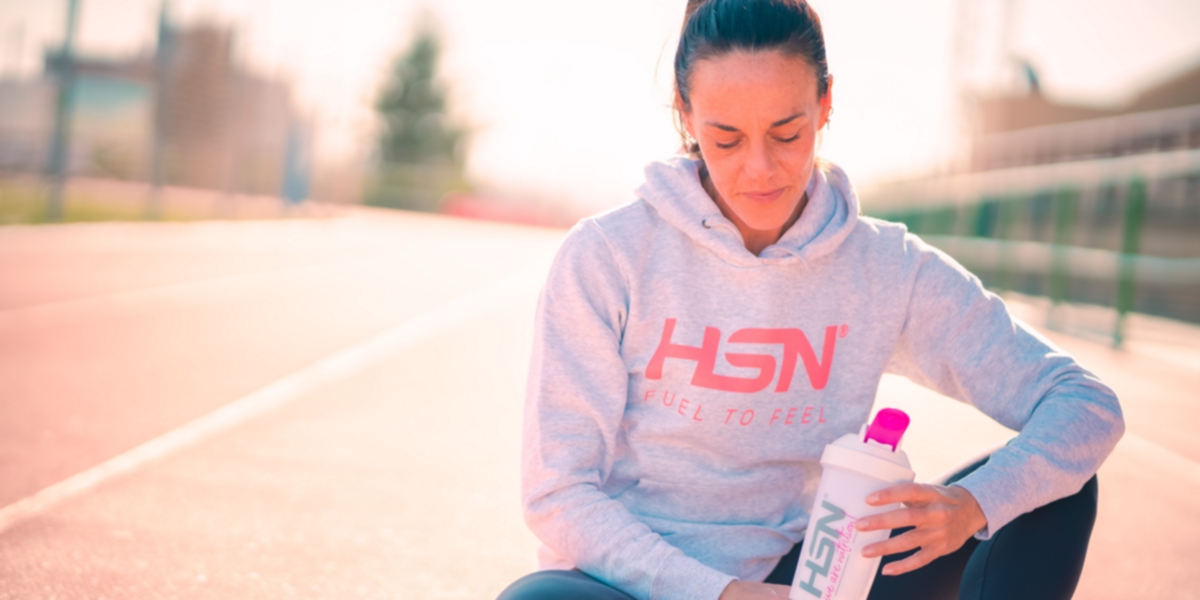
Performing other types of activities also helps the process of mental disconnection and recovery.
How should you train in the following weeks?
2 to 3 weeks after an Ironman, we should start a new training cycle following the principles of progressive overload, individualisation, specificity, supercompensation, etc.
It will be your coach who establishes the distribution of sessions, their volume, and their intensity in this new training cycle.
The 3 disciplines will begin to be introduced at a moderate intensity, including some of higher intensity, taking advantage of the principle of supercompensation (provided that the post-Ironman recover and adaptation process has been followed).
Other recommendations
In your period of rest and recovery, it’s also advisable to:
- Focus on the quality of sleep you’re getting, and try to sleep 8 hours: this period is when your muscle repairs and when muscle growth and restoration of all physiological systems occur.
- Visit the Physiotherapist: to help in the process of muscle recovery and joint mobility.
- Spend time with your partner, loved ones, friends and family: let’s not forget that we’ll have sacrificed time with our loved one to be able to train in preparation for the event.
- Take care of your nutrition and supplementation: doing an ironman shouldn’t be an excuse to eat ultra-processed, sugar-rich food for the next few days. Add creatine, protein powder and magnesium supplementation to your diet, for example, to speed up the recovery process.
Related Entries
- We give you the best tips on how to successfully finish an Ironman! Find them out at the following link.
- Triathlon supplement recommendations: go to the post.