Fitness, Nutrition, Health and Sports Blog In the HSNstore Blog you will find tips about Fitness, sport in general, nutrition, and health – HSNstore.com

Have you ever wondered what the minimum amount of training you’d need to do to stay in shape would be? Well, here’s our answer.
Is there a minimum amount of exercise required to get results?
What is Minimalist training?
Minimalist training refers to a sequence of basic exercises and a training programme that requires little time but involves several muscle groups.
Instead of exercising a single muscle group, we look for exercises where we coordinate several muscle chains

It’s a kind of training that involves less analytics and requires very little equipment.
The key is understanding how to manage the variables:
- Training Intensity and Volume.
- Training Frequency.
The minimum training amount required according to your objectives
Remember that regardless of the results we’re aiming for, we need to establish an environment that facilitates exercise adaptions:
- Rest,
- Nutrition;
- Low levels of stress;
- High levels of daily unplanned physical activity or movement.
To build muscle
Going back to the basic exercises with your own body weight is the perfect starting point. Once learned, you can master the technique and progress with variations and intensity.
To lose weight
2 days of strength training per week are required, alongside a balanced and healthy diet in which added sugars, refined flours and ultra-processed foods are all eliminated or drastically reduced, and your intake of protein-rich foods should increase too.
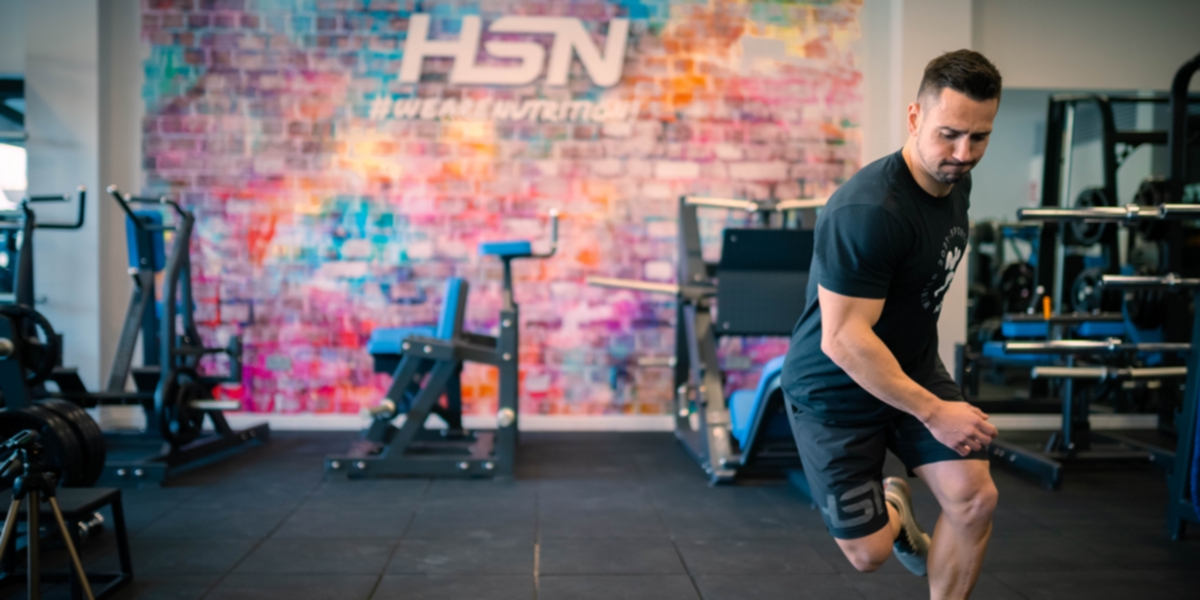
Improving body composition always depends on the starting point and health needs of the individual.
To improve aerobic fitness
Walking at a gentle pace or even using CaCo sessions are a good way to start running and developing an aerobic base, as is performing sprints or working with short intervals, looking for a high intensity followed by short recovery periods, such as with (the famous HIIT training method).
For metabolic health
Muscle is a powerful, living metabolic organ with various functions related to other organisms in our body.
How much do you need to work out to continue to reap the rewards?
Although the minimum training amount may vary from person to person, once we have a weekly routine of 3 days per week, the strength and endurance training will need to be maintained and/or improved.
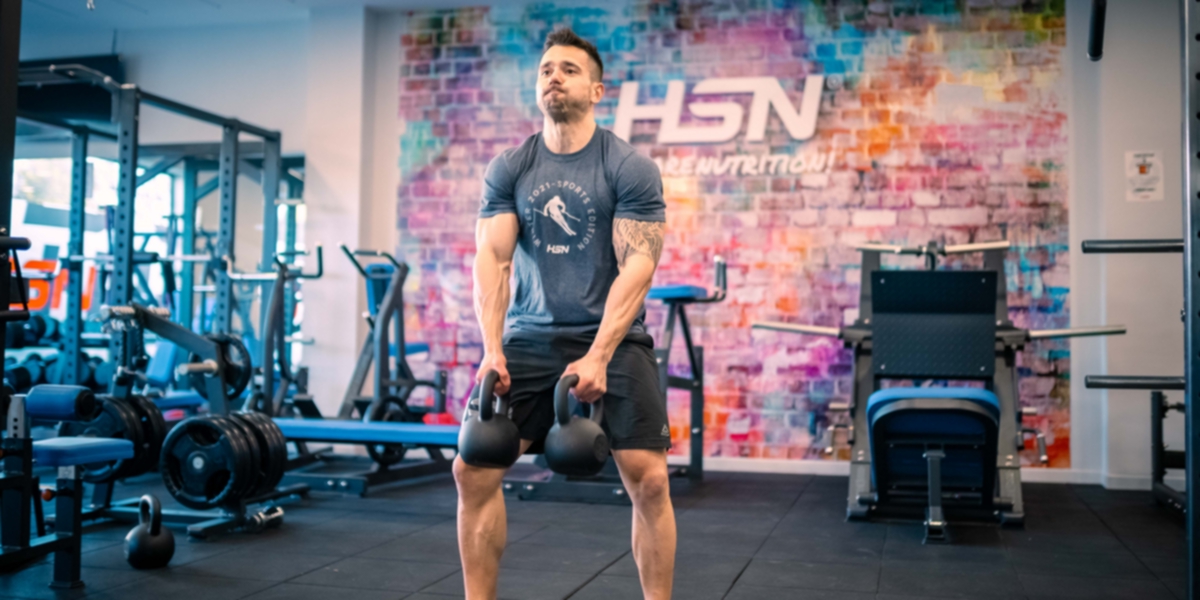
Focussing on strength, power and endurance exercises is essential.
With 2 sessions a week, of sufficient intensity, endurance performance can be maintained for up to 15 weeks; at least 1 strength session per week is necessary to maintain levels for up to 32 weeks in young people.
Misunderstandings and myths
In terms of the type and frequency of exercise (which causes a lot of confusion), the ideal routine would consist of two or three sessions a week to start with, progressing to 5-6 days a week.
The 10,000 steps a day method refers to a minimum of Physical Activity, not Physical Exercise, and has no scientific evidence. This parameter may be suitable for improved cardiovascular fitness, but it’s not at all useful for improving muscle mass and function.
Minimalist Training Routine
These are simple routines that can support progression and greater intensity ion exercises, with little equipment, simply increasing sets or introducing external loads…
Routine 1: Basic Exercise Circuit
Warm-Up: Spine, hip joints (deep squat), shoulder (back to wall arm lifts), ankle and wrists (rotations, bending and extending in different directions with the ankles) mobility.
Main Block: Perform 5 sets resting for 90″ at the end of each one.
- Squat x 10 reps. (use 60% of RM, your Repetition Maximum).
- Bench press x 10 reps. (use 60% of your RM).
- Isometric plank x 20 seconds.
- Alternate lunges x 10 reps / side.
- Inverted rows x 15 reps.
Final Part: Perform 5 sets without rest.
- 50 metre sprints.
- 1 min skipping.
Routine 2: Kettlebell Training
Part A: Power and Resistance Exercises. Perform 3 rounds with 90″ rest (1 Round = Set 1 + Set 2 + Set 3 + Set 4):
- Set 1: 30″ Snatch with right hand, rest 30″
- Set 2: 30″ Snatch with left hand, rest 30″
- Set 3: 30″ Push Press with right hand, rest 30″
- Set 4: 30″ Push Press with left hand, rest 30″
Part B: Repetition Ladder, from 12 to 1 reps.
- Alternate hand swings 1.
- Goblet Squat.
Related Entries
- Do you know about Functional Training?
- Everything you need to know about Kettlebells: enter here.