Fitness, Nutrition, Health and Sports Blog In the HSNstore Blog you will find tips about Fitness, sport in general, nutrition, and health – HSNstore.com

- Oregano oil is obtained from the oregano plant, scientifically known as Origanum vulgare, which belongs to the Lamiaceae family.
- This family also includes culinary and medicinal herbs such as mint, thyme, and basil. Oregano is native to Europe, but has naturalised in many other parts of the world, including the Mediterranean and some areas of Asia.
- Historically, oregano has been used both in cooking and traditional medicine since ancient times. The Greeks and Romans used oregano for its potent antibacterial and antiseptic properties, as well as to treat conditions such as muscle pain and digestive issues.
Over the centuries, oregano oil has been valued in various cultures for its ability to treat a wide range of health problems, from respiratory infections to digestive issues, and remains a popular remedy in alternative medicine today.
Here are some of the benefits attributed to oregano oil in traditional medicine:
- Antibacterial properties: It has been used to combat bacterial infections, including skin and respiratory infections. Carvacrol, found in oregano oil, is especially effective against certain strains of bacteria.
- Antifungal effect: It is used to treat fungal infections, such as nail fungus, athlete’s foot, and candidiasis, due to its active compounds that inhibit fungal growth.
- Antiviral activity: Some studies suggest that oregano oil may be helpful against certain viruses, including those that cause colds.
- Anti-inflammatory: It may help reduce inflammation, which is beneficial in treating conditions such as arthritis and other inflammatory issues.
- Immune system support: Oregano oil is believed to strengthen the immune system, helping the body fight off infections.
- Relief of digestive symptoms: Traditionally, it has been used to relieve digestive problems, such as indigestion and acid reflux. It may also help expel intestinal parasites.
- Respiratory health: It is used in treatments for respiratory conditions like nasal congestion, throat infections, and colds, thanks to its expectorant properties.
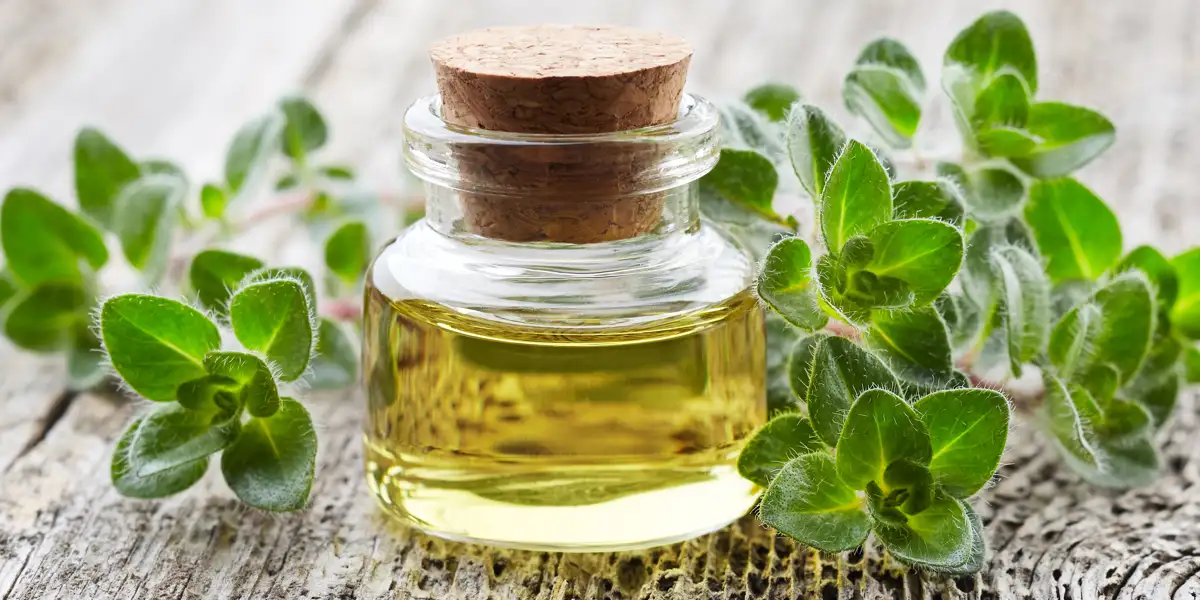
Main Uses of Oregano Oil
Oregano oil is rich in phenolic compounds and terpenes that contribute to its various medicinal properties. Key components include carvacrol and thymol.
Carvacrol is a phenolic monoterpene mainly found in the essential oils of various aromatic and medicinal plants, including oregano (Origanum vulgare). Thymol is another key component of oregano oil, along with carvacrol, and is responsible for many of its medicinal properties. Like carvacrol, thymol offers potential for the following functionalities:
- Antibacterial: It is effective against a wide range of pathogenic bacteria, including those that can cause gastrointestinal and respiratory infections. It interferes with bacterial cell membranes, leading to their death or inhibiting their growth.
- Antifungal: It has the ability to combat various types of fungi, including those causing skin and nail infections.
- Antiviral: While research is less extensive, some studies suggest that carvacrol may inhibit the replication of certain viruses.
- Anti-inflammatory: It can reduce inflammation by inhibiting the production of certain pro-inflammatory substances in the body.
- Antioxidant: It also has antioxidant properties, helping to neutralise free radicals that can cause cellular damage and diseases.
- Preservative: Due to its antibacterial and antifungal properties, thymol is also used as a natural preservative in the food industry.
Since oregano oil is a rich source of both compounds, it is often used to take advantage of the aforementioned benefits. It can be used in various ways, including:
- Bacterial and fungal infections: Applied topically to treat skin infections or ingested to combat internal infections.
- Respiratory problems: Inhaled or taken internally to relieve symptoms of respiratory conditions such as congestion, respiratory tract infections, and colds.
- Digestive health: Taken internally to help relieve digestive issues and as part of a treatment for intestinal parasites.
- Aromatherapy: Inhaled for respiratory and relaxation benefits.
Other active components of oregano oil that can be found are:
- P-cymene: This is a precursor to other chemical compounds and contributes to the anti-inflammatory and antifungal properties of the oil.
- Terpinene: A type of monoterpene with antioxidant properties that may also contribute to the oil’s antifungal activities.
- Linalool: A monoterpene alcohol with anti-inflammatory and sedative properties, helping to reduce stress and anxiety.
- Beta-caryophyllene: A sesquiterpene found in many essential oils that has anti-inflammatory properties.
These components are responsible for the various benefits of oregano oil and contribute to its potent activity against a variety of pathogens and health problems. Since oregano oil is highly concentrated, it should be handled carefully and is usually recommended to be diluted with a carrier oil before applying it topically or consuming it.

How to Take Oregano Oil?
Oregano oil is a versatile product, but it’s important to use it correctly to avoid potential side effects. Here are some guidelines on how to take oregano oil safely and effectively:
1. Always dilute it
Oregano oil should always be diluted before use, whether for topical application or internal consumption. For internal use, you can dilute a few drops of oregano oil in a glass of water or mix it with a carrier oil like olive or coconut oil before ingesting it.
2. Internal use
- Dosage: The recommended amount varies, but it is generally suggested to start with small doses, such as 1-2 drops, three times a day, and observe how your body reacts.
- With food: To help minimise gastrointestinal irritation that pure oregano oil can cause, it’s best taken with meals or mixed in a liquid.
3. External use
- Topical application: For skin issues like fungal infections or acne, dilute oregano oil with a carrier oil (such as jojoba, almond, or olive oil) in a ratio of 1 part oregano oil to 3 parts carrier oil and apply directly to the affected area.
- Inhalation: For respiratory problems, you can add a few drops of oregano oil to a bowl of hot water and inhale the steam to help clear the airways.
4. In capsules
For those who prefer to avoid the strong taste of oregano oil, it is also available in capsules, which may be easier to take and less likely to cause irritation.
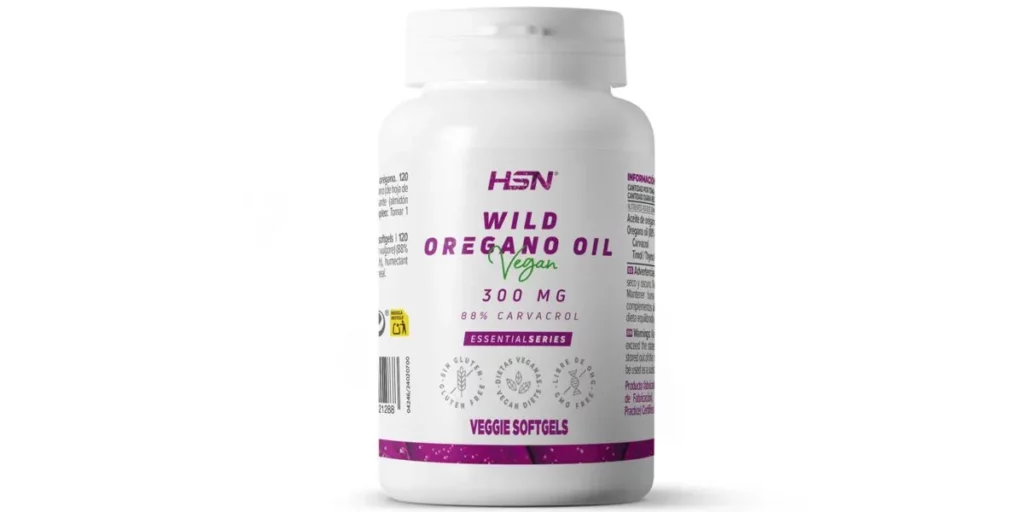
We recommend purchasing a product made from Origanum vulgare leaves, as this is where the highest concentration of its most important active compounds (carvacrol and thymol) is found, such as the one we present here, in highly concentrated vegetable softgels:
Does Oregano Oil Have Side Effects?
If you are pregnant or breastfeeding, have pre-existing health issues, or are taking medications, it is crucial to consult a doctor before starting to use oregano oil.
Among the side effects, when applied topically it can cause irritation if used directly on the skin, or if ingested in large amounts it can cause gastrointestinal irritation and allergic reactions in some people. If you experience discomfort, reduce the dose or stop using it.
It is always recommended to dilute it with a carrier oil (if you are applying it externally) and to consult a healthcare professional before starting any treatment with oregano oil, especially if you have pre-existing conditions or are taking medication.
Conclusions
If you decide to start using oregano oil, remember to do so responsibly, paying attention to how your body reacts, adjusting the dosage as necessary, and always under the guidance of a healthcare professional.
Sources
- Nayely Leyva-López, Erick P Gutiérrez-Grijalva, Gabriela Vazquez-Olivo, J Basilio Heredia. Essential Oils of Oregano: Biological Activity beyond Their Antimicrobial Properties. DOI: 10.3390/molecules22060989
Related Posts
- Discover Caprylic Acid for Treating Candidiasis
- Natural Supplements to Boost Female Desire
- Natural Products for Increased Male Sexual Potency