Fitness, Nutrition, Health and Sports Blog In the HSNstore Blog you will find tips about Fitness, sport in general, nutrition, and health – HSNstore.com

Although people often choose to eliminate fat-containing foods, this product, being such a healthy option, may be the exception to the rule. Ghee is primarily used in India and is highly valued both for its health benefits and medicinal properties.
What is Ghee?
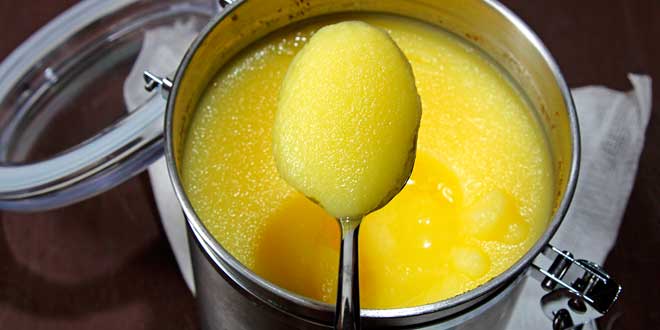
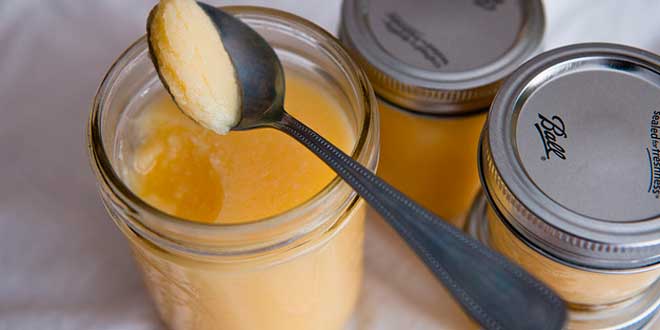
Ghee or clarified butter, is produced by removing the protein from butter.
It’s melted in a pot and stripped of its foam in the boiling process. The rest of the butter is processed and then preserved. After this treatment, and the removal of its protein, the butter can be preserved for longer and is much easier to digest, full of saturated fats and medicinal properties.
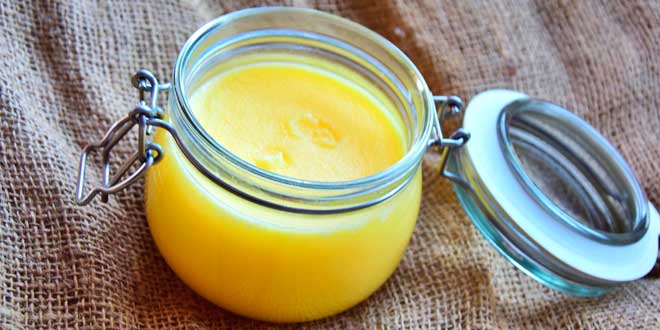
Its properties include being suitable for suitable for lactose intolerance people
Ghee for People with Lactose Intolerance
Because the milk is separated from the fat during the production of ghee, we obtain a lactose-free butter, making it a great option for people with allergies or sensitivities to dairy products.
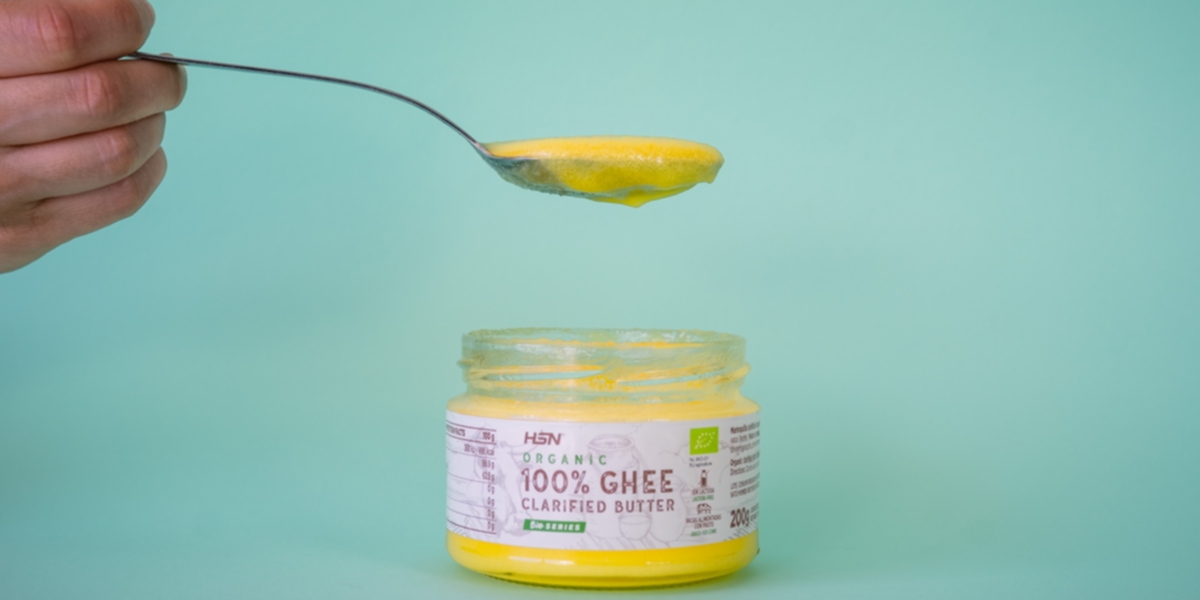
This is one of the main reasons why Ghee is better than conventional butter
What’s Ghee for?
It’s often used to add nutritional value to different dishes, to accompany vegetables, and also to fry food or to replace traditional oil. In some places in India, it’s also used to make different types of bread and prepare popcorn or sorghum.
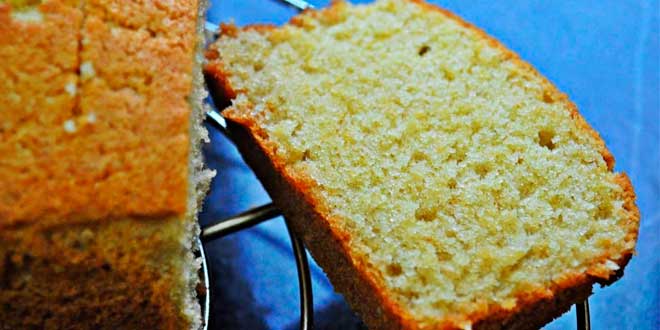
It’s an alternative to conventional butter, and can be enjoyed in numerous recipes
Properties of Ghee
Its properties are mainly associated with the prevention of cancer and heart disease, as it has important monounsaturated oils that don’t increase cholesterol.
It also contains antioxidants (free radical scavengers), and minerals such as calcium and vitamins A, D, E and K.
Nutritional Value of Ghee
In 100g of ghee you’ll find:
- Total fat: 99.5g (153% DV)
- Saturated fat: 61.9 g (310% DV)
- Monosaturated fat: 28.7 g
- Polyunsaturated fat: 3.7 g
- Trans fat: 4 g
- Omega 3: 1447 mg
- Omega 6: 2247 mg
- Cholesterol: 256 mg (85%DV)
Benefits of Ghee
- It stimulates the mind and strengthens the brain with its revitalising virtues.
- It improves lung, liver and immune system function.
- It helps with digestion, the treatment of digestive disorders and the correct assimilation of food.
- It contains unsaturated fatty acids, healthy for the cardiovascular system.
- It’s a great purifier of the liver, bile ducts and intestines.
- It’s useful during the detoxification process for anaemia and blood disorders.
- It’s a natural antioxidant.
- It lubricate all joints.
Using ghee to cook
One of the most important characteristics is its high smoke point, which makes it great to use in the kitchen as it withstands high cooking temperatures, without modifying its molecular structure, and reduces the production of toxins such as acrylamide when heated compared to other oils.

The fats contained in Ghee help improve metabolism and maintain the cellular structure of the membranes. They also allow the body to absorb nutrients and stimulate the proper functioning of the immune system.
External use of Ghee
It helps in the treatment of a wide range of ailments and conditions and provides great benefits for the skin to keep it healthy.Its main properties include:
- Nourishing and rejuvenating the skin.
- Acting as a good sunscreen and for treating sunburn.
- Healing wounds.
- Moisturising the skin.
- Acting as a good eye lubricant and vision enhancer. It can be applied to your eyes daily with your fingertips.
- It’s used to treat eczema, rashes.
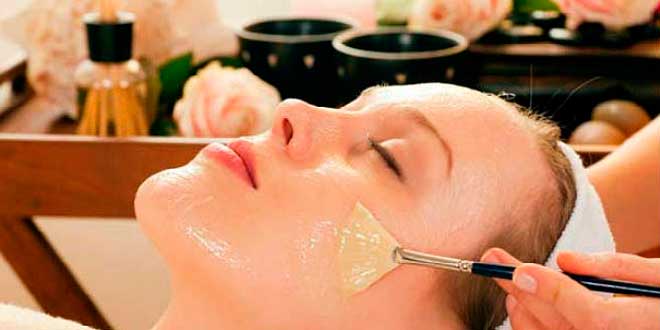
Ghee is also known as “liquid gold”, and that’s because its therapeutic properties include not only its internal absorption but its external application on the skin too
Tips when using Ghee
One of the main keys to making the most of the benefits of ghee is to lose that fear of ingesting fat,
Eating saturated fats has often been associated with increased risk of coronary heart disease, cholesterol and diabetes, but thanks to research, that mindset is finally changing.
The important thing is to consume healthy sources, for example, from grass-fed cows, which usually contain a higher CLA content.
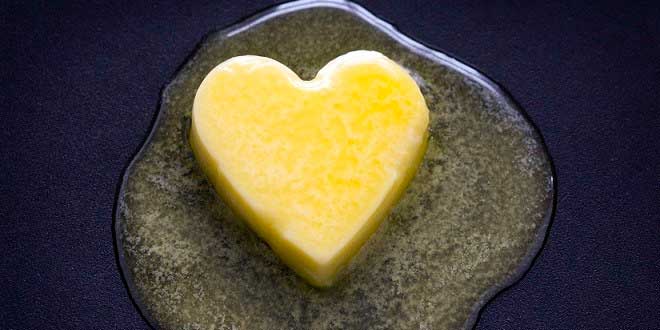
Although clarified butter is all fat, it’s important to remember that fats also have some properties that are essential for health, and even for weight loss
How do you make Ghee?
What do we need?
- 1 portion of butter, organic if possible. The amount will vary between 250-1kg, depending on our needs.
- 1 medium saucepan
- 1 wooden spoon
- 1 strainer or fine mesh
- 1 jar with an airtight stopper
How to make it
- Put the butter in a saucepan over a medium-high heat
- Wait for it to boil, and then reduce to a low heat.
- The butter will form a white foam on the surface that will disappear after a while. Stir with the spoon.
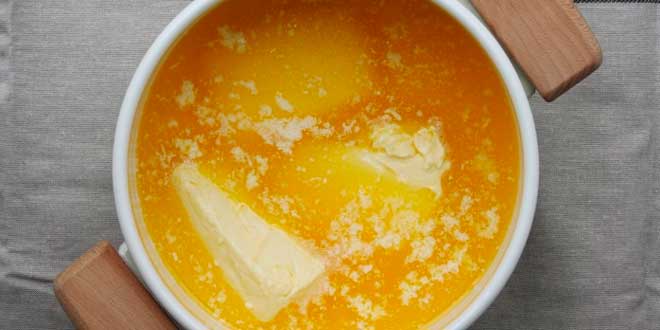
- You’ll get your ghee when a second foam forms again on the butter, and it turns golden brown. Stir it with a spoon again.
- The brown milk solids will remain at the bottom of the pan.
- Pour and strain it using the mesh into a heat-resistant container. Allow to stand for a few minutes.
Where and how do you store it?
- Store it in a jar
- You don’t need to keep it in the fridge. You can keep it at room temperature
- If you want to use it as a spread, however, it’s best to store it in the fridge.
Related Entries
- What's the best cooking oil?
- Olive oil as an ally for athletes
- Coconut Oil Recipes