Fitness, Nutrition, Health and Sports Blog In the HSNstore Blog you will find tips about Fitness, sport in general, nutrition, and health – HSNstore.com

Is kelp a trend or a true superfood? Many people wonder whether this seaweed deserves a place in their pantry.
Kelp, also known as laminaria or algivit, is a seaweed rich in vitamins and minerals that provides natural iodine, B vitamins, calcium, fibre and antioxidants.
At HSN, we explain in a clear and practical way what it is, what benefits are attributed to it, how to consume it and what precautions to consider. Keep reading and find out whether kelp can be an ally for your well-being.
Source of essential minerals
Kelp provides a unique combination of iodine, calcium, magnesium, potassium, iron, zinc, manganese, phosphorus, copper and silicon, among others. These minerals are essential for maintaining the health of bones, muscles, teeth, blood and the nervous system, and act as catalysts in multiple reactions in the body, including hormone production.
1 Iodine in thyroid function
The iodine in kelp is necessary for the proper functioning of the thyroid gland, which regulates metabolism, energy expenditure and mood. Moderate consumption may help prevent iodine deficiencies that cause fatigue, weight gain or dry skin, especially in people with mild hypothyroidism. Iodine also contributes to nervous system balance and supports hair and skin health. 
2 Rich in antioxidant vitamins
Kelp stands out for its abundance of vitamins A, C, D, E, K and B-complex vitamins. This combination helps protect cells from oxidative damage, fighting free radicals that accelerate cellular ageing.
As a result, its consumption may contribute to:
- Strengthening the immune system.
- Protecting the skin against oxidative stress and the appearance of spots.
- Supporting tissue regeneration and maintaining firm, radiant skin.

3 Source of natural fibre to improve digestion
Alginate, a type of fibre found in kelp, helps regulate intestinal transit and prevent constipation. It contributes to eliminating toxins and waste from the body, promoting better digestion and a feeling of lightness.
This fibre may also reduce fat absorption in the intestine, making kelp a natural ally in weight management diets.
4 Low glycaemic index and high-quality plant proteins
Although it contains more carbohydrates than protein, the carbohydrates in kelp have a low glycaemic index, which helps avoid blood sugar spikes. Its small proportion of protein is plant-based and of high biological value, rich in essential amino acids, making it interesting for those following a vegetarian or vegan diet. 
5 Diuretic and detoxifying properties
The high water content of kelp makes it a natural diuretic, similar to foods such as pineapple or artichoke. It helps support proper kidney function, promoting fluid elimination and detoxification of the body.
Therefore, it may be useful in cases of fluid retention, irritated bladder or mild inflammation.
6 Contributes to cholesterol control and cardiovascular health
Kelp helps reduce cholesterol levels, as it partially blocks the absorption of bile acids in the intestine. At the same time, its antioxidants and fibre support the cleansing of the arteries, helping to maintain good cardiovascular health.
7 Supports metabolism and helps control weight
Regular and moderate consumption of kelp may help stimulate metabolism, thanks to its iodine and regulating mineral content. The alginate it contains helps reduce fat absorption by up to 75%, according to some studies, making it a natural support for weight loss.
It is low in calories and fat, making it ideal for inclusion in balanced eating plans.
8 Benefits for women
Kelp is an excellent complement for women at different stages of life:
- During menstruation, due to its iron and potassium content.
- During pregnancy and postpartum, thanks to its calcium and folic acid content, essential for fetal development.
- During menopause, it helps compensate for the loss of bone density thanks to its high calcium and magnesium content.
9 Skin care and regeneration
Kelp not only nourishes from within but also improves skin health. Its minerals (calcium, magnesium, fluoride) and antioxidant vitamins (A, C, E) promote cell regeneration, helping to maintain skin elasticity and firmness.
It is also used in masks and natural cosmetics to combat acne, blackheads and signs of ageing.
10 Overall well-being support
Thanks to its nutritional density, kelp may help improve conditions associated with micronutrient deficiencies, such as:
- Fatigue and stress.
- Brittle nails and hair loss.
- Cramps, rheumatism or arthritis.
- Mild anaemia.
- Dry or dull skin.
How to integrate Kelp supplements into your routine?
Kelp supplements available on the market are mainly composed of two types of species of these marine algae:
- Laminaria digitata
- Ascophyllum nodosum
The latter species is a genus of algae with a notable percentage of alginic acid (20–26%), in addition to the iodine already mentioned at around 1200 mg per kg of dried algae. The way to take kelp depends on the supplement format you choose:
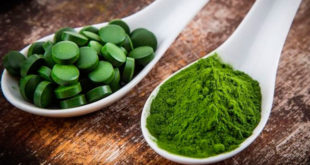
- If you choose it in powder form, you can use it as a substitute for common salt by sprinkling it over meals.
- In capsules, take one tablet with breakfast and another with your main meal.
- If consumed fresh, you can add it to salads, smoothies and sauces (its flavour is salty and intense).
? The recommended daily dose, according to research, is 4,600 mg of Ascophyllum nodosum.
In HSN’s extensive supplement catalogue, you can find the best Kelp supplements, consisting of concentrated formulas in their natural state (calcium, iodine and sodium).
What side effects does it have?
Do not make the mistake of thinking that natural substances cannot cause side effects, although in many cases these result from improper intake.
- Excess iodine can lead to thyroid imbalance.
- Iodine overdose can increase acne.
- If these algae are harvested in contaminated areas, they may contain arsenic toxicity, a substance that can be lethal when consumed in excessive amounts. Hence the importance of purchasing them from a trusted brand.
- Make sure you are not allergic to any of its components before starting supplementation. If you notice any allergic reaction, stop taking it immediately.
- Algivit has anticoagulant properties and should not be taken in combination with aspirin or any other medication intended to lower blood pressure.
Kelp seaweed brings the best of the sea to your table—don’t miss out!
Related Posts
- We explain the importance of iodine.
- Iodine-rich foods to support your metabolism
- Recommendations to improve symptoms