Fitness, Nutrition, Health and Sports Blog In the HSNstore Blog you will find tips about Fitness, sport in general, nutrition, and health – HSNstore.com

Hypothyroidism is a disease that affects a part of the population. Today, we are going to look at what it consists of, the types, what the causes are, what its symptoms are, and nutritional recommendations to improve them.
What is hypothyroidism?
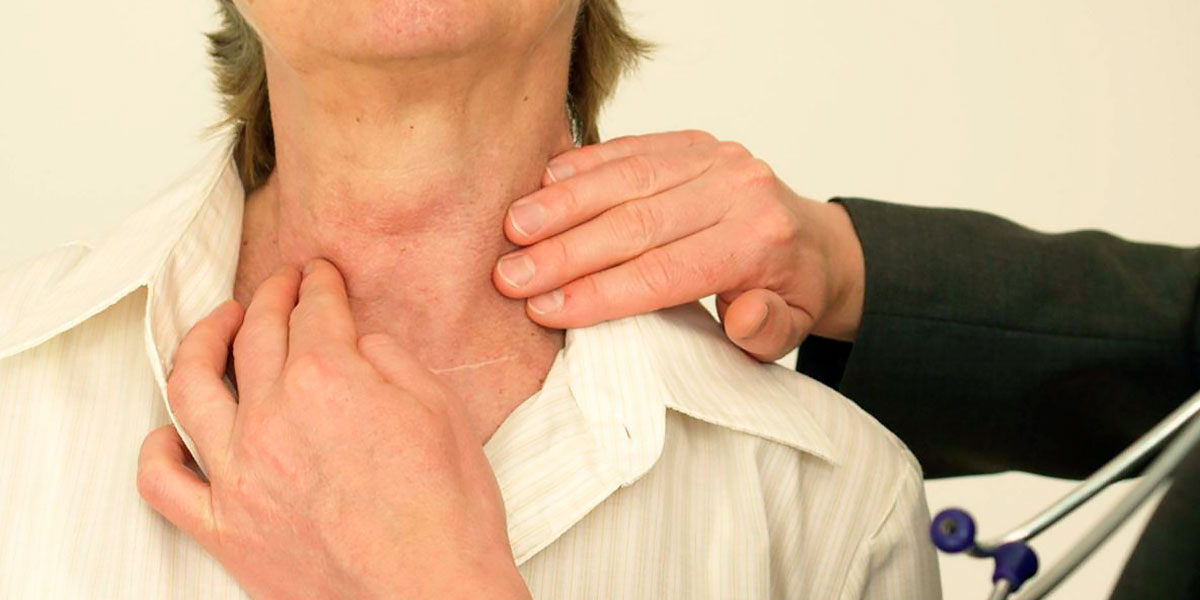
It is a common pathology that affects our thyroid gland, a small endocrine organ located in the neck and shaped like a butterfly.
The main function of this gland is the synthesis and secretion of thyroid hormones, responsible for fulfilling important metabolic functions.
When, for a certain reason, the thyroid gland does not adequately fulfil its function and manufactures fewer thyroid hormones than it should, we talk about hypothyroidism.
What are the causes of the disease?
There are different types of hypothyroidism depending on the initial problem in the thyroid gland (primary hypothyroidism) or in the hormones that regulate it: TRH and TSH (central hypothyroidism).
The latter is much less frequent and almost always secondary to a pathology at the level of the pituitary gland, so we won’t be focussing on that.
Primary hypothyroidism, as mentioned above, is the most common type of hypothyroidism.
Why can a previously healthy thyroid gland function less than it should?
For very different reasons:
- The most frequent reason is a pathology of characteristics producing autoimmune hypothyroidism called Hashimoto’s thyroiditis or chronic lymphocytic thyroiditis.
- Radiation of the gland as a side effect of radiation therapy in cancer.
- Having to surgically remove the thyroid gland for thyroid (or other) cancer.
- Another increasingly rare cause is a very marked Iodine deficiency.
- A sharp or subacute inflammation of the thyroid gland, known as subacute thyroiditis, although this disorder is usually transient.
- Congenital deficiencies of hormones that carry out thyroid hormone biosynthesis
Hypothyroidism symptoms
The symptoms of hypothyroidism are often quite specific and confuse the general population.
Untreated overt hypothyroidism can lead to: fatigue, lethargy, constipation, cold intolerance, myopathy (muscle pain), and can lead to disorders such as carpal tunnel syndrome or even menstrual disorders.
Symptoms of hypothyroidism in women
In women, the symptoms are superimposable to those of men, although for obvious reasons we’ll emphasise the menstrual problems that can appear in women of childbearing age, usually oligomenorrhoea or even amenorrhoea.
How is it diagnosed?
The diagnosis of hypothyroidism is mainly analytical as the symptoms are very nonspecific (many pathologies can produce the same symptoms and, therefore, we can’t use them to diagnose the disease).
With suspected primary hypothyroidism, the test with the best sensitivity is the TSH.

This means that it’s the test that best detects the disease.
Therefore, when we have an above normal TSH value (this varies depending on each laboratory, but we could standardise it on 5 microU/ml), we must measure the so-called peripheral thyroid hormones, or hormones T4L (free T4) and T3L (free T3).
- When these peripheral hormones (the thyroid hormones themselves) are in the normal range, we talk about subclinical hypothyroidism.
- When they are decreased, we have confirmed primary hypothyroidism.
Who can suffer from it?
No one is really exempt from hypothyroidism and it’s a pathology that can occur at any stage of life.
However, in recent decades we have seen a significant increase in prevalence of autoimmune primary hypothyroidism (the most common), to the detriment of other increasingly rare types such as that associated with low iodine intake.
Treatment of hypothyroidism
Medical treatment of hypothyroidism is simple, and consists of exogenously providing the hormone that the thyroid is not able to produce on its own.
Either because of an autoimmunopathy (Hashimoto), because there is no thyroid, or because there is a block in the synthesis of thyroid hormones (Wolff-Chaikoff effect) through excessive iodine consumption.
What diet should you follow?
There are many questions regarding the diet with hypothyroidism.
One of the most common in consultations when we treat or diagnose this pathology is:
“Doctor, what should I be eating?”
While some professionals don’t give any importance to diet, there are other figures on the internet who seek to “cure” hypothyroidism in some way with changes in food.
Iodine
Iodine is an essential micronutrient for the synthesis of thyroid hormones, but this is a scenario where the principle of “more isn’t necessarily better” is true.
The RDA of iodine for the general population is about 150 mcg (somewhat more in pregnancy and lactation), and an over-intake of this has been related, in previously deficient people, with greater thyroid autoimmunity and lower levels of peripheral thyroid hormones.
Selenium
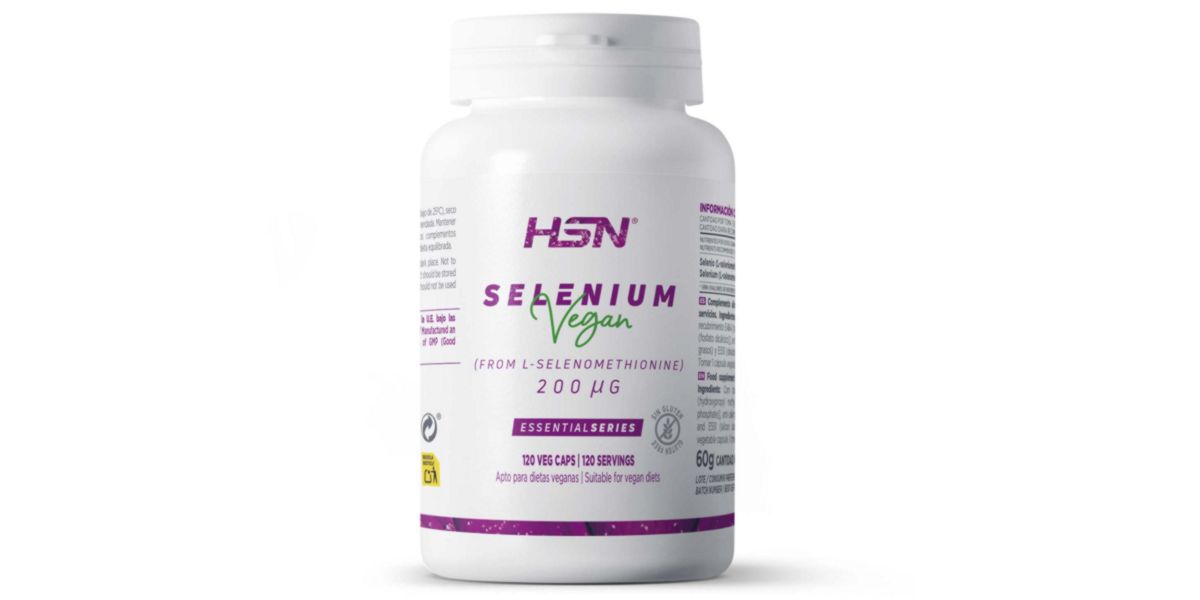
Selenium deficiency is associated with higher levels of antibodies in Hashimoto’s thyroiditis and supplementation decreases the amount of antibodies.
Iron
Surprisingly, iron deficiency and autoimmune thyroid disease seem to be associated.
If you have this pathology, the next time you ask for a blood test, it’s a good idea to check your iron levels and, if they are low, of course, correct them.
Vitamin D
The fashionable hormone.
Through a vitamin D-mediated immunomodulatory and anti-inflammatory effect, antithyroid antibody levels can be reduced.
Gluten
An increasingly popular trend among nutritionists is to eliminate gluten with patients with autoimmune thyroiditis.
In this regard, we can say that Hashimoto’s thyroiditis is associated with coeliac disease, that eliminating gluten is related to a decrease in autoimmunity in some clinical trials, but, nevertheless, that this fact is not related to changes in peripheral hormones or TSH.
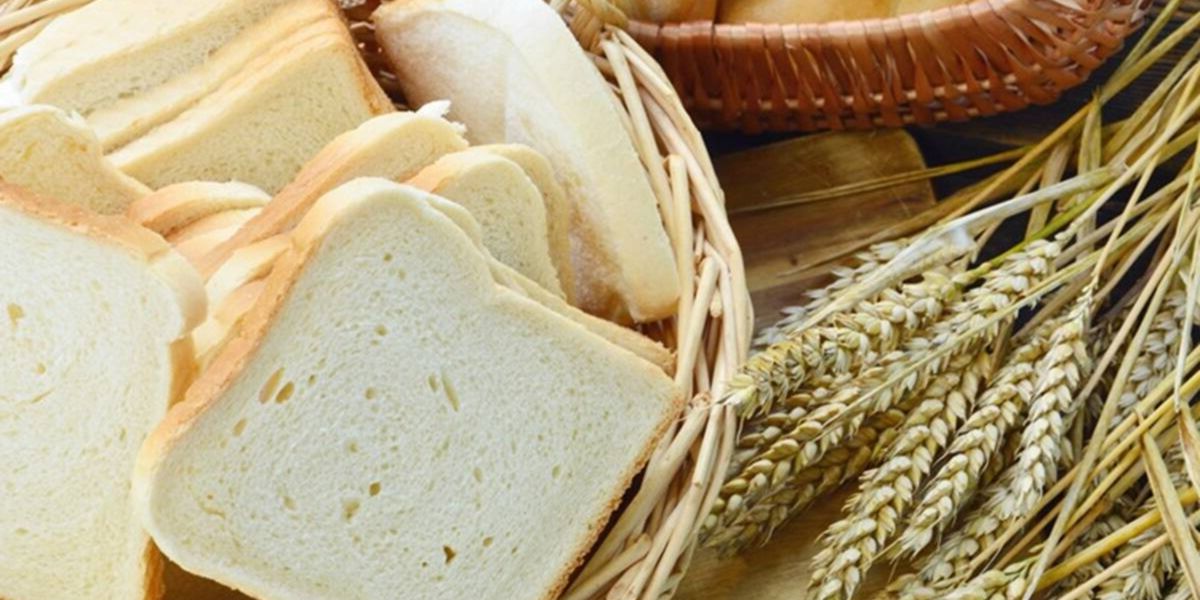
Or more importantly, with the reduction of patients’ symptoms.
Zinc and Magnesium
Deficiency of these two micronutrients increases the risk of hashimoto thyroiditis.
Lactose
Nearly 80% of people with Hashimoto’s thyroiditis have lactose intolerance and a lactose-free diet in those with this intolerance has been shown to reduce TSH.
Soy
Isoflavones have the ability to inhibit thyroid thyroperoxidase. However, at normal doses there is no significant effect on TSH, T4 or T3.
Cruciferae
Something similar happens with cruciferae.
Goitrin and thiocyanate are substances called Goitrin and thiocyanate are bothiogenic substances present in these vegetables and condition less iodine uptake in the thyroid. But a harmful consumption level is in quantities that no one or very few people would take on a daily basis.
We’re talking about over 1 kg a day for several months.
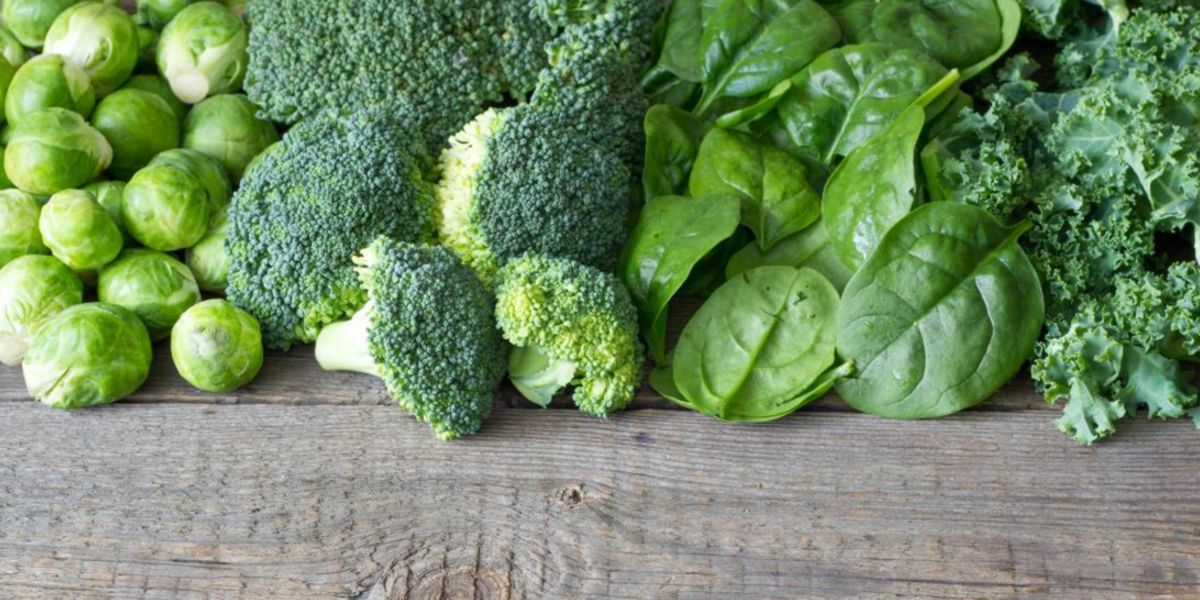
And let’s not forget the positive effect of cruciferous plants on other areas of health, such as their potent anticangenic effect.
Tips for people with hypothyroidism
If you have to deal with this endocrine pathology, my best advice would be to pay attention to the recommendations of your GP or endocrinologist.
But at the same time, look to improve your lifestyle.
As you have seen, there are elements of the diet that play a big part in the pathogenesis of this disease (and many others that we surely don’t know about yet).
Similarly, chronic stress and a sedentary lifestyle have proven to be facilitators of autoimmune diseases and Hashimoto’s thyroiditis is no different.
Related Entries
- Kelp is a supplement linked to improving your metabolism… continue reading.
- It’s possible to regulate the thyroid gland through exercise. Click here and we explain how.